Skip to content
Opening a mason jar should be simple, but many people find it surprisingly hard. The lid can be tight, slippery, or even stuck after months in storage. If you’ve ever struggled with a stubborn jar, you know how frustrating it feels.
Luckily, there are several effective ways to open a mason jar without hurting your hands or spilling the contents. Whether you use jars for food, crafts, or storage, learning these techniques can make life easier. This guide covers practical methods, safety tips, and even a few tricks that most beginners miss.
Understanding Mason Jars
Mason jars are popular for preserving food, storing dry goods, and even DIY projects. They come with a metal lid and a screw-on ring that creates a tight seal. This design keeps air out, so food stays fresh longer. The seal is so strong that opening the jar can be tough.
There are different sizes: pint, quart, and half-gallon jars. Most have regular or wide mouths. Wide mouth jars are easier to open, but both types can get stuck if the lid is vacuum-sealed. The metal lids often have a rubber ring inside, creating a vacuum when heated during canning.
Why Mason Jar Lids Get Stuck
It helps to know why a mason jar lid is hard to open:
- Vacuum seal: After canning, the air inside cools and shrinks, pulling the lid tight.
- Sticky residue: Sugar, syrup, or sauce can dry around the lid, acting like glue.
- Rust: Metal lids can rust, especially if stored in humid places.
- Over-tightening: Sometimes, people screw the ring on too hard.
Understanding these causes helps you choose the right solution. For example, a vacuum-sealed lid needs a different approach than one stuck with syrup.
Credit: nchfp.uga.edu
Safe Ways To Open A Mason Jar
Opening a mason jar safely is important. You don’t want to break the glass, hurt your hand, or spill food. Here are the most common and effective methods:
1. Use Your Hands
Most people try to twist the lid with bare hands first. Grip the lid firmly and turn counterclockwise. Sometimes, tapping around the lid with your hand helps loosen it.
Tip: Dry your hands before trying. Wet hands slip and make it harder.
2. Use A Jar Opener
A jar opener is a simple tool made of rubber or metal. It grips the lid, giving you more leverage. Place it over the lid and twist.
There are several types:
| Type | Material | Best For |
|---|---|---|
| Rubber grip | Flexible rubber | Regular jars |
| Adjustable opener | Metal | Wide mouth jars |
| Electric opener | Plastic/metal | Large jars |
Insight: Many beginners overlook adjustable openers, but they work for both small and large lids.
3. Tap The Lid
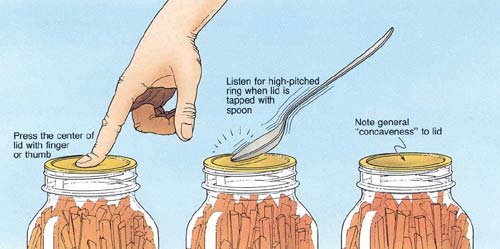
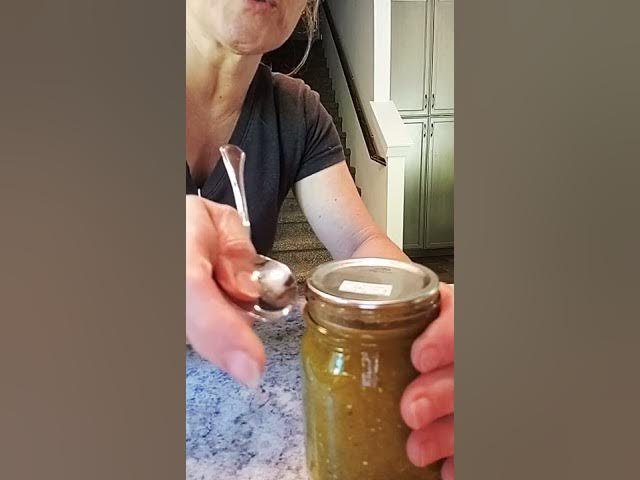
Hold the jar upright. Use a spoon or the handle of a butter knife to tap around the lid’s edge gently. The tapping can break a vacuum seal or loosen sticky residue.
Warning: Don’t hit too hard. You could dent the lid or crack the jar.
4. Use Hot Water
Running hot water over the lid for 30 seconds can loosen it. The heat causes metal to expand slightly, breaking the seal. Hold the jar upside down under the tap so water doesn’t get inside.
Example: If you’re opening a jar of jam with dried syrup around the lid, hot water can melt the residue.
5. Use A Butter Knife Or Spoon
Slip a butter knife or spoon under the lid’s edge. Gently twist to let air in. The vacuum seal will break, making the lid easier to turn.
Common mistake: Don’t pry too hard; you might bend the lid or chip the glass.
6. Rubber Gloves
Wearing rubber gloves gives you extra grip. The gloves prevent slipping and protect your hands, especially if the lid is sharp or rusted.
7. Silicone Mats
Silicone mats are used in kitchens for baking, but you can use them to grip jar lids. Wrap the mat around the lid and twist. The sticky surface helps you open tight jars.
Advanced Techniques For Stubborn Jars
Sometimes, basic methods don’t work. For very stubborn jars, try these advanced techniques:
1. Break The Vacuum Seal
Insert a flat screwdriver under the lid’s edge. Gently lift until you hear a “pop.” The sound means the vacuum seal is broken.
Non-obvious tip: Use a plastic tool if possible. Metal can scratch the glass or lid.
2. Use A Hair Dryer
Aim a hair dryer at the lid for 20–30 seconds. The heat expands the metal, loosening the lid. This is useful for jars with sticky or sugary contents.
3. Tap On The Counter
Turn the jar upside down. Tap the lid gently on a towel-covered counter. The impact can break stubborn seals.
Caution: Always use a towel to avoid breaking the glass.
4. Lubricate The Lid
Apply a small amount of vegetable oil around the lid’s edge. Wait a few minutes. The oil can seep into sticky residue, making the lid easier to twist.
5. Use A Jar Key
A jar key is a special tool designed to break the seal. Place it under the lid and lift. It’s safer than a knife and works well for older jars.
| Method | Success Rate (%) | Best For |
|---|---|---|
| Hand twisting | 50 | Lightly sealed jars |
| Jar opener | 85 | Most jars |
| Hot water | 75 | Sticky or vacuum-sealed lids |
| Hair dryer | 60 | Stubborn lids |
| Jar key | 90 | Old or rusted jars |
Insight: Many people don’t realize that jar keys are inexpensive and can save a lot of effort.
Mistakes To Avoid
Opening mason jars can go wrong if you use too much force or the wrong tools. Here are common mistakes:
- Using sharp knives: You could injure yourself or break the glass.
- Hammering: Hitting the lid with a hammer is unsafe and can damage the jar.
- Excessive heat: Don’t boil the jar; it can crack from sudden temperature changes.
- Ignoring rust: If the lid is rusted, check if the contents are safe before opening.
Tips For Preventing Stuck Mason Jar Lids
Prevention is better than cure. You can avoid stuck lids by following these simple steps:
- Clean the rim: After filling the jar, wipe the rim before sealing. This removes syrup or sauce that can glue the lid shut.
- Don’t over-tighten: Screw the ring on just until it’s snug. Overtightening makes opening difficult.
- Store in dry places: Moisture causes rust. Keep jars in cool, dry cupboards.
- Use new lids: Older lids can warp or rust, making them harder to open.
- Label jars: If you’re canning, write the date and contents. Older jars tend to stick more.
- Rotate jars: Use older jars first. This prevents long-term sticking.
Example: Before canning jam, wipe the jar rim with a wet cloth. This simple step saves trouble later.
Safety Considerations
Mason jars are made of thick glass, but they can break if handled wrong. Always:
- Hold jars with both hands.
- Use towels or gloves for better grip.
- Never force the lid; try another method if it’s stuck.
- Check for chips or cracks before opening. Damaged jars may break.
If the jar contains homemade food, check for signs of spoilage. If the lid bulges or smells odd, do not eat the contents.
When To Replace Mason Jar Lids
Lids can wear out after several uses. If you notice:
- Rust
- Bent or warped lids
- Damaged rubber seal
Replace the lid before using the jar again. New lids seal better and are easier to open.
| Lid Condition | Recommended Action |
|---|---|
| Rusty | Replace |
| Bent | Replace |
| Cracked rubber | Replace |
| Clean and smooth | Reuse |
Credit: www.youtube.com
Real-life Examples
- Grandma’s Pickles: You find a jar of pickles sealed last year. The lid is vacuum-sealed and stuck. Using hot water and a rubber grip solves the problem.
- DIY Crafts: Old paint stored in a mason jar gets dry and sticky. A hair dryer and silicone mat make opening easier.
- Bulk Storage: A jar of rice with a rusty lid needs a jar key for safe opening.
Non-obvious insight: If you’re opening jars regularly, keep a jar opener and jar key in your kitchen drawer.
Using Mason Jars For More Than Food
Mason jars are not just for food. People use them for:
- Craft supplies
- Candles
- Drinks
- Gift packaging
The same opening methods work for these jars. For paint or glue, check if the lid is safe to touch, as chemicals can cause irritation.
Example: For a craft jar with glue, wear gloves and open with a silicone mat for extra protection.
Helpful Resources
If you want more details about the history or uses of mason jars, visit Wikipedia.
Frequently Asked Questions
How Do I Open A Mason Jar Without Hurting My Hand?
Use a jar opener or wear rubber gloves for extra grip. If the lid is stuck, try hot water or a silicone mat. Avoid sharp tools or too much force.
What Should I Do If The Lid Is Rusted?
Check the contents first. If safe, use a jar key or silicone mat. Replace the lid after opening. Don’t use a rusty lid for food storage again.
Can I Use Hot Water To Open A Jar With Dry Goods?
Yes, but keep water away from the inside. Hold the jar upside down and run hot water over the lid. Dry the lid before opening.
Are Electric Jar Openers Worth It?
Electric openers are helpful for people with weak hands or arthritis. They work well for large jars but are more expensive than manual tools.
How Often Should I Replace Mason Jar Lids?
Replace lids if they show rust, bends, or cracks in the rubber seal. For regular canning, use new lids each time to ensure a strong seal.
Opening a mason jar doesn’t have to be a struggle. With the right tools and knowledge, you can do it safely and quickly every time. Remember to use gentle force, try different methods, and always check the jar and lid condition before opening.
These techniques will save you time and keep your food and crafts safe.

Credit: www.thepioneerwoman.com