Opening your refrigerator and seeing everything neat, easy to reach, and fresh feels great. But for many people, their fridge is a messy puzzle. Food gets lost, leftovers spoil, and finding the milk takes longer than it should. Learning how to organize a refrigerator efficiently isn’t just about making it look tidy—it keeps food safer, saves money, and makes daily life simpler.
Whether your fridge is big or small, these practical steps will help you turn chaos into calm, keep food fresh longer, and reduce waste. Let’s dive in and discover the best ways to organize your refrigerator for maximum efficiency.
Understanding Your Refrigerator’s Zones
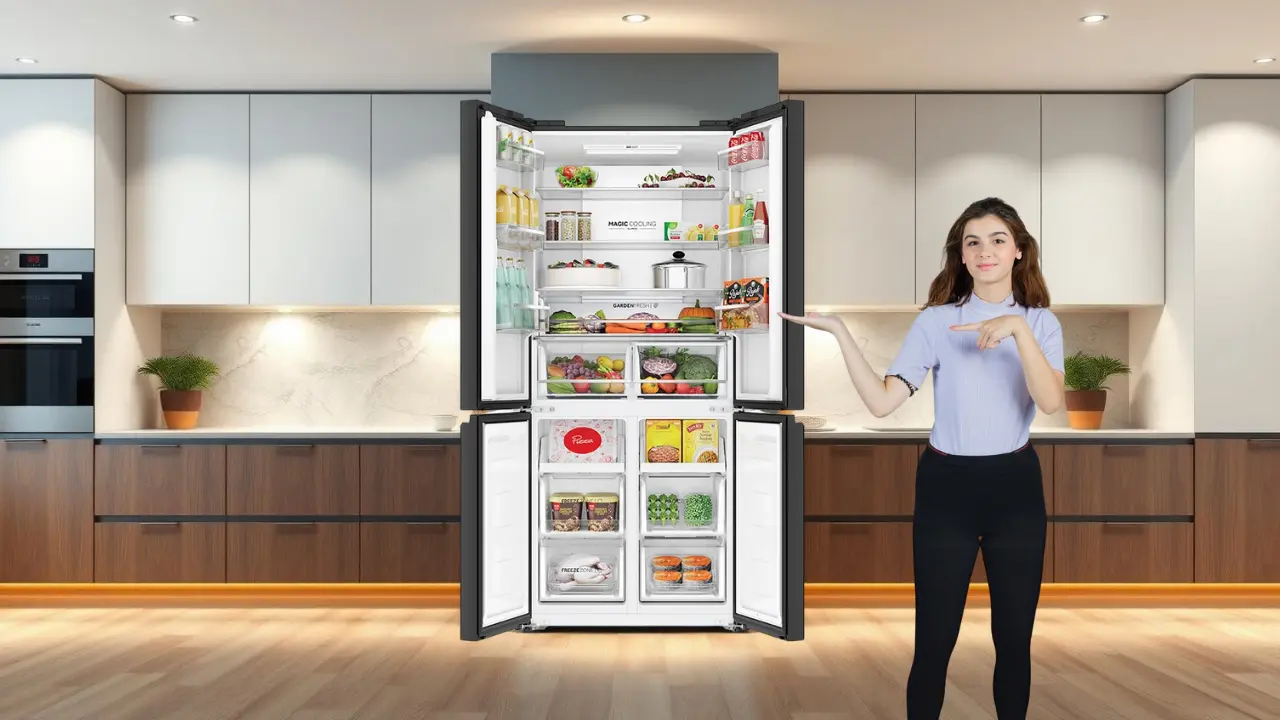
Most refrigerators have different sections—each designed for specific types of food. Knowing these zones is the first step to efficient organization.
The Top Shelf
This area is usually the warmest part, with temperatures slightly higher than the rest. It’s best for foods that don’t spoil quickly, like leftovers, drinks, and ready-to-eat items.
The Middle Shelf
Here, temperatures are a bit cooler. Store dairy products such as milk, yogurt, and cheese. If your fridge has adjustable shelves, set the height for easy access.
The Bottom Shelf
This is the coldest spot. Keep raw meat, poultry, and fish here, always in a leak-proof container. This prevents drips and cross-contamination.
Crisper Drawers
Designed for produce, these drawers often have adjustable humidity. Use the high humidity drawer for leafy vegetables and herbs. Store fruits in the low humidity drawer.
Door Shelves
The door is the warmest part and has temperature swings. Store condiments, jams, and juices here, but avoid eggs or milk—they spoil faster in the door.
Freezer Section
If your refrigerator has a freezer, use it for frozen meats, vegetables, and long-term storage. Keep similar items together, and use bins to prevent clutter.
The Science Behind Refrigerator Organization
Organizing your fridge isn’t just for looks. It’s based on food safety and temperature control.
- Food safety: The USDA says fridge temperatures should be below 40°F (4°C) to stop bacteria growth. Placing meat on the bottom prevents drips onto other foods.
- Freshness: Produce lasts longer in the right humidity. Dairy stays fresher on cooler shelves.
- Efficiency: A well-organized fridge uses less energy. Air can flow easily, helping the fridge stay cold.
A survey by the National Resources Defense Council found that the average American household throws away about 25% of the food they buy. Better fridge organization reduces this waste.

Credit: www.zevyjoy.com
Step-by-step Guide To Organizing Your Refrigerator
Efficient organization starts with clearing out the clutter and setting up a system that works for your family. Here’s how:
1. Empty Your Fridge Completely
Take everything out. Place perishables in a cooler with ice packs to keep them safe while you work.
2. Clean All Surfaces
Wipe shelves, drawers, and door bins with warm soapy water. Dry thoroughly. Remove sticky spills and crumbs.
3. Check Expiry Dates
Throw away anything expired, moldy, or questionable. Don’t keep food “just in case”—it’s safer to toss it.
4. Sort Items By Category
Group foods: dairy, meats, fruits, vegetables, condiments, leftovers. This makes it easier to see what you have.
5. Plan Placement Based On Zones
Put each group in its ideal spot. For example:
- Raw meats on the bottom shelf
- Dairy in the middle
- Fruits and veggies in the crisper drawers
- Condiments in the door
6. Use Clear Storage Bins
Bins prevent items from getting lost and keep similar foods together. Label bins for “snacks,” “cheese,” or “meal prep. ”
7. Stack Smartly
Stack items with the oldest in front, newest in back. This is the “first in, first out” rule—use older food first.
8. Adjust Shelves If Needed
Most fridges have adjustable shelves. Customize them for tall bottles or bulky items.
9. Keep Frequently Used Items Up Front
This saves time and reduces how long the door stays open, keeping the fridge colder.
10. Set Reminders For Cleaning
Regular cleaning keeps your system efficient. Aim for a quick wipe-down every week and a full clean every month.
Choosing Storage Containers For Maximum Efficiency
The right containers make a huge difference. Here’s how to pick the best ones:
- Clear containers: You can see what’s inside—less chance of forgetting food.
- Stackable bins: Save space and keep things neat.
- Airtight lids: Keep food fresh longer.
- Size matters: Use smaller containers for leftovers, larger ones for meal prep.
Here’s a quick comparison of common container types:
| Container Type | Best For | Pros | Cons |
|---|---|---|---|
| Glass | Leftovers, meal prep | Easy to clean, non-porous, microwave-safe | Heavy, can break |
| Plastic | Snacks, produce | Lightweight, cheap | Can stain, not always airtight |
| Silicone | Flexible storage | Bendable, easy to fit | More expensive |
For an efficient fridge, choose containers that fit your space and your needs.
Organizing Produce For Freshness
Produce is delicate. Storing it correctly keeps it crisp and tasty.
Leafy Greens
Wrap in paper towels to absorb moisture. Place in high humidity crisper drawer.
Fruits
Most fruits go in the low humidity drawer. Apples, berries, and grapes last longer if kept dry and separated.
Root Vegetables
Store carrots, beets, and radishes in the fridge, but keep potatoes and onions outside—they spoil faster in cold.
Herbs
Put fresh herbs in a glass of water, cover loosely with plastic, and keep in the fridge door.
Here’s a handy table for produce storage:
| Produce Type | Best Storage | Humidity Drawer | Notes |
|---|---|---|---|
| Leafy greens | High humidity drawer | Closed | Wrap in paper towels |
| Apples | Low humidity drawer | Open | Keep separate from veggies |
| Berries | Low humidity drawer | Open | Wash before eating, not before storing |
| Carrots | High humidity drawer | Closed | Remove tops before storing |
Organizing Dairy, Meat, And Eggs
These foods spoil quickly if not stored properly.
- Dairy: Keep milk on the middle shelf, not the door. Cheese should be wrapped in wax paper, then in plastic, to keep it moist but not soggy.
- Eggs: Store in the original carton on the middle shelf.
- Meat and Poultry: Place in a tray on the bottom shelf. If freezing, wrap tightly to prevent freezer burn.
Quick Tips
- Never store meat above ready-to-eat foods
- Use a thermometer to check fridge temperature—should be under 40°F (4°C)
- Label containers with date to track freshness

Credit: www.youtube.com
Managing Leftovers And Meal Prep
Leftovers are easy to forget. A system keeps them visible and safe.
- Label and date: Use masking tape or sticky notes for quick labeling.
- Clear containers: Let you see what’s inside.
- First in, first out: Move older leftovers to the front.
Meal prepping is popular. Dedicate a bin or shelf for prepped meals and snacks. This saves time and reduces food waste.
Keeping Snacks And Drinks Accessible
Organize snacks where kids and busy adults can grab them easily.
- Use bins for string cheese, yogurt cups, or cut fruit.
- Place drinks (water, juice, soda) together on a shelf or door bin.
- Group similar items—this prevents hunting for snacks.
Credit: shop.haierindia.com
Organizing The Freezer
Don’t let your freezer become a mystery box. Here’s how to keep it efficient:
Categorize Frozen Foods
- Meats in one section
- Vegetables in another
- Ready meals together
Use Storage Bins
Bins keep items upright and easy to reach.
Label And Date Everything
Frozen food loses quality over time. Use labels to track what’s oldest.
Prevent Freezer Burn
Wrap items tightly. Use freezer bags or vacuum sealers.
Here’s a freezer organization comparison:
| Method | Pros | Cons |
|---|---|---|
| Bins | Easy to sort, prevents clutter | Can take up space |
| Labels | Track freshness | Needs regular updating |
| Vacuum sealing | Prevents freezer burn | Requires special equipment |
Maintaining Your Organized Refrigerator
A system is only as good as your maintenance.
- Weekly check: Remove expired items, wipe spills.
- Monthly deep clean: Empty fridge, wash shelves and bins.
- Seasonal reset: Reorganize based on changing food habits—more produce in summer, more leftovers in winter.
Set a reminder on your phone or calendar. Regular care keeps your fridge efficient and safe.
Non-obvious Insights For Efficient Fridge Organization
Most guides miss these practical ideas:
- Don’t overcrowd: Overloading blocks airflow, making your fridge less efficient and causing uneven cooling.
- Use the fridge for non-food items: Baking soda absorbs odors. Place an open box inside for freshness.
- Keep a fridge inventory: Write a list on a whiteboard or app. Track what needs to be used soon, preventing waste.
- Rotate containers: Move items from the back to the front during cleaning. This helps use everything before it spoils.
- Smart shopping: Plan purchases based on your fridge’s layout. Buy only what fits and what you’ll use soon.
These tricks help you go beyond basic organization and keep your fridge running smoothly.
Mistakes To Avoid When Organizing A Refrigerator
Even with the best intentions, people make common mistakes:
- Storing milk in the door: Milk spoils quickly due to temperature swings.
- Stacking hot food: Never put hot leftovers in the fridge; let them cool first to prevent raising fridge temperature.
- Not labeling leftovers: Without dates, it’s easy to forget how old food is.
- Ignoring humidity settings: Using crisper drawers incorrectly causes wilted veggies or moldy fruit.
- Crowding shelves: Overfilling makes it hard to see items, leading to waste.
Avoiding these mistakes keeps food safer and saves money.
Organizing For Different Household Needs
Every family is unique. Adjust your fridge for your lifestyle:
Families With Kids
- Place snacks on a low shelf for easy access
- Use bins for lunch items
- Keep drinks together
Busy Professionals
- Dedicate a shelf for meal prep
- Group grab-and-go items
- Use labeled bins for leftovers
Small Households
- Buy smaller quantities
- Use smaller containers
- Keep a fridge inventory
Large Families
- Color-code bins for each family member
- Store bulk items in clear containers
- Rotate food regularly
Using Technology For Fridge Organization
Modern fridges offer smart features:
- Temperature controls: Adjust zones for different foods.
- Door alarms: Remind you to close the door.
- Built-in cameras: Let you check contents from your phone.
Apps like Fridge Pal or NoWaste help track inventory, plan meals, and remind you about expiry dates. Technology makes organizing easier and helps reduce food waste.
Benefits Of Efficient Refrigerator Organization
An organized fridge offers big advantages:
- Food stays fresher longer: Proper placement prevents spoilage.
- Less waste: You use what you buy, saving money.
- Saves time: Quick access to food means faster meals.
- Better health: You see healthy options and avoid forgotten leftovers.
- Safer storage: Reduces risk of foodborne illness.
A well-organized fridge transforms daily life and helps your household run smoothly.
Frequently Asked Questions
How Often Should I Clean My Refrigerator?
For best results, do a quick clean weekly—remove spills and expired food. Every month, deep clean shelves, drawers, and door bins. A seasonal reset helps adjust for changing food habits.
What Is The Ideal Refrigerator Temperature?
Keep your fridge below 40°F (4°C). Use a thermometer for accuracy. Freezer should be at 0°F (-18°C). This keeps food safe and slows bacteria growth.
Can I Store Eggs In The Refrigerator Door?
It’s better to keep eggs on the middle shelf in their original carton. The door has temperature swings, which can cause eggs to spoil faster.
How Can I Prevent Bad Smells In My Fridge?
Place an open box of baking soda inside. It absorbs odors. Clean spills quickly and check for spoiled food weekly.
Is It Safe To Put Hot Food Directly In The Fridge?
No. Let hot food cool to room temperature first. Putting hot items in the fridge raises the internal temperature, which can spoil other food.
Organizing your refrigerator efficiently isn’t just a chore—it’s a smart habit that pays off in freshness, safety, and savings. By understanding your fridge’s zones, using the right containers, and keeping a regular cleaning schedule, you’ll enjoy a fridge that works for you. Remember, small changes make a big impact. And if you want more tips on food safety, check out the FDA’s refrigerator storage charts. Your fridge can be the heart of your kitchen—make it efficient, and enjoy the benefits every day.