Skip to content
Keeping food hot in a thermos is a challenge many people face. Whether you’re packing soup for lunch, preparing a meal for a trip, or sending food with your child to school, the key is in the preparation. Preheating a thermos is a simple step that makes a big difference. If you skip this, your hot food can turn lukewarm or even cold in just a few hours. Most people don’t realize that even the best thermos loses heat fast if it starts cold. Proper preheating can keep food hot for 6–8 hours, sometimes longer.
In this guide, you’ll learn exactly how to preheat a thermos, why it matters, and what mistakes to avoid.
Why Preheating A Thermos Matters
Many think a thermos is simply a container. But it’s more than that. A thermos works by trapping heat inside a vacuum. If you pour hot food into a cold thermos, much of the heat transfers to the walls, cooling your food quickly.
Preheating warms the inner surface, so your food stays hot longer.
For example, if you put hot soup (190°F) into a cold thermos, it may drop to 140°F within 2–3 hours. With a preheated thermos, the soup stays above 160°F for up to 6 hours. This temperature difference is crucial. The USDA recommends keeping hot food at 140°F or above for safety.
| Thermos State | Initial Food Temp | Temp After 3 Hours | Temp After 6 Hours |
|---|---|---|---|
| Cold | 190°F | 140°F | 100°F |
| Preheated | 190°F | 160°F | 140°F |
What You Need To Preheat A Thermos
The process is easy, but you need the right items:
- Thermos – Stainless steel or glass-lined work best.
- Boiling water – 200–212°F is ideal.
- Lid – Always use the lid during preheating.
- Towel – Optional, helps with handling hot thermos.
- Timer – Your phone or watch works.
Most beginners skip the boiling water and use tap hot water. This is a common mistake. Tap water is usually only 120–130°F, not hot enough for proper preheating.
Step-by-step: How To Preheat A Thermos
Follow these steps to make sure your thermos keeps food hot for hours.
1. Boil Water
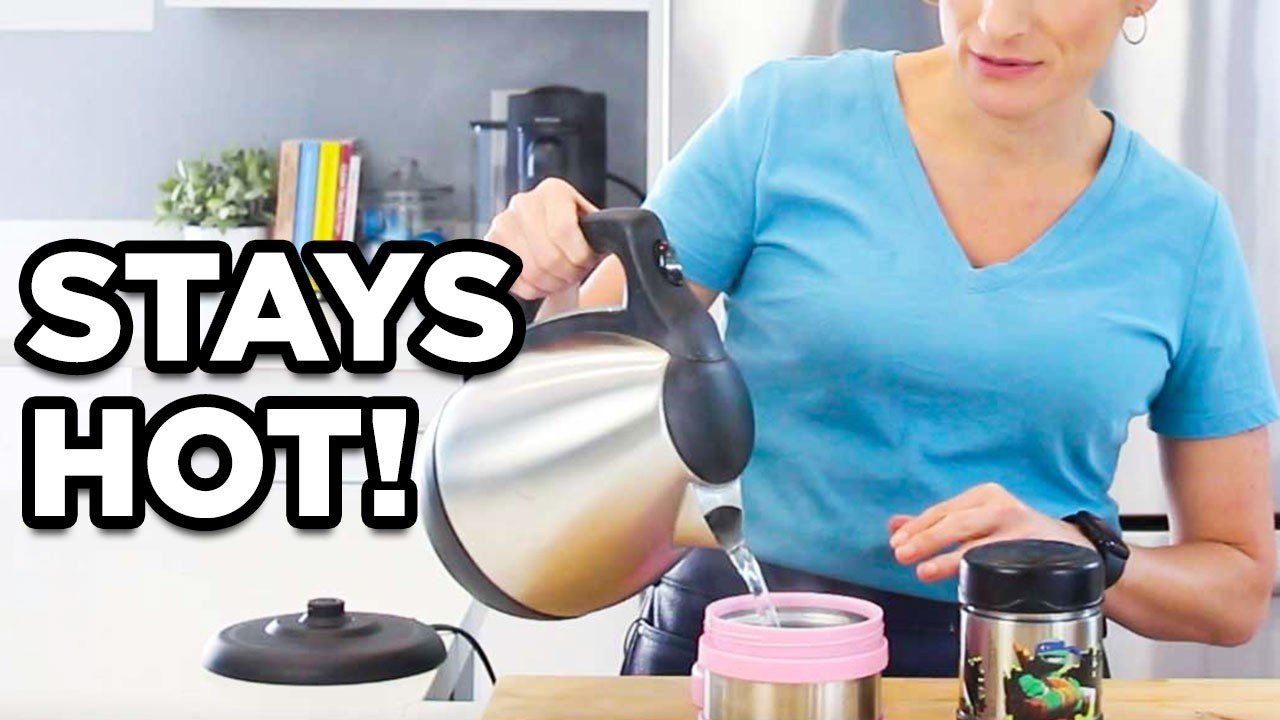
Start by boiling enough water to fill your thermos. Use a kettle, pot, or microwave. Water should be bubbling, not just steaming.
2. Pour Water In
Carefully pour the boiling water into the thermos. Fill it to the top. If your thermos is large, you may need to boil more.
3. Close The Lid
Screw the lid on tightly. This traps the heat and warms the inner walls.
4. Wait 5–10 Minutes
Let the thermos sit. Five minutes is enough for most, but ten minutes gives extra warmth for thick or dense foods.
5. Empty The Water
After waiting, open the lid and pour out the water. Be careful; it’s very hot.
6. Fill With Hot Food
Immediately add your hot food. Don’t let the thermos cool down between steps. Seal the lid tightly.
7. Wrap If Needed
If you want extra heat retention, wrap the thermos in a towel or insulated bag. This is useful for long trips.
Mistakes To Avoid When Preheating
Even experienced users make errors. These mistakes can cause food to cool quickly.
- Using warm tap water instead of boiling water.
- Waiting too long after emptying the preheat water before adding food.
- Leaving the lid off during preheating.
- Underfilling the thermos with food, leaving air gaps.
- Using a damaged thermos (cracks or loose lids).
One insight many miss: If you plan to eat later than 6 hours, preheat twice. Fill, wait, empty, refill with boiling water, wait, empty, then add food. This keeps the thermos hotter for longer periods.
:max_bytes(150000):strip_icc()/alr-best-hot-food-containers-tout-6f49d22b6c064821b785ff5b7a777535.jpg)
Credit: www.allrecipes.com
How Long Does Preheating Affect Food Temperature?
The impact of preheating depends on several factors:
- Thermos size – Larger thermoses retain heat longer.
- Food density – Soup cools faster than chili or stew.
- Outside temperature – Cold weather reduces heat retention.
A study by the Thermos Brand shows that preheated thermoses retain heat 20–30% longer than unheated ones.
| Food Type | Preheated Thermos (6 hrs) | Non-Preheated Thermos (6 hrs) |
|---|---|---|
| Soup | 140°F | 110°F |
| Chili | 150°F | 120°F |
| Rice | 135°F | 105°F |
Preheating For Different Foods
Soups And Liquids
Soups lose heat faster because they’re mostly water. Make sure the soup is boiling hot (above 190°F) when you add it. Preheating is essential. For thin soups, fill the thermos to the top to minimize air.
Stews And Curries
These foods have more solids, so they stay hot longer. Still, preheat the thermos for at least 10 minutes. If your stew is thick, pack tightly to reduce air space.
Pasta And Rice
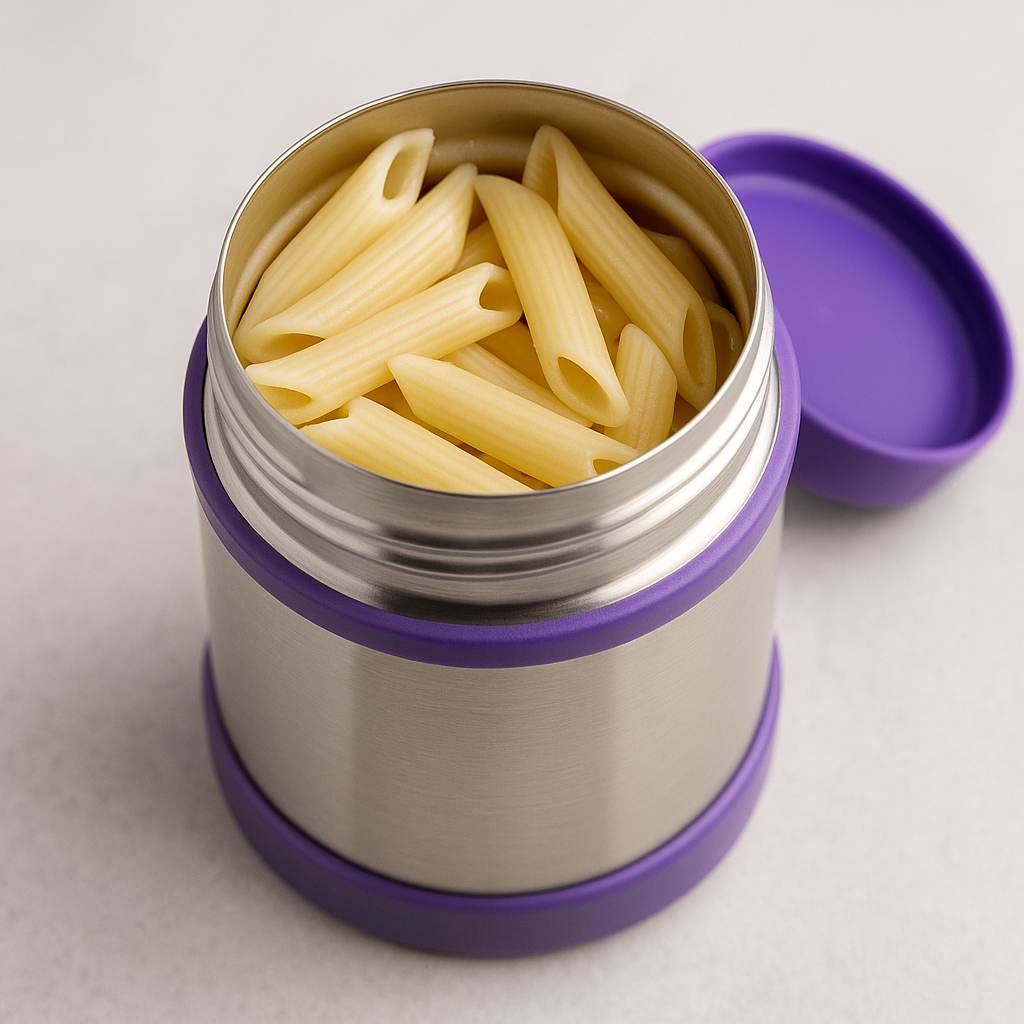
Rice and pasta cool quickly if not packed well. After preheating, fill the thermos fully. If you’re adding sauce, make sure it’s hot. For pasta, stir before packing to distribute heat evenly.
Hot Drinks
For tea, coffee, or hot chocolate, preheating is critical. Pour boiling water into the thermos, wait, empty, then add your drink. This keeps drinks piping hot for hours.
Credit: www.youtube.com
Comparing Thermos Brands And Models
Not all thermoses are equal. Some brands retain heat better due to quality, wall thickness, and lid design. Here’s a quick comparison:
| Brand | Heat Retention (Preheated, 6 hrs) | Heat Retention (Not Preheated, 6 hrs) | Price Range |
|---|---|---|---|
| Thermos Brand Stainless King | 145°F | 120°F | $25–$35 |
| Zojirushi Food Jar | 150°F | 125°F | $30–$40 |
| Stanley Classic | 140°F | 115°F | $20–$30 |
Choosing a high-quality thermos is important, but preheating makes a bigger impact than spending extra on expensive brands.
Extra Tips For Keeping Food Hot Longer
Here are some tips that go beyond the basics:
- Double preheat – Preheat twice for trips longer than 8 hours.
- Use boiling water – Tap water won’t work.
- Seal tightly – Air leaks cool food fast.
- Pack food immediately – Don’t let the thermos cool after emptying.
- Fill completely – Air gaps reduce heat retention.
- Wrap in insulation – Towel or bag helps, especially in winter.
- Avoid opening often – Every time you open, heat escapes.
- Choose dense foods – Stews and rice hold heat better than soup.
- Clean well – Residue can affect heat retention.
- Check for damage – Cracks or dents reduce effectiveness.
A practical insight: If you’re packing food for kids, test the temperature before sending. Use a thermometer. Food should be at least 160°F after packing for safe eating later.
Credit: fromthestartnutrition.com
Safety And Cleaning After Use
Hot food can cause burns, so handle carefully when pouring boiling water. Always supervise children. After use, clean the thermos well. Food residue can cause odors and affect heat performance. For best cleaning:
- Rinse with hot water immediately after emptying.
- Use a bottle brush for deep cleaning.
- Let the thermos air dry with the lid off.
For stubborn odors, fill with baking soda and hot water, let sit overnight, then rinse well.
Common Questions About Preheating Thermoses
Frequently Asked Questions
How Hot Should The Water Be For Preheating?
The water must be boiling—around 200–212°F. Tap hot water is not enough. Only boiling water warms the thermos walls properly.
Can I Preheat With A Microwave?
You can microwave water, but never put the thermos in the microwave. Only heat water in a microwave-safe container, then pour it into the thermos.
How Long Should I Preheat The Thermos?
Wait 5–10 minutes after pouring boiling water. Ten minutes is best for thick foods or cold weather. Longer isn’t needed for most cases.
Does Preheating Work For Cold Foods?
Yes. Preheating with ice water keeps cold foods colder for longer. Follow the same steps, but use ice water instead of boiling water.
What’s The Best Thermos For Heat Retention?
Look for stainless steel, vacuum-sealed thermoses. Brands like Thermos, Zojirushi, and Stanley are reliable. Always check for tight lids and undamaged walls.
Final Thoughts
Preheating your thermos is a simple step that makes a big difference. Food stays hot, safe, and tasty for hours. Whether you’re packing lunch, preparing for a long trip, or sending food with kids, these steps give you confidence. Remember, boiling water is essential, and timing matters. Many people overlook preheating, but with this guide, you won’t make that mistake. If you want more research-backed information, check out the Wikipedia page on Thermos for extra details.
By mastering thermos preheating, you ensure your meals are always warm and ready—no matter where you go.