Warming up leftover food in the microwave seems easy, but it’s not always simple to get it right. Many people end up with cold spots, soggy textures, or dried-out meals. If you want your food to taste almost as good as when it was fresh, you need the right techniques. Whether you’re a busy student, a working parent, or just looking to save time, understanding how to reheat leftover food in the microwave can make your life easier and your meals tastier.
In this guide, you’ll learn practical steps, smart tips, and solutions to common mistakes. You’ll also see how different foods react to microwaving, why some leftovers turn out rubbery, and how to avoid that. With a little care, your reheated meals can be satisfying and safe to eat.
Why Reheat Leftovers In The Microwave?
The microwave is one of the fastest ways to reheat food. It saves time and energy compared to using an oven or stovetop. For busy people, it’s often the go-to option. Another benefit is that microwaves heat food from the inside out, so it can reach a safe temperature quickly if used correctly.
But there’s more. Using a microwave is also energy-efficient. According to the U. S. Department of Energy, microwaves use up to 80% less energy than a standard oven for small amounts of food. That means you not only save time but also help the environment and lower your energy bills.
Understanding How Microwaves Work
To reheat leftovers well, you need to know how a microwave heats food. Microwaves use electromagnetic waves that make water molecules in the food vibrate. This causes heat, which spreads through the food.
But not all foods heat the same way. Dense or thick foods may heat unevenly. Foods with lots of water, like soups, heat very quickly, while dry foods can become tough or chewy. Also, the microwave’s turntable helps, but it doesn’t always solve uneven heating.
Common Problems With Microwave Reheating
- Hot and cold spots: The microwave may not heat food evenly, leaving some parts cold.
- Dryness: Foods without much liquid can dry out or harden.
- Texture changes: Some foods become rubbery, soggy, or lose their crunch.
- Food safety: If food is not heated properly, bacteria can survive.
Preparing Leftovers For The Microwave
A little preparation goes a long way toward better results. Here’s how you can set up your leftovers for success:
- Cut food into smaller pieces: Large chunks take longer and often heat unevenly. Slice meat, casseroles, or pizza to help heat distribute.
- Add moisture: For rice, pasta, or breaded items, sprinkle a little water over the food. This helps prevent drying out.
- Use the right container: Only use microwave-safe containers. Avoid metal, and check that plastic is labeled for microwave use. Glass and ceramic are usually safe.
- Cover loosely: Use a microwave-safe lid or a damp paper towel to cover food. This traps steam, which helps food heat evenly and keeps it moist.
- Arrange food properly: Place thicker parts of food toward the edge of the plate and thinner parts in the center.
Step-by-step Guide: How To Reheat Leftover Food In The Microwave
Reheating isn’t the same for every food, but a few general steps apply to most leftovers.
1. Choose The Right Container
Put your food on a microwave-safe plate or bowl. Never use metal, and avoid thin plastics that can melt. If you’re unsure, look for a “microwave safe” label.
2. Spread The Food Out
Arrange food in a single layer if possible. Overlapping pieces may not heat evenly. If reheating a large portion, stir or rearrange halfway through.
3. Add Moisture If Needed
Drizzle a bit of water or broth on dry foods. For bread, wrap it in a damp paper towel.
4. Cover The Food
A loose cover, like a microwave-safe lid or damp paper towel, will keep steam in. This reduces splatters and helps food heat evenly.
5. Set The Right Power Level
High power isn’t always best. For most leftovers, medium (50-70%) power works better. This gives heat time to spread and reduces the chance of dry or rubbery results.
6. Heat In Short Intervals
Start with 1-2 minute bursts. Stir or flip food between intervals. Check temperature and continue until it’s hot.
7. Check The Temperature
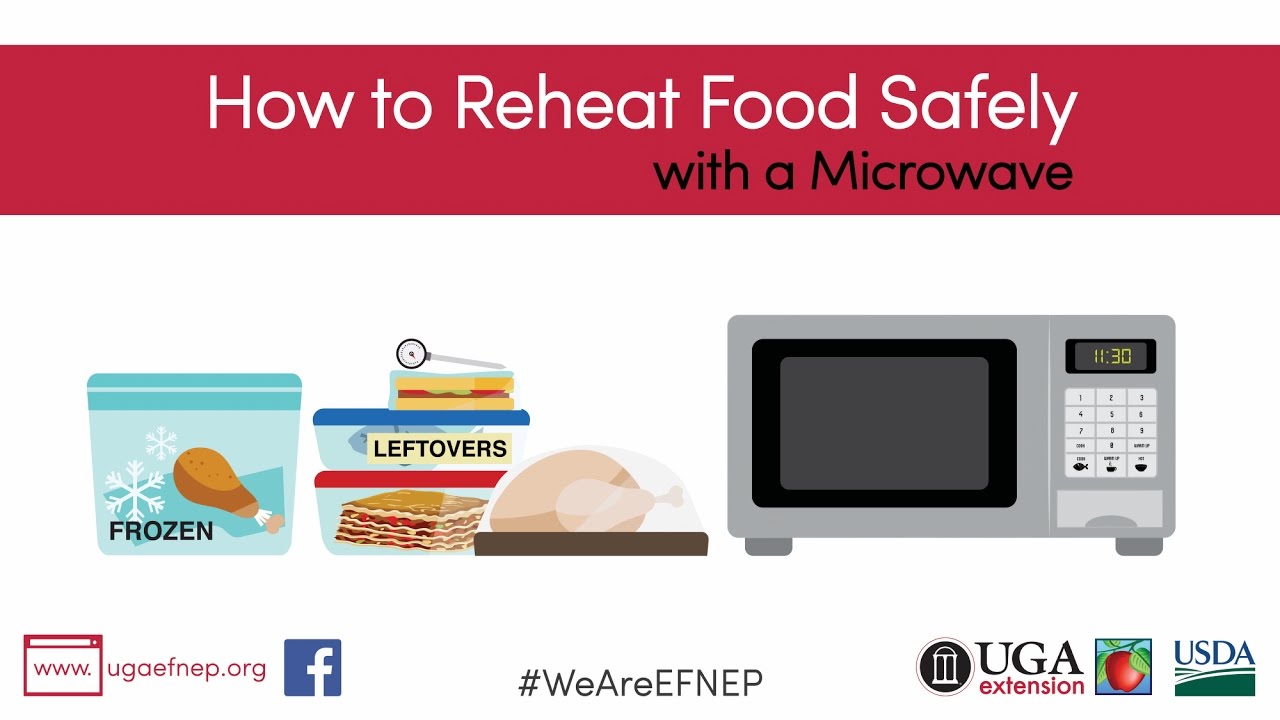
Food should be steaming hot all the way through. The USDA recommends reheating leftovers to at least 165°F (74°C) for safety.
8. Let Food Rest
After microwaving, let food sit for a minute. The heat will spread out, making the food more evenly hot.
Special Tips For Different Types Of Leftovers
Not all foods act the same in the microwave. Here’s how to handle common leftovers:
Rice And Pasta
- Add a splash of water and cover.
- Stir halfway through reheating.
- Use medium power to avoid drying.
Pizza
- Place a cup of water in the microwave next to the pizza. This helps keep the crust from getting too chewy.
- Cover the pizza loosely with a paper towel.
Meat And Poultry
- Slice thick pieces to help even heating.
- Add a little broth or water to keep it moist.
- Use lower power and longer time.
Soups And Stews
- Stir before and halfway through reheating.
- Use a loose cover to prevent splatters.
- Heat in a deep, microwave-safe bowl.
Fried Foods
- Reheating fried foods in a microwave can make them soggy. Place a paper towel under the food to absorb extra moisture.
- For best texture, use short bursts of heat and consider finishing in a toaster oven if you want crispiness.
Microwave Power Level And Time Comparison
Here is a quick look at how different power levels and times affect popular leftovers.
| Food Type | Recommended Power Level | Typical Time (per serving) | Tips |
|---|---|---|---|
| Rice/Pasta | Medium (60%) | 1–2 min | Add water, stir halfway |
| Pizza | High (80-100%) | 30–60 sec | Use a cup of water nearby |
| Meat | Medium (50%) | 2–3 min | Slice, add broth |
| Soup/Stew | High (100%) | 1–2 min | Stir before and during |
| Vegetables | Medium (70%) | 1–2 min | Add a little water |

Credit: www.canada.ca
Safety Tips When Reheating In The Microwave
Food safety is crucial. Microwaves can leave cold spots where bacteria survive. Here’s how to keep your food safe:
- Always reheat to 165°F (74°C). Use a food thermometer for best accuracy.
- Stir food and rotate the dish during heating to spread heat evenly.
- Never reheat leftovers more than once. Repeated reheating increases the risk of foodborne illness.
- Check container safety. Don’t use containers that are cracked or not labeled as microwave-safe.
Common Mistakes And How To Avoid Them
Even people who use microwaves daily make mistakes. Here are the most common issues and how to fix them:
- Using high power for everything: This can make meat tough and bread rubbery. Lower power is better for most leftovers.
- Not covering food: This leads to dry or unevenly heated food, and lots of mess.
- Overheating: Food becomes dry, loses flavor, and can even burn.
- Ignoring container safety: Some plastics melt or leach chemicals when microwaved.

Credit: www.youtube.com
How To Tell If Your Food Is Heated Evenly
Microwaves can’t always heat food perfectly. Here’s how you can check:
- Look for steam: Food should be steaming hot.
- Stir and check: Use a clean spoon to check different parts of the food.
- Use a food thermometer: Insert into the thickest part. If it reads 165°F, you’re safe.
Foods That Don’t Reheat Well In The Microwave
Some foods don’t do well in the microwave. Knowing these can save you from disappointment:
- Fried foods: Lose their crunch and turn soggy.
- Eggs (boiled or scrambled): Can become rubbery and overcooked.
- Bread: Gets tough and chewy.
- Large cuts of meat: Heat unevenly and may stay cold in the middle.
For these foods, consider reheating with other methods, like a toaster oven or skillet.
Credit: www.youtube.com
Table: Microwave Vs. Other Reheating Methods
Here’s a look at how the microwave compares to other common ways to reheat leftovers.
| Method | Speed | Texture Quality | Energy Use |
|---|---|---|---|
| Microwave | Very Fast | Mixed | Low |
| Oven | Slow | Best for crispiness | High |
| Stovetop | Medium | Good for moist foods | Medium |
| Toaster Oven | Medium | Good for small amounts | Medium |
Two Non-obvious Insights
- Letting food rest is crucial. Many people rush to eat right after microwaving, but letting food sit for 1-2 minutes makes a big difference. The heat spreads out, which evens the temperature and improves taste and texture.
- Microwaves cook from the outside in. The outer layers heat up before the center. That’s why stirring and rearranging are so important. If you skip this, the middle can stay cold while the outside overheats.
Cleaning Up After Microwaving
Splattered food in the microwave is common, but easy to prevent. Always cover your food. If there’s a mess, wipe it up right away while it’s still soft. For stuck-on food, heat a cup of water with a few drops of lemon juice for two minutes.
The steam will loosen grime and make cleaning easier.
When Should You Not Use A Microwave?
Some containers and foods are not safe for microwaving:
- Metal: Sparks and fire risk.
- Some plastics: Can melt or release chemicals.
- Foam containers: Not microwave-safe.
- Eggs in shell: Can explode.
Always check the label on your container and when in doubt, transfer food to a microwave-safe dish.
For Better Tasting Leftovers
If you want your leftovers to taste almost as good as fresh, follow these extra steps:
- Add a pinch of salt or a squeeze of lemon after reheating to brighten flavors.
- For creamy foods like mashed potatoes, stir in a bit of milk or butter before microwaving.
- Use fresh garnishes (like herbs or chopped onions) after reheating.
Frequently Asked Questions
How Do I Keep Food From Drying Out In The Microwave?
To avoid dryness, add a splash of water or broth before reheating and cover your food with a damp paper towel or microwave-safe lid. This creates steam, which helps keep moisture in your meal.
Is It Safe To Microwave Leftovers More Than Once?
No, it’s best not to reheat leftovers multiple times. Each time food cools and reheats, bacteria can grow and food quality drops. Reheat only what you plan to eat.
Why Does My Microwave Sometimes Heat Food Unevenly?
Microwaves can leave cold spots because they heat from the outside in and not all parts of the food absorb energy the same way. Stirring, spreading food out, and letting it rest after reheating can help avoid this problem.
Can I Microwave Food In Plastic Containers?
Only use microwave-safe plastics. Never use containers that are not labeled as safe for the microwave, as some plastics can melt or release harmful chemicals into your food.
What Power Level Should I Use For Reheating Leftovers?
For most leftovers, use medium power (50-70%). This allows heat to spread more evenly and helps avoid drying out or overcooking your food.
Microwaving leftovers can save time and reduce waste, but a little care makes all the difference. With these tips, you can safely enjoy delicious reheated meals that taste close to fresh. For more safety and food handling tips, visit the FDA’s official food safety page. Enjoy your next meal with confidence, knowing you’re reheating it the smart way!