Removing pet hair from your home can feel like a never-ending task. If you have a dog, cat, or any furry friend, you know how their hair sticks everywhere—on carpets, sofas, beds, and even clothes. Vacuum cleaners promise a solution, but not all vacuums are equal when it comes to pet hair removal. The right vacuum, combined with the correct technique, can make your home cleaner and healthier for everyone, including your pets.
This guide explains everything you need to know about removing pet hair with a vacuum cleaner. You’ll learn how to choose the best vacuum, practical steps for cleaning, and tips most beginners miss. By the end, you’ll feel confident tackling pet hair—even in the toughest spots.
Why Pet Hair Is Hard To Remove
Pet hair is not just a cosmetic issue. It can trigger allergies, spread dander, and even block your vacuum if not handled properly. The main reasons pet hair is difficult to clean include:
- Static electricity: Hair sticks to fabrics and carpets because of static.
- Fine texture: Pet hair is often thin and gets trapped in fibers.
- Shedding patterns: Some breeds shed heavily, especially during certain seasons.
For example, Golden Retrievers and Persian cats can lose hundreds of hairs daily. According to the American Pet Products Association, over 67% of US households have pets, so millions face this challenge.
Picking The Right Vacuum Cleaner For Pet Hair
Not all vacuum cleaners can handle pet hair well. Choosing the right one can save time and frustration. Here’s what matters most:
Key Features To Look For
- Strong suction power: Look for vacuums with at least 200 air watts for carpets, or 100+ for hard floors.
- HEPA filter: Captures tiny particles, including pet dander, which is a major allergy trigger.
- Special brush rolls: Rotating brushes or rubberized rollers are better for loosening hair from carpets.
- Tangle-free technology: Prevents hair from wrapping around the brush, reducing maintenance.
- Attachments for upholstery: Tools like mini motorized brushes and crevice tools help with sofas and tight spaces.
Types Of Vacuums Compared
Here’s how different vacuum styles handle pet hair:
| Type | Best For | Pet Hair Performance | Typical Price |
|---|---|---|---|
| Upright | Large carpeted areas | Excellent (with strong brush roll) | $150–$500 |
| Canister | Stairs, multi-surface | Good (versatile attachments) | $100–$400 |
| Stick/Handheld | Quick cleanups, furniture | Fair (best for hard floors) | $50–$250 |
| Robot | Daily maintenance | Moderate (depends on model) | $200–$1200 |
A HEPA filter is especially important if you or your family have allergies. The Dyson Animal series and Shark TruePet models are popular choices for pet owners.
Common Mistakes When Buying
- Ignoring suction specs: Some vacuums advertise “pet hair” but lack real power.
- Overlooking filter quality: Basic filters miss dander, which causes sneezing.
- Not checking attachments: Without the right tools, you’ll struggle with furniture and stairs.
- Buying too small: Tiny vacuums fill up fast and lose suction.

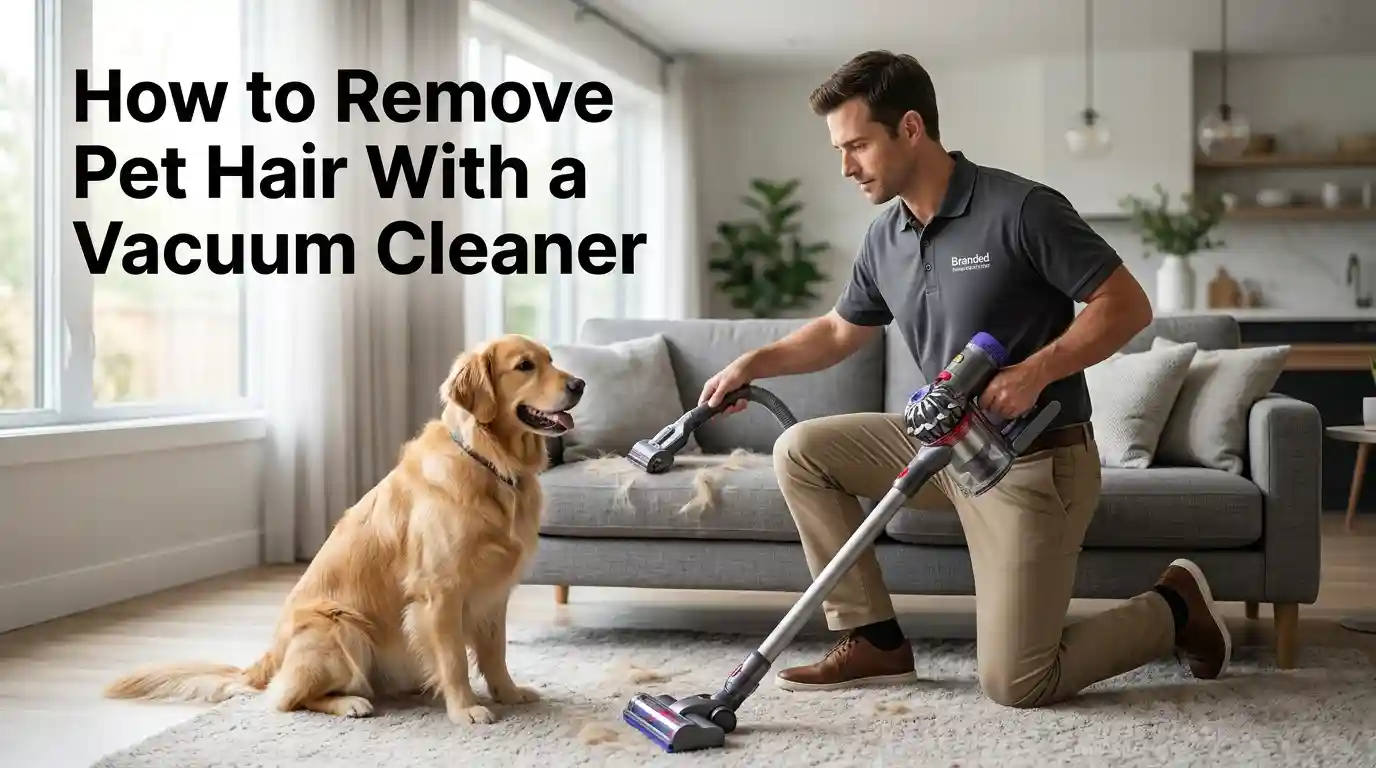
Credit: buffbrite.com
How To Use Your Vacuum Cleaner For Pet Hair
Even the best vacuum won’t work if you use it incorrectly. Here’s a step-by-step method for the most effective cleaning:
1. Prep The Area
- Remove large debris or toys before vacuuming.
- Shake blankets and cushions outdoors to loosen hair.
- If possible, lightly mist carpets or sofas with water (using a spray bottle) to reduce static—don’t soak, just dampen.
2. Choose The Right Setting
- Use “carpet” mode for rugs, which activates deep brush rolls.
- Switch to “hard floor” mode for tile, wood, or vinyl—this prevents scattering hair.
3. Use Proper Attachments
- For sofas: Use a motorized brush or upholstery tool.
- For stairs: Use a smaller brush or handheld unit.
- For corners: Use a crevice tool to reach tight spots.
4. Vacuum Slowly
Move the vacuum slowly over each area. Rushing misses hair trapped deep in fibers. For carpets, go over each section twice, once in each direction.
5. Empty And Clean Regularly
Pet hair fills vacuum bins quickly. Empty after each session, and clean filters weekly if you use the vacuum often. A clogged filter reduces suction and leaves hair behind.
6. Maintenance For Long-term Success
- Check the brush roll for tangled hair every few uses.
- Wash or replace filters as recommended (usually every 3–6 months).
- Inspect hoses for blockages—hair can build up and reduce airflow.
Example Routine
Let’s say you have a Labrador and a cat, both shedding heavily. Vacuum high-traffic areas daily, and deeper clean carpets, sofas, and pet beds twice a week. Use a motorized brush for the sofa and shake pet beds outside before vacuuming.
Practical Tips Most People Miss
Most guides stop at basic steps. Here are advanced tips that make a real difference:
- Vacuum in different directions: Hair tends to lie flat. Going north-south and then east-west lifts more hair.
- Use anti-static sprays: These sprays (available at pet stores) reduce static and help hair release.
- Rubber gloves method: Before vacuuming, put on rubber gloves and run your hand over fabric. Hair clumps together for easier pickup. This is great for sofas and car seats.
- Keep pets groomed: Regular brushing reduces shed hair. Use a slicker brush daily, especially during shedding seasons.
- Clean under furniture: Hair collects under couches and tables. Use your vacuum’s flat tool to reach underneath.
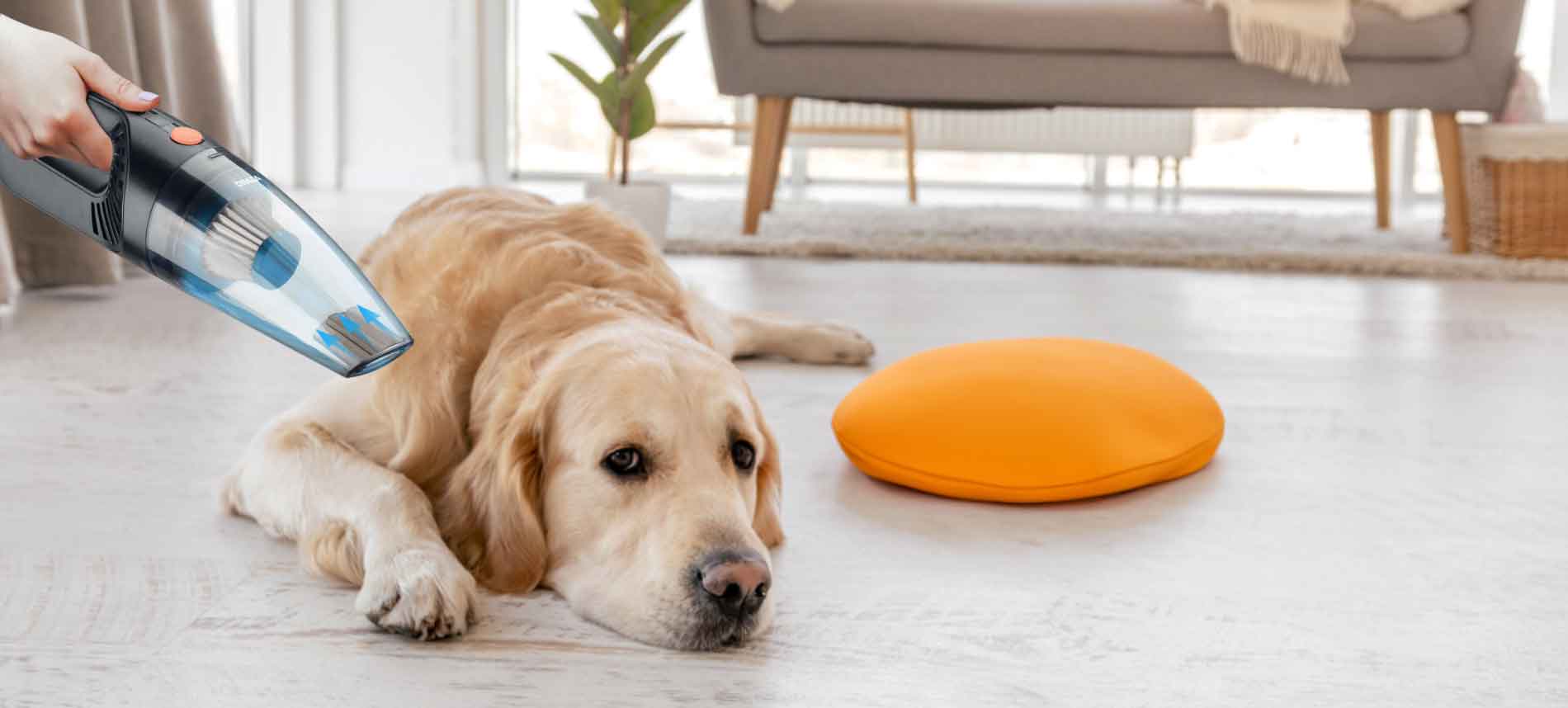
Credit: agarolifestyle.com
Pet Hair Removal For Different Surfaces
Pet hair behaves differently depending on the surface. Here’s how to tackle each:
Carpets And Rugs
- Use a vacuum with a strong brush roll.
- For thick carpets, adjust the height setting so the brush reaches deep.
- Go over each area twice, changing directions.
Hard Floors
- Use a vacuum designed for hard surfaces; avoid brushes that scatter hair.
- For stubborn hair, follow up with a microfiber mop.
Upholstery
- Use a mini motorized brush or upholstery tool.
- Vacuum cushions separately, then the frame.
- For leather sofas, a damp cloth before vacuuming helps.
Curtains And Window Sills
- Use a soft brush attachment.
- Hold the fabric taut to avoid sucking it into the vacuum.
Car Interiors
- Use handheld vacuums with motorized brushes.
- Remove floor mats and vacuum both sides.
- For seats, rubber gloves can loosen hair before vacuuming.
Comparing Pet Hair Vacuum Models
To help you understand differences between popular vacuums, here’s a comparison:
| Model | Suction Power | Filter Type | Attachments | Price |
|---|---|---|---|---|
| Dyson V11 Animal | 220 AW | HEPA | Motorized brush, crevice, mini tool | $600 |
| Shark TruePet | 210 AW | HEPA | Upholstery, pet multi-tool | $300 |
| Bissell Pet Hair Eraser | 120 AW | HEPA | Rubber nozzle, brush tool | $150 |
If you live with heavy shedders, investing in higher suction and more attachments pays off in the long run.
Mistakes To Avoid When Removing Pet Hair
Even experienced pet owners make errors that make cleaning harder. Avoid these:
- Vacuuming too fast: Slow passes pick up more hair.
- Skipping filter maintenance: Clogged filters reduce suction.
- Ignoring furniture: Hair collects on sofas, beds, and curtains.
- Using wrong attachments: Standard floor tools miss hair on fabric.
- Overlooking pet grooming: Less shedding means easier cleaning.
How Often Should You Vacuum For Pet Hair?
Frequency depends on pet type and shedding:
- Daily: High-shedding breeds or multiple pets.
- Twice weekly: Moderate shedding.
- Weekly: Occasional shedding or short-haired pets.
The National Institute of Allergy and Infectious Diseases suggests regular cleaning can reduce allergy symptoms by up to 50%. Remember, more frequent vacuuming also keeps air fresher and lowers odor.
Data: Pet Hair And Health
Pet hair is more than a nuisance—it’s a health concern. Studies show:
- Up to 30% of US allergy sufferers react to pet dander.
- HEPA-equipped vacuums capture 99.97% of particles down to 0.3 microns.
- Regular vacuuming reduces airborne allergens and dust by up to 60%.
For those with asthma or allergies, using a vacuum with a HEPA filter is essential. You can learn more about HEPA filters at Wikipedia.
Maintaining Your Vacuum For Pet Hair
Vacuum cleaners need care when used for pet hair:
- Clean brush rolls every week.
- Replace or wash filters every 3–6 months.
- Inspect hoses for blockages monthly.
- Empty bins after each use.
Neglecting maintenance can cause loss of suction, strange smells, or even motor damage. Always check your user manual for specific instructions.
Alternatives To Vacuuming
Sometimes, vacuuming alone isn’t enough. Consider these extra steps:
- Lint rollers: Quick fixes for clothing and cushions.
- Pet hair remover tools: Rubber brushes or grooming mitts help loosen hair.
- Air purifiers: Reduce airborne dander and hair.
Combining these with regular vacuuming gives the best results.
Frequently Asked Questions
What Vacuum Attachment Works Best For Pet Hair?
The motorized brush or pet upholstery tool removes pet hair most effectively from sofas, beds, and stairs. Rubberized tips help grab hair from fabric.
How Can I Prevent Pet Hair From Clogging My Vacuum?
Empty the vacuum bin after every use and clean filters regularly. Use a vacuum with tangle-free technology to stop hair from wrapping around the brush.
Is A Hepa Filter Necessary For Pet Hair Removal?
Yes, especially for allergy sufferers. HEPA filters capture tiny particles like pet dander, which can cause sneezing and asthma.
Can Vacuuming Remove All Pet Hair?
Vacuuming removes most hair from surfaces, but some stubborn strands may remain. Combine vacuuming with grooming and lint rollers for best results.
How Often Should I Vacuum If I Have Two Shedding Pets?
For two heavy shedders, vacuum daily in high-traffic areas and deep-clean furniture and carpets at least twice a week.
Removing pet hair with a vacuum cleaner is much easier when you have the right tools, follow proper steps, and keep your vacuum well-maintained. With regular cleaning and smart techniques, your home stays fresher, healthier, and free from the mess pets can leave behind.

Credit: www.amazon.com