Plastic cutting boards are found in almost every kitchen. They’re light, affordable, and easy to clean. But over time, these boards develop stains—from tomatoes, carrots, turmeric, meat juices, and more. These marks can look unpleasant and even make your board seem dirty, even after washing. If you’ve struggled with stubborn stains on a plastic cutting board, you’re not alone. Many people simply replace their boards when stains won’t go away, but with the right methods, you can restore your board to a near-new look.
This article will show you how to remove stains from a plastic cutting board, step by step. You’ll learn why stains happen, how to use both simple home solutions and commercial products, and what techniques work best for different types of stains.
Along the way, you’ll find practical tips, real examples, and answers to common questions—so you can enjoy a cleaner, safer kitchen every day.
Why Plastic Cutting Boards Stain
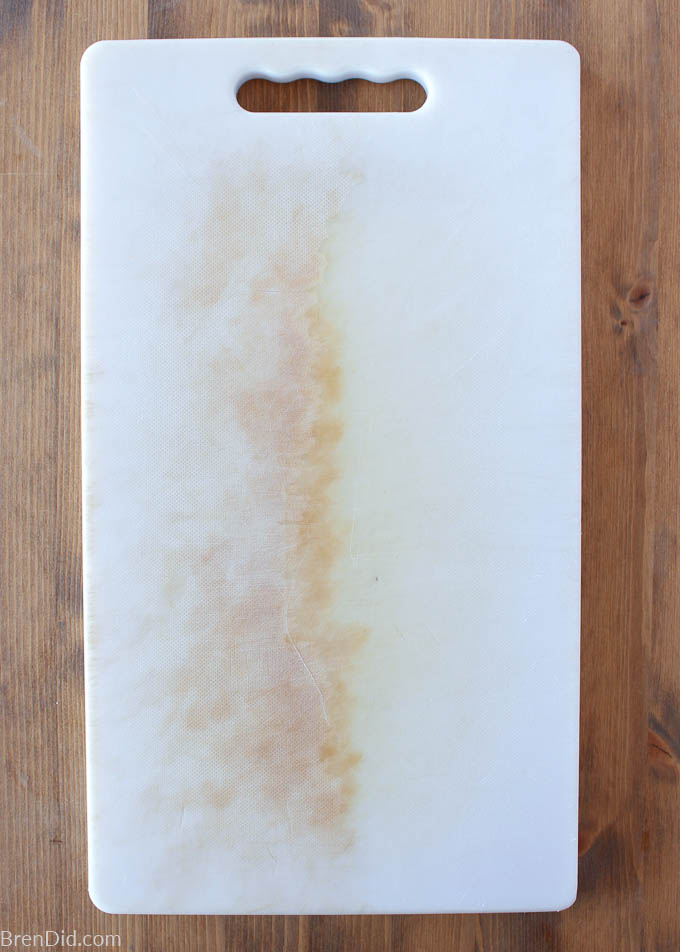
Plastic is non-porous, but not completely stain-proof. Over time, knife cuts create tiny grooves on the surface. These grooves trap food particles, juices, and pigments. Brightly colored vegetables like carrots and beets, oily foods, and spices such as turmeric often leave visible stains. Even washing with soap and water may not remove pigments that settle deep into the scratches.
Some stains are just cosmetic, but others may hold bacteria if not cleaned well. That’s why learning proper stain removal isn’t just about looks—it’s also about food safety.
Essential Tools And Materials
Before you start, gather the right tools. Using the correct materials makes stain removal easier and prevents damage to your cutting board.
You’ll need:
- Dish soap (mild)
- Baking soda
- White vinegar
- Hydrogen peroxide (3% solution)
- Lemon juice
- Salt
- Bleach (unscented, food-safe, 5.25%–6%)
- Plastic scrubbing pad or soft-bristled brush
- Paper towels or clean cloths
- Spray bottle (optional for some solutions)
- Gloves (recommended for bleach or peroxide)
All these items are easy to find at supermarkets or online. Avoid metal scouring pads or harsh abrasives—they can scratch plastic deeper and make stains worse.
Basic Cleaning: First Steps
Always start with a clean board. Sometimes, what looks like a stain is just leftover oil or food residue.
- Wash your board with hot water and dish soap. Use a plastic scrubbing pad to reach into grooves.
- Rinse well under running water.
- Dry completely with a clean towel.
If the stain remains, move to stronger methods.
Home Remedies For Everyday Stains
Many kitchen stains can be removed with items you already have. These home remedies are safe, inexpensive, and often surprisingly effective.
Baking Soda Paste
Baking soda is a gentle abrasive and a natural deodorizer.
- Sprinkle a thick layer of baking soda onto the stained area.
- Add a few drops of water to make a paste.
- Scrub gently with a soft brush or sponge, working the paste into grooves.
- Let it sit for 5–10 minutes.
- Rinse and dry.
This method works well for tomato, beet, and berry stains.
Vinegar And Lemon Juice
White vinegar and lemon juice are both acidic and help break down stains.
- Vinegar method: Soak a paper towel in vinegar and lay it over the stain. Wait 10–15 minutes, then scrub and rinse.
- Lemon juice method: Rub half a lemon over the stain, squeezing as you go. Let the juice sit for 10 minutes before scrubbing.
Lemon is especially good for garlic, onion, and fish odors as well.
Salt And Lemon Scrub
For stubborn stains, combine coarse salt with lemon.
- Sprinkle salt over the stain.
- Rub with half a lemon, using the cut side.
- Scrub in a circular motion. The salt acts as a gentle abrasive.
- Rinse well.
This method not only lifts stains, but also helps sanitize the board.
Credit: brendid.com
Advanced Stain Removal
Some stains are more persistent, especially those from turmeric, carrots, or old, set-in marks. Here’s how to deal with these tough cases.
Hydrogen Peroxide Soak
Hydrogen peroxide (3% solution) is a mild bleach safe for most plastics.
- Pour hydrogen peroxide directly onto the stained area, enough to cover it.
- Let the board sit for 5–15 minutes in a well-ventilated area (or outside).
- Scrub gently, then rinse well.
- Dry fully before next use.
Hydrogen peroxide not only removes stains, but also kills bacteria. Always rinse well to remove any residue.
Bleach Solution (for Food-safe Boards)
If the stain is still there, a diluted bleach solution can help. Use only on white or light-colored boards, as bleach may discolor colored plastics.
- Mix 1 tablespoon of unscented bleach with 1 gallon of water.
- Soak the board for 2–3 minutes. Do not soak longer.
- Scrub and rinse thoroughly with water.
- Dry completely.
Wear gloves, and never mix bleach with vinegar or other cleaners.
You might find this helpful: Best Cutting Boards For Daily Use
Comparison: Home Remedies Vs. Commercial Products
Here’s a comparison of effectiveness, safety, and cost:
| Method | Effectiveness | Cost | Food Safety | Residue Risk |
|---|---|---|---|---|
| Baking Soda Paste | Good for light stains | Low | Safe | None |
| Vinegar/Lemon | Good for organic stains, odors | Low | Safe | None |
| Hydrogen Peroxide | Excellent for tough stains | Low | Safe with rinse | Low |
| Bleach Solution | Best for old stains | Low | Safe with correct dilution | Low |
| Commercial Cleaner | Varies | Medium-High | Check label | Possible |
Using Commercial Cleaning Products
If home remedies aren’t enough, try a commercial plastic-safe cleaner. Read the label to ensure it’s food-safe and intended for kitchen use.
- Look for products labeled “kitchen degreaser”, “plastic board cleaner”, or “food prep surface cleaner”.
- Follow all instructions carefully.
- Rinse the board thoroughly after cleaning.
Some cleaners contain enzymes that break down organic stains. These can be effective for meat or egg stains, but should not replace regular washing.
Credit: www.thekitchn.com
Removing Specific Types Of Stains
Not all stains are the same. Here’s how to handle the most common offenders:
Tomato And Red Sauce Stains
Tomato sauces leave behind orange-red stains. Baking soda paste, hydrogen peroxide, or vinegar work well. For old stains, try a short bleach soak.
Turmeric And Curry
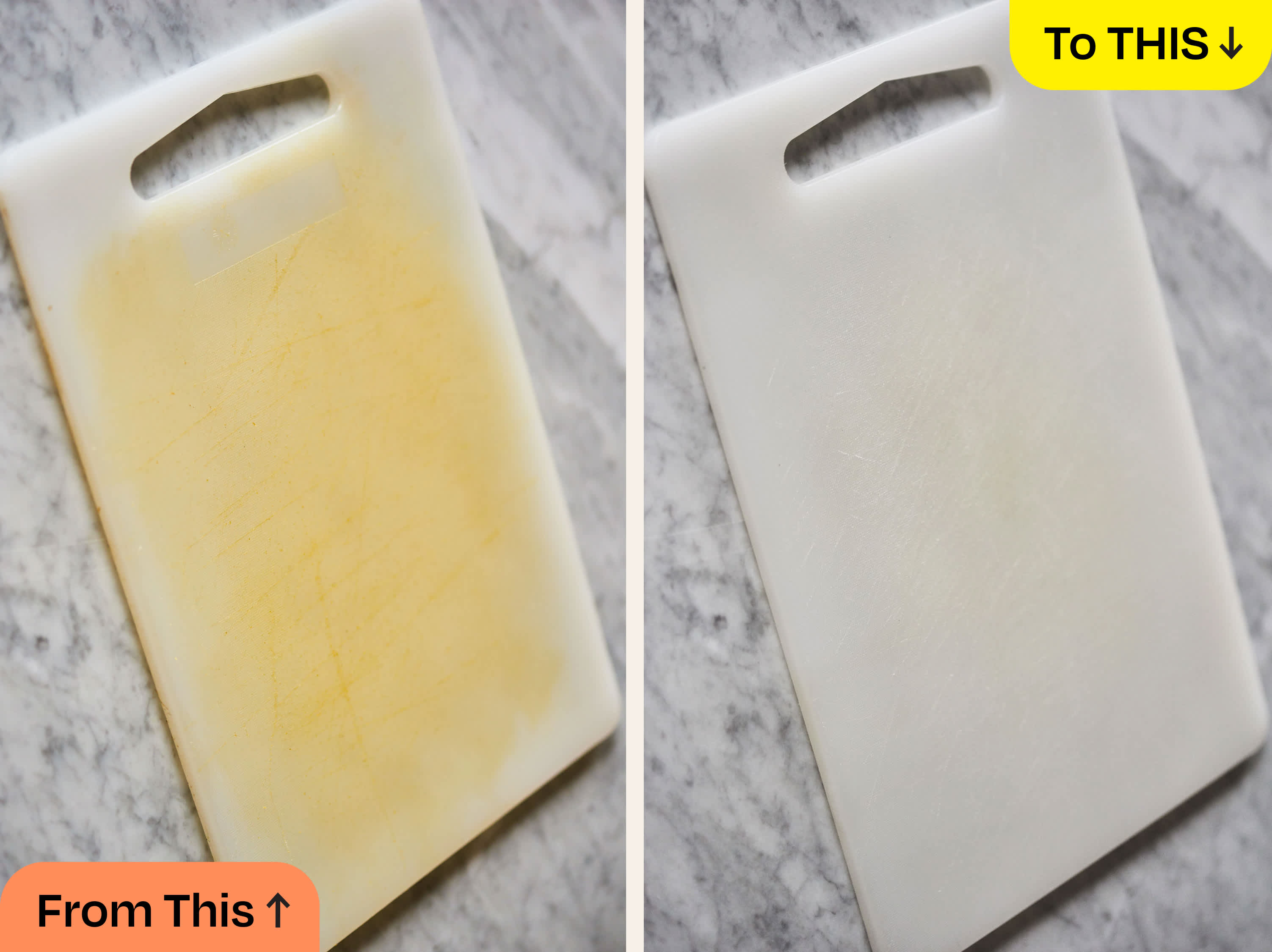
Turmeric can turn plastic yellow, sometimes permanently. Hydrogen peroxide is most effective here. Avoid bleach on colored boards, as it may cause fading.
Onion And Garlic
These usually leave odors more than color. Use lemon juice or vinegar to neutralize smells.
Meat And Fish Juices
Protein stains can set if left too long. Use hot soapy water, followed by a hydrogen peroxide soak to disinfect.
Fruit Juice (berries, Grapes)
Berry stains respond well to baking soda paste or vinegar. For stubborn spots, a hydrogen peroxide treatment is best.
Dealing With Old Or Set-in Stains
If stains have been on your board for weeks or months, they may be harder to remove. Try this multi-step method:
- Wash with hot soapy water.
- Apply a baking soda paste, scrub, and let sit 10 minutes.
- Rinse, then soak in hydrogen peroxide for up to 30 minutes.
- Rinse again and air dry in sunlight if possible (UV light helps fade stains).
If the stain is still there, repeat once. Sometimes, deep stains never fully disappear, but the board is still safe to use if cleaned and sanitized.
How Often Should You Deep-clean?
For home cooks, a monthly deep-clean (using peroxide or bleach) is usually enough if you wash the board after each use. If you cut a lot of raw meat or stain-prone foods, deep-clean every 1–2 weeks.
Restaurant kitchens must clean and sanitize cutting boards much more often to meet food safety standards.
When To Replace Your Plastic Cutting Board
No cleaning method works forever. Over time, deep grooves and stains can build up. Here’s when to replace your board:
- Deep cracks or cuts you can’t clean
- Stains that don’t fade after repeated cleaning
- Bad odors that won’t go away
- Warped or melted areas
A worn board can hold bacteria, even if it looks clean. Most boards last 1–3 years with regular use. If you’re not sure, it’s safer to buy a new one.
Preventing Future Stains
Stopping stains before they start is easier than removing them later. Try these tips:
- Rinse immediately after cutting staining foods.
- Wash right away with hot soapy water.
- Use separate boards for meat, vegetables, and bread.
- Dry thoroughly before storing.
- Sanitize regularly with peroxide or diluted bleach.
You can also rub a light layer of vegetable oil onto your board every few months. This fills small knife grooves and makes stains less likely to stick.
Common Mistakes To Avoid
Many people make cleaning mistakes that actually make stains worse. Watch out for these:
- Using metal scouring pads—they scratch the board more.
- Letting stains sit for hours or days.
- Mixing bleach and vinegar—this creates toxic fumes.
- Using colored cleaning solutions—they can leave new stains.
- Not rinsing thoroughly after cleaning.
One insight: Many beginners scrub too hard, which creates deeper grooves. Scrub gently but thoroughly with the right tools.
Another common mistake is using very hot water with bleach. High heat can break down bleach quickly, making it less effective.
How Stain Removal Methods Compare
Which methods are best for which stains? Here’s a quick visual guide:
| Stain Type | Baking Soda | Vinegar/Lemon | Hydrogen Peroxide | Bleach |
|---|---|---|---|---|
| Tomato/Red Sauce | Good | Good | Excellent | Excellent |
| Turmeric/Curry | Fair | Fair | Excellent | Good |
| Berry/Fruit | Good | Good | Excellent | Good |
| Meat/Fish | Fair | Fair | Good | Excellent |
| Onion/Garlic Odor | Fair | Excellent | Good | Good |
Sanitizing After Stain Removal
Once your board is clean, always sanitize it—especially if you use it for raw meat or fish.
- Use a diluted bleach solution (1 tbsp bleach per gallon of water) or
- Spray with hydrogen peroxide (3%) and let it air dry
This step kills bacteria that may still be in knife grooves. Always rinse and dry after sanitizing.
Real-life Example: Removing A Tough Turmeric Stain
Imagine you made curry and your plastic board turned yellow from turmeric. Washing with soap didn’t help. Here’s a quick rundown of how to fix it:
- First try: Baking soda paste, scrub, rinse. Still stained.
- Next: Lemon juice, let sit 10 minutes, scrub. Slight improvement.
- Best result: Pour 3% hydrogen peroxide on stain, let sit 30 minutes in sunlight, rinse. Most of the yellow fades.
This shows that some stains need several steps. Hydrogen peroxide is often the secret weapon for bright yellow or orange stains.
Environmental Impact: Bleach Vs. Natural Cleaners
Bleach is very effective but can harm the environment if overused. Natural options like baking soda, vinegar, and lemon juice are safer to dispose of. However, for food safety, especially after cutting raw meat, bleach or peroxide is sometimes necessary.
If you’re concerned about the environment, use the mildest method that works, and only use bleach when needed.
Quick Reference: Stain Removal Cheat Sheet
Here’s a handy summary of what to use for each stain type:
| Stain | Best Cleaner | Alternative |
|---|---|---|
| Tomato/Red Sauce | Hydrogen Peroxide | Baking Soda/Vinegar |
| Turmeric | Hydrogen Peroxide | Bleach |
| Berry/Fruit | Hydrogen Peroxide | Lemon Juice/Baking Soda |
| Meat/Fish Juice | Bleach | Hydrogen Peroxide |
| Onion/Garlic Odor | Lemon Juice | Vinegar |
Food Safety: Why Clean Boards Matter
A stained board isn’t just ugly—it can be unsafe. Deep stains often hide bacteria, especially in knife cuts. The USDA recommends cleaning and sanitizing all cutting boards after each use, and replacing boards that develop deep grooves or persistent stains.
If you prep food for children, elderly, or anyone with a weak immune system, be extra careful. Foodborne illnesses can be serious, and a clean board is your first defense.
For more details on food safety and plastic cutting boards, you can read the guidelines from the USDA Food Safety and Inspection Service.

Credit: southgeorgiastyle.com
Frequently Asked Questions
How Do I Remove Old Yellow Stains From My Plastic Cutting Board?
For old yellow stains (often from turmeric or curry), apply a thick layer of 3% hydrogen peroxide and let the board sit for 30 minutes. Rinse well. Sunlight can also help fade yellow stains. Repeat as needed. If the stain won’t go away, it may be permanent, but the board is still safe if sanitized.
Is It Safe To Use Bleach On A Plastic Cutting Board?
Yes, if you use the correct dilution (1 tablespoon bleach per gallon of water). Soak for no more than 2–3 minutes, rinse thoroughly, and dry. Never mix bleach with other cleaners. Only use bleach on white or light-colored boards to avoid discoloration.
Can I Put My Plastic Cutting Board In The Dishwasher?
Most plastic boards are dishwasher-safe. The high heat and detergent help clean and sanitize. However, deep stains may remain, and repeated hot cycles can warp cheaper boards. Always check the manufacturer’s instructions before washing in the dishwasher.
Why Does My Cutting Board Still Smell After Cleaning?
Odors (especially from onion, garlic, or fish) can settle in knife grooves. Rub the board with lemon juice or vinegar, let sit 10–15 minutes, then rinse and dry. For strong smells, try a baking soda paste. If odors persist after several cleanings, consider replacing the board.
How Can I Keep My Cutting Board Looking New?
Rinse and wash immediately after each use, sanitize regularly, and avoid using the board for very hot foods or as a trivet. Dry completely before storing. Oiling the board with a thin layer of vegetable oil every few months can help fill small scratches and prevent stains from sticking.
Plastic cutting boards are a kitchen essential, but stains don’t have to be permanent. With the right cleaning methods, you can keep your board looking bright, safe, and ready for every meal. Whether you’re dealing with red tomato stains, yellow turmeric, or lingering odors, these steps will help you restore and maintain your cutting board for years to come.