Replacing a smoke detector is a task that many homeowners overlook, but it’s essential for keeping your home safe. A working smoke detector can save lives by giving you early warning in case of a fire. If your smoke detector is more than 10 years old, chirping frequently, or not working after you replace the battery, it’s time for a new one.
Replacing a smoke detector may sound technical, but with the right guidance, almost anyone can do it safely and efficiently. This guide covers every step, from choosing the right device to installing and testing it.
Why Replace Your Smoke Detector?
Smoke detectors don’t last forever. Most manufacturers recommend replacing them every 10 years. Over time, sensors become less sensitive, and dust or insects may reduce their effectiveness. According to the National Fire Protection Association, three out of five home fire deaths occur in homes without working smoke alarms. That’s why knowing how to replace a smoke detector is a vital skill for every homeowner or renter.
Types Of Smoke Detectors
Before you buy a new smoke detector, it helps to understand the different types available. Not all smoke detectors work in the same way.
| Type | How It Works | Best For |
|---|---|---|
| Ionization | Uses a small amount of radioactive material to detect smoke particles. | Fast, flaming fires |
| Photoelectric | Uses a light beam; smoke scatters the light and triggers the alarm. | Slow, smoldering fires |
| Dual-Sensor | Combines ionization and photoelectric technology. | General home use |
| Smart/Connected | Links to Wi-Fi or smart home systems for extra features. | Tech-savvy users |
Dual-sensor and smart smoke detectors offer better coverage, but even a basic model is much better than none.
Tools And Materials You’ll Need
Gather these items before starting:
- New smoke detector (check the type and power source)
- Screwdriver (usually Phillips head)
- Ladder or sturdy step stool
- Pencil
- Battery (if required by your new detector)
- Wire nuts (for hardwired models)
- Wire stripper (for hardwired models)
- Safety goggles and dust mask (optional)
Tip: Buy your replacement smoke detector before removing the old one. That way, you can compare sizes and wiring.
Checking Your Existing Smoke Detector
Before removing anything, check what kind of smoke detector you have.
- Look at the power source. Is it battery-operated or hardwired into your home’s electrical system?
- Check the brand and model. This is usually printed on the back or side.
- Note the mounting system. Some models twist off, others need screws removed.
- Inspect for interconnect wires. Some hardwired detectors have extra wires that link multiple alarms.
This information will help you buy the right replacement and install it safely.

Credit: support.firstalert.com
Choosing The Right Replacement Smoke Detector
Here’s what matters when picking a new smoke detector:
| Feature | Why It Matters | What to Look For |
|---|---|---|
| Power Source | Must match your current setup | Battery, hardwired, or both |
| Sensing Technology | Affects what kinds of fires it detects | Ionization, photoelectric, dual-sensor |
| Interconnectivity | For multi-alarm setups | Wired or wireless linking |
| Smart Features | Remote alerts, voice, app control | Wi-Fi, app compatibility |
| Mounting Style | Ease of installation | Twist-on, screw mount, bracket |
Common mistake: Choosing a different power type (for example, buying a battery model to replace a hardwired one) usually means more work or incompatible installation.
Step-by-step Guide: How To Replace A Smoke Detector
1. Turn Off Power (for Hardwired Models)
If you have a hardwired smoke detector, first turn off the power at your home’s electrical panel. Flip the correct circuit breaker to avoid shocks.
Safety first: Never work on wiring with the power on.
2. Remove The Old Smoke Detector
- Stand on your ladder or stool to reach the detector.
- Twist or unscrew the old detector from its base.
- If there are wires, gently pull the detector down to expose them.
- Disconnect the wires. Most use plastic plug connectors. Squeeze and pull gently.
- If the base is held by screws, remove those and take off the old mounting plate.
Non-obvious insight: Take a photo of the wiring before disconnecting. This helps when connecting the new one.
3. Install The New Mounting Plate
- Hold the new mounting plate in place.
- Use a pencil to mark screw holes if new holes are needed.
- Screw the plate into the ceiling or wall. If you use the old holes, installation is faster.
- For battery models, this step is usually simple. For hardwired models, line up the wire holes.
Tip: Don’t overtighten screws; it may crack the mounting plate.
4. Connect The Wiring (for Hardwired Models)
- Match wire colors (usually black to black, white to white, and a third color for interconnect).
- Use wire nuts to connect if your new detector does not have plug connectors.
- Tuck wires neatly into the ceiling or wall box.
- Plug the detector’s connector into the wiring harness.
Common mistake: Forgetting the interconnect wire means your alarms won’t all sound together.
5. Attach The New Smoke Detector
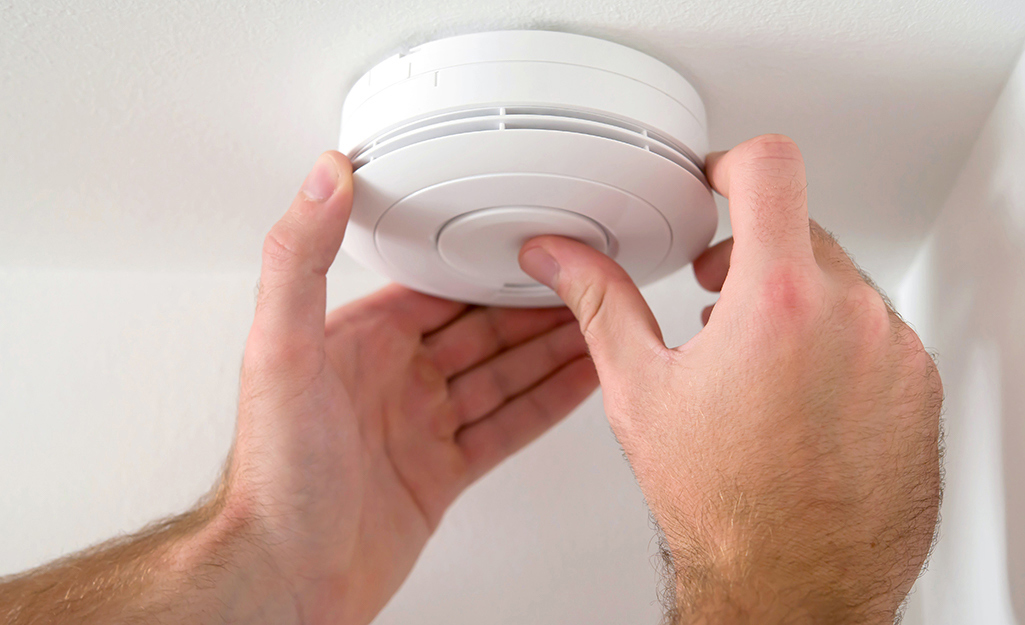
- Twist or snap the new detector onto its base.
- If it needs a battery, insert it now.
- Make sure it’s secure and flush with the ceiling or wall.
6. Turn Power Back On (for Hardwired Models)
Return to your electrical panel and flip the circuit breaker back on.
7. Test The New Smoke Detector
Press the test button on your new smoke detector. You should hear a loud alarm. If you don’t, check the battery, wiring, or installation.
Important: Test each smoke detector monthly and replace batteries at least once a year.
Extra Tips For A Safe Installation
- Always use a UL-listed smoke detector for safety.
- If you’re unsure about wiring, ask a licensed electrician.
- Never paint your smoke detector or cover it with decorations.
- Keep detectors away from windows, doors, and ducts to avoid false alarms.
Non-obvious insight: Install smoke detectors on the ceiling or high on the wall, but not within 4 inches of the corner where the wall meets the ceiling. Smoke may not reach these “dead air” spaces quickly.
When To Replace More Than One Detector
If your home’s detectors are all the same age, consider replacing them all at once. Newer models can interconnect wirelessly, even if your old ones could not. This adds safety and may reduce installation time in the future.
Troubleshooting Common Problems
Sometimes things don’t go as planned. Here’s a quick guide to solving typical issues.
| Problem | Possible Cause | Solution |
|---|---|---|
| Detector chirps after installation | Low battery or loose wiring | Replace battery or check connections |
| Alarm won’t fit base | Wrong brand/model | Return and match old base or swap plate |
| No power to detector | Tripped breaker or wiring issue | Reset breaker, check wiring, call electrician |
| False alarms | Near kitchen, bathroom, or vent | Relocate detector or use photoelectric type |
How Often Should You Replace Smoke Detectors?
Manufacturers and the US Fire Administration recommend replacing every 10 years, even if the alarm still sounds during tests. The sensor may be less sensitive, which can delay alarms. Write the installation date on the detector with a permanent marker. This simple habit helps you track when to replace it next.
Signs It’s Time To Replace
- The detector is over 10 years old (check the manufacture date on the back).
- It chirps even after battery changes.
- It fails the monthly test.
- It’s yellowed, damaged, or missing parts.
Ignoring these signs can put you and your family at risk.
Recycling Or Disposing Of Old Smoke Detectors
Some smoke detectors contain small amounts of radioactive material or electronic components. Many local recycling centers accept them, but you should check local rules. Do not throw ionization detectors in regular trash if your area prohibits it.
If unsure, visit the manufacturer’s website or contact your city’s waste department. For more information on safe disposal and local programs, you can check the EPA’s official guidelines.

Credit: www.swflelectric.com
What If You’re Replacing A Smart Smoke Detector?
Smart smoke detectors have extra features, such as mobile alerts, voice instructions, or home automation connections. The replacement steps are similar, but you’ll also need to:
- Connect the device to your Wi-Fi.
- Download and set up the app on your phone.
- Test remote notifications and features.
If you upgrade to a smart detector, make sure your Wi-Fi signal is strong where you install it.
Cost Of Replacing A Smoke Detector
The price of a smoke detector ranges from $10 for basic models to $100+ for smart models. Hardwired detectors with battery backup typically cost $15–$50. If you hire an electrician, labor can add $75–$150 per unit.
Tip: Replace all detectors at once to save on labor costs if you’re using a professional.
Final Thoughts
Replacing your smoke detector is one of the simplest, most effective ways to protect your home. Modern detectors are affordable and easy to install. Check your detectors today—if they’re old or unreliable, don’t wait. The peace of mind you gain is worth the small effort and cost.
Frequently Asked Questions
How Do I Know If My Smoke Detector Needs Replacing?
Most smoke detectors have a manufacture date on the back. If it’s over 10 years old, replace it. Other signs include constant chirping, failing tests, or visible damage.
Can I Replace A Hardwired Smoke Detector Myself?
Yes, if you’re comfortable with basic electrical work. Always turn off the power first. If you’re unsure, it’s safest to hire a licensed electrician.
What’s The Difference Between Ionization And Photoelectric Detectors?
Ionization detectors are better for detecting fast, flaming fires, while photoelectric detectors excel at catching slow, smoldering fires. Dual-sensor models combine both types for best protection.
How Many Smoke Detectors Should I Have In My Home?
The NFPA recommends one on every level, inside each bedroom, and outside sleeping areas. Larger homes may need more.
Where Can I Find More Information About Smoke Detector Safety?
You can visit the National Fire Protection Association for trusted guidance on smoke alarm safety and placement.
Credit: www.homedepot.com