Your refrigerator is always running. It works 24 hours a day, quietly keeping your food cold. But this convenience comes at a price: electricity bills. Many people do not realize that the refrigerator can use more power than almost any other appliance in the home. In fact, the US Department of Energy says refrigerators account for about 13% of household electricity use. Small changes to how you use and care for your fridge can make a big difference in saving electricity. If you want to cut costs and help the environment, you’re in the right place.
This guide will show you practical ways to save electricity with your refrigerator. You’ll learn which habits waste energy, which features matter most, and how to make smart choices for your kitchen. Even simple actions can add up to big savings over time.
Whether you have a new fridge or an older model, you’ll find useful advice here.
Understanding Refrigerator Electricity Use
Before you can save electricity, it helps to know how your refrigerator uses power. Most household fridges use between 100 and 800 kWh per year. The actual amount depends on:
- Size: Larger refrigerators use more energy.
- Age: Older units are often less efficient.
- Type: Side-by-side and French door models often use more power than top-freezer models.
- Temperature settings: Lower temperatures mean more electricity used.
Here’s a quick comparison of common refrigerator types and their average annual energy consumption:
| Refrigerator Type | Average Annual kWh | Typical Size (cu. ft.) |
|---|---|---|
| Top-Freezer | 400–500 | 14–18 |
| Side-by-Side | 600–800 | 20–25 |
| Bottom-Freezer | 500–650 | 18–25 |
| French Door | 700–900 | 22–28 |
Older refrigerators can use twice as much electricity as newer, efficient models. If your fridge is more than 10 years old, it’s likely costing you extra money every month.
Set The Right Temperature
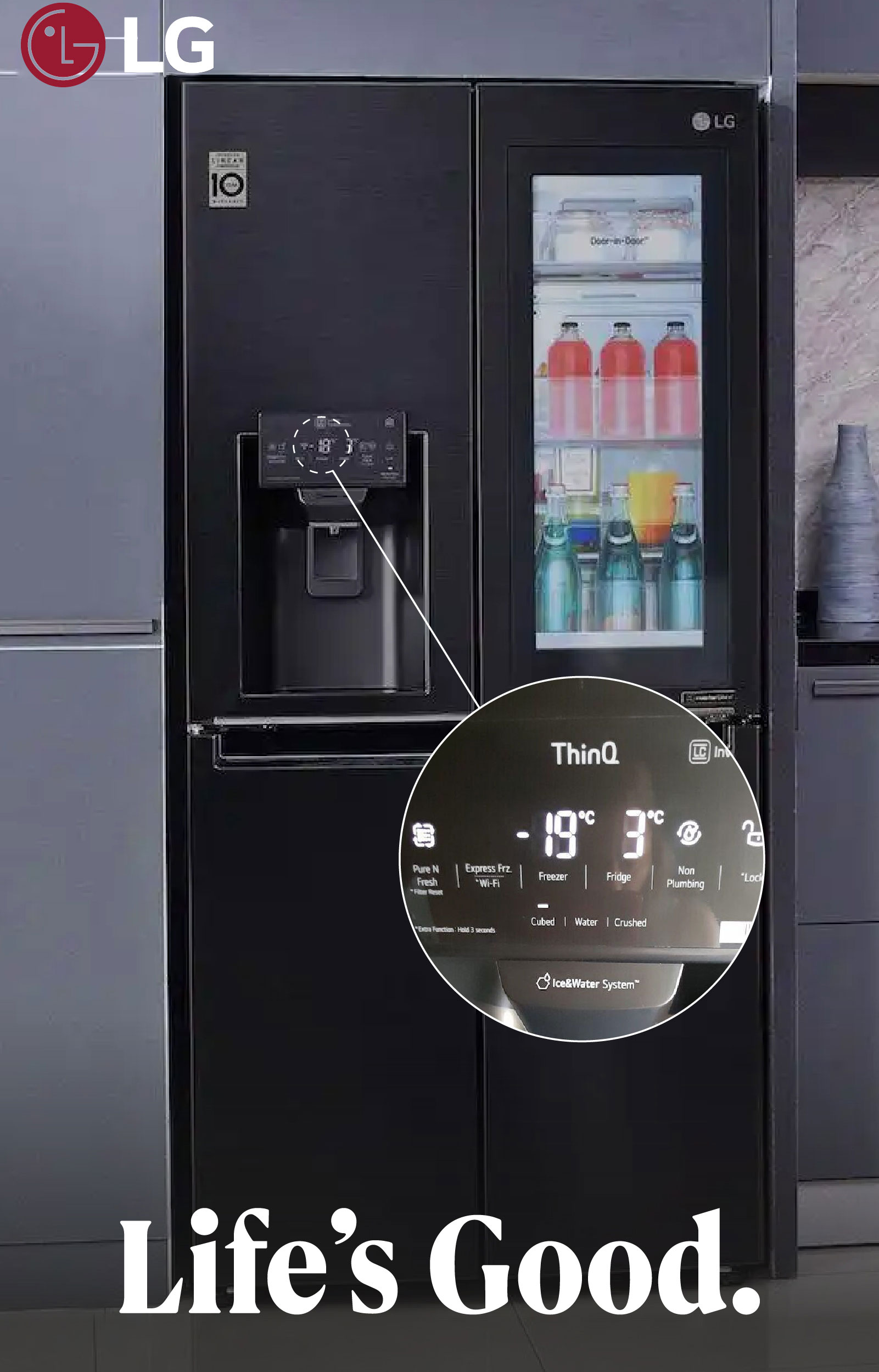
Many people set their fridge and freezer too cold, thinking it’s safer. But this wastes energy. The recommended settings are:
- Refrigerator: 37°F to 40°F (3°C to 4°C)
- Freezer: 0°F (-18°C)
If your fridge is colder than needed, it works harder and uses more electricity. Use a simple fridge thermometer to check your settings. Adjust until you reach the recommended range. This will keep your food safe and save power.
Why Temperature Matters
Every degree lower increases energy use by about 5%. So, setting your fridge to 35°F instead of 40°F can raise your bill. Keeping the temperature just right is one of the easiest ways to save.
Credit: www.lg.com
Keep Your Fridge Full, But Not Overloaded
A full refrigerator is more efficient than an empty one. Cold items help keep each other cool, so the fridge doesn’t have to work as hard. But if you overload it, air cannot circulate properly. This makes the compressor run more often.
Try to keep your fridge about two-thirds full. If you don’t have enough food, place water bottles or pitchers inside to fill space. This improves efficiency without blocking airflow.
Examples And Practical Tips
- After grocery shopping, your fridge works less because it’s full.
- If you’re going away, add bottles of water to keep the fridge stable.
- Avoid stuffing food into every corner—leave space between items.
Clean The Coils Regularly
The condenser coils at the back or bottom of your refrigerator are critical. These coils remove heat from inside the fridge. If they’re covered in dust or dirt, the compressor must work harder, using more electricity.
Clean the coils at least every 6 months. Unplug the fridge first. Use a vacuum or brush to remove dust. This small task can cut energy use by up to 25% in some cases.
Common Mistakes
- Many people never clean the coils, not realizing it affects efficiency.
- Placing the fridge too close to the wall restricts airflow to the coils.
Credit: shop.haierindia.com
Minimize Door Opening
Every time you open the refrigerator door, cold air escapes and warm air enters. The fridge then uses extra energy to cool down again. Try to:
- Decide what you want before opening the fridge.
- Keep frequently used items together.
- Avoid standing with the door open.
For families, encourage everyone to grab multiple items at once. This simple habit can reduce energy waste.
Organize Your Food
Organizing your fridge not only saves time but also saves electricity. When items are easy to find, you spend less time with the door open. Group similar foods together—dairy, meats, vegetables. Use clear containers so you can see what’s inside.
If your fridge has adjustable shelves, set them to make access easier. This reduces unnecessary searching and keeps cold air inside.

Credit: www.youtube.com
Defrost Your Freezer
If your freezer is not “frost-free,” ice can build up inside. Thick ice makes the freezer work harder. When frost is more than quarter-inch (6mm) thick, it’s time to defrost.
Turn off the freezer, remove food, and let the ice melt. Clean up water and restart. Regular defrosting can lower electricity use by 15%.
Check Door Seals
The door seals (gaskets) keep cold air inside. If they are cracked or loose, air leaks out and the fridge uses more power. Test the seal by closing the door on a dollar bill. If you can pull it out easily, the seal is weak.
Replace damaged seals. This can save electricity and keep food safe.
Choose The Right Location
Where you place your refrigerator matters. Avoid putting it:
- Next to ovens, dishwashers, or other heat sources
- In direct sunlight
- Against a wall without space for airflow
The best spot is a cool, shaded area with room behind and on the sides. More heat means more work for the fridge.
Here’s how location affects energy use:
| Location | Estimated Increase in Electricity Use | Notes |
|---|---|---|
| Next to Oven | +15% | Heat from oven affects compressor |
| Direct Sunlight | +10% | Sun warms exterior |
| Cool, Shaded Spot | Baseline | Most efficient |
Don’t Put Hot Food Inside
Putting hot leftovers directly into the fridge forces it to work harder. Let food cool to room temperature first. This reduces the sudden load and saves energy.
Practical Example
If you cook soup, let it sit uncovered for 30–60 minutes before refrigerating. Cover and store once it’s cool. This simple step adds up over time.
Replace Old Refrigerators
If your fridge is over 10 years old, it may use twice as much electricity as a modern unit. New refrigerators with ENERGY STAR labels are designed for efficiency. Upgrading can save $50–$100 per year in energy costs.
Here’s a comparison:
| Year Purchased | Estimated Annual kWh | Annual Cost ($) |
|---|---|---|
| 1995 | 1200 | 144 |
| 2010 | 600 | 72 |
| 2023 ENERGY STAR | 350 | 42 |
If you can afford it, replacing an old fridge is one of the best ways to save electricity. But even with a new model, the tips in this guide still help.
Avoid Extra Features You Don’t Need
Modern refrigerators offer features like ice makers, water dispensers, and digital displays. These extras use more electricity. If you want to save, choose a model with basic features.
- Ice makers can increase energy use by up to 20%
- Through-the-door water dispensers add extra power needs
If you already have these features, use them only when necessary. Turn off ice makers if not used often.
Smart Habits For Daily Savings
Small daily actions make a big impact over time. Here are some habits to build:
- Wipe spills quickly to avoid sticky seals.
- Keep the fridge organized.
- Check temperatures monthly.
- Clean coils regularly.
- Defrost freezer as needed.
Many people forget regular maintenance. Setting reminders can help you stay efficient.
Use Power-saving Modes
Some modern refrigerators have eco modes or power-saving settings. These adjust temperature and compressor speed during low usage times (like overnight). Check your fridge’s manual to see if this feature exists.
If your refrigerator has vacation mode, use it when you’re away for a week or more. This lowers energy use while keeping food safe.
Consider Solar Power
If you live in a sunny area, you can offset your refrigerator’s electricity use with solar panels. Even a small system can cover the fridge’s annual energy. This is a bigger investment, but it’s worth considering for long-term savings and environmental benefits.
For more information about solar efficiency and appliance use, you can visit Energy.gov.
Frequently Asked Questions
How Much Electricity Does A Refrigerator Use Per Month?
A typical household refrigerator uses 30–70 kWh per month. The exact amount depends on age, size, and settings. Newer models are more efficient.
Should I Unplug My Fridge When Not In Use?
If you’re away for weeks and the fridge is empty, unplugging can save electricity. But for regular use, it’s not practical. Fridges must run continuously to keep food safe.
Does A Full Fridge Use Less Electricity Than An Empty One?
Yes, a full fridge is more efficient. Cold items help keep the temperature stable. But avoid overfilling—air needs to circulate.
How Often Should I Clean The Coils?
Clean the condenser coils every 6 months. If you have pets or live in a dusty area, clean more often. Dirty coils make the fridge use more power.
Are Older Refrigerators Less Efficient?
Absolutely. Old fridges can use twice as much power as new ENERGY STAR models. Upgrading can save money and reduce your environmental impact.
Saving electricity with your refrigerator is not complicated. With a few smart habits and basic maintenance, you can reduce your energy bills and help the planet. Start with the tips that are easiest for you, and build from there. Over time, you’ll notice the difference in your wallet—and feel good about your choices.