Skip to content
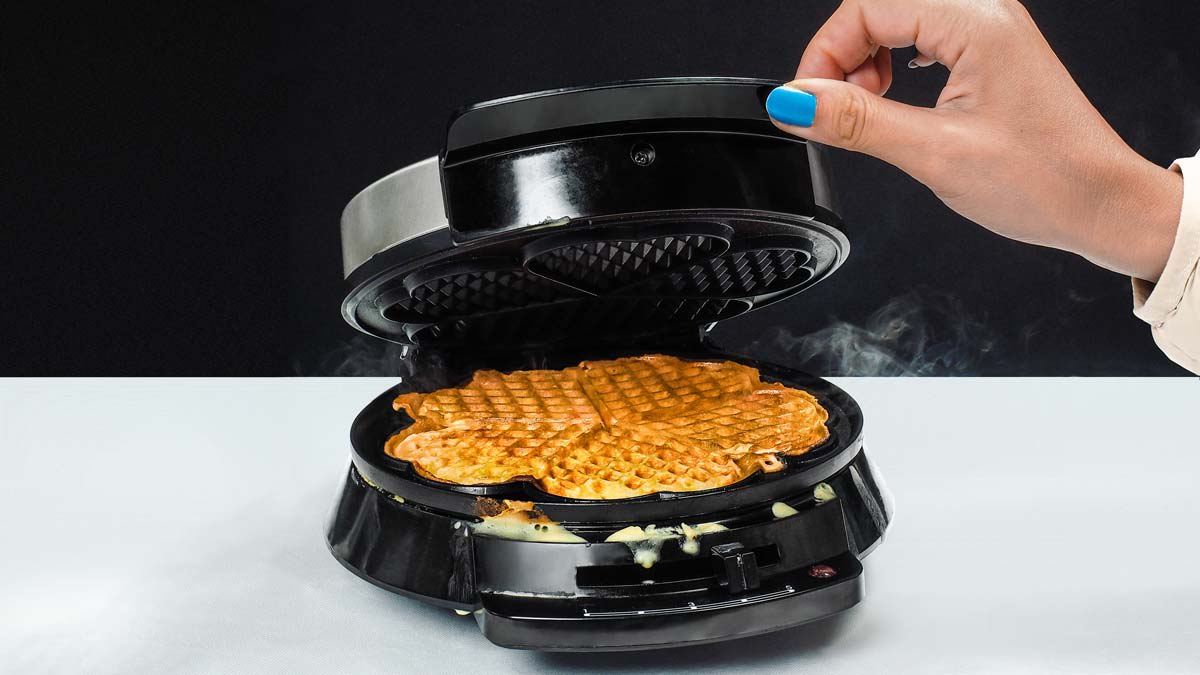
Seasoning a waffle maker is a step many people skip, but it’s key for making crispy waffles and protecting your appliance. If you’ve ever had waffles stick to the iron, or noticed a dull, rusty surface, you know how frustrating it can be. Proper seasoning keeps your waffle maker non-stick, helps it last longer, and makes cleaning much easier.
Whether your waffle maker is brand new or you want to refresh an old one, learning how to season it can transform your breakfast experience. Let’s explore the steps, mistakes to avoid, and tips to get the best results.
Why Seasoning Matters For Waffle Makers
Seasoning is not just for frying pans. Your waffle maker—especially if it’s cast iron or uncoated metal—needs a protective layer to prevent sticking. This layer is made from oil baked onto the surface, creating a natural non-stick finish. For non-stick, modern electric waffle makers, seasoning may not be essential, but it can still help extend the life of the coating.
Benefits Of Seasoning
- Non-stick surface: Waffles release easily, reducing frustration.
- Rust prevention: Oil blocks moisture, protecting metal parts.
- Easy cleaning: Food doesn’t bond to the metal, so you spend less time scrubbing.
- Flavor boost: Well-seasoned waffle makers can add subtle depth to your waffles.
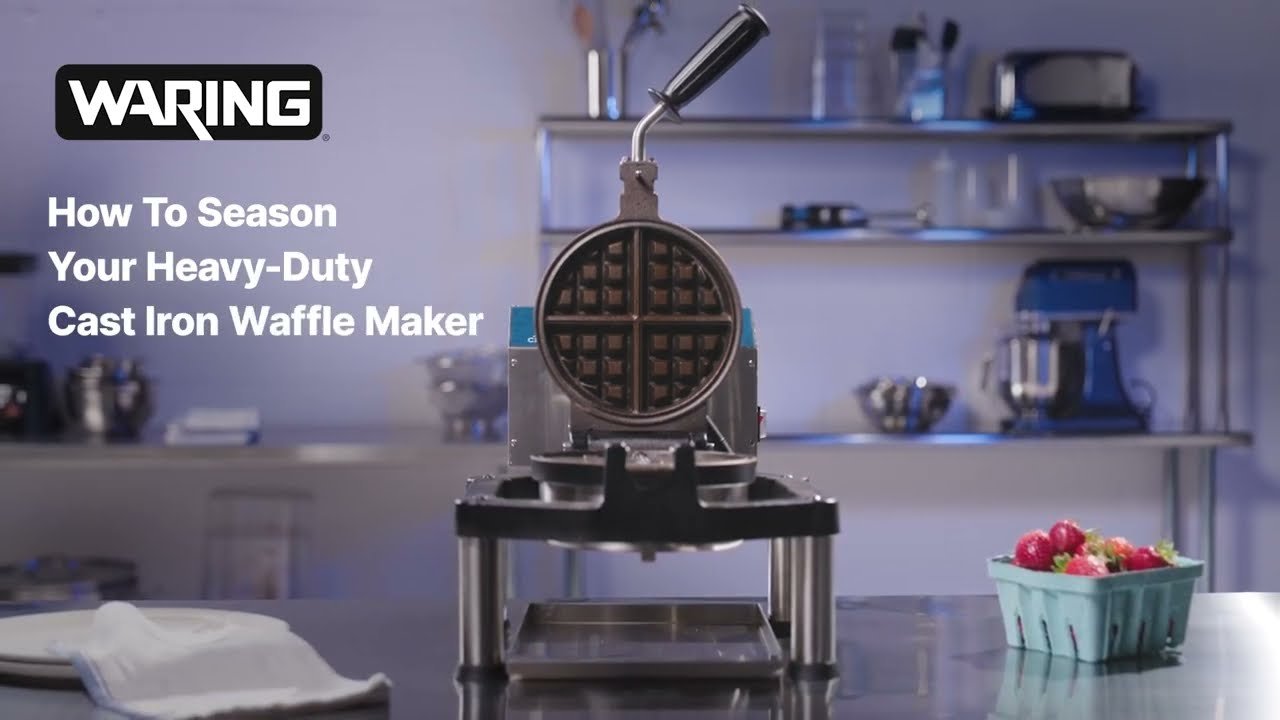
Seasoning is especially important for cast iron waffle makers. These models rely on oil for their non-stick properties. Even modern electric waffle makers with Teflon or ceramic coatings benefit from a light oil layer, as it fills tiny scratches and helps the coating last.
What You Need Before You Start
Getting ready is simple, but choosing the right tools and products is important. Here’s what you’ll need:
- Waffle maker (cast iron or electric)
- Oil: Choose neutral oils like canola, vegetable, or flaxseed. Avoid butter or olive oil—they burn and leave residue.
- Paper towels or clean cloths
- Brush: Silicone or pastry brush for spreading oil
- Oven (for cast iron models)
- Soft sponge for cleaning
Oil Comparison Table
Picking the right oil makes a difference in the seasoning layer. Here’s a quick comparison:
| Oil Type | Smoke Point (°F) | Flavor | Seasoning Quality |
|---|---|---|---|
| Canola | 400 | Neutral | Good, affordable |
| Vegetable | 400 | Neutral | Good, affordable |
| Flaxseed | 225 | Nutty | Excellent, but pricey |
| Olive | 375 | Strong | Poor for seasoning |
| Butter | 350 | Rich | Poor for seasoning |
Flaxseed oil creates a very strong, hard layer, but it’s more expensive and harder to find. Canola and vegetable oils are perfect for most users.
Step-by-step: How To Season A Waffle Maker
Let’s break down the process for both cast iron and electric waffle makers. The method is similar, but there are important differences.
For Cast Iron Waffle Makers
- Clean thoroughly: Wash with warm water and a soft sponge. Avoid soap if possible, as it can strip the seasoning. Dry completely.
- Apply oil: Using a brush or paper towel, spread a thin layer of oil on all surfaces, including crevices.
- Bake in oven: Preheat to 350°F (175°C). Place the waffle maker upside down (to avoid pooling) on a rack, with a tray underneath to catch drips. Bake for 1 hour.
- Cool slowly: Turn off the oven and let the waffle maker cool inside for another hour. This helps the oil bond to the metal.
- Repeat (optional): For new or rusty makers, repeat steps 2–4 up to 3 times. Each layer makes the surface more non-stick.
For Electric Waffle Makers
- Clean gently: Use a damp cloth or sponge. Avoid soaking or harsh scrubbing.
- Apply oil: Use a brush or paper towel to coat the plates lightly. Don’t use too much oil—excess can drip and damage the electronics.
- Heat briefly: Plug in and turn on the waffle maker, letting it heat for about 5–10 minutes. The oil will bond to the coating.
- Wipe excess oil: Once cool, wipe away any extra oil. Repeat every few months or after deep cleaning.
Tip: Never immerse electric waffle makers in water. Always unplug before cleaning.
Common Mistakes And How To Avoid Them
Even experienced cooks make mistakes when seasoning waffle makers. Here are some pitfalls to watch for:
- Using too much oil: A thick layer turns sticky and attracts dust. Always use a very thin coat.
- Wrong oil choice: Oils with low smoke points burn, leaving a sticky residue.
- Skipping drying: Moisture under the oil leads to rust.
- Not repeating the process: One layer is often not enough for cast iron.
- Using soap on cast iron: Soap removes the seasoning layer.
- Applying oil while cold: Heating the appliance helps oil bond better.
Table: Mistake Vs. Solution
| Mistake | Result | How to Fix |
|---|---|---|
| Too much oil | Sticky residue | Use thin coats, wipe excess |
| Wrong oil | Burned layer | Choose high smoke point oils |
| Wet surface | Rust | Dry fully before oiling |
| Soap use | Lost seasoning | Use water only for cast iron |
| Cold application | Poor bonding | Heat appliance after oiling |
Credit: www.consumerreports.org
How Often Should You Season?
For cast iron waffle makers, season every few months or whenever you notice sticking or dullness. New waffle makers may need several initial layers, while older ones benefit from a refresh when waffles start sticking.
For electric waffle makers, a light oiling every 3–6 months or after deep cleaning is enough. Over-seasoning can cause buildup, so keep it minimal.
Non-obvious insight: Seasoning frequency depends on use and cleaning habits. If you wash your waffle maker often, you need to season more often. If you only wipe it clean, the layer lasts longer.
Cleaning And Maintenance After Seasoning
A well-seasoned waffle maker is easy to clean, but you must use the right methods to preserve the layer.
- After each use: Wipe with a dry paper towel. For stuck bits, use a soft brush.
- Deep cleaning: For cast iron, avoid soap. Use a salt scrub (mix coarse salt with a little water) to remove tough residue. For electric, unplug and wipe with a damp cloth.
- Storage: Store in a dry place. For cast iron, leave the plates slightly open to avoid moisture buildup.
Non-obvious insight: Never store your waffle maker with the plates closed if it’s still wet. Even a small amount of moisture can lead to rust under the seasoning.
Troubleshooting: Sticky Waffles And Uneven Cooking
If your waffles stick or cook unevenly, it could be a seasoning issue, but other factors might be involved.
- Sticky waffles: Usually means the oil layer is too thin or has been washed away. Re-season with a thin coat.
- Uneven cooking: Check for oil buildup or crumbs blocking the plates. Clean and re-season.
- Rust spots: Remove rust with a soft brush, wash, dry, and apply oil. Re-bake for cast iron models.
Quick Troubleshooting Table
| Problem | Possible Cause | Solution |
|---|---|---|
| Waffles stick | Lost seasoning | Clean, dry, re-season |
| Uneven browning | Oil buildup | Wipe plates, re-season |
| Rust appears | Moisture trapped | Remove rust, re-season |
| Strange flavors | Old oil residue | Clean, use fresh oil |
Comparing Cast Iron Vs Electric Waffle Makers For Seasoning
Understanding the differences helps you choose the right approach.
| Feature | Cast Iron | Electric |
|---|---|---|
| Seasoning Needed | Essential | Optional, but helpful |
| Best Oil | Canola, flaxseed | Canola, vegetable |
| Cleaning Method | No soap, salt scrub | Damp cloth, mild soap |
| Longevity | Decades with care | 5–10 years |
| Troubleshooting | Re-season often | Clean plates, light oil |
Cast iron waffle makers can last a lifetime if seasoned and cleaned well. Electric waffle makers are easier to use but need careful oiling to avoid damage.
Credit: www.youtube.com
Expert Tips For Perfect Seasoning
- Use flaxseed oil for the hardest, most durable layer—but only if you can handle the extra cost.
- Always preheat cast iron before applying oil. Warm metal bonds oil better.
- Don’t rush cooling. Slow cooling in the oven after seasoning produces a smoother finish.
- For electric models, wipe off excess oil after heating. Too much oil damages non-stick coatings.
- If your waffles start sticking, don’t panic. A single re-seasoning session often solves the problem.
For more in-depth cast iron seasoning techniques, check Serious Eats.
Frequently Asked Questions
How Do I Know If My Waffle Maker Needs Seasoning?
If your waffles stick, or the plates look dull or rusty, it’s time to season. For new cast iron models, seasoning is a must before first use. Electric waffle makers may not need it unless the non-stick coating wears down.
Can I Use Butter To Season My Waffle Maker?
No. Butter burns at low temperatures and leaves sticky residue. Use canola or vegetable oil for best results.
How Often Should I Season My Waffle Maker?
For cast iron, season every 2–4 months or after deep cleaning. For electric models, every 3–6 months or when sticking occurs. If you clean often, you may need to season more frequently.
What’s The Best Oil For Seasoning?
Flaxseed oil creates the hardest layer, but canola and vegetable oils are more affordable and effective. Avoid oils with strong flavors or low smoke points.
Is It Safe To Use Soap On My Waffle Maker?
For cast iron, avoid soap—it removes the seasoning. For electric models with non-stick coatings, mild soap is fine, but never soak the appliance or let water get into electrical parts.
Seasoning your waffle maker is simple, but it makes a big difference in how your waffles taste and how easy your kitchen cleanup becomes. Taking a few minutes to season properly can give you years of great breakfasts and less frustration.
Credit: www.youtube.com