Steaming food in the microwave is a smart way to cook meals quickly and healthily. Unlike boiling or frying, steaming helps preserve the flavor, color, and nutrients of vegetables, fish, and other foods. Many people think steaming needs special equipment, but your microwave can do the job with simple tools.
Whether you are busy, new to cooking, or just want a faster dinner, learning how to steam food in the microwave can make your kitchen life much easier.
Microwave steaming offers more than just convenience. It uses less water and energy compared to stovetop steaming. This method is perfect for anyone who wants to eat better without spending hours in the kitchen. You do not need fancy steamers or complicated recipes—just a microwave-safe container, water, and fresh ingredients.
In this article, you will discover step-by-step instructions, practical tips, and common mistakes to avoid. You will also see real examples, data, and comparisons, so you can feel confident trying microwave steaming at home.
What Is Microwave Steaming?
Microwave steaming is a cooking technique where you use the microwave’s heat and a small amount of water to create steam. The steam cooks the food gently, making it tender and juicy. Unlike boiling, the food does not sit in water, which helps keep its nutrients inside.
Microwave steaming works by trapping steam inside a closed container. The hot steam circulates, cooking the food evenly and quickly. You can steam vegetables, fish, chicken, dumplings, and even some grains. This method is ideal for people who want healthy meals in less time.
How To Steam Food In The Microwave: Step-by-step
Steaming food in the microwave is simple if you follow the right steps. Here is a practical guide:
- Prepare the Food
- Wash and cut your food into equal-sized pieces. Smaller pieces steam faster and more evenly.
- Place the food in a microwave-safe dish. Avoid metal or plastic containers not labeled as microwave-safe.
- Add Water
- Pour a small amount of water (about 2–3 tablespoons) into the dish. Enough to create steam, but not to cover the food.
- For grains or dumplings, you may need more water depending on the recipe.
- Cover the Dish
- Use a microwave-safe lid or plastic wrap. Leave a small gap or poke a few holes to let some steam escape.
- Do not seal completely, or pressure may build up and cause the cover to burst.
- Set the Microwave Power and Time
- Most foods steam well at medium (50–70%) power. This prevents overcooking.
- Start with 3–5 minutes for vegetables, 5–8 minutes for fish or chicken, and 10–15 minutes for grains. Adjust time for larger amounts.
- Check and Stir
- After half the time, pause and stir or rearrange the food. This helps it cook evenly.
- Add more water if needed.
- Test for Doneness
- Use a fork to check if the food is tender. If not, steam for 1–2 more minutes.
- Be careful when opening the lid—hot steam can burn.
- Season and Serve
- Add salt, pepper, butter, or sauces after steaming. This keeps flavors fresh.
Here is a comparison of microwave steaming times for common foods:
| Food | Microwave Steaming Time | Stovetop Steaming Time |
|---|---|---|
| Broccoli (1 cup) | 3–4 min | 5–7 min |
| Carrots (1 cup) | 4–5 min | 7–9 min |
| Fish Fillet (4 oz) | 6–8 min | 10–12 min |
| Chicken Breast (4 oz) | 7–9 min | 15–20 min |
| Rice (1 cup) | 12–15 min | 18–20 min |
Choosing The Right Microwave-safe Container
The container you use matters a lot for safety and results. Not all plastics or ceramics are safe for microwaves. Here are some tips:
- Look for containers labeled microwave-safe.
- Glass and ceramic dishes are best for steaming.
- Avoid plastic containers unless they are BPA-free and microwave-approved.
- Never use metal or aluminum foil.
- If using plastic wrap, choose brands marked as microwave-safe.
Here is a comparison of container types:
| Container Type | Steam Efficiency | Safety | Durability |
|---|---|---|---|
| Glass | High | Very Safe | Long-lasting |
| Ceramic | High | Very Safe | Long-lasting |
| BPA-Free Plastic | Medium | Safe if labeled | Moderate |
| Metal | None | Unsafe | Not suitable |
Best Foods For Microwave Steaming
Some foods work better than others with microwave steaming. Here are the top choices:
- Vegetables: Broccoli, carrots, green beans, spinach, and cauliflower steam quickly and stay bright.
- Fish: Salmon, tilapia, and cod fillets become moist and flaky.
- Chicken: Thin chicken breast or strips cook evenly.
- Dumplings: Asian dumplings and buns can be steamed easily.
- Potatoes: Small potatoes or cubes steam faster than boiling.
- Rice: White and brown rice can be steamed with the right water-to-rice ratio.
- Eggs: You can steam eggs for soft or hard results, but use caution—egg shells can explode if not pierced.
Foods to avoid:
- Whole eggs (unless pierced)
- Dense meats (like beef roast)
- Large, thick vegetables (unless sliced thin)

Credit: www.wikihow.com
Microwave Steaming Vs. Traditional Steaming
You might wonder if microwave steaming is as good as traditional methods. Let’s compare:
| Factor | Microwave Steaming | Traditional Steaming |
|---|---|---|
| Speed | Very Fast | Slower |
| Energy Use | Low | Medium/High |
| Flavor | Good | Excellent |
| Nutrient Retention | High | High |
| Convenience | Very Easy | Needs Equipment |
| Batch Size | Small/Medium | Medium/Large |
Microwave steaming is best for small batches and quick meals. Traditional steaming gives slightly better texture and flavor, but takes more time and equipment.
Practical Tips For Perfect Microwave Steaming
Many beginners make simple mistakes that ruin their steamed food. Here are practical tips to get the best results:
- Don’t overfill the dish. Too much food prevents even steaming.
- Cut food evenly for uniform cooking.
- Add only enough water to create steam. Too much water leads to soggy food.
- Use medium power for most foods. High power can dry out or overcook.
- Cover loosely. A tight seal can cause dangerous pressure.
- Let food rest for 1–2 minutes after steaming. Steam continues cooking during this time.
- Season after steaming. Salt can draw water out during cooking and make vegetables limp.
Non-obvious insight: Steaming frozen vegetables takes less time than fresh, because ice turns to steam quickly. Also, microwaves are not always even—rotate the dish halfway through for best results.
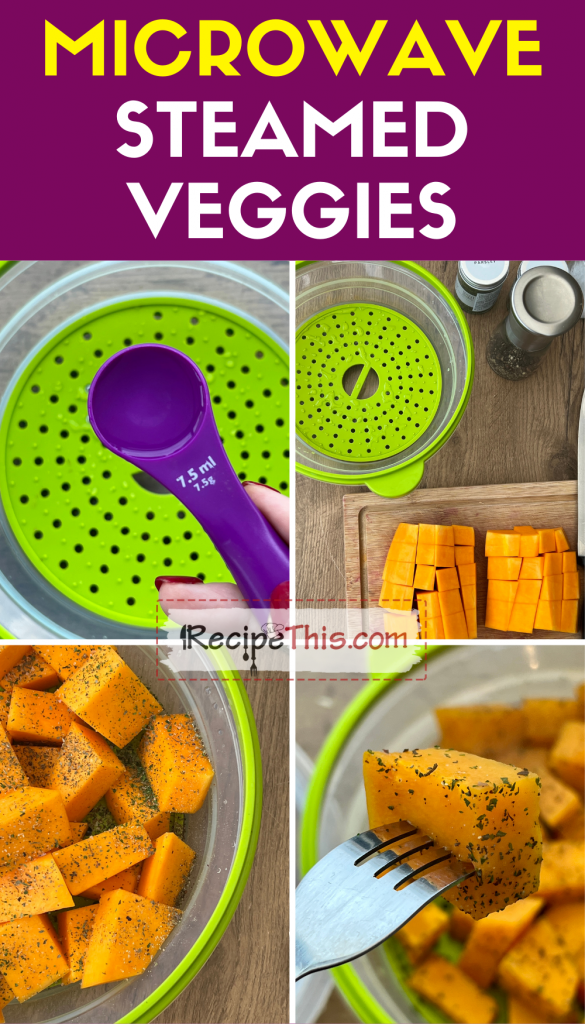
Credit: recipethis.com
Common Mistakes To Avoid
Knowing what not to do can help you avoid kitchen disasters:
- Using the wrong container: Unsafe plastics or metal can melt or spark.
- Sealing the lid too tightly: Can cause pressure build-up and accidents.
- Adding too much water: Makes food mushy and can overflow.
- Overcooking: Food loses color, flavor, and becomes tough.
- Ignoring microwave wattage: Every microwave is different. Adjust times based on your machine’s power.
Many people forget to check their microwave’s wattage. Most home microwaves range from 700–1200 watts. Higher wattage means faster cooking, so reduce the time by 10–15% if your microwave is powerful.
Microwave Steaming Recipes And Examples
Here are two simple recipes to help you start:
Steamed Broccoli
- Ingredients: 1 cup broccoli florets, 2 tablespoons water.
- Method: Place broccoli and water in a glass dish. Cover loosely. Microwave on medium for 3–4 minutes. Stir halfway. Let rest 1 minute. Season and serve.
- Serving size: 2 people. Cooking time: 4–5 minutes.
Steamed Salmon
- Ingredients: 4 oz salmon fillet, 1 tablespoon lemon juice, pinch of salt, 2 tablespoons water.
- Method: Place salmon, lemon juice, salt, and water in a ceramic dish. Cover. Microwave on medium for 6–8 minutes. Check doneness. Let rest 1 minute.
- Serving size: 1 person. Cooking time: 7–9 minutes.
Practical tip: For mixed vegetables, add the denser ones (like carrots) first, and lighter ones (like spinach) later, so everything finishes together.
Health Benefits Of Microwave Steaming
Steaming is one of the healthiest cooking methods. Here’s why:
- Nutrient retention: Steaming keeps vitamins like C and B in vegetables. Boiling can lose up to 30% nutrients in water.
- Low fat: No oil needed, so calories are lower.
- Better taste: Natural flavors stay strong.
- Fewer chemicals: Using microwave-safe containers avoids harmful substances.
A 2019 study showed that steamed broccoli kept 90% of its vitamin C, while boiling reduced it to 60%. Microwave steaming is equally effective as traditional steaming for preserving nutrients.
Cleaning And Safety Tips
After steaming, clean your containers well. Food residue can build up and cause odors or stains.
- Wash glass and ceramic dishes with soap and warm water.
- Avoid abrasive cleaners on plastic containers.
- Dry containers completely before storing.
Safety tip: Always handle hot dishes and covers with oven mitts or a towel. Steam burns are common if you rush.
:max_bytes(150000):strip_icc()/how-to-steam-vegetables-2356018-final-5c0e8f9046e0fb0001930f84.png)
Credit: www.thespruceeats.com
Frequently Asked Questions
Is Microwave Steaming Safe For All Foods?
Microwave steaming is safe for most vegetables, fish, and chicken. Avoid steaming whole eggs or foods with thick skins unless pierced. Always use microwave-safe containers.
Can I Steam Frozen Vegetables In The Microwave?
Yes. Frozen vegetables often steam faster than fresh ones. Add 1–2 tablespoons of water and use medium power. Stir halfway through. Most frozen vegetables need only 2–3 minutes.
How Do I Know If My Container Is Microwave-safe?
Look for a microwave-safe label on the bottom or packaging. Glass and ceramic are generally safe. Avoid containers with metallic paint or old, cracked plastic.
Does Microwave Steaming Change The Taste Of Food?
Microwave steaming keeps natural flavors, but some foods may taste slightly different compared to traditional steaming. Vegetables stay crisp and colorful. Fish and chicken remain moist.
Where Can I Find More Microwave Steaming Recipes?
You can find many recipes and tips online. One reliable source is Food Network, which shares tested microwave recipes and guides.
Microwave steaming is a fast, healthy, and easy method for cooking meals at home. With the right tools and a bit of practice, you can enjoy tasty, nutritious dishes every day—no steamer required.