Storing slow cooker leftovers is more than just placing them in the fridge. When done right, you preserve flavor, prevent spoilage, and avoid food waste. Many people love the convenience of slow cookers. You can make soups, stews, chili, pulled meats, and even desserts with little effort.
But what happens when you cook too much? Knowing how to store slow cooker leftovers safely and effectively helps you enjoy your meals for days, saves money, and keeps your kitchen routine smooth.
This guide covers everything you need to know about storing slow cooker leftovers. You’ll learn how to cool food safely, choose the right containers, label and organize leftovers, and even reheat them for the best taste. Along the way, you’ll find tips that most people miss, plus answers to common questions at the end.
Whether you’re a beginner or want to improve your kitchen skills, you’ll find practical advice here.
Why Proper Storage Matters
Leftovers can be a blessing or a risk. Storing food the wrong way can lead to bacteria growth, loss of flavor, and even food poisoning. According to the CDC, about 48 million Americans get sick from foodborne illnesses each year. Slow cooker meals, with their moist and rich environment, are especially attractive to bacteria if left out too long. Proper storage helps avoid these problems and keeps your food tasty.
It’s not just about safety. Storing leftovers correctly keeps them fresh, so you don’t waste the effort you put into cooking. You also save money by making your food last longer and reduce the time spent cooking new meals.
Cooling Slow Cooker Leftovers Safely
One of the biggest mistakes is letting hot food cool slowly at room temperature. Bacteria grow fastest between 40°F and 140°F (the “danger zone”). Your goal is to move food out of this range as quickly as possible.
1. Don’t Leave Food In The Slow Cooker
After cooking, remove leftovers from the slow cooker within 2 hours (1 hour if room temperature is above 90°F). Keeping food in the warm ceramic insert doesn’t cool it fast enough.
2. Divide Into Smaller Portions
Large pots cool slowly. Instead, transfer leftovers into shallow containers (no more than 2 inches deep). This lets heat escape quickly and evenly.
3. Speed Up Cooling
If you made a big batch of soup or chili, use an ice bath. Place your container in a larger bowl filled with ice water. Stir the food every 10 minutes to help it cool faster.
4. Refrigerate Promptly
Once the food is no longer steaming and is close to room temperature, cover and refrigerate it. Don’t wait until it’s fully cold – the fridge will finish the job.
5. Avoid Overcrowding The Fridge
Placing many hot containers in the fridge at once raises the overall temperature. Leave space around containers for air to circulate.
Example
If you cooked 6 quarts of chicken stew, don’t put the whole pot in the fridge. Divide it into three or four shallow containers, then cool them quickly before storing.

Credit: www.amazon.com
Choosing The Right Storage Containers
Not all containers are the same. The right choice keeps food fresh, prevents spills, and makes reheating simple.
Types Of Containers
| Container Type | Pros | Cons |
|---|---|---|
| Glass | Does not absorb odors, safe for microwave and oven, easy to clean | Heavy, can break, usually more expensive |
| Plastic (BPA-free) | Lightweight, affordable, many shapes/sizes | Can stain, may absorb smells, not always microwave-safe |
| Silicone | Flexible, doesn’t break, good for freezer | Can hold odors, not as sturdy for stacking |
| Resealable Bags | Good for freezing, saves space | Single-use, not sturdy, can leak |
What To Look For
- Airtight seals prevent moisture and odors from escaping.
- Clear containers make it easy to see what’s inside.
- Stackable shapes save fridge and freezer space.
- Microwave-safe materials allow quick reheating.
- Label space helps you mark dates and contents.
Pro Tips
- Use rectangular containers for stews and casseroles, and round ones for soups.
- Avoid using old yogurt or margarine tubs. They’re not designed for reuse and may leach chemicals.
Labeling And Organizing Leftovers
Many leftovers go to waste because people forget what they are or how long they’ve been stored. Labeling and organizing prevent confusion and reduce waste.
1. Always Write The Date
Use a piece of masking tape and a permanent marker. Write the name of the dish and the date it was stored.
2. Label Ingredients For Mixed Dishes
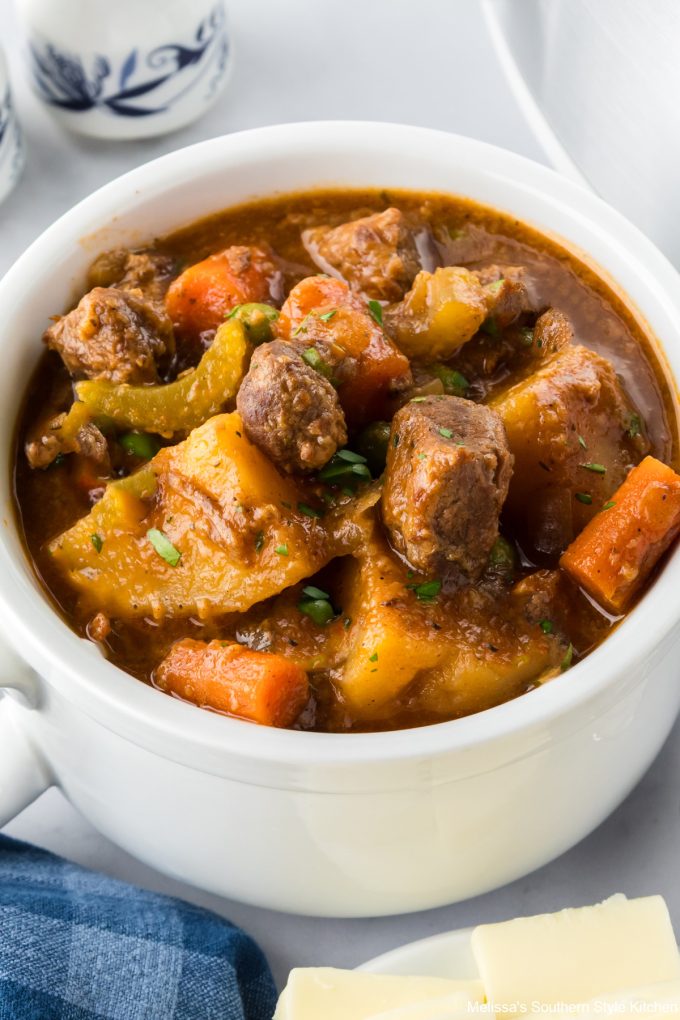
If you made a new recipe, list main ingredients (e.g., “Beef stew: beef, carrots, potatoes, peas”) to help with allergies or preferences.
3. Organize By Age
Store the oldest leftovers at the front of the fridge or freezer. Newer items go in the back. This “first in, first out” method keeps you from forgetting older meals.
4. Use Dedicated Leftover Shelves
If possible, save one part of your fridge or freezer for leftovers only. This makes them easy to find.
5. Color-coded Containers
If you’re storing several types of meals, use colored lids or labels (e. g. , red for beef, blue for chicken, green for vegetarian).
Example
You made chili on Sunday and chicken curry on Tuesday. Label and date each, then put the chili in front so you eat it first.
Credit: www.melissassouthernstylekitchen.com
How Long Can Slow Cooker Leftovers Be Stored?
Storage time depends on the type of food and where you keep it. Here’s a handy guide:
| Food Type | Refrigerator (≤40°F) | Freezer (0°F) |
|---|---|---|
| Soups & Stews (meat or veggie) | 3-4 days | 2-3 months |
| Cooked Chicken or Beef | 3-4 days | 2-6 months |
| Chili | 4 days | 2-3 months |
| Casseroles | 3-4 days | 2-3 months |
| Cooked Rice or Pasta | 3-5 days | 1-2 months |
Non-obvious Insights
- Tomato-based dishes often taste better after a day or two, but will break down if stored too long.
- Dairy-heavy meals (like creamy soups) can separate or become grainy after freezing. For best texture, add cream or milk when reheating instead of before freezing.
Freezing Slow Cooker Leftovers
Freezing is the best way to keep leftovers for weeks or months. But there are a few tricks to make sure they taste good when you thaw them.
Steps For Freezing
1. Cool Completely
Make sure leftovers are cool before placing in the freezer. Warm food can cause ice crystals and raise the freezer’s temperature.
2. Choose The Right Container
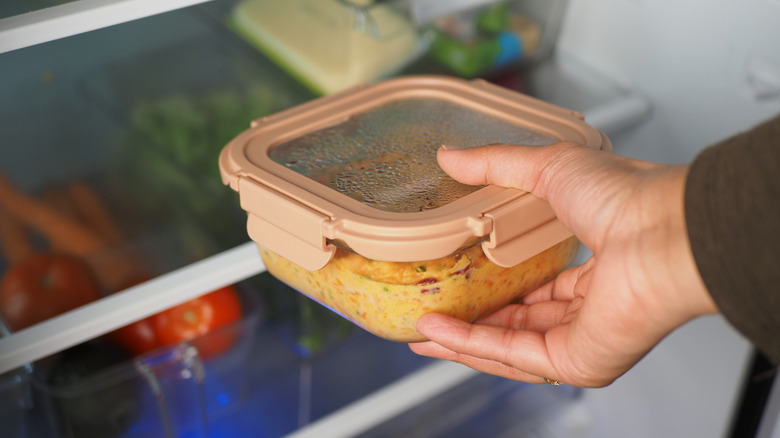
Use freezer-safe containers or heavy-duty resealable bags. Leave about 1 inch of space at the top for foods to expand.
3. Portion For Easy Meals
Freeze leftovers in single or double servings. This way, you only defrost what you need.
4. Remove Air
If using bags, press out as much air as possible before sealing. Air causes freezer burn.
5. Label Clearly
Write the dish name and date. For best results, also add “Use by” date.
6. Lay Bags Flat
For soups or stews, freeze bags flat. Once frozen, you can stack them upright to save space.
Freezer Burn: What To Watch For
Freezer burn happens when air dries out the surface of your food, leaving gray spots and odd flavors. It’s safe to eat but not tasty. Prevent it by sealing containers tightly and using leftovers within recommended times.
Example
Freeze leftover pulled pork in 2-cup portions. Squeeze out air, label, and freeze flat. This makes defrosting quick and prevents waste.
Credit: www.tastingtable.com
Thawing And Reheating Slow Cooker Leftovers
Warming up leftovers isn’t just about making them hot. The right method keeps food safe and delicious.
Safe Thawing Methods
- Refrigerator Thawing: Best for quality. Move leftovers from freezer to fridge 24 hours before you plan to eat them.
- Cold Water Thawing: For quick thawing, place the sealed bag in cold water. Change water every 30 minutes.
- Microwave Thawing: Use only if you plan to eat the food right away. Some microwaves have a defrost setting.
Never thaw leftovers on the counter. This lets bacteria multiply quickly.
Reheating Tips
- Heat Evenly: Stir food halfway through heating. This avoids cold spots where bacteria could survive.
- Temperature Check: Reheat leftovers to at least 165°F (74°C). Use a food thermometer for best results.
- Don’t Reheat Multiple Times: Reheating more than once increases the risk of illness and lowers flavor quality.
Improving Taste
- Add Fresh Herbs or Spices: This brightens up flavors lost during storage.
- Splash in Broth or Water: Helps revive soups, stews, and casseroles that have thickened.
- Add Dairy Last: For creamy dishes, add milk, cream, or cheese after reheating to avoid curdling.
Example
If reheating frozen beef stew, thaw overnight in the fridge, then reheat on the stove. Add a splash of water and some fresh parsley for a just-cooked taste.
Avoiding Common Mistakes
Even experienced cooks slip up when storing leftovers. Here are mistakes to watch for and how to avoid them.
1. Storing Hot Food In The Fridge
Putting hot food directly in the fridge can warm other items and stress your fridge’s compressor. Always cool food first.
2. Using Unsafe Containers
Don’t use takeout boxes, plastic wrap, or non-food containers for storage. These can leach chemicals or melt in the microwave.
3. Letting Food Sit Out Too Long
Never leave leftovers out for more than 2 hours (1 hour if it’s hot in your kitchen).
4. Ignoring The “smell Test”
If leftovers smell odd, look strange, or have mold, throw them away. When in doubt, toss it out.
5. Overfilling Containers
Leave space in containers for expansion, especially when freezing. Overfilled containers can crack or leak.
6. Forgetting To Label
Unlabeled leftovers often get thrown out. Take 10 seconds to write a label.
7. Mixing Old And New Batches
Don’t add fresh food to old leftovers. This can contaminate both and shorten safe storage time.
8. Reheating In Non-microwave Safe Containers
Always check that your containers are labeled “microwave safe” before reheating.
Storing Slow Cooker Leftovers For Meal Prep
Leftovers aren’t just for lazy dinners. They’re perfect for meal prep, lunches, and fast weeknight meals.
Planning Ahead
- Cook Extra on Purpose: Double your slow cooker recipe, then portion out meals for the week.
- Use Divided Containers: Great for “meal boxes” with a main dish and sides.
- Freeze Lunch Portions: Grab a serving from the freezer in the morning, and it will be thawed by lunchtime.
Benefits
- Saves Time: Fewer nights cooking from scratch.
- Reduces Waste: Leftovers get used, not forgotten.
- Healthier Choices: Home-cooked meals tend to be lower in salt and fat than takeout.
Non-obvious Insight
- Label for Multiple People: If cooking for a family, use names on containers to avoid confusion over who gets which meal.
When To Toss Slow Cooker Leftovers
Even with the best practices, leftovers don’t last forever. Here’s when to throw them out:
- If you see mold or strange colors.
- If food feels slimy or sticky when it shouldn’t.
- If you forgot when you made it (can’t remember the date).
- If there’s a sour or off smell.
- If the container was left at room temperature for more than 2 hours.
Trust your senses. If something seems wrong, it’s safer to discard the food.
Sustainability And Reducing Food Waste
Storing leftovers well helps reduce food waste. In the US, over 30% of food is wasted each year, much of it at home. By making the most of your slow cooker meals, you’re part of the solution.
- Plan meals with leftovers in mind.
- Repurpose leftovers (e.g., turn chili into taco filling).
- Compost spoiled food instead of throwing it away, if possible.
For more on food storage safety, visit the U.S. Food Safety website.
Frequently Asked Questions
How Long Can I Keep Slow Cooker Leftovers In The Fridge?
Most slow cooker leftovers stay safe for 3-4 days in the refrigerator. Make sure your fridge is set to 40°F or below. After this time, the risk of spoilage and bacteria increases.
Can I Freeze Leftovers With Potatoes Or Pasta?
Yes, but with caution. Potatoes can become mealy or grainy after freezing, and pasta may turn mushy. For best results, freeze the stew or soup without potatoes or pasta, then add them fresh when reheating.
Is It Safe To Reheat Slow Cooker Leftovers In The Microwave?
Yes, it’s safe if you use a microwave-safe container and heat to at least 165°F. Stir halfway through to ensure even heating. Cover the container loosely to prevent splatters.
What’s The Best Way To Store Leftover Soup?
Cool soup quickly, then store in shallow containers for fast chilling. You can refrigerate for up to 4 days, or freeze for up to 3 months. Leave space at the top of the container for expansion.
How Do I Know If My Leftovers Have Gone Bad?
Look for signs like unusual smell, mold, or a slimy texture. If in doubt, throw it out. Trust your senses—eating spoiled food can cause illness.
Storing slow cooker leftovers is a simple skill that saves money, reduces waste, and keeps your kitchen safe. With the right methods, your meals can taste as good on day three as they did fresh from the pot.