Skip to content
A vacuum cleaner is one of the most useful tools for keeping homes clean. But when the vacuum hose gets clogged, cleaning becomes difficult and frustrating. Many people face this problem and don’t know how to fix it. Unclogging a vacuum hose is not hard, but you need to follow careful steps to avoid damaging your machine.
This guide will show you how to unclog a vacuum cleaner hose safely, quickly, and with confidence. You’ll also learn how to prevent future clogs and spot problems early. Whether your vacuum is losing suction or making strange noises, this article will help you get your device working like new.
Signs Your Vacuum Hose Is Clogged
A clogged vacuum hose can reduce cleaning power and even damage your machine. Recognizing the signs early helps avoid bigger issues.
- Low suction power: If your vacuum isn’t picking up dirt as well as before, the hose may be blocked.
- Unusual sounds: Strange noises, like whistling or rattling, often mean air flow is obstructed.
- Debris left behind: If the vacuum leaves dust or crumbs after cleaning, the hose might be clogged.
- Bad smell: A musty or burnt odor can signal a blockage trapping debris.
- Overheating: Some vacuums shut off automatically if airflow is blocked to prevent damage.
If you notice any of these signs, it’s time to check your hose.
Why Vacuum Cleaner Hoses Get Clogged
Understanding the causes of clogs can help you prevent them in the future.
- Large debris: Items like coins, paper clips, or small toys can block the hose.
- Hair and string: Long hair, thread, or yarn often wrap around inside the hose and create jams.
- Dust buildup: Over time, fine dust and dirt can stick to the hose walls, reducing airflow.
- Moisture: Wet messes can cause sticky clumps inside the hose.
- Pet fur: Pet owners often find their hoses blocked by fur or dander.
Many beginners miss that even a small amount of sticky material can cause a blockage. Also, vacuums with narrow hoses are more likely to clog.
Safety Precautions Before Unclogging
It’s important to stay safe when working with vacuum parts.
- Unplug the vacuum: Always disconnect from power before opening or cleaning any part.
- Wear gloves: Protect your hands from sharp objects and dirt.
- Work in a well-lit area: Good lighting helps you spot blockages.
- Check for sharp debris: Be careful with glass, nails, or other dangerous items inside the hose.
Some people forget to unplug the vacuum, which can lead to electric shocks. Always double-check before starting.
Step-by-step Guide To Unclog A Vacuum Cleaner Hose
Follow these steps for a safe and thorough cleaning.
1. Remove The Hose
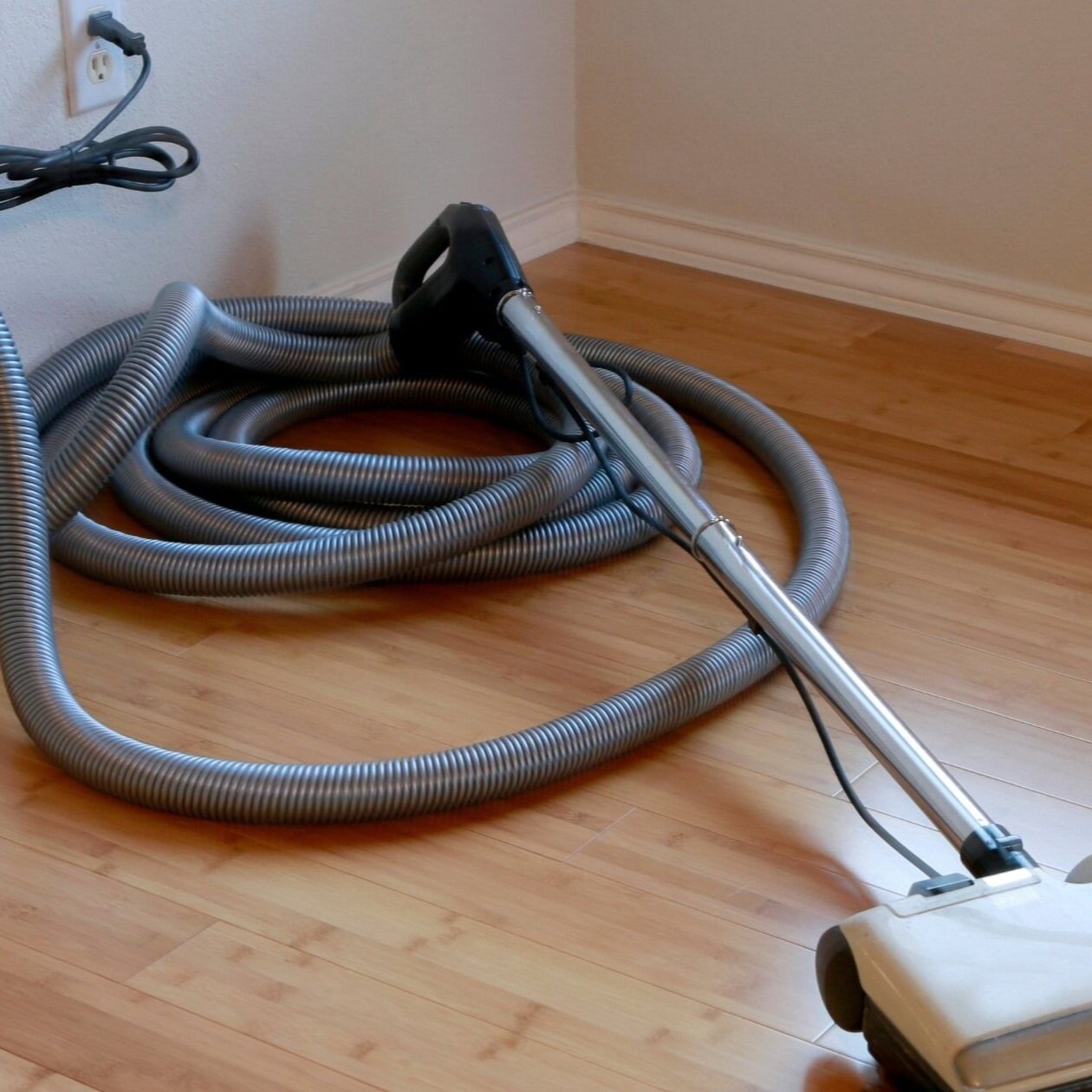
First, detach the hose from the vacuum. Most hoses twist off or release with a button. Check your vacuum’s manual if you’re unsure.
2. Inspect The Hose
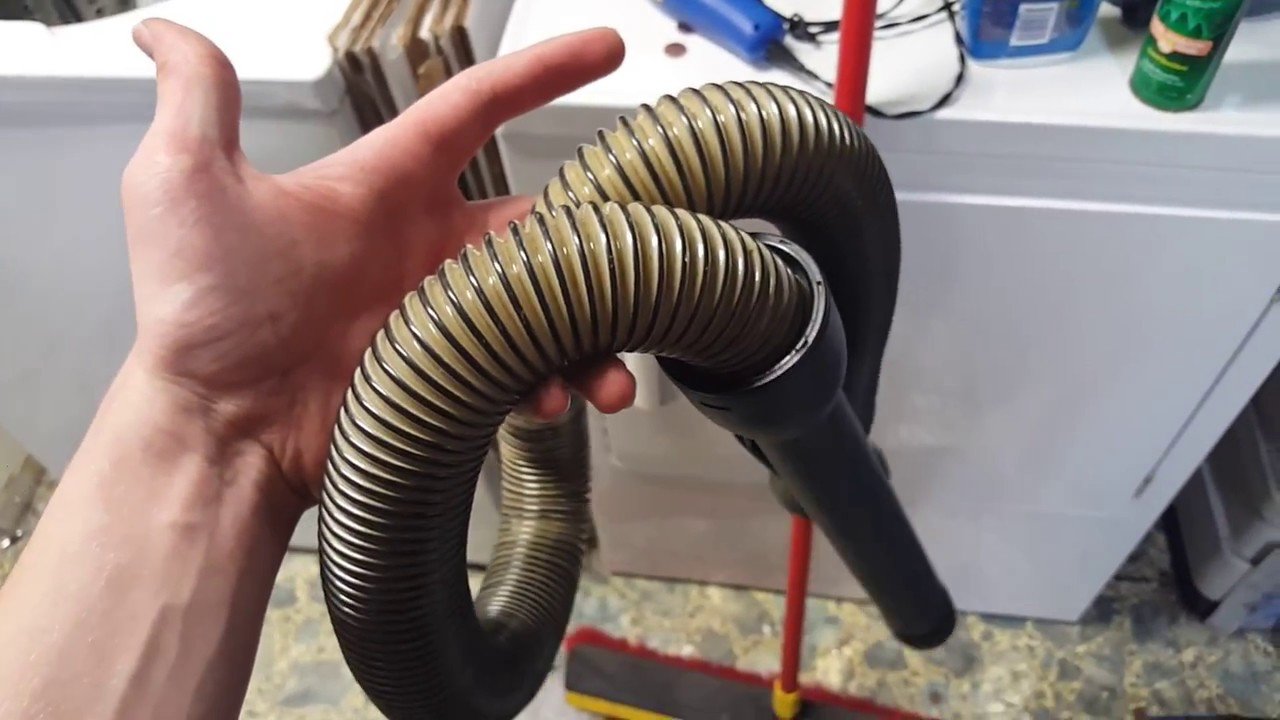
Hold the hose up to a light and look through it. Sometimes, you can see the blockage. If not, gently bend the hose; this may reveal hidden debris.
3. Clear Out Large Debris
Use a broomstick or similar tool to gently push out large items. Be careful not to puncture or damage the hose. Don’t use sharp objects.
4. Use Water To Wash The Hose
If the hose is very dirty or smells bad, wash it:
- Fill a sink or bathtub with warm water and add a bit of mild dish soap.
- Submerge the hose and swish it around.
- Use a bottle brush to scrub inside if needed.
- Rinse thoroughly with clean water.
5. Dry The Hose Completely
Shake out excess water and hang the hose somewhere warm and dry. Let it dry for at least 24 hours. Never reattach a wet hose—moisture can damage your vacuum and cause mold.
6. Reattach And Test
Once dry, reconnect the hose and test your vacuum. Suction should return to normal. If not, check other parts like filters or the brush head.
Credit: everettvacuum.com
Tools You’ll Need
Having the right tools makes unclogging easier.
- Broomstick or dowel rod: For pushing out blockages.
- Bottle brush: Cleans inside the hose.
- Mild dish soap: For washing.
- Gloves: Protects hands.
- Flashlight: Helps inspect inside.
Some people try using wire hangers, but this can damage the hose. Stick with soft, non-sharp tools.
Common Mistakes When Unclogging
Avoid these errors to keep your vacuum safe.
- Using sharp objects: Knives or scissors can puncture the hose.
- Forcing the blockage: Too much pressure can break the hose.
- Not drying properly: A wet hose can cause electrical damage.
- Skipping inspection: Always check for remaining debris before reattaching.
Beginners often miss the importance of drying. Even a small amount of moisture can cause problems later.
Comparing Hose Materials And Clog Risks
Some hoses clog more easily than others. Here’s a quick look at common hose types:
| Hose Material | Clog Risk | Durability |
|---|---|---|
| Plastic (flexible) | High | Medium |
| Rubber (thick) | Low | High |
| Metal (rigid) | Medium | High |
| Silicone | Low | Medium |
Flexible plastic hoses are common but clog more often, especially in cheaper vacuums.
You may also like: Why is My Vacuum Cleaner Losing Suction
How Often Should You Clean The Vacuum Hose?
Cleaning frequency depends on usage and environment.
| Usage Type | Recommended Cleaning | Notes |
|---|---|---|
| Heavy (daily) | Every 2 months | Especially with pets or kids |
| Moderate (weekly) | Every 4 months | Standard homes |
| Light (monthly) | Every 6 months | Minimal dust |
If you notice loss of suction or strange smells, clean sooner.
Preventing Future Clogs
A few simple habits can keep your hose clear.
- Check before vacuuming: Look for large items on the floor that could cause jams.
- Clean regularly: Routine washing stops buildup before it starts.
- Avoid wet messes: Don’t vacuum liquids unless your machine is designed for it.
- Use attachments: Narrow tools can reduce hair and string blockages.
For homes with pets, brush your animals often to reduce shedding and vacuum hair less frequently.
Troubleshooting: If The Hose Is Still Clogged
Sometimes, stubborn blockages remain even after cleaning.
- Try a wet/dry vacuum: If you have access, use a wet/dry shop vacuum to suck out stuck debris.
- Use compressed air: A blast of air from a can or compressor can push out blockages.
- Inspect other parts: Sometimes the clog is in the brush head or filter, not the hose.
If nothing works, contact a repair professional or check your warranty.
Credit: www.youtube.com
When To Replace The Hose
A damaged hose can cause more problems than a clog.
| Condition | Should Replace? | Reason |
|---|---|---|
| Small cracks | Yes | Leaks air, reduces suction |
| Large holes | Yes | Unsafe, may cause damage |
| Persistent odor | Sometimes | Mold, bacteria inside |
| Hard blockages | Yes | Cannot be removed safely |
Replacement hoses are easy to find for most brands. Always check compatibility before buying.
Expert Tips For Better Vacuum Care
Taking care of your vacuum hose extends its life and improves cleaning.
- Store the hose properly: Don’t bend it sharply or leave it twisted.
- Use correct attachments: Designed tools reduce risk of clogs.
- Clean filters often: Dirty filters can cause backflow and blockages.
- Read your manual: Different brands have unique hose designs and cleaning needs.
Beginners often overlook filter maintenance. Even if your hose is clear, a dirty filter can cause similar suction problems.

Credit: www.wikihow.com
Real-world Example: Unclogging A Dyson Vacuum Hose
Let’s look at a practical example. Dyson vacuums are popular and often face hose clogs from pet hair and dust.
- Turn off and unplug the device.
- Press the release buttons to detach the hose.
- Shine a flashlight through the hose to spot blockages.
- Use a broomstick to gently push debris out.
- Wash with mild soap and rinse.
- Let dry for 24 hours before reattaching.
After cleaning, suction improves and cleaning is easier. This process works for most brands, but always check your user manual for details.
The Science Of Suction: Why Blockages Matter
Vacuum cleaners work by creating airflow. When the hose is blocked, air can’t move, and suction drops. Even a small clog can reduce cleaning power by 50% or more. According to a study by Consumer Reports, vacuums with clogged hoses pick up 60% less dust than normal. That means more work for you and less clean floors.
Recommended Resources
If you want to learn more about vacuum maintenance, visit Consumer Reports for expert reviews and tips on keeping your machine in top shape.
Frequently Asked Questions
What Causes Most Vacuum Hose Clogs?
Hair, string, and large debris are the top reasons. Pet fur and dust buildup are also common, especially in homes with animals or children.
Can I Use A Wire Hanger To Unclog My Vacuum Hose?
No. Wire hangers can puncture or damage the hose. Use a broomstick, dowel, or bottle brush instead.
Is It Safe To Wash The Hose With Water?
Yes, if you dry the hose completely before reattaching. Moisture inside can cause mold or damage your vacuum’s electronics.
How Do I Know If The Hose Or Filter Is Clogged?
Test suction with and without the hose. If suction improves without the hose, the hose is clogged. If not, check the filter and brush head.
Should I Replace The Hose Or Clean It?
Clean the hose first. If it’s cracked, has large holes, or smells bad after cleaning, replace it for best performance.
Unclogging a vacuum cleaner hose is simple once you know the steps. Regular care keeps your vacuum working well and your home cleaner. With these tips, you’ll avoid common mistakes and handle blockages confidently, saving both time and money.