Using a pressure cooker can transform the way you cook. It saves time, keeps food moist, and preserves nutrients. If you’ve never used one before, it might look intimidating. But once you understand how it works, you’ll wonder how you ever cooked without it.
This guide will walk you through everything you need to know, from choosing the right pressure cooker to making your first meal. Whether you’re new to cooking or simply want to speed up dinner, these tips will help you use a pressure cooker safely and efficiently.
What Is A Pressure Cooker?
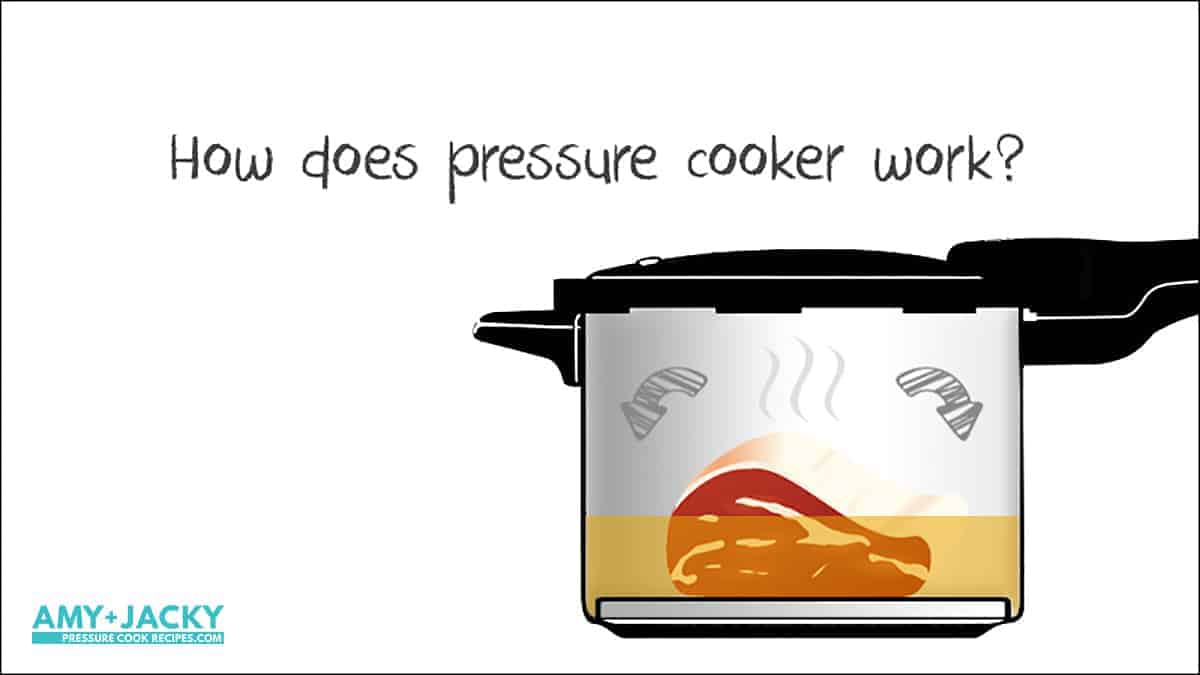
A pressure cooker is a sealed pot that cooks food using steam and pressure. When water inside the pot boils, steam builds up and increases the internal pressure. This high pressure raises the boiling point of water, allowing food to cook faster and more evenly. There are two main types: stovetop and electric pressure cookers. Stovetop models use heat from a stove, while electric models have built-in heating elements and controls.
The pressure cooker is popular for dishes like beans, rice, meat stews, and even desserts. It’s especially useful for tough cuts of meat and foods that usually take a long time to cook.
Choosing The Right Pressure Cooker
Before you start cooking, you need the right pressure cooker. Here’s a comparison to help you decide:
| Feature | Stovetop Pressure Cooker | Electric Pressure Cooker |
|---|---|---|
| Speed | Faster | Slower |
| Control | Manual (requires attention) | Automatic (set and forget) |
| Safety | Basic safety valve | Multiple safety features |
| Price | Usually cheaper | Usually more expensive |
| Functions | Pressure cooking only | Pressure, slow cook, sauté, etc. |
If you want simplicity and speed, a stovetop model is good. If you prefer convenience and multiple functions, try an electric model like the Instant Pot.
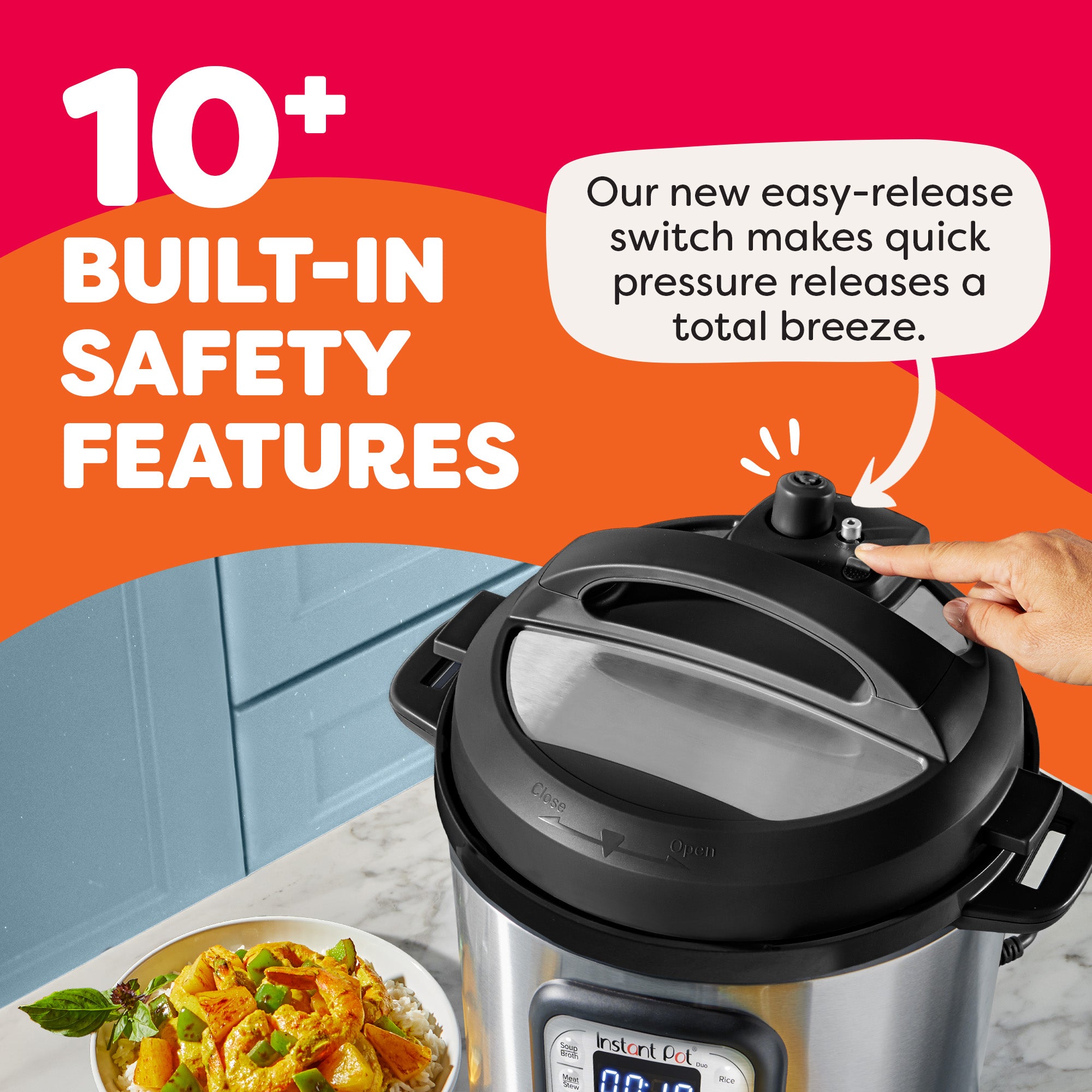
Credit: instantpot.com
Getting Started: Safety First
Pressure cookers are very safe if used correctly, but accidents can happen if you ignore instructions.
- Read the manual: Every pressure cooker is different. Manufacturers include important safety instructions.
- Inspect the cooker: Check the gasket (rubber ring), lid, and valves before each use. If the gasket is cracked or worn, replace it.
- Never overfill: Do not fill the cooker more than 2/3 full. For foods that expand (like beans), only fill half.
- Add enough liquid: Always add at least 1 cup of liquid. Pressure cookers need steam to create pressure.
- Lock the lid: Make sure the lid is locked before turning on the heat.
- Release pressure safely: Use the recommended method to release pressure—either natural release (let it cool) or quick release (open the valve).
Here are common mistakes beginners make:
- Overfilling the pot can block the valve.
- Forgetting to check the gasket leads to leaks.
- Not adding enough water causes burning.
How To Use A Pressure Cooker: Step-by-step
Using a pressure cooker is easy once you know the steps. Here’s a basic process:
1. Prepare Ingredients
Chop and measure your ingredients. For example, to cook chicken stew, you’ll need:
- 2 lbs chicken pieces
- 1 cup chopped onions
- 2 cups diced potatoes
- 1 cup carrots
- 3 cups chicken broth
- 1 tsp salt
- ½ tsp pepper
2. Add Liquid
Pour in the required amount of liquid. Most recipes need at least 1 cup of water or broth. Some foods release their own liquid, but start with a minimum.
3. Load The Cooker
Place the ingredients into the pot. Arrange meat at the bottom for faster cooking. Add vegetables on top.
4. Close The Lid
Make sure the gasket is in place. Align the lid and lock it securely.
5. Set Pressure
For stovetop models, set the heat to medium-high. For electric models, select the program and set the timer.
6. Build Pressure
The cooker will start building pressure. You’ll see steam escaping from the valve at first. When it reaches full pressure, the valve will lock, and the steam will stop.
7. Cook
Once full pressure is reached, start timing. For chicken stew, cook for 15–20 minutes.
8. Release Pressure
When cooking is done, turn off the heat. Use either natural release (wait for pressure to drop) or quick release (open the valve carefully).
9. Open And Serve
When pressure is fully released, unlock the lid. Your food should be tender and flavorful.
You might find this helpful: Best Pressure Cookers for Beginners
Pressure Cooking Times For Common Foods
Knowing the right cooking times is important. Here’s a quick reference:
| Food | Pressure Cooking Time (minutes) | Liquid Needed |
|---|---|---|
| Rice | 5–8 | 1.5 cups per cup rice |
| Beans (soaked) | 10–15 | 4 cups per 1 lb beans |
| Chicken pieces | 15–20 | 1 cup |
| Beef stew | 20–25 | 2 cups |
| Potatoes | 10–12 | 1 cup |
| Vegetables | 3–5 | 1 cup |
These times are for high pressure. Adjust if your cooker allows low or medium pressure.
Natural Vs. Quick Pressure Release
There are two main ways to release pressure:
- Natural release: Let the cooker sit until pressure drops naturally (10–30 minutes). Good for soups and stews.
- Quick release: Open the valve to let steam escape quickly. Good for vegetables or rice.
Here’s a quick comparison:
| Release Method | Best For | Time | Risks |
|---|---|---|---|
| Natural | Meat, soups | 10–30 min | None |
| Quick | Vegetables, rice | 1–2 min | Hot steam can burn |
Always keep your hands and face away from the steam when using quick release.
Cleaning And Maintenance
A pressure cooker needs regular cleaning. After each use:
- Remove the gasket and wash it separately.
- Clean the lid, paying attention to the valve.
- Wash the pot with warm soapy water.
- Dry all parts before reassembling.
Once a month, check the safety valve and gasket for wear. Replace parts if needed. Never use abrasive cleaners on the pot, as they can damage the surface.
Non-obvious Tips For Beginners
Most guides skip these details, but they make a big difference:
- Brown meat and onions first: For richer flavor, sauté ingredients before pressure cooking. Many electric models have a sauté function.
- Layer ingredients wisely: Place foods that cook faster on top. This prevents overcooking and keeps textures right.
- Use natural release for starchy foods: Quick release can cause foam and splatter with beans, grains, or pasta.
- Test recipes with water first: Before cooking a new recipe, run the cooker with just water to check for leaks or problems.
Pressure Cooker Recipe Example
Let’s make a simple beef stew:
- 2 lbs beef chunks
- 2 cups chopped carrots
- 2 cups potatoes
- 1 cup onions
- 3 cups beef broth
- 2 tbsp tomato paste
- 1 tsp salt
- ½ tsp pepper
Instructions:
- Brown beef in the pot (use sauté function or stovetop).
- Add vegetables, broth, tomato paste, salt, and pepper.
- Lock the lid, set to high pressure.
- Cook for 25 minutes.
- Use natural release.
- Open and serve.
This stew feeds 4–6 people and cooks in about 35 minutes (including pressure build and release).
Common Mistakes And How To Avoid Them
Pressure cookers are forgiving, but mistakes can ruin your meal or damage the cooker.
- Not checking the gasket: Always check for cracks or dirt.
- Opening the lid too soon: Never force the lid. Wait until pressure is fully released.
- Using too little liquid: This causes burning or uneven cooking.
- Ignoring cooking times: Overcooked food turns mushy.
- Not cleaning the valve: A blocked valve can cause dangerous pressure buildup.
If you’re unsure, start with simple recipes like rice or potatoes before moving to complex dishes.
Credit: www.pressurecookrecipes.com
Advantages Of Using A Pressure Cooker
Pressure cookers offer many benefits:
- Saves time: Cooking is up to 70% faster. Beans and stews cook in minutes, not hours.
- Keeps nutrients: Less water and time means more vitamins stay in your food.
- Tenderizes tough meats: Even cheap cuts become soft and tasty.
- Reduces energy use: Shorter cooking times save gas or electricity.
- Makes meal prep easy: Batch cooking is simple and efficient.
According to the USDA, pressure cooking preserves more vitamin C and B vitamins compared to boiling or steaming (USDA).
Frequently Asked Questions
How Much Liquid Should I Use In A Pressure Cooker?
Always use at least 1 cup of liquid. Some recipes need more, especially grains and beans. Check your cooker’s manual for minimum requirements.
Can I Cook Frozen Meat In A Pressure Cooker?
Yes, you can cook frozen meat directly. Add a few extra minutes to the cooking time. Make sure the pieces are separated, not stuck together.
Is It Safe To Open A Pressure Cooker Right After Cooking?
No, wait until pressure is fully released. Check the indicator or listen for the valve. Opening too soon can cause burns or damage.
What Foods Should I Avoid In A Pressure Cooker?
Don’t cook foods that foam or expand a lot, like pasta or oatmeal, without special precautions. They can block the valve and cause problems.
How Do I Know If My Pressure Cooker Is Working Correctly?
Watch for steam escaping from the valve and listen for the pressure indicator. If you see leaks or hear strange noises, stop and check the gasket and valve.
Pressure cookers make cooking faster and easier, but safety and technique matter. Once you master these basics, you’ll enjoy delicious meals with less effort. Start with simple dishes and build your confidence. With practice, a pressure cooker will become your most useful kitchen tool.