Cooking methods have a big impact on the nutrition and healthiness of our food. With the rise of countertop ovens—like toaster ovens and air fryers—many people are asking: Is cooking in a countertop oven healthier than frying? For anyone trying to eat better, lose weight, or simply avoid extra fats, this is an important question. Let’s explore how these two cooking methods compare, what actually happens to your food, and what you should know before choosing your next meal preparation method.
How Countertop Ovens Work
Countertop ovens are small electric ovens that sit on your kitchen counter. They include toaster ovens, convection ovens, and air fryers. These appliances use electric heating elements and often have fans to move hot air around the food. This is called convection cooking. It means heat surrounds the food, cooking it more evenly and often faster than a regular oven.
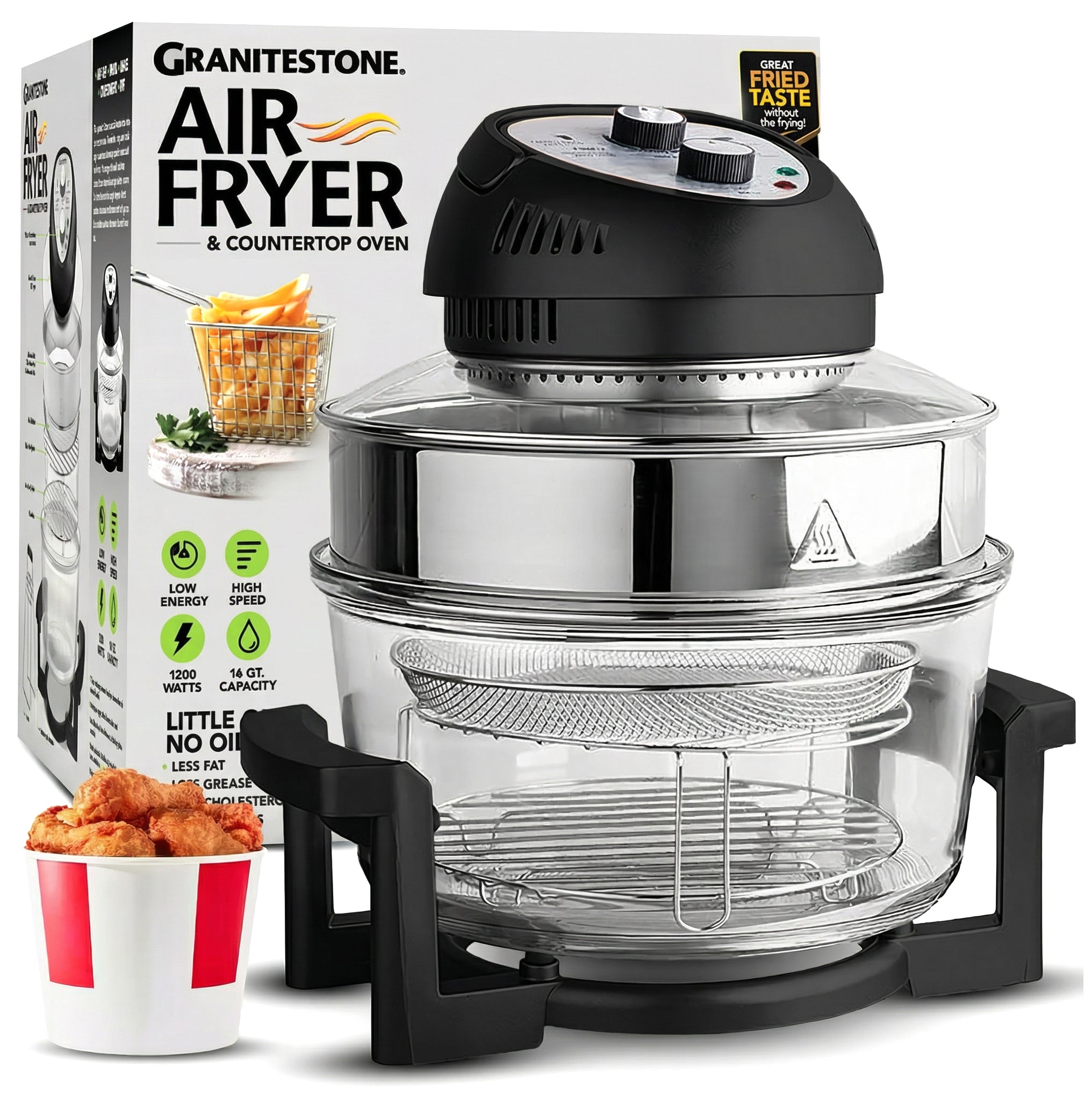
Air fryers are a type of countertop oven that use a powerful fan to circulate hot air very quickly. This gives foods a crispy surface similar to frying, but without submerging them in oil.
Key Benefits Of Countertop Ovens
- Less oil needed: Many foods cook well with only a little—or no—added fat.
- Even heat: Convection helps brown and crisp food without burning.
- Versatility: You can bake, roast, toast, or broil different types of food.
- Faster cooking: Small size and fan speed up the process.
How Frying Works
Frying means cooking food in hot oil. There are two main ways to fry:
- Deep frying: The food is fully submerged in hot oil (about 350–375°F or 175–190°C).
- Pan frying: Food cooks in a shallow layer of oil in a pan.
When food touches hot oil, the outside cooks quickly and becomes crisp. Inside, steam cooks the food. This technique is popular for its texture and taste—think French fries, fried chicken, or tempura.
Why Fried Food Tastes Good
- Crispy texture
- Rich flavor (from fat and browning)
- Golden color
But the oil used in frying adds calories and can change the nutritional value of food.
:max_bytes(150000):strip_icc()/faw-toaster-ovens-air-fryers-test-taotronics-rkilgore-127-efe96fac638843b49fba305016d49235.jpg)
Credit: www.foodandwine.com
Comparing Nutrition: Oven Cooking Vs. Frying
The main difference between these methods is fat content and calories. Let’s look at a typical example:
| Food | Method | Calories (per 100g) | Total Fat (g) |
|---|---|---|---|
| French Fries | Deep Fried | 312 | 15 |
| French Fries | Air Fried | 192 | 3.5 |
| Chicken Breast | Pan Fried | 260 | 11 |
| Chicken Breast | Baked in Countertop Oven | 165 | 3.5 |
As you can see, cooking in a countertop oven or air fryer usually means fewer calories and less fat. That’s because less oil is absorbed by the food.
Vitamin And Nutrient Retention
Cooking can lower the vitamin content of food. Frying at high temperatures can destroy more vitamin C and some B vitamins. Oven cooking, especially at lower temperatures, often preserves more nutrients.
However, some fat-soluble vitamins (like A, D, E, and K) might be better absorbed with a little oil. This means using a small amount of healthy oil in a countertop oven can be beneficial.
Health Risks: Frying Vs. Oven Cooking
Harmful Compounds
Frying—especially deep frying—can create chemicals that are not good for your health:
- Acrylamide: Forms when starchy foods (like potatoes) are fried at high temperatures. This chemical is linked to a higher risk of cancer in animal studies.
- Trans fats: Repeatedly heating oil can make unhealthy trans fats, which increase heart disease risk.
- Advanced Glycation End Products (AGEs): High-heat cooking produces AGEs, which may contribute to inflammation and diseases like diabetes.
Cooking in a countertop oven, especially at moderate temperatures, creates fewer of these harmful compounds.
Oil Quality
Not all oils are the same. Reusing oil for frying makes it break down, releasing free radicals and toxic by-products. Countertop ovens use little or no oil, so this risk is much lower.
Weight Gain And Heart Disease
Fried foods are linked to higher rates of obesity, heart disease, and type 2 diabetes. Studies show that people who eat fried food more than 4 times a week have a higher risk of these conditions.
Oven-cooked foods, which use less fat, can help with weight control and lower heart disease risk.
:max_bytes(150000):strip_icc()/faw-air-fryer-toaster-ovens-primary-rkilgore-0610-1-a150d183e2fd4ebabe52fe9d982399c6.jpeg)
Credit: www.foodandwine.com
Food Texture And Taste: Does Healthier Mean Boring?
Many people worry that baking or air frying won’t taste as good as traditional frying. Here’s what to expect:
- Crispiness: Air fryers and convection ovens can make foods crispy, but the texture may be a little different—sometimes lighter or less greasy.
- Flavor: Oven-cooked foods are less rich but still tasty. Spices, marinades, and a quick spray of oil can boost flavor.
- Color: Browning happens from dry heat, but may not be as deep golden as deep-fried foods.
Some foods, like battered fish or tempura, are hard to duplicate without frying. But many snacks and meals taste great from a countertop oven with less fat.
Practical Examples: Which Method For Which Food?
Not all foods work equally well in both methods. Here are examples:
| Food | Countertop Oven | Frying | Best Method |
|---|---|---|---|
| Chicken Wings | Very good (crispy, less fat) | Very crispy, more fat | Countertop Oven |
| French Fries | Good (crisp, healthier) | Very crisp, more calories | Countertop Oven |
| Tempura | Less crisp, can be dry | Light, puffy, rich | Frying |
| Fish Fillets | Moist, less fat | Crisp, high fat | Countertop Oven |
For most foods, you can use a countertop oven to get a similar taste and texture with less oil and fewer calories. Foods with heavy wet batters (like tempura) still work best when fried.
Common Mistakes When Using Countertop Ovens
Switching from frying to baking or air frying is simple, but people often make these errors:
- Overcrowding the basket or tray: Hot air can’t reach all surfaces, leading to soggy food. Cook in a single layer.
- Not preheating: Most countertop ovens need a few minutes to heat up for best results.
- Skipping oil completely: A light spray of oil (not a deep fry!) Can help with browning and flavor.
- Cooking at too low a temperature: This can dry out food instead of crisping it.
- Using wet batter: Air fryers and ovens work best with dry breading or a light coating. Wet batters can drip and get messy.
Non-obvious Insights For Healthier Cooking
Many people know that less oil is better, but here are two insights beginners often miss:
- Type of oil matters: If you do use oil, choose one with a high smoke point, like avocado or canola oil. These produce fewer harmful compounds at high heat.
- Shake or flip food: Halfway through cooking in a countertop oven or air fryer, shake the basket or turn the food. This gives a more even, crisp result.
Also, some foods—like homemade sweet potato fries—get even crispier if you soak them in water first and dry them well. This removes extra starch and improves texture.
Environmental Impact: Which Method Is Greener?
Cooking with less oil doesn’t just help your health—it’s better for the planet. Frying uses large amounts of oil, which must be produced, transported, and disposed of. Used oil can harm water and soil if not handled properly.
Countertop ovens, especially air fryers, use less energy and oil. This reduces waste and pollution. Their smaller size means faster preheating and cooking, which saves electricity compared to big ovens.
When Is Frying Still Okay?
Fried foods are not always bad. Enjoying them occasionally, in small portions, is fine for most people. Some traditional recipes and special occasions call for frying. The key is balance—using healthier methods most of the time and enjoying fried treats as an exception.
If you fry, use fresh oil, keep the temperature right, and drain food well. Avoid reusing oil many times.
Credit: granitestone.com
Scientific Research: What Do Studies Say?
Many studies compare fried and oven-cooked foods. Research shows that regularly eating fried foods increases the risk of heart disease, high blood pressure, and obesity. For example, a study in the journal *British Medical Journal* found that women who ate fried chicken more than once a week had a 13% higher risk of death from heart disease.
Other studies show that oven-baked foods help people lose weight and maintain better blood cholesterol.
For more science on acrylamide and food safety, see the National Cancer Institute’s acrylamide fact sheet.
Final Thoughts: Is Countertop Oven Cooking Healthier Than Frying?
Most of the time, cooking in a countertop oven is healthier than frying. It uses less oil, keeps calorie counts lower, and reduces harmful compounds. Oven-cooked foods also keep more nutrients and are better for weight control and heart health.
Still, taste and texture matter. Air fryers and toaster ovens can make crisp, tasty foods, but some dishes are hard to duplicate without frying. For daily meals, countertop ovens are a smart choice. They offer similar flavor and texture with less fat and fewer health risks.
Remember, the healthiest diet is one that’s balanced and includes a variety of cooking methods—mostly oven-cooked or steamed, with fried foods as an occasional treat.
Frequently Asked Questions
Is Air Frying The Same As Baking In A Countertop Oven?
No, but they are similar. Air fryers use strong fans to circulate very hot air, making food crispy fast. Baking in a countertop oven uses gentle heat and may take longer. Both use less oil than frying.
Can I Cook Frozen Foods In A Countertop Oven?
Yes, you can cook frozen foods like fries, chicken nuggets, and fish sticks in a countertop oven or air fryer. They often turn out crispier than in a microwave and use less oil than frying.
Are There Foods That Should Not Be Cooked In A Countertop Oven?
Some foods with wet batters (like tempura or beer-battered fish) do not work well in air fryers or toaster ovens. Also, very large items (like a big roast) may not fit or cook evenly.
How Much Oil Should I Use In An Air Fryer Or Countertop Oven?
Most foods need only a light spray or brush of oil—about 1–2 teaspoons for a full basket or tray. This helps with browning and taste but keeps fat and calories low.
Is Pan Frying Healthier Than Deep Frying?
Pan frying uses less oil than deep frying, so it’s a little healthier. But oven baking or air frying uses even less oil and makes food lower in calories and fat.
Cooking smarter starts with understanding your tools. Countertop ovens give you healthier options—without giving up flavor. Try oven-cooking your next meal and see the difference for yourself!