Skip to content
Sous vide is a cooking method that has become popular in homes and restaurants around the world. It promises precise temperature control, juicy results, and new ways to prepare food. But as more people try sous vide, questions about safety naturally arise.
Is sous vide really safe? What are the risks, and how can you avoid them? If you’re curious or worried, this article will guide you through everything you need to know, using clear language and practical advice.
What Is Sous Vide And How Does It Work?
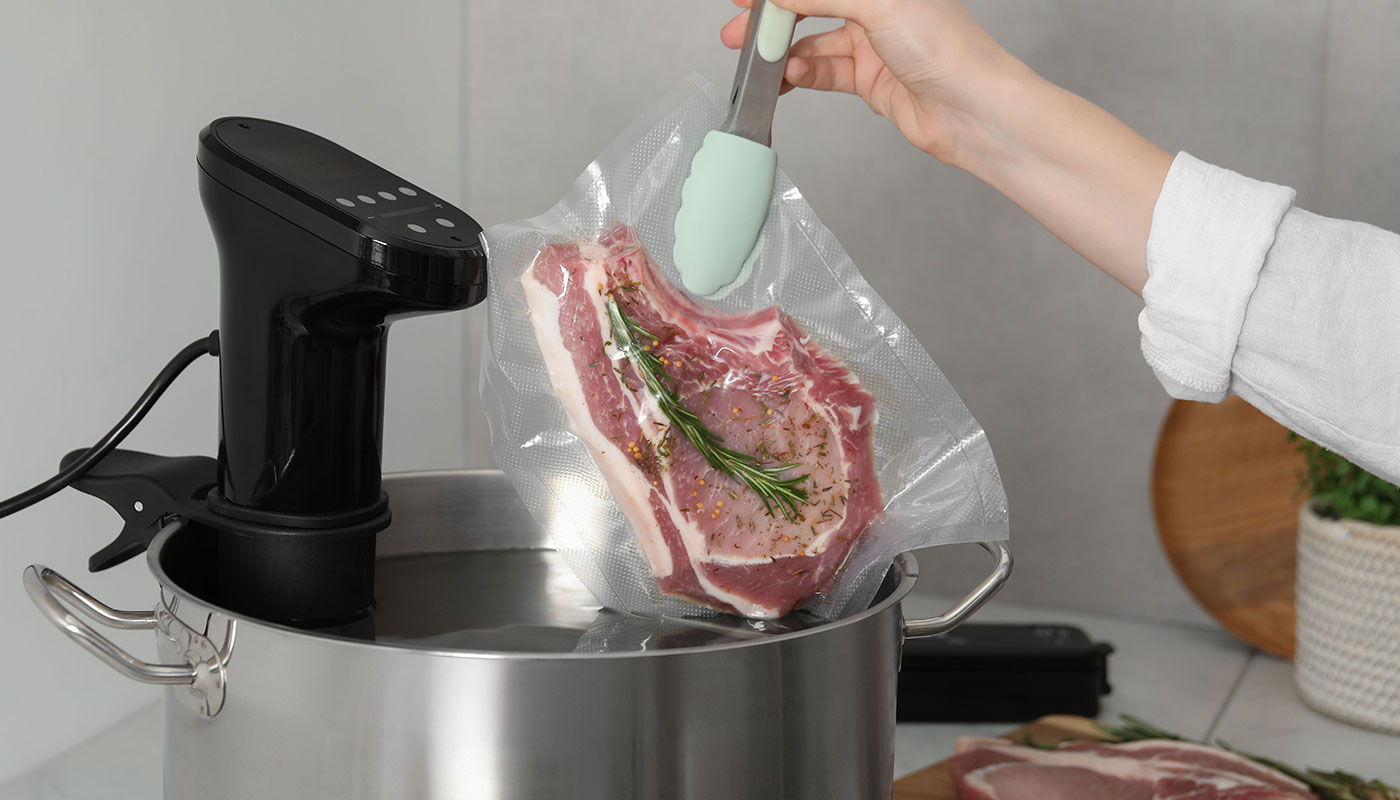
Sous vide means “under vacuum” in French. In this method, you put food in a plastic bag, remove the air, and cook it in a water bath set to a specific temperature—usually lower than traditional methods. The water is heated by a device called a sous vide circulator. This tool keeps the temperature steady, often between 120°F (49°C) and 160°F (71°C).
Why do people love sous vide? It’s all about control. Steaks, chicken, fish, and vegetables can cook slowly and gently. The food stays juicy, and you avoid overcooking. But because sous vide uses lower temperatures, some wonder if it’s safe—especially for killing germs.
Food Safety: Bacteria And Pathogens
Safety is the main concern with sous vide. Let’s look at the facts.
How Temperature Affects Safety
Sous vide often cooks food at temperatures just above 140°F (60°C). Traditional cooking methods, like grilling or boiling, use much higher heat. High heat kills bacteria quickly. With sous vide, the lower temperature means you need to cook for longer to achieve the same level of safety.
For example:
- Chicken breast cooked sous vide at 145°F (63°C) takes about 1.5 hours to kill harmful bacteria.
- Beef steak cooked at 130°F (54°C) needs at least 2 hours to be safe.
Here’s a comparison of common sous vide temperatures and times:
| Food | Minimum Temp (°F) | Minimum Time | Safe? |
|---|---|---|---|
| Chicken Breast | 145 | 90 min | Yes |
| Beef Steak | 130 | 120 min | Yes |
| Fish Fillet | 130 | 60 min | Yes |
| Pork Chop | 140 | 75 min | Yes |
The key insight: It’s not just the temperature—time matters too. Lower heat can still kill bacteria if the food stays at that temperature long enough.
What About Dangerous Bacteria?
Some bacteria, like Salmonella and Listeria, are killed at certain temperatures. The US Department of Agriculture (USDA) recommends cooking chicken to 165°F (74°C) instantly, but sous vide achieves safety at lower temperatures with longer times. The science is clear: holding food at a slightly lower temperature for a longer period is just as safe.
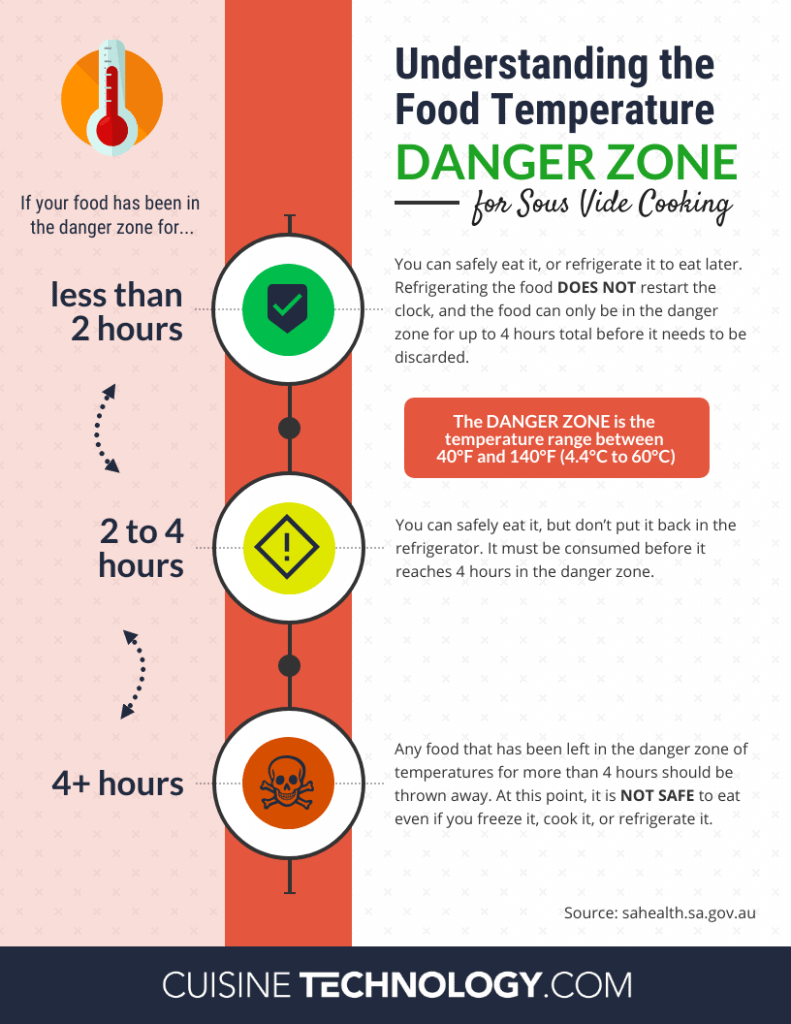
However, there’s one bacteria you must know about: Clostridium botulinum. This germ can survive in low-oxygen environments, like vacuum-sealed bags. It grows slowly at temperatures below 122°F (50°C), so always cook above this temperature. For home cooks, never sous vide food below 130°F (54°C) unless you plan to eat it immediately.
Non-obvious tip: Even after sous vide, if you plan to store food, you must chill it quickly. Slow cooling can let bacteria grow again.
Credit: themeatlocker.org
Bag Safety: Plastics And Chemicals
Sous vide uses plastic bags to hold food. Are these bags safe? Most sous vide bags are made from polyethylene or polypropylene, which are considered food-safe. Still, some people worry about chemicals like BPA (bisphenol A) leaching into the food.
Choosing The Right Bags
Look for bags labeled “BPA-free” and “food-grade.” Avoid cheap, non-food bags that may contain unsafe chemicals. Most professional sous vide brands use safe materials. If you use zipper bags, check if they are meant for heat and cooking.
Here’s a quick comparison of bag types:
| Bag Type | Material | BPA-free? | Heat Safe? |
|---|---|---|---|
| Vacuum Sealer Bags | Polyethylene | Yes | Up to 195°F |
| Freezer Zipper Bags | Polypropylene | Usually | Up to 170°F |
| Cheap Plastic Bags | Unknown | Unclear | Risky |
Non-obvious insight: Some bags can break down at high heat or long cooking times. If you notice cloudiness or stickiness after cooking, switch to a better brand.
Water Bath Safety: Cleanliness And Equipment
The sous vide water bath is simple, but it needs care. Dirty water, a faulty heater, or bad bags can cause problems.
Keeping The Water Bath Clean
- Always use clean water.
- Clean the sous vide circulator regularly, especially if you notice scale or residue.
- Don’t let food bags leak or break—this can contaminate the water and the food.
Straight-to-the-point tip: If you see cloudy water, strange smell, or debris, stop and clean everything before cooking again.
Equipment Safety
Modern sous vide circulators are reliable. But old or damaged devices may not keep the temperature stable. If the water drops below safe levels, bacteria can grow.
How to check your device:
- Use a thermometer to double-check the water temperature, especially for long cooks.
- Make sure the device is not damaged or corroded.
Credit: cuisinetechnology.com
Cooling And Storing Sous Vide Food
Many people cook sous vide ahead of time and store meals. This is convenient, but it needs care.
Proper Cooling
After cooking, food is safe—but it’s not sterile. If you want to store it, cool it quickly. The best way is to use an ice bath:
- Prepare a bowl with ice and water.
- Place the bagged food in the bath for 30 minutes.
- Move to the fridge or freezer.
Why does this matter? Slow cooling lets bacteria multiply. Quick chilling keeps food safe.
Storing Sous Vide Food
- Store cooked, chilled food in the fridge for up to 3 days.
- For longer storage, freeze it.
- Reheat sous vide food to at least 130°F (54°C) before eating.
Risks And Common Mistakes
Sous vide is safe if you follow the rules. But mistakes can happen.
Common Risks
- Cooking at too low a temperature: Never cook below 130°F (54°C) unless you eat the food right away.
- Not cooking long enough: Use trusted recipes and check times.
- Using unsafe bags: Cheap bags can break or leach chemicals.
- Improper cooling: Always chill quickly after cooking.
Mistakes Beginners Make
- Ignoring the importance of time and temperature.
- Using old or faulty sous vide devices.
- Storing cooked food without cooling it fast.
Experience-based advice: If you’re unsure, always cook a bit longer, and don’t rush cooling.
Real-life Data And Studies
Sous vide is widely used by professionals. The FDA and USDA recognize sous vide as safe if guidelines are followed. In 2017, a study showed that sous vide chicken cooked at 140°F (60°C) for 90 minutes killed all Salmonella bacteria. The risk of plastic leaching is minimal with proper bags. According to Serious Eats, sous vide is safe for home use when best practices are followed.
Extra Tips For Safe Sous Vide
- Use a food thermometer to check finished food.
- Don’t reuse bags unless they are designed for it.
- If storing food, label the bag with date and content.
- For sous vide eggs, cook at least 45 minutes at 145°F (63°C) to kill bacteria.
Credit: www.youtube.com
Frequently Asked Questions
Is Sous Vide Safe For Pregnant Women And Children?
Yes, as long as you follow safe cooking times and temperatures. Pregnant women and children are more sensitive to bacteria. Always cook meats to at least 145°F (63°C) and use trusted recipes.
Can I Sous Vide Frozen Food?
You can sous vide food straight from frozen. Just add extra cooking time—usually 30 minutes more. Make sure the food reaches the target temperature for the correct time.
Are All Sous Vide Bags Bpa-free?
Most professional sous vide bags are BPA-free, but not all zipper bags are. Always check the packaging or manufacturer’s website to confirm. Avoid bags not labeled as food-safe.
What Happens If My Sous Vide Device Fails?
If your device stops working and the temperature drops, bacteria can grow. Don’t eat the food if it’s been at unsafe temperatures. Always check your device before use, and use a thermometer if possible.
Can I Reuse Sous Vide Bags?
Only reuse bags that are labeled for multiple uses and are not damaged. Regular vacuum bags often break down after one use. Reusing bags can risk contamination if not cleaned properly.
Sous vide is a safe and modern way to cook, as long as you follow basic safety rules. The main risks are low temperatures, unsafe bags, and improper cooling. With the right tools, careful timing, and attention to detail, sous vide lets you prepare delicious and safe meals at home.
Remember, safety is about both temperature and time. If you’re new to sous vide, start with trusted recipes and pay close attention to bag quality and cooling methods. The science shows sous vide is safe—enjoy experimenting with confidence.