Skip to content
When you want a clean home, choosing the right mop makes a big difference. Two of the most popular options today are the microfiber mop and the spray mop. Both promise cleaner floors with less effort, but they work in different ways. Many people wonder: which one is truly better for everyday cleaning?
In this guide, you’ll discover how each mop works, where each shines, and what to consider before buying. If you’re tired of sticky floors or back pain from old-fashioned mops, this article will help you pick the right tool for your space.
What Is A Microfiber Mop?
A microfiber mop uses a special cloth made from very fine fibers—much smaller than a human hair. These fibers grab dirt and dust, making cleaning faster and more effective. Most microfiber mops have a flat head with a removable pad. You can use them wet or dry.
For example, if you have hardwood floors, a dry microfiber mop can pick up pet hair and dust in seconds. When you need to scrub, just dampen the pad and swipe over sticky spots.
Key features of microfiber mops:
- Reusable mop pads: Wash and use again up to 500 times.
- Lightweight design: Easy to move, even for people with joint pain.
- Versatile use: Works on wood, tile, laminate, and even walls.
Many cleaning experts recommend microfiber mops for homes with allergies. Why? The fibers trap tiny particles, not just push them around. According to the EPA, microfiber mops can reduce bacteria on floors by 99% compared to cotton string mops.
What Is A Spray Mop?
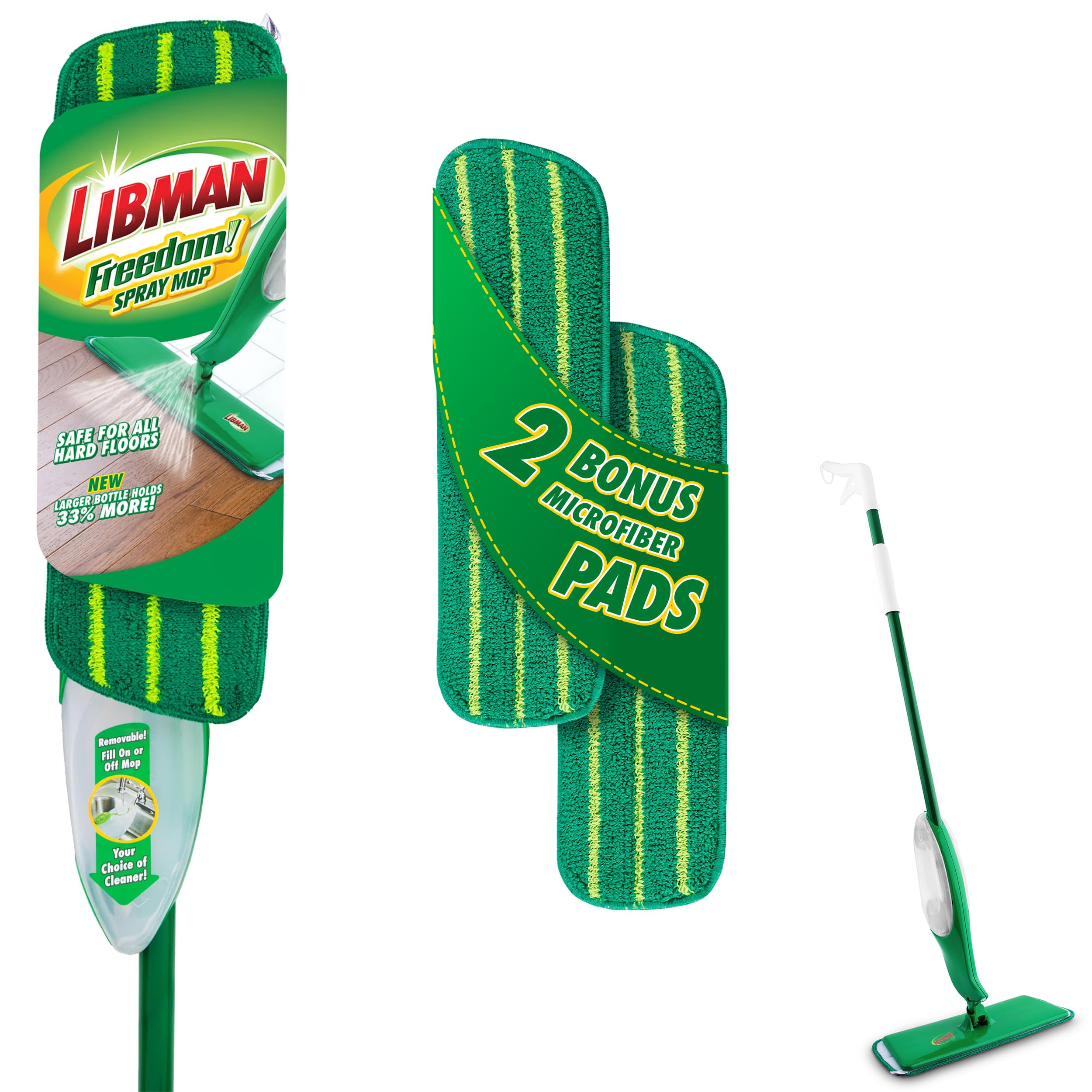
A spray mop combines a mop and a cleaning solution sprayer in one tool. You fill a refillable bottle on the handle with water or cleaner. When you press a trigger, the mop sprays a fine mist in front of the cleaning pad.
Spray mops are popular with busy people. If you spill juice, you just spray and wipe—no bucket needed. Most spray mops also use microfiber pads, but some use disposable pads.
Key features of spray mops:
- Built-in spray system: Add your own cleaning liquid.
- No heavy buckets: Great for quick cleaning jobs.
- Easy to store: Slim design fits in small closets.
Spray mops are especially good for apartments, small rooms, or anyone who wants to clean up fast. You can use them for daily spills or a quick floor refresh before guests arrive.
How Do Microfiber And Spray Mops Compare?
Let’s look at how each mop performs in real life. The table below compares the most important features side by side.
| Feature | Microfiber Mop | Spray Mop |
|---|---|---|
| Cleaning Power | High (removes 99% bacteria) | Good (depends on cleaning solution) |
| Ease of Use | Lightweight, simple design | One-step spray and mop |
| Cost | Low (reusable pads) | Medium (may need replacement parts) |
| Eco-Friendliness | Very good (less waste) | Varies (depends on pad type) |
| Speed | Fast for large areas | Fast for small messes |
One insight many beginners miss: the cleaning pad is more important than the handle. Both types often use microfiber, but the pad’s thickness and quality can change how well it picks up dirt.
Pros And Cons Of Microfiber Mops
Understanding the strengths and weaknesses of microfiber mops helps you decide if they fit your needs.
Advantages
- Deep cleaning: Microfiber grabs tiny particles, reducing dust and allergens.
- Saves money: Washable pads last months or even years.
- Protects floors: Gentle on wood and laminate, won’t scratch.
- Adjustable: Many handles extend, useful for tall or short people.
- Eco-friendly: Less waste from reusable pads and less water used.
Disadvantages
- Needs washing: You must clean the pads often, or they lose effectiveness.
- Manual wetting: You have to dip the pad in water or spray the floor before mopping.
- Can’t spot clean quickly: Not as handy for one small spill.
A non-obvious tip: never use fabric softener when washing microfiber pads. It clogs the fibers and reduces cleaning power.

Credit: www.amazon.com
Pros And Cons Of Spray Mops
Spray mops offer a different set of benefits and drawbacks.
Advantages
- Quick cleanup: Perfect for sudden spills or sticky spots.
- No bucket needed: Saves time and mess.
- Easy to use: Just squeeze the trigger and mop.
- Custom cleaning: Fill the bottle with your favorite solution—just water, vinegar, or a store-bought cleaner.
- Good for small spaces: Works well in kitchens, bathrooms, and entryways.
Disadvantages
- Small water tank: Runs out quickly if you clean large rooms.
- Sprayer can clog: Some models develop problems with the nozzle.
- Ongoing costs: If you use disposable pads, you’ll need to buy refills.
- Not as deep cleaning: May not scrub tough dirt as well as a soaked mop.
A useful tip: always rinse the spray bottle after using strong chemicals, or the sprayer may clog.
Which Mop Is Better For Different Floor Types?
Not all floors are the same. The best mop often depends on what you’re cleaning.
| Floor Type | Microfiber Mop | Spray Mop |
|---|---|---|
| Hardwood | Excellent (gentle, removes dust) | Good (if using gentle cleaner) |
| Tile | Very good (scrubs grout lines) | Good for surface cleaning |
| Laminate | Excellent (uses less water) | Good (avoid too much liquid) |
| Vinyl | Very good | Very good |
| Stone | Check pad compatibility | Check cleaner type |
For sensitive surfaces like waxed wood or marble, always check the manufacturer’s cleaning advice. Some floors can be damaged by strong chemicals or too much water.
Comparing Maintenance And Durability
How much work does each mop need over time? Let’s break it down.
Microfiber Mop Maintenance
- Wash the pads after each use. Most can go in the washing machine.
- Check for wear: Replace pads when they look thin or stained.
- Clean the frame: Wipe the handle and frame with a damp cloth.
A well-cared-for microfiber mop can last several years. Some users report pads staying effective for over 300 washes.
Spray Mop Maintenance
- Rinse the spray bottle after every use, especially if using homemade solutions.
- Clear the nozzle: If the spray stops working, soak in warm water to unclog.
- Replace pads: Use washable microfiber pads if you want to save money, or buy new disposable pads as needed.
Spray mop parts (like the trigger or tank) may break after one to two years, especially with heavy use. Buying a model with available replacement parts is smart.
One beginner mistake: leaving cleaning solution in the spray bottle for weeks. This can lead to mold or bad smells.
Cost Comparison: Microfiber Mop Vs Spray Mop
Many buyers want to know, “Which mop saves money in the long run? ” Here’s a cost breakdown.
| Item | Microfiber Mop | Spray Mop |
|---|---|---|
| Initial Price | $15 – $40 | $20 – $60 |
| Pad Replacement | $10 (for 4-6 pads, yearly) | $8 – $25 (yearly, depends on pad type) |
| Cleaning Solution | Usually water/vinegar | Often special solution or DIY mix |
| Average Annual Cost | $10 – $20 | $20 – $50 |
While spray mops can be more expensive upfront, the real cost depends on how often you mop and whether you buy disposable pads. Microfiber mops often cost less over several years.
Practical Scenarios: Which Mop For Which User?
Here are examples to help you decide based on real-life needs.
- Busy parents: Spray mop is great for cleaning up juice spills and muddy footprints quickly.
- Pet owners: Microfiber mop picks up pet hair and dander better, plus it’s easy to wash.
- Elderly or people with back pain: Both are lighter than traditional mops, but the spray mop avoids heavy buckets.
- People with allergies: Microfiber mop traps allergens more effectively.
- Apartment dwellers: Spray mops are perfect for small spaces with less storage.
Another insight: in homes with both kids and pets, many people keep both mops—spray mop for spot cleaning, microfiber for weekly deep cleans.
Common Buyer Mistakes To Avoid
Many shoppers regret their mop choice because of these mistakes:
- Ignoring pad quality: A cheap mop with a thin, low-quality pad won’t clean well—even if the handle looks strong.
- Overusing cleaning liquid: Too much cleaner can make floors sticky or damage wood.
- Not checking pad replacements: Some brands stop selling refills after a year, leaving you stuck.
- Assuming all spray mops fit all cleaners: Some mops break if you use vinegar or homemade solutions.
- Forgetting about storage: Extra mop heads or bottles take up space. Measure your closet or cleaning area first.
Always read reviews and check if replacement parts are easy to buy online or in stores.
Credit: www.amazon.com
Environmental Impact
If you care about the planet, the type of mop you choose makes a difference. Microfiber mops are usually better because the pads last longer, creating less waste. Most can be washed hundreds of times. Look for brands that use recycled materials in their mop pads.
Spray mops can be eco-friendly if you use washable pads and homemade solutions. But if you rely on disposable pads or single-use bottles, waste adds up quickly. Some cities now ban certain disposable mop pads because they don’t break down in landfills.
For more on eco-friendly cleaning, see this resource from the US EPA Safer Choice.
Making The Right Choice
Choosing between a microfiber mop and a spray mop depends on your floors, cleaning habits, and budget.
- If you want deep cleaning, save money, and reduce waste, a microfiber mop is the best choice.
- If you need quick, easy cleaning for small messes or have limited storage, a spray mop will serve you well.
- For many, the ideal solution is having both: Use the spray mop for daily touch-ups and the microfiber mop for weekly deep cleans.
Remember, the best mop is the one that makes you clean more often—because it’s easy to use and fits your life.
Frequently Asked Questions
What Is The Main Difference Between A Microfiber Mop And A Spray Mop?
A microfiber mop is a traditional mop with a reusable microfiber pad that you wet before use. A spray mop has a built-in sprayer for cleaning solution, letting you spray and mop in one step. Some spray mops use microfiber pads, so the main difference is in how you apply the cleaning liquid.
Can I Use A Microfiber Pad On A Spray Mop?
Yes, most spray mops are designed to work with microfiber pads. Check your mop brand to make sure, but many let you use either disposable or reusable pads.
Are Spray Mops Safe For Hardwood Floors?
Spray mops can be safe for hardwood if you use a gentle cleaner and don’t over-wet the floor. Always use a damp, not soaking-wet, pad. Some hardwood manufacturers recommend using only microfiber mops with water.
How Often Should I Wash Microfiber Mop Pads?
For best results, wash microfiber pads after every use. This keeps them effective and prevents bacteria or odors. Avoid bleach or fabric softener; use regular detergent and air dry or tumble dry low.
Which Mop Is Better For People With Allergies?
A microfiber mop is usually better for allergy sufferers. The fine fibers trap dust, pollen, and pet hair more effectively, so fewer allergens stay in the air. Many hospitals use microfiber mops for this reason.