Microwave Oven Power Levels Explained For Cooking Different Foods
Have you ever wondered why your microwave has different power levels? Maybe you’ve noticed that your leftovers sometimes come out dry, or your chocolate burns before it melts. Understanding microwave oven power levels is the key to better results. Cooking with the right setting can mean the difference between a soggy pizza and a crispy slice, or a rubbery egg and a fluffy omelet. If you want to use your microwave for more than just reheating coffee, it’s time to learn how power levels work and how to use them for different foods.
How Microwave Power Levels Work
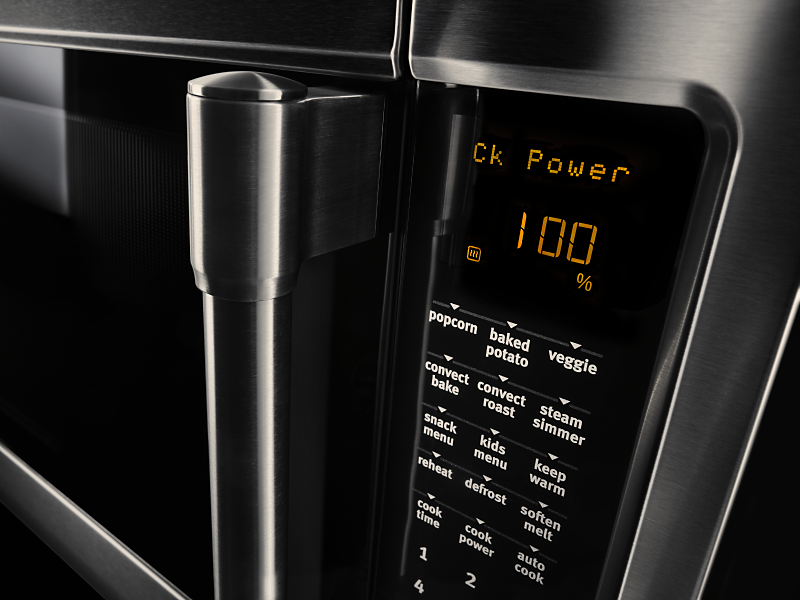
When you set your microwave to 100%, it’s working at full power—usually between 600 and 1200 watts. But what happens at 50% or 30%? Microwave ovens don’t reduce the energy sent out; instead, they cycle the magnetron (the part that generates microwaves) on and off. For example, at 50%, the microwave is on for half the time and off for the other half. This cycling allows food to heat more gently, which is important for delicate foods.
Most microwaves let you choose power levels in 10% steps, from 10% (low) up to 100% (high). Here’s a quick look at what these numbers mean:
| Power Level (%) | How It Works | Common Uses |
|---|---|---|
| 100% (High) | Continuous microwaves | Boiling water, reheating pizza |
| 70-80% (Medium-High) | On 7-8 seconds, off 2-3 seconds | Cooking meat, casseroles |
| 50% (Medium) | On 5 seconds, off 5 seconds | Thawing, gentle cooking |
| 30-40% (Low-Medium) | On 3-4 seconds, off 6-7 seconds | Defrosting, melting chocolate |
| 10-20% (Low) | Short bursts | Softening butter, proofing dough |
Why Power Levels Matter
Using the right power level helps you avoid common microwave problems:
- Uneven cooking: High power can heat the outside too fast, leaving the inside cold.
- Drying out food: Full power evaporates moisture quickly.
- Burning delicate foods: Chocolate, cheese, and eggs are easy to overcook.
Microwaves heat food from the outside in. Lower power lets heat move inward before the outside gets too hot. This is why many packaged foods instruct you to use a certain power level.
Credit: ecolipak.com
Power Levels For Common Foods
Every food reacts differently in the microwave. Here’s how to match power level with what you’re cooking.
1. Reheating Leftovers
Most leftovers do best at medium (50-70%) power. This keeps moisture in and avoids overcooking.
- Rice, pasta, casseroles: Use 50-60% and cover with a microwave-safe lid or wrap.
- Pizza: Try 70-80% and place a cup of water nearby to keep the crust from getting too tough.
- Meats: Reheat at 50% to avoid drying out.
2. Defrosting
Use the defrost setting (often 30-40% power) for frozen foods. Defrosting at high power starts to cook the edges while the center is still frozen.
- Meat: Use 30% power. Turn halfway through.
- Baked goods: 20-30%. Wrap in a paper towel for best texture.
3. Cooking Vegetables
Fresh and frozen vegetables need moisture but can dry out quickly.
- Fresh vegetables: 70-80% power with a little water added.
- Frozen vegetables: 60-70% power, covered, to steam gently.
4. Melting Chocolate And Butter
Both burn quickly at high power. Use low power (20-30%) and check every 20-30 seconds.
- Chocolate: 30% power, stir often.
- Butter: 20% power for softening; 30% for melting.
5. Eggs
Eggs are tricky in the microwave—they cook fast and can explode.
- Scrambled eggs: 50% power, stir every 30 seconds.
- Poached eggs: 50% power, use a microwave-safe mug with water.
6. Cooking Meat
Meat needs even heating to avoid tough spots.
- Chicken, beef, pork: Start at 70-80% power.
- Fish: 50-60% power, covered, to keep it moist.
7. Baking And Proofing
Baking bread or cakes in the microwave is possible, but use low power for proofing dough.
- Proofing yeast dough: 10-20% power, short bursts of 10-15 seconds.
- Baking mug cakes: 70-80% power for even rising.
How To Choose The Right Power Level
Start by checking the food label or recipe. If not available, consider these:
- Delicate foods (chocolate, cheese, eggs): Low power
- Dense foods (meats, casseroles): Medium to high
- Liquids (water, soup): High power
When in doubt, use a lower power for a longer time. It’s easier to add time than to fix overcooked food.
Real-world Examples
Let’s look at how power levels affect different foods.
| Food | Recommended Power | Time (approx.) | Result |
|---|---|---|---|
| Pizza slice | 70% | 1 min | Evenly heated, crust not tough |
| Frozen chicken breast (defrost) | 30% | 5 min/lb | Thawed, not cooked on edges |
| Butter (soften) | 20% | 15 sec | Soft, not melted |
| Scrambled eggs | 50% | 2 min | Fluffy, not rubbery |
Mistakes To Avoid
Many people make the same errors with their microwaves. Here are two non-obvious tips that can help you get better results:
- Always cover your food: Covering with a microwave-safe lid or wrap keeps moisture in and helps food heat evenly. It also prevents splatters.
- Stir or rotate halfway: Microwaves can have hot spots. Stirring or turning your food halfway through ensures even heating.
Another common mistake is using high power for everything. For example, if you melt chocolate at 100%, you’ll likely burn it before it’s fully melted. The same applies to reheating bread, which can become hard and chewy.
Differences In Microwave Wattage
Not all microwaves are the same. Most home models range from 600 to 1200 watts, but you’ll find some as low as 500W and some commercial units up to 1800W. Cooking times are always shorter in a higher-wattage microwave.
If your microwave is lower wattage, you’ll need to:
- Increase cooking time by 10-20%
- Stir or rotate food more often
Here’s a quick wattage comparison for reheating a cup of soup:
| Microwave Wattage | Reheat Time (1 cup soup) |
|---|---|
| 600W | 2:30 min |
| 900W | 1:40 min |
| 1200W | 1:10 min |
Always check your microwave’s wattage (often found inside the door) and adjust recipes as needed.
Practical Tips For Using Power Levels
- Use lower power for foods that burn or dry out easily.
- For even results, pause and stir or rotate food during cooking.
- If you’re unsure, start with a lower power and add more time if needed.
- Microwave-safe covers or wraps are your friend.
- Let food stand for a minute after microwaving. This helps heat finish spreading.
One more insight: When defrosting, separate pieces as they begin to thaw. This prevents some parts from cooking while others remain frozen.
Foods That Need Special Attention
Some foods have a higher chance of problems in the microwave.
- Bread: Heats fast but dries out. Use 30-40% power, cover with a damp towel.
- Cheese: Melts quickly, so use 30-40% power in short bursts.
- Soup or liquids: Can “erupt” if overheated. Heat at 70-80% power, stir every 30 seconds.
Foods with skins (potatoes, hot dogs, sausages) can explode if not pierced. Always poke holes to let steam escape.
Power Level Myths
Many believe that a higher number means faster, better results. In reality, lower power often gives you more control. It’s also a myth that all microwaves heat the same way; differences in turntable design or inverter technology can change how power levels work. Some newer models use inverter technology for more even power, so settings may be more accurate than older microwaves.
Credit: www.maytag.com
When To Use Which Power Level: A Quick Guide
- 100% (High): Boiling water, cooking potatoes, heating soup fast
- 70-80% (Medium-High): Cooking dense foods, reheating leftovers
- 50% (Medium): Cooking eggs, slow reheating, softening cheese
- 30-40% (Low-Medium): Defrosting, melting chocolate, reheating bread
- 10-20% (Low): Proofing dough, softening butter
This guide works for most microwave ovens, but always check your user manual for special settings.
Resources For More Information
If you want to go deeper, check out the Wikipedia page on microwave ovens for detailed technical information.

Credit: www.amazon.com
Frequently Asked Questions
What Does Microwave Power Level Mean?
Power level means how much time the microwave spends heating. For example, 50% power heats half the time and rests the other half, so food heats more gently.
Why Do Some Foods Need Low Power In The Microwave?
Delicate foods like chocolate, cheese, and eggs can burn or get rubbery at high power. Low power gives better control and more even results.
How Do I Know What Power Level To Use?
Check your recipe or the food packaging. If it doesn’t say, start with medium power (50-70%) and adjust based on results.
Does Microwave Wattage Affect Cooking?
Yes. Higher wattage cooks food faster. If your microwave is lower wattage than a recipe suggests, increase the cooking time.
Can I Cook Everything At 100% Power?
You can, but it’s not recommended. Many foods do better at lower power to prevent burning, drying out, or uneven cooking.
Microwave ovens are more versatile than most people realize. Using the right power level helps you get the best results, save time, and avoid frustration. Next time you cook, take a moment to set the correct power—your food will thank you!