When you catch a burning smell coming from your microwave oven, it’s natural to worry. Is your food just overcooked, or is there a bigger problem? A microwave that smells like burning isn’t just unpleasant—it can signal danger, damage, or poor hygiene. Understanding why this happens, how to fix it, and how to prevent it is important for your safety and your appliance’s lifespan.
This guide walks you through the main causes, how to troubleshoot, and what to do next. Whether your microwave is new, old, or somewhere in between, you’ll find practical tips and answers here.
Why Does My Microwave Smell Like Burning?
Microwave ovens heat food quickly, but this speed can lead to problems if something goes wrong. Let’s look at the most common reasons for a burning smell.
1. Food Spills And Splatters
Leftover food or grease on the walls, ceiling, or turntable is a top cause. When you use the microwave again, old bits of food overheat and burn, creating a strong odor.
2. Overcooked Food
Sometimes, food heats unevenly or is left inside too long. Burnt popcorn, dried-out bread, or overheated leftovers can all produce a harsh, smoky smell.
3. Packaging Or Utensils
Paper, plastic, or foil that isn’t microwave-safe can melt, catch fire, or smolder. Even some plastic containers marked “microwave-safe” can warp and create smoke if overheated.
4. Electrical Problems
Internal components, such as the magnetron (the part that generates microwaves), wires, or the power board, can overheat or short-circuit. You might smell burning plastic or insulation, which is a serious warning sign.
5. Dirty Microwave Filters
Some microwaves, especially those above a stove, have a grease filter. If not cleaned, it can collect grease and food particles, which may burn and smell.
6. Old Or Damaged Parts
A worn-out turntable motor or damaged waveguide cover (the thin panel inside the microwave) can overheat and give off an electrical or burnt smell.
How To Diagnose The Problem
Before you panic or call for repairs, you can do some simple checks. Always put safety first.
Step 1: Unplug And Inspect
Unplug the microwave before opening the door or touching anything inside. Let it cool down.
- Visual check: Look for any burned food, stains, or melted plastic.
- Smell check: Open the door and sniff. Is the odor stronger inside or outside the microwave?
Step 2: Clean Thoroughly
Remove the glass tray and roller. Clean every surface inside using a mix of baking soda and water or vinegar. Pay special attention to the ceiling and corners.
Step 3: Run A Test
After cleaning, put a bowl of water inside and run the microwave for one minute. If the burning smell is gone, the problem was likely food residue.
Step 4: Check For Damage
If the smell remains, look for:
- Discolored or warped parts inside the oven
- Burn marks on the waveguide cover
- Melted plastic, especially near the ceiling or vents
If you see any of these, stop using the microwave until it’s checked by a professional.
Step 5: Listen And Observe
When you turn the microwave on (with water inside), listen for unusual noises or sparks. Turn it off immediately if you notice anything strange.
Common Causes And Their Solutions
Let’s break down the main causes of a burning smell and what you can do about each one.
Food Residue
Microwaves often trap small food particles after spills or explosions. When reheated, these bits burn and smell bad.
Solution: Clean the microwave regularly. For tough spots, microwave a bowl of water with lemon slices for five minutes. The steam loosens grime, making it easy to wipe away.
Overcooked Food
Forgotten popcorn or reheated leftovers can burn quickly.
Solution: Watch your cooking times. Use the “popcorn” button only with recommended brands. If you burn food, air out the microwave, clean it, and run it empty with a bowl of water to absorb odors.
Packaging Issues
Non-microwave-safe containers, foil, or twist ties can burn or catch fire.
Solution: Only use containers marked “microwave-safe.” Never use metal, foil, or thin plastic bags. Double-check packaging before heating.
Electrical/mechanical Problems
A burning plastic smell or smoke without visible food residue often means a hardware issue.
Solution: Stop using the microwave. Call a qualified technician. Continuing to use a faulty microwave can cause a fire.
Dirty Filters
Grease filters in over-the-range microwaves trap smoke and fat from cooking. Over time, they can clog and start to burn.
Solution: Remove and clean filters every month. Soak them in hot, soapy water, rinse, and let dry before replacing.
Waveguide Cover Problems
The waveguide cover protects important parts from food and moisture. If it’s cracked, burnt, or dirty, it can burn.
Solution: Replace a damaged waveguide cover. These are inexpensive and can be ordered online for most brands.
When To Repair Vs. Replace
A microwave oven can last 7-10 years. But not all problems are worth fixing.
| Problem | Repair Cost | Replace? |
|---|---|---|
| Food residue or dirty filter | Free (DIY) | No |
| Waveguide cover | $10–$30 | No |
| Turntable motor | $50–$100 | Maybe |
| Magnetron or wiring | $100–$250 | Often yes |
| Melted interior/plastic | High | Usually yes |
If your microwave is old, or repair costs are over half the price of a new model, replacement is usually smarter.
Preventing Burning Smells In Your Microwave
Prevention saves you time, money, and stress. Here’s how to keep your microwave fresh and safe.
Clean After Each Use
Wipe the inside with a damp cloth or paper towel. Don’t let spills dry and harden.
Use Microwave-safe Containers
Check for the microwave-safe symbol on dishes. Avoid metal, foil, and thin plastics.
Cover Food
A microwave-safe cover prevents splatters. Leave a small gap for steam to escape.
Watch Cooking Times
Start with less time and add more if needed. Don’t leave the kitchen while microwaving.
Clean Filters Regularly
If you have an over-the-range microwave, clean the grease filter every month.
Replace Worn Parts
Don’t ignore a cracked waveguide cover or a noisy turntable motor. Small repairs prevent bigger problems.
Air It Out
If you burn food, open the microwave door and kitchen window. Place a bowl of baking soda inside overnight to absorb smells.
Real-world Examples
Let’s look at some real situations and what happened.
Burnt Popcorn
Microwaved popcorn is a common cause of burning smells. One burnt batch can leave a strong odor for days. Immediate cleaning and airing out can help, but sometimes the smell lingers in the filter or fan.
Melting Plastic Container
Someone microwaved takeout in a thin plastic container. It melted and stuck to the turntable. The microwave filled with a sharp chemical smell. Cleaning removed the mess, but the plastic odor stayed for several uses.
Electrical Short
A family noticed a burning plastic smell but couldn’t find any food inside. After unplugging, they found scorch marks near the waveguide cover. A technician found a faulty magnetron. The microwave was replaced due to age and repair cost.

Credit: www.youtube.com
How A Microwave Oven Works (and Why It Matters)
Understanding the basics helps you spot problems.
Microwaves are a type of energy. The magnetron produces microwaves, which bounce around inside and make water molecules in food vibrate. This creates heat, cooking the food from the inside out.
A few key parts:
- Magnetron: Makes the microwaves.
- Waveguide cover: Directs energy into the oven.
- Turntable: Rotates food for even heating.
- Grease filter: Traps fat and smoke (over-the-range models).
If any part overheats or breaks, you may smell burning.
Safety Tips: What To Do If You Smell Burning
If you notice a burning odor, take these steps immediately:
- Stop the microwave. Unplug it.
- Open the door to release smoke.
- Check for fire. If you see flames, use a kitchen fire extinguisher or baking soda (never water on electrical fires).
- Ventilate the kitchen. Open windows and doors.
- Inspect inside. Look for burned food, melted parts, or soot.
- Do not use the microwave again until you know it’s safe.
Comparing Microwave Odors: What’s Normal, What’s Not
Not all smells mean trouble. Here’s how to tell the difference.
| Odor | Possible Cause | Is It Dangerous? |
|---|---|---|
| Burnt food (popcorn, bread) | Overcooking | No, but clean ASAP |
| Plastic smell | Melted container or part | Yes, check for damage |
| Electrical smell | Wiring or magnetron overheating | Yes, unplug and repair |
| Fishy, sour, or stale | Old spills, dirty filter | No, but clean |
If you’re unsure, always err on the side of safety.
Microwave Oven Maintenance Checklist
Regular maintenance keeps your microwave smelling fresh and working well.
- Wipe the inside after each use
- Deep clean weekly (steam with lemon or vinegar)
- Wash the turntable and roller
- Check and replace the waveguide cover if damaged
- Clean the grease filter monthly
- Inspect the power cord and plug for wear
- Test with a bowl of water if you notice odors
Following these steps can prevent most burning smells.
Non-obvious Insights Most People Miss
While most users focus on cleaning visible surfaces, two less obvious tips make a big difference:
- Don’t ignore the ceiling: Food and grease often splatter up, not just on the sides or turntable. The ceiling is easy to miss but needs regular cleaning.
- Check the fan and vents: Many burning smells come from the microwave’s fan or vents (especially over-the-range models). Grease and dust build up here and can burn. Use a vacuum or small brush to clean these areas every few months.
Also, if your microwave is always producing a burning smell with no visible reason, the problem could be inside the wiring or magnetron. These are not user-serviceable. Don’t try to open the microwave yourself, as high voltage remains even after unplugging.
When To Call A Professional
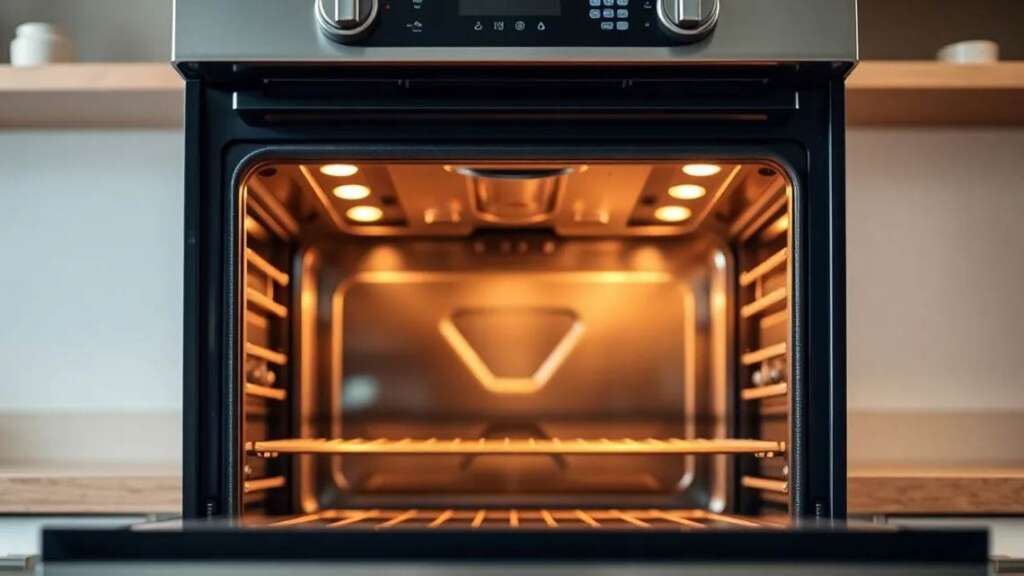
Some problems are too risky to fix yourself. Call a qualified technician if you notice:
- A burning plastic or electrical smell with no food present
- Smoke from the vents or behind the microwave
- The microwave trips your circuit breaker
- Sparks, arcing, or visible flames inside
- Melted or discolored internal parts
Trying to repair electrical components yourself can be dangerous. Always choose safety over saving a few dollars.
Credit: appliancerepairteodor.com
The Environmental Impact Of Microwave Repair Vs. Replacement
Throwing away a microwave isn’t just a financial decision—it impacts the environment. Microwaves contain metals, plastics, and electronics that need proper recycling.
- Repair when possible, especially for minor parts (turntable, waveguide cover).
- Replace only if the main components fail or the cost is too high.
Many cities offer electronics recycling. Never put your old microwave in regular trash.
Are All Microwaves The Same?
Microwaves come in many shapes and designs, and some are more prone to burning smells due to their features.
| Type | Has Grease Filter? | Common Issues |
|---|---|---|
| Countertop | No | Food residue, burnt containers |
| Over-the-range | Yes | Grease filter burns, dirty vents |
| Built-in | Maybe | Hard-to-clean vents |
| Commercial | Varies | Heavy use, fast buildup |
Knowing your microwave’s type helps you spot likely causes of odors.
Credit: www.reddit.com
Choosing A New Microwave: What Matters
If your microwave is beyond repair, here’s what to consider:
- Size and Power: Match your kitchen space and cooking needs.
- Easy-to-clean interior: Models with ceramic or stainless steel interiors are easier to keep odor-free.
- Replaceable parts: Look for microwaves with easy-to-change filters and waveguide covers.
- Safety features: Child lock, automatic shutoff, and overheating sensors add peace of mind.
- Warranty and support: A longer warranty can save money on repairs.
Don’t be swayed only by price. A slightly more expensive model with better features can save you headaches in the long run.
Useful Resources
For more about microwave safety and cleaning, the Consumer Reports site gives thorough advice on safe use and maintenance.
Frequently Asked Questions
Why Does My Microwave Smell Like Burning Even After Cleaning?
If you’ve cleaned thoroughly but the smell persists, it could be burnt plastic, a damaged waveguide cover, or a failing electrical component. In this case, stop using the microwave and have it checked by a professional.
Is It Safe To Use A Microwave That Smells Like Burning?
No. While some smells come from food, a persistent burning or plastic odor can signal a serious issue. Always unplug and inspect the microwave before further use.
How Do I Remove A Burnt Smell From My Microwave?
Place a bowl of water with lemon slices or baking soda inside and heat for five minutes. Let it sit with the door closed for an hour, then wipe clean. Repeat if needed.
What Happens If I Microwave Metal Or Foil?
Metal reflects microwaves, which can cause sparks, arcing, and even fire. Never put metal, foil, or utensils with metallic trim in your microwave.
How Often Should I Clean My Microwave?
For best results, wipe spills after every use and deep clean once a week. Clean filters monthly if your microwave has them.
A microwave oven is a modern convenience, but it needs regular care. A burning smell is a warning you shouldn’t ignore. With good habits and quick action, you’ll keep your kitchen safe and your microwave running smoothly.