Skip to content
Cooking rice is a daily task in many homes, but the way you cook it can make a big difference. Some people love using a rice cooker for its simplicity and convenience. Others prefer the stove top method, saying it gives them better control and flavor. If you’re new to cooking or want to improve your rice, understanding these two methods will help you decide which suits your lifestyle. This guide looks at both, comparing their strengths, weaknesses, and what you can expect in real life.
How Rice Cookers Work
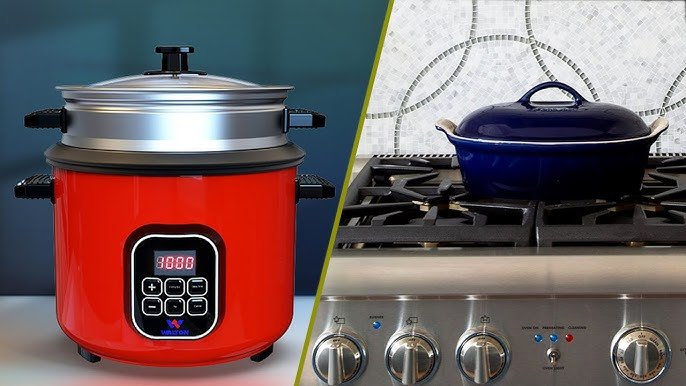
A rice cooker is an electric kitchen appliance designed for cooking rice. You add rice and water, press a button, and the device does the rest. Most rice cookers use a heating plate at the bottom, and a temperature sensor detects when the water has been absorbed or evaporated. The cooker then switches to “keep warm” mode, so your rice doesn’t burn.
Modern rice cookers often offer extra features:
- Digital timers for delayed cooking
- Multiple settings for different types of rice (white, brown, sushi, etc.)
- Steaming trays for vegetables or fish
These features can make a busy schedule easier, especially if you cook rice often.
Stove Top Cooking Explained
Stove top rice cooking is the traditional way. You use a pot with a lid, add rice and water, and control the heat manually. This method gives you more control over the process, but it also requires more attention. You need to watch for boiling over, adjust the heat, and make sure the rice doesn’t stick or burn.
There are several stove top techniques:
- Absorption method (water is fully absorbed)
- Boil and drain (like pasta)
- Pilaf method (sautéing rice before adding water)
Different types of rice may need slight changes in water ratios or cooking times on the stove.
Comparing Convenience And Ease Of Use
Rice Cooker
Using a rice cooker is simple:
- Measure rice and water.
- Press a button.
- Wait for the rice to finish.
It’s hard to overcook or burn the rice with a rice cooker. The “keep warm” setting keeps rice hot for hours, which is perfect for families with different meal times.
Stove Top
Stove top cooking requires:
- Measuring ingredients.
- Watching the heat.
- Checking for doneness.
The risk of boiling over, burning, or undercooking is higher. But, for many, the process is part of the fun.
Comparison Table
| Feature | Rice Cooker | Stove Top |
|---|---|---|
| Ease of Use | Very easy | Moderate |
| Hands-On Time | Low | High |
| Burn Risk | Low | Medium/High |
| Keep Warm | Yes | No |
Taste And Texture Differences
Taste is subjective, but there are real differences in rice texture between the two methods.
Rice Cooker
Rice cooked in a rice cooker is usually fluffy and consistent. Many people say rice from a cooker is more moist, which is great for sushi or Asian dishes. The temperature control helps avoid burning, especially with sticky or short-grain rice.
Stove Top
Stove top rice can be drier or firmer, depending on your method. Some cooks prefer this for pilaf, biryani, or Spanish rice. The stove allows you to make adjustments during cooking. For example, you can add more water if the rice is too dry, or cook uncovered for a crust (as in Persian tahdig).
Data Table: Typical Texture Results
| Method | Typical Texture | Best For |
|---|---|---|
| Rice Cooker | Moist, fluffy, uniform | White rice, sushi rice, brown rice |
| Stove Top | Adjustable, can be dry or sticky | Pilaf, risotto, biryani, crispy rice dishes |
Cooking Time And Batch Sizes
Rice Cooker
Most rice cookers take 20–40 minutes to cook a typical batch (1–3 cups uncooked rice). High-end models can handle up to 10 cups or more, making them ideal for large families or gatherings. The “set and forget” feature is valuable if you multitask in the kitchen.
Stove Top
Stove top rice usually takes 15–25 minutes for white rice and 35–45 minutes for brown rice. You can make any quantity, but large batches need careful attention to avoid uneven cooking.
Real-world Example
If you cook rice once a week for two people, either method works well. For a big family that eats rice daily, a rice cooker saves time and energy.
Energy Efficiency And Cost
Rice Cooker
A standard rice cooker uses 300–700 watts per hour. The energy cost is low, and most of the heat stays inside the pot. While there’s an upfront cost ($20–$200), even basic models last for years with little maintenance.
Stove Top
Stove top cooking uses a gas or electric burner, which may use more energy per batch, especially if the pot is thin or not covered well. However, you don’t need to buy any extra appliances.
Cost Table
| Factor | Rice Cooker | Stove Top |
|---|---|---|
| Initial Cost | $20–$200 | $0 (uses existing pot) |
| Energy Use (per batch) | Low | Moderate |
| Maintenance | Wipe and clean | Wash pot/lid |
Credit: www.youtube.com
Versatility In The Kitchen
Rice Cooker
Many modern rice cookers can do more than just rice. You can steam vegetables, cook oatmeal, make soups, and even bake cakes in some models. This versatility is useful in small kitchens.
Stove Top
A pot on the stove is extremely versatile. You can cook rice, soups, pasta, stews, and much more. You have complete control over temperature and can adjust recipes on the fly.
Non-obvious Insight
Many beginners don’t realize that some rice cookers struggle with very small or very large batches. If you often cook just one serving, the cooker might leave grains undercooked or stick to the bottom. On the stove, you can adjust the water or heat instantly for any batch size.
Cleaning And Maintenance
Rice Cooker
Most rice cookers have a nonstick inner pot. This makes cleaning fast—usually just a quick rinse or wipe. However, if rice dries out, it can stick, making cleaning harder. The lid and steam vent also need regular cleaning to prevent buildup.
Stove Top
Cleaning a pot is simple, but sticky or burnt rice can be tough to scrub. Stainless steel pots often require more soaking and effort if rice sticks.
Practical Tip
To avoid sticky messes, always rinse rice before cooking (removes excess starch). A few drops of oil in the water can also help prevent sticking, for both methods.
Common Mistakes To Avoid
Rice Cooker Mistakes
- Using wrong water ratio: Each cooker is different; follow its manual.
- Not rinsing rice: Leads to sticky or gummy rice.
- Leaving rice in “keep warm” too long: Can dry out or burn the bottom layer.
Stove Top Mistakes
- Lifting the lid too soon: Lets out steam and stops rice from cooking evenly.
- Cooking on high heat: Often burns the bottom before the top is done.
- Not letting rice rest: Give it 5–10 minutes off heat with the lid on for fluffier texture.
Which Method Is Best For You?
There is no universal answer. Your best choice depends on your needs.
- Busy families or students: Rice cooker is a time-saver.
- Cooking for a crowd: Rice cooker handles big batches well.
- Trying specialty rice dishes: Stove top offers more flexibility.
- Limited kitchen space or budget: Stove top requires no extra appliances.
If you cook rice every day, a rice cooker can quickly become your favorite kitchen tool. For occasional rice, or if you love experimenting, the stove top method offers creativity.
Credit: bowlsarethenewplates.com
Environmental Impact
Rice cookers are usually more energy-efficient for small to medium batches because they trap heat well. Stove top cooking can use more energy, especially if you use gas, which is less efficient than electric. If sustainability is important, choose a rice cooker with an automatic shut-off and always cook full batches to maximize energy use.
Health And Nutrition
Both methods keep the nutrients in rice. However, if you use the boil-and-drain method on the stove, some vitamins (like B-vitamins) can be lost in the drained water. Absorption methods (like rice cookers or covered pots) keep these nutrients in your food.
A non-obvious tip: Avoid keeping rice warm for more than 2 hours after cooking. Warm, moist rice is a good environment for bacteria. Always cool and refrigerate leftovers quickly.
Credit: www.youtube.com
Frequently Asked Questions
Is Rice From A Rice Cooker Healthier Than Stove Top Rice?
No, the nutritional value is nearly the same if you use the absorption method. The difference comes from the type of rice and how long it is kept warm, not the cooking method.
Can I Cook Brown Or Wild Rice In Both Methods?
Yes, but brown and wild rice need more water and longer cooking times. Many rice cookers have special settings for these types, which helps prevent undercooking.
Which Method Is Better For Sticky Rice?
Rice cookers usually make sticky rice easier to prepare because of consistent heat. However, traditional sticky rice is often steamed in a basket on the stove. For perfect results, follow the specific method for your rice variety.
Can I Use A Rice Cooker For Other Foods?
Absolutely. Many rice cookers can steam vegetables, cook porridge, or even bake cakes. Check your model’s manual for special recipes. The stove top is also very versatile but requires more attention.
How Do I Prevent Rice From Sticking Or Burning?
Always rinse the rice before cooking. Use the correct water ratio, and don’t lift the lid during cooking. A few drops of oil or a nonstick pot can also help. On the stove, use low heat and let the rice rest after cooking.
Cooking rice well is not just about the method—it’s about understanding your own kitchen and preferences. Both the rice cooker and stove top have their place. Choose the one that fits your life, and don’t be afraid to try both. For more about rice cooking techniques, see the Wikipedia page on rice cookers.
With practice, you can master either method and enjoy perfect rice every time.