Cooking ground beef is a regular part of many kitchens, whether for burgers, tacos, or meat sauces. But even experienced cooks sometimes wonder: what is the safe internal temperature for ground beef? Getting this right is essential. Ground beef can carry harmful bacteria, and undercooking puts you at risk for foodborne illness.
This article will give you clear, practical advice on how to cook ground beef safely, what the risks are, and how to avoid common mistakes—even if you’re not a professional chef.
Why Internal Temperature Matters
Ground beef isn’t like a steak or roast. When beef is ground, bacteria from the surface mix throughout the meat. This means the inside can contain germs like E. coli or Salmonella. These bacteria die only when heated to a high enough temperature, so checking the doneness visually isn’t enough.
Some people believe color is a good indicator—if the meat is brown, it’s safe. However, ground beef can turn brown before reaching a safe temperature, or stay pink even when fully cooked. Only a food thermometer gives reliable results.
The Official Safe Internal Temperature
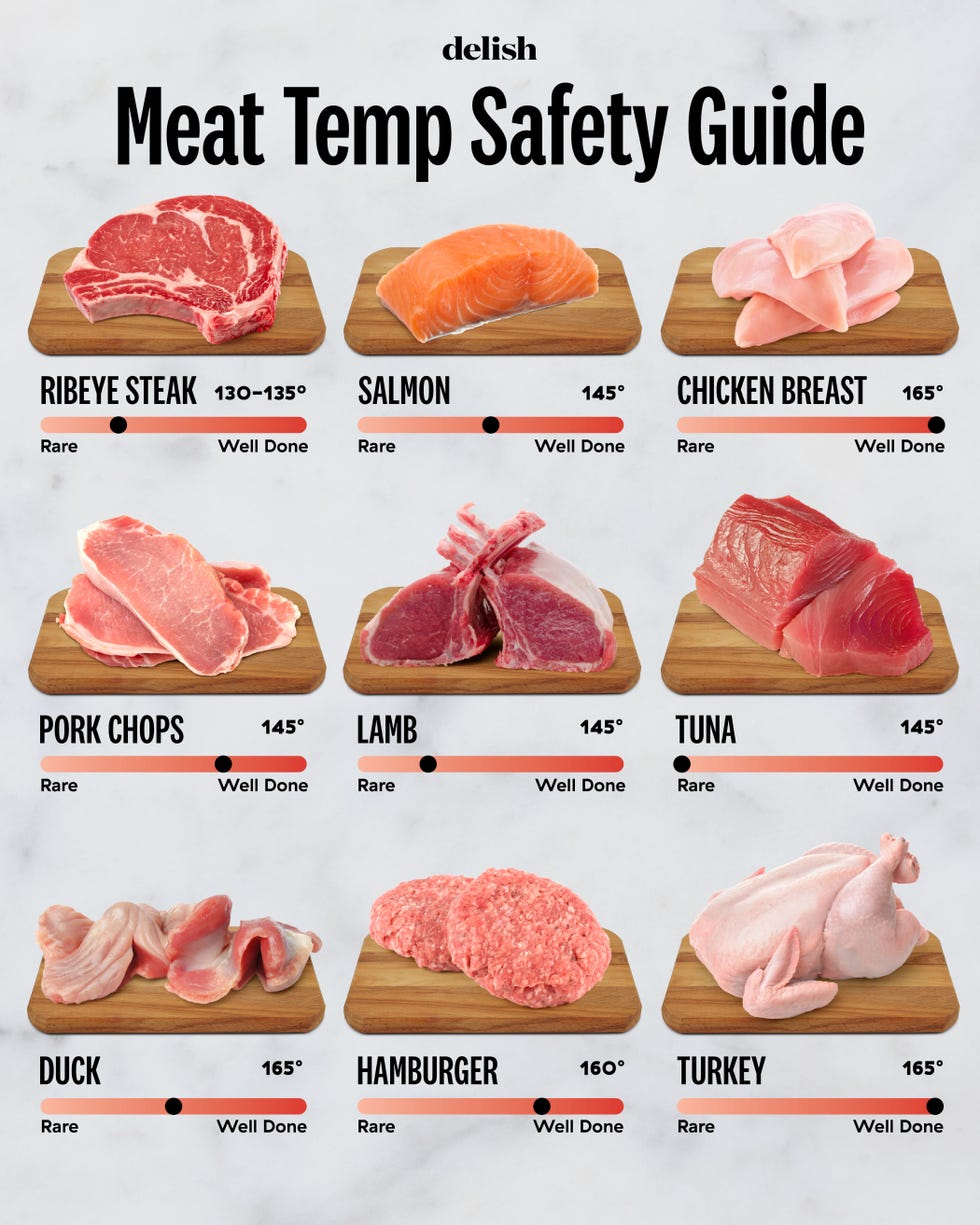
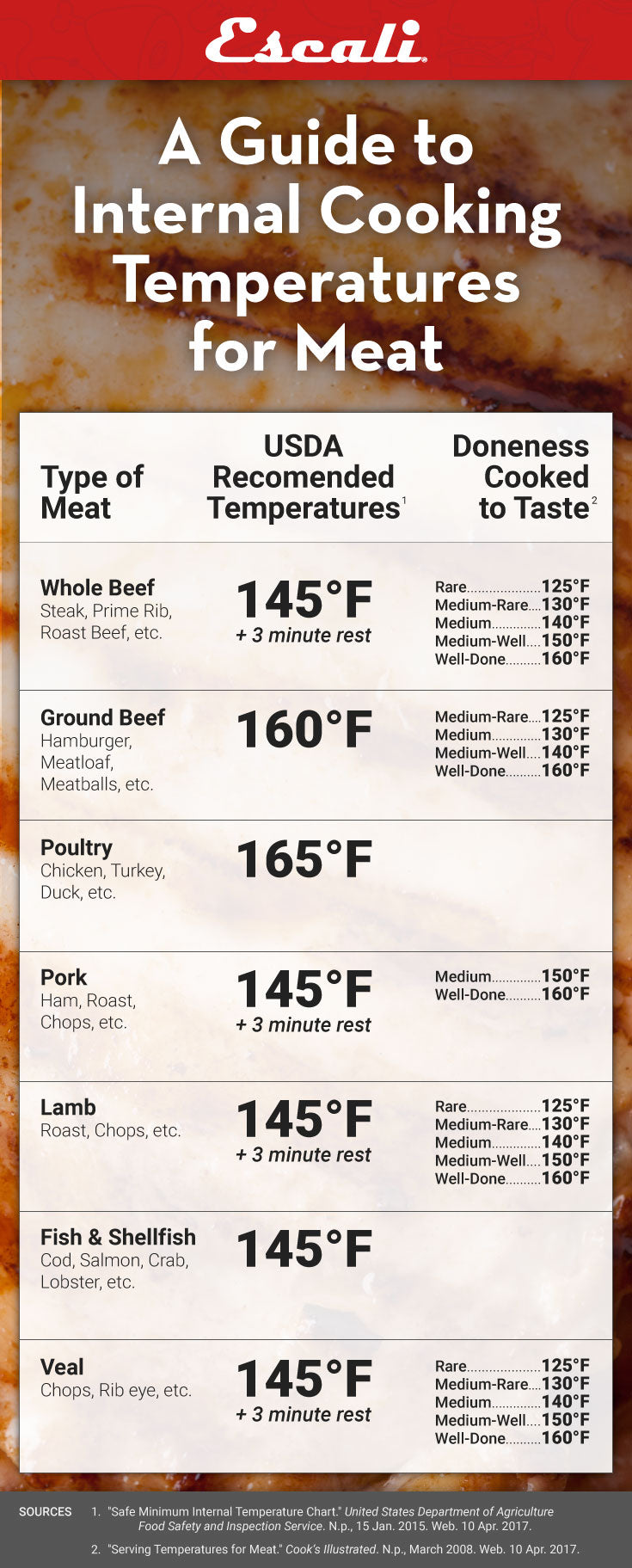
The US Department of Agriculture (USDA) sets the official guideline for ground beef. The minimum safe internal temperature is 160°F (71°C). At this temperature, harmful bacteria are killed, making the meat safe to eat.
Here’s a quick comparison of USDA recommendations for popular meats:
| Meat | Safe Internal Temp (°F) | Safe Internal Temp (°C) |
|---|---|---|
| Ground Beef | 160 | 71 |
| Ground Pork | 160 | 71 |
| Poultry (Ground) | 165 | 74 |
| Steaks/Roasts | 145 | 63 |
Notice that ground beef has a higher safe temperature than whole cuts. This is because bacteria can be present throughout the meat, not just on the surface.
Credit: nearlandmx.com
How To Measure The Internal Temperature
Using a thermometer is the only way to be sure your ground beef is safe. Here’s how to do it right:
- Insert the thermometer into the thickest part of the meat—usually the center of a burger or meatball.
- Make sure the probe is not touching the pan or grill, as this will give a false reading.
- Wait for the thermometer to stop moving, then check the temperature.
Digital instant-read thermometers work best. Avoid older dial types if possible, as they can be slow and less accurate.
Tips For Reliable Results
- Always clean your thermometer with hot, soapy water before and after use.
- Check the calibration of your thermometer from time to time. Place it in boiling water (should read 212°F/100°C) or ice water (32°F/0°C).
- If you’re cooking a large batch, check several pieces—heat can be uneven in big pans.
Why Not Cook To A Lower Temperature?
Some people like their burgers pink and juicy. But with ground beef, this is risky. Unlike steak, grinding spreads surface bacteria throughout the meat. Cooking to 160°F (71°C) is necessary to kill all germs. Even a little undercooking can leave harmful bacteria alive.
Pasteurized ground beef is available in some markets. This beef is treated to kill bacteria before you buy it. Still, always check the label and follow directions.
Factors That Affect Cooking
Not all ground beef cooks the same. Here are things that can change cooking time and temperature:
- Fat content: Higher fat beef cooks faster, but can brown outside before the inside is done.
- Thickness: Thick burgers or meatloaf need more time to reach 160°F.
- Starting temperature: Cold meat from the fridge takes longer to cook through.
- Cooking method: Stovetop, grill, oven, or sous vide all heat differently.
Here’s a comparison of how long it typically takes to reach safe temperature for different ground beef dishes:
| Dish | Typical Thickness | Estimated Cook Time (to 160°F) |
|---|---|---|
| Burger Patty | 1/2 inch | 6–7 minutes per side |
| Meatballs | 1–1.5 inches | 15–20 minutes (baked) |
| Meatloaf | 2–3 inches | 50–60 minutes (baked) |
| Taco Filling | crumbled | 8–10 minutes (stovetop) |
These are only estimates. A thermometer is the only way to know for sure.
Common Mistakes When Cooking Ground Beef
People often make the same errors when trying to cook ground beef safely. Here are some to watch for:
- Guessing by color: As mentioned, color does not guarantee safety.
- Using the wrong thermometer: Meat thermometers for whole roasts are often not precise enough for burgers or crumbled beef.
- Not checking the center: The outside can be hot and brown, but the inside may still be undercooked.
- Skipping thermometer cleaning: Not cleaning after each use can spread bacteria.
- Letting cooked beef sit out: Bacteria can grow quickly at room temperature. Serve hot, or refrigerate within 2 hours.
Resting Time: Is It Needed?
For large cuts of beef, resting time lets juices settle and the temperature rise a bit more. With ground beef, especially burgers or crumbles, resting is not required for safety. Once the internal temperature hits 160°F, it’s ready to eat.
However, letting meatloaf or thick patties rest for a few minutes can improve texture and flavor.
The Dangers Of Undercooked Ground Beef
Eating undercooked ground beef can lead to food poisoning. This is a real risk, not just a warning. Common symptoms include:
- Upset stomach
- Vomiting
- Diarrhea
- Fever
Young children, the elderly, pregnant women, and people with weak immune systems are at higher risk for serious illness.
The Centers for Disease Control and Prevention (CDC) reports thousands of foodborne illness cases each year from undercooked beef. Some lead to hospital stays or worse. Using a thermometer every time is the simplest way to protect your family.
Credit: jansarkanderlubin.pl
The Role Of Carryover Cooking
Carryover cooking means food continues to cook even after you remove it from heat. This effect is small for burgers and crumbled beef but more noticeable in thick meatloaf. If you pull meatloaf from the oven at 158°F, it might reach 160°F while resting.
But for safety, aim for the full 160°F before serving. Don’t rely on carryover with thin burgers or loose ground beef.
How To Handle Leftovers Safely
Cooking ground beef to the right temperature is just one part of food safety. How you store and reheat leftovers matters too:
- Refrigerate within 2 hours of cooking.
- Store in shallow containers to cool quickly.
- Eat leftovers within 3–4 days.
- Reheat to 165°F (74°C) before eating.
Never taste or eat ground beef that smells off or has been left out overnight, even if it looks fine.
Special Cases: Ground Beef For Children, Elderly, And Pregnant Women
Certain groups are more at risk from foodborne illness. For babies, elderly people, pregnant women, and those with weak immune systems, the 160°F rule is even more important. Avoid rare or medium burgers for these groups. When in doubt, cook a little longer and always check with a thermometer.
Additional Tips For Safe And Delicious Ground Beef
Cooking ground beef safely doesn’t mean you have to give up flavor or texture. Here are some tips:
- Don’t press burgers with a spatula while cooking. This squeezes out juices and can make them dry.
- Season after forming patties, not before. Salt draws out moisture if mixed in early.
- Use a light touch—overmixing makes dense, tough burgers.
- For juicy meatloaf, add a little milk or soaked breadcrumbs.
- Brown ground beef in batches. Crowding the pan cools it down and leads to steaming instead of browning.

Credit: www.spokanedistanceproject.com
How Restaurants And Food Services Monitor Safety
Restaurants must follow strict rules for cooking ground beef. The FDA Food Code requires that all ground beef for burgers, meatballs, and casseroles reach at least 155°F for 15 seconds, or 160°F if cooked to order. Many use specialized thermometers and log temperatures for each batch.
Some chains use time and temperature logs to guarantee safety. They may discard any beef not reaching the right temperature. This is why your fast-food burger is always well-done.
Emerging Trends: Sous Vide And Ground Beef
Sous vide cooking is popular for steak, but it’s also used for ground beef. This method cooks meat in a water bath at a precise temperature, often lower than traditional cooking. However, for ground beef, the USDA still recommends reaching 160°F.
Some advanced sous vide recipes use a lower temperature for a longer time to kill bacteria, but this is best left to professionals who understand the risks.
If you use sous vide at home, always check guidelines and use a thermometer to confirm safety.
The Science Behind 160°f (71°c)
Why did the USDA choose 160°F? Scientific tests show that most harmful bacteria die quickly at this heat. In studies, E. coli is destroyed in seconds at 160°F. Lower temperatures may not be enough unless held for a long time, which isn’t practical in home kitchens.
Some chefs argue that high-quality ground beef can be eaten rare. This is risky unless the beef is ground fresh and handled perfectly—something hard to guarantee outside a professional kitchen.
Real-world Example: E. Coli Outbreaks
Multiple E. coli outbreaks in the US have been traced to undercooked ground beef. In 1993, a major outbreak linked to fast-food hamburgers led to new laws and higher public awareness. Hundreds got sick, and some cases were fatal. These events are rare now, but they show the importance of cooking ground beef safely.
Comparing Food Safety Standards Globally
Not all countries use the same guidelines. Here’s a comparison of safe internal temperatures for ground beef in different regions:
| Country/Region | Recommended Internal Temp | Notes |
|---|---|---|
| United States | 160°F (71°C) | USDA standard |
| Canada | 160°F (71°C) | Health Canada |
| European Union | 158°F (70°C) | EFSA guideline |
| Australia | 160°F (71°C) | Food Standards Australia |
The differences are small, but all agree on heating ground beef to near 160°F for safety.
Non-obvious Insights For Home Cooks
Many home cooks forget that grinding meat at home is safer than buying pre-ground. If you grind your own beef and cook it right away, the risk of bacteria drops. Still, always follow the temperature guidelines.
Another point: mixing ground beef with other meats (like pork or veal) means you must cook to the highest safe temperature required—usually 160°F.
One Last Check Before You Serve
Before serving, always double-check the thickest part of the meat. If you’re cooking for a group, check at least two or three pieces. This is especially important if you’re grilling or using a pan where heat can be uneven.
Stay Safe And Enjoy Your Meal
Cooking ground beef to the right temperature protects your family and your guests. The safe internal temperature for ground beef is 160°F (71°C), and a simple food thermometer is your best tool. Don’t guess—check every time. You’ll enjoy your meal with confidence, knowing it’s both safe and delicious.
If you want more detail on food safety, the official USDA site is a trusted resource: USDA Food Safety Basics.
Frequently Asked Questions
What Is The Safe Internal Temperature For Ground Beef?
The safe internal temperature is 160°F (71°C). Use a food thermometer to check the thickest part of the meat.
Can I Eat Ground Beef That Is Still Pink Inside?
No, color is not a reliable sign of doneness. Ground beef can remain pink even when safe, or turn brown before reaching 160°F. Always use a thermometer.
Do I Need To Let Ground Beef Rest After Cooking?
For burgers and crumbled beef, resting is not necessary for safety. For thick meatloaf, a short rest can help with texture, but make sure the internal temperature is at least 160°F before serving.
Is It Safe To Eat Rare Or Medium-rare Ground Beef?
It is not safe. Only steaks and whole cuts can be eaten rare if surface-cooked. Ground beef must reach 160°F to kill bacteria spread during grinding.
How Should I Store And Reheat Leftover Ground Beef?
Refrigerate leftovers within 2 hours, use shallow containers, and eat within 3–4 days. Reheat to 165°F (74°C) before eating for safety.