Few foods spark as much debate as tomatoes. Walk into any kitchen, and you’ll find people arguing about the best way to store them. Should you keep tomatoes in the fridge, or are they better off on the counter? The answer is more complex than it seems. Storing tomatoes the wrong way can affect their flavor, texture, and even their shelf life.
If you want to get the best taste from your tomatoes, understanding the science behind their storage is key. This article will help you decide whether refrigeration is right for your tomatoes, based on facts, research, and practical tips.
Why Storage Matters For Tomatoes
Tomatoes are not just another vegetable—they are technically a fruit. Their unique structure and chemical makeup mean they react differently to temperature changes compared to other produce. The main concerns with tomato storage are:
- Flavor loss: Cold temperatures can stop tomatoes from developing their full taste.
- Texture changes: Refrigeration can make tomatoes mushy.
- Shelf life: Storing methods can affect how long tomatoes stay fresh.
Knowing how storage affects tomatoes lets you make smarter choices, especially if you cook often or buy in bulk.
The Science Behind Tomato Storage
Tomatoes ripen thanks to a process called ethylene production. This gas helps turn green tomatoes red, and it also boosts their sweetness and aroma. Here’s how temperature plays a role:
- Room temperature (68–72°F): Ethylene production is active, helping tomatoes ripen and develop flavor.
- Refrigeration (<45°F):Ethylene slows down, and the tomato’s internal structure changes.
Research from the University of California, Davis, found that storing tomatoes below 50°F for more than a few days can damage their cells. The result is a mealy, less flavorful tomato. However, not all tomatoes react the same way. Very ripe tomatoes are less affected by cold than firm, underripe ones.
:max_bytes(150000):strip_icc()/__opt__aboutcom__coeus__resources__content_migration__serious_eats__seriouseats.com__images__2014__09__20140908-tomato-fridge-daniel-gritzer-1-4555f2e6864f46a38aebf55cf4cccb9b.jpg)
Credit: www.seriouseats.com
Room Temperature Vs. Refrigeration: What Happens?
To understand the differences, let’s look at what happens to tomatoes stored in each environment.
| Condition | Flavor | Texture | Shelf Life |
|---|---|---|---|
| Room Temperature | Rich, develops fully | Firm, juicy | 3–7 days |
| Refrigeration | Muted, less sweet | Mealy, sometimes watery | 7–14 days |
You can see that room temperature storage is best for flavor and texture, but refrigeration extends shelf life.
When Should You Refrigerate Tomatoes?
While most experts recommend keeping tomatoes at room temperature, there are situations where refrigeration makes sense.
- Fully ripe tomatoes: If your tomatoes are at their peak ripeness and you cannot eat them within 1–2 days, refrigeration will slow spoilage. Just let them come back to room temperature before eating for better flavor.
- Cut or sliced tomatoes: Once cut, tomatoes should be refrigerated to prevent bacterial growth.
- Hot climates: In very warm kitchens, tomatoes can spoil quickly. Refrigeration helps preserve them, especially during summer.
- Large quantities: If you buy tomatoes in bulk, refrigerate the excess and keep a few on the counter to ripen.
A practical tip: If you refrigerate tomatoes, let them sit out for a few hours before eating. This helps restore some flavor and texture.
Common Mistakes When Storing Tomatoes
Many people make errors that lead to poor tomato quality. Here are some mistakes to avoid:
- Storing unripe tomatoes in the fridge: This stops ripening and results in bland taste.
- Leaving tomatoes in plastic bags: Moisture builds up, causing mold.
- Stacking tomatoes: Pressure bruises the fruit, making it spoil faster.
- Ignoring damaged tomatoes: One bad tomato can spoil the rest.
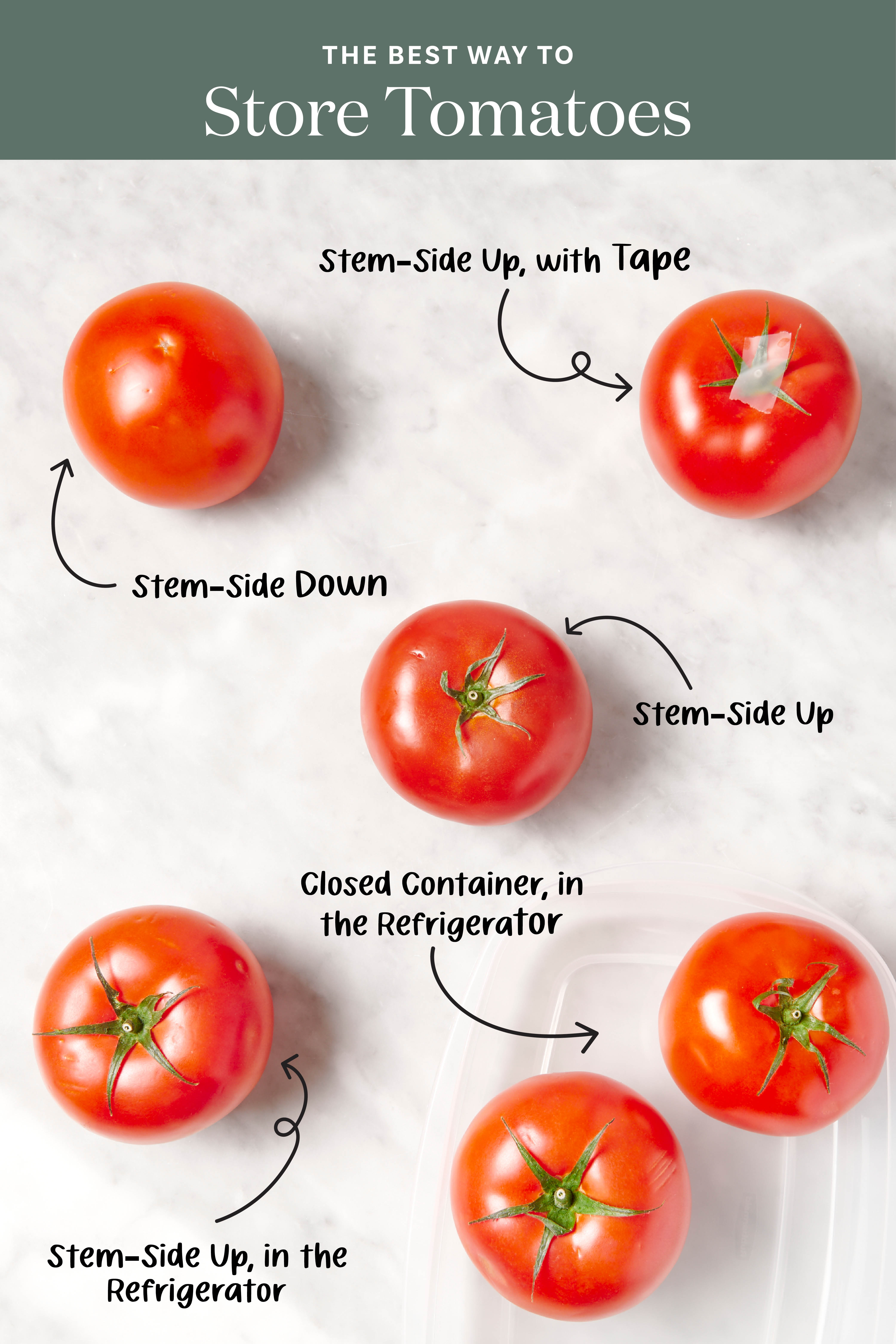
If you want to keep your tomatoes fresh, store them stem side down on a flat surface and check them daily.
How To Store Tomatoes At Room Temperature
If you decide to keep your tomatoes at room temperature, follow these steps:
- Place them out of direct sunlight.
- Keep them in a single layer, not stacked.
- Use a breathable container like a basket.
- Check daily for soft spots or mold.
Room temperature is best for flavor, especially for tomatoes that are not fully ripe.
How Refrigeration Affects Tomato Quality
The cold inside a refrigerator affects tomatoes in several ways:
- Cell damage: Cold breaks down cell walls, leading to a mealy texture.
- Reduced aroma: Chilling slows the release of flavor compounds.
- Color changes: Some tomatoes lose their bright color after refrigeration.
A 2016 study published in *PNAS* showed that refrigerating tomatoes for more than three days lowers the levels of key aroma compounds. That’s why a tomato from the fridge often tastes dull compared to one kept on the counter.
How To Store Tomatoes In The Fridge (if Needed)
If you must refrigerate tomatoes, here’s how to minimize quality loss:
- Use a paper towel to absorb moisture.
- Place tomatoes in the vegetable drawer, away from coldest spots.
- Avoid stacking to prevent bruising.
- Bring tomatoes to room temperature before use.
This method helps reduce texture and flavor loss, especially if you plan to use them in cooked dishes.

Credit: steamykitchen.com
Does Refrigeration Affect Nutritional Value?
Tomatoes are rich in vitamin C, potassium, and antioxidants like lycopene. Studies show refrigeration has little effect on nutrition, but it can lower vitamin C levels over time. For the highest nutrition, eat tomatoes fresh and soon after purchase.
| Storage Method | Vitamin C Content | Lycopene Content |
|---|---|---|
| Room Temperature | High | High |
| Refrigeration (7 days) | Moderate | High |
| Refrigeration (14 days) | Lower | Moderate |
Storing Different Types Of Tomatoes
Not all tomatoes are the same. Some types react differently to storage.
Cherry And Grape Tomatoes
These small tomatoes are less sensitive to cold. If fully ripe, they can be refrigerated with less flavor loss.
Heirloom Tomatoes
Heirlooms have thinner skin and are more delicate. They should stay at room temperature until eaten.
Roma And Plum Tomatoes
Roma tomatoes are firmer and handle refrigeration better, especially for cooking.
Tomato Storage For Cooking Vs. Eating Raw
If you plan to cook tomatoes, refrigeration matters less. Cooking breaks down texture and flavor compounds, so even a refrigerated tomato works well in sauces or stews. But for salads and sandwiches, room temperature tomatoes give the best taste.
How Long Do Tomatoes Last?
The shelf life of tomatoes depends on storage:
- Room temperature: 3–7 days, depending on ripeness.
- Refrigeration: 7–14 days, sometimes longer.
Always check for signs of spoilage—soft spots, mold, or leaks.
Credit: www.thekitchn.com
Practical Tips For Buying And Storing Tomatoes
To get the best quality, follow these tips:
- Buy tomatoes that are firm, with deep color and no blemishes.
- Avoid tomatoes with cracks or soft spots.
- Let tomatoes ripen at room temperature, then refrigerate if needed.
- Never wash tomatoes before storing; moisture speeds up spoilage.
If you buy tomatoes from a farmer’s market or grow them yourself, harvest when they are just turning red for the richest flavor.
What Experts And Research Say
Most food scientists agree: room temperature is best for tomatoes until they are fully ripe. The US Department of Agriculture and the University of California, Davis both recommend avoiding refrigeration unless absolutely necessary. However, new studies suggest brief refrigeration does not ruin flavor if tomatoes are allowed to warm up before eating.
For more details, see this Wikipedia article on tomatoes.
Frequently Asked Questions
What Happens If I Refrigerate Unripe Tomatoes?
Refrigerating unripe tomatoes stops the ripening process. They may never develop full flavor or color, and often taste bland. Always let unripe tomatoes ripen at room temperature.
How Can I Revive Refrigerated Tomatoes?
Let refrigerated tomatoes sit at room temperature for several hours before eating. This helps restore flavor and texture, though some loss is permanent.
Is It Safe To Refrigerate Cut Tomatoes?
Yes, cut tomatoes should be refrigerated. This prevents bacterial growth and keeps them safe to eat. Use within 2–3 days for best quality.
Can I Freeze Tomatoes For Long-term Storage?
Freezing tomatoes is possible, but the texture will change. Frozen tomatoes are best used for cooking (soups, sauces), not raw dishes. Blanch and peel before freezing for better results.
Do Cherry Tomatoes Need Special Storage?
Cherry tomatoes are less sensitive to cold. If fully ripe, they can be refrigerated with minimal flavor loss. Store them in a breathable container and check for signs of spoilage.
Final Thoughts
The debate about tomato storage is not just about taste—it’s about getting the best from this versatile fruit. For most uses, keeping tomatoes at room temperature will give you richer flavor and better texture. Refrigeration is useful for fully ripe or cut tomatoes, or when you need to extend shelf life. Remember, the type of tomato and your kitchen’s climate play a role in storage choices. With these tips, you can enjoy tomatoes at their best, whether in a salad or a simmering sauce. Choosing the right storage method is a small step that makes a big difference in your kitchen.