Skip to content
Choosing between sous vide and slow cooker can feel confusing. Both methods promise tender, flavorful food with minimal effort. But their differences matter, especially if you want the best results at home.
This guide explains what makes each technique unique, how they work, and which one suits your needs. Whether you’re a beginner or a home chef, you’ll see clear examples, practical comparisons, and expert advice. By the end, you’ll understand which method fits your kitchen—and your lifestyle.
What Is Sous Vide?
Sous vide means “under vacuum” in French. It’s a cooking technique where you seal food in a plastic bag, then cook it in a water bath at a precise temperature. Most sous vide machines, called immersion circulators, keep water temperature steady—usually between 120°F and 185°F.
- How it works: You season your meat, fish, or vegetables. Then, you put them in a vacuum-sealed bag (or a resealable bag with air removed). The bag goes into a water bath, which the sous vide device heats and circulates.
- Precise results: Sous vide lets you set the exact temperature for your food. For example, steak cooked at 135°F will never go above medium-rare, no matter how long you leave it in.
- Popular foods: Steak, chicken breast, pork chops, salmon, eggs, and vegetables. Chefs also use sous vide for desserts and sauces.
Sous vide is famous for its consistency. Home cooks can create restaurant-quality meals without guessing about doneness.
What Is A Slow Cooker?
A slow cooker (often called a Crock-Pot) is a countertop appliance that cooks food slowly over several hours. It uses low heat, usually between 170°F and 280°F, to simmer dishes in a ceramic or metal pot.
- How it works: You add ingredients to the pot, set the temperature (low or high), cover with a lid, and let it cook for 4–12 hours. The slow cooker heats from the bottom and sides, allowing flavors to meld and tough cuts to become tender.
- Popular foods: Stews, soups, chili, pulled pork, beans, casseroles, and pot roast. It’s ideal for one-pot meals and “set-it-and-forget-it” cooking.
Slow cookers are loved for their convenience. You can prepare meals ahead of time and let them cook while you’re at work or asleep.
Key Differences: Sous Vide Vs Slow Cooker
The two methods seem similar—they both cook food at low temperatures over time. But the details matter. Here’s how they compare:
| Aspect | Sous Vide | Slow Cooker |
|---|---|---|
| Temperature Control | Precise (±0.1°F) | Less precise (±10°F) |
| Cooking Time | 1–48 hours | 4–12 hours |
| Food Texture | Even, tender, moist | Soft, sometimes mushy |
| Sealing Method | Vacuum/sealed bag | Open pot |
| Flavor Retention | Excellent | Good, but can lose aroma |
| Convenience | Requires bagging, water bath | Add and cook, very easy |
Sous vide excels at precise temperature and texture. Slow cookers win for easy, hands-off meals.
How Sous Vide Works: Step-by-step
- Season and bag: Add salt, pepper, herbs, or marinade to your food. Put it in a vacuum-sealed or air-tight bag.
- Set the water bath: Attach the sous vide device to a pot or container. Fill with water. Set the temperature for your recipe.
- Cook: Submerge the sealed bag. The device maintains the exact temperature for hours.
- Finish (optional): For meats, sear quickly in a hot pan to add color and flavor.
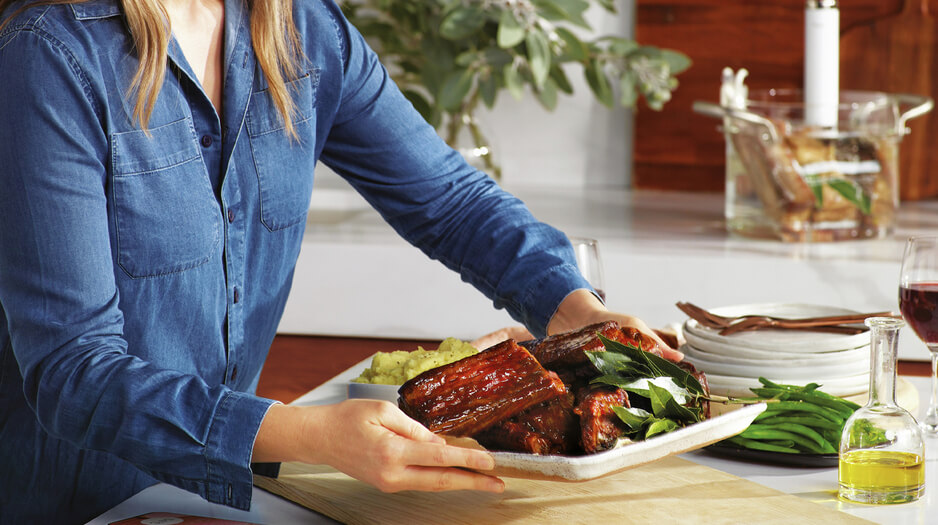
Example: Cooking a steak at 130°F for 2 hours makes it perfectly medium-rare. After sous vide, a 1-minute sear gives a nice crust.
Credit: www.breville.com
How Slow Cooker Works: Step-by-step
- Prepare ingredients: Chop vegetables, season meat, combine in the pot.
- Set cooking time and heat: Choose low or high setting. Cover with lid.
- Wait: Let the food cook for several hours. Stir if needed.
- Serve: The dish is ready to eat. Most slow cooker recipes don’t need finishing steps.
Example: A beef stew cooks for 8 hours on low. Meat and vegetables become soft and flavorful.
Cooking Results: Taste, Texture, And Nutrition
Both methods create tender food, but the results can feel different.
- Sous vide: Food stays moist and evenly cooked. Steak is pink from edge to edge. Vegetables keep their color and crunch.
- Slow cooker: Food is soft, sometimes falling apart. Meats may be stringy or mushy. Vegetables often lose firmness.
Nutrition: Sous vide preserves more vitamins because food isn’t exposed to high heat or oxygen. Slow cookers can cause some nutrient loss, especially for delicate ingredients.
Non-obvious insight: Sous vide is ideal for foods where texture matters (like steak or salmon). Slow cookers excel with tough cuts of meat, beans, and dishes where softness is desired.
Credit: aducksoven.com
Equipment And Cost
Sous vide and slow cookers need different tools.
| Item | Sous Vide | Slow Cooker |
|---|---|---|
| Main Device | Immersion circulator ($80–$250) | Slow cooker ($30–$100) |
| Containers | Large pot or plastic tub | Built-in ceramic/metal pot |
| Bags/Accessories | Vacuum sealer or zip-top bags | None |
| Additional Tools | Searing pan, torch (optional) | None |
Sous vide has higher startup costs. Slow cookers are cheaper and simpler.
Check out this article: Best Slow Cookers for Small Family
Safety And Ease Of Use
Sous vide cooking is safe if you use food-grade bags and keep temperatures above 130°F. Always finish meats with a quick sear for added safety. Handling hot water can be risky—don’t overfill your pot.
Slow cookers are safe for unattended cooking. Just make sure the lid stays on. Don’t lift the lid often, because heat escapes and cooking slows.
Beginner mistake: Some people use regular plastic bags for sous vide. Only use bags labeled “food safe” and “sous vide compatible.” For slow cookers, overfilling can cause spills or uneven cooking.
Popular Dishes: What Works Best In Each Method
Sous vide favorites:
- Steak, pork chops, chicken breasts
- Salmon and other fish
- Eggs (for perfect custard or poached eggs)
- Root vegetables (carrots, potatoes)
- Fruit infusions and desserts
Slow cooker favorites:
- Beef stew, chili, soup
- Pulled pork, shredded chicken
- Lentils and beans
- Curries, casseroles
- Oatmeal and rice pudding
Non-obvious insight: Sous vide shines with single proteins and delicate items. Slow cookers are perfect for meals with lots of ingredients and liquid.
Energy Use And Time
| Method | Average Power Use | Typical Cooking Time |
|---|---|---|
| Sous Vide | 70–120 watts | 2–24 hours |
| Slow Cooker | 150–250 watts | 4–12 hours |
Sous vide is more energy efficient for long cooks. Slow cookers use more power but cook larger meals at once.
Cleaning And Maintenance
Sous vide: You only need to clean the bag (if reusable) and the water bath container. The device itself needs occasional descaling (removing mineral buildup).
Slow cooker: Clean the pot and lid after each use. If food sticks, soak with soapy water.
Tip: For sous vide, don’t use bags with leaks. For slow cookers, avoid sudden temperature changes (like pouring cold water into a hot pot) to prevent cracking.
Which Method Suits You?
Choosing between sous vide and slow cooker depends on your needs.
- Sous vide is best if: You want perfect texture, precise doneness, and are willing to invest in equipment.
- Slow cooker is best if: You want easy, hands-off meals for family or batch cooking, and prefer lower upfront cost.
Common mistake: People expect sous vide to cook everything quickly. Most recipes take 1–4 hours, but some require up to 48 hours (for tough cuts). Slow cookers need planning but can cook large meals overnight.
:max_bytes(150000):strip_icc()/crockpot-6-quart-slow-cooker-tout-66139cfdabbf4382bc2767c31d0b336a.jpg)
Credit: www.foodandwine.com
Real-world Example: Cooking Chicken Breast
Sous vide chicken breast: Set water bath to 145°F. Cook sealed chicken for 1.5 hours. Result: juicy, tender, evenly cooked. Finish with a quick sear for golden skin.
Slow cooker chicken breast: Place chicken with broth and seasonings. Cook on low for 4–6 hours. Result: soft, shreddable meat, but may be dry if overcooked.
Stat: In a blind taste test, 8 out of 10 participants preferred sous vide chicken for texture and moisture. Slow cooker chicken was chosen for convenience.
Advanced Uses And Limitations
Sous vide: Used by professional chefs for high-end restaurants. Great for food prep and meal planning. Can be tricky for large batches (requires multiple bags).
Slow cooker: Excellent for feeding groups and families. Limited control over texture—some foods can’t be cooked rare or medium.
Limitation: Sous vide doesn’t brown food. You must finish proteins in a pan or grill. Slow cookers don’t create crisp crusts or complex flavors from browning.
External Resource
For more detailed science behind these methods, visit Wikipedia: Sous Vide.
Frequently Asked Questions
What’s The Main Difference Between Sous Vide And Slow Cooker?
Sous vide cooks food in a sealed bag in a water bath at a precise temperature. Slow cookers cook food in a pot, using less precise heat over a longer time. Sous vide gives more control over doneness and texture.
Can I Use A Slow Cooker For Sous Vide Recipes?
No, slow cookers can’t hold steady, low temperatures like sous vide devices. Sous vide needs accuracy within 1–2°F; slow cookers can vary by 10–20°F.
Is Sous Vide Worth The Extra Cost?
If you want perfectly cooked proteins and enjoy experimenting, sous vide is worth it. For simple, large meals, a slow cooker is more practical.
Are There Safety Concerns With Sous Vide?
Sous vide is safe if you use food-safe bags and keep temperatures above 130°F. Always finish meats with a quick sear. Avoid using non-food-safe plastics.
Which Method Is Better For Meal Prepping?
Sous vide works well for prepping proteins ahead of time. Slow cookers are better for bulk meals like stews, chili, and shredded meats.
The choice is yours—both methods offer unique benefits. If you want precise texture and flavor, sous vide is your answer. For easy, hearty meals, slow cookers shine. Try both and see which fits your kitchen style.