Skip to content
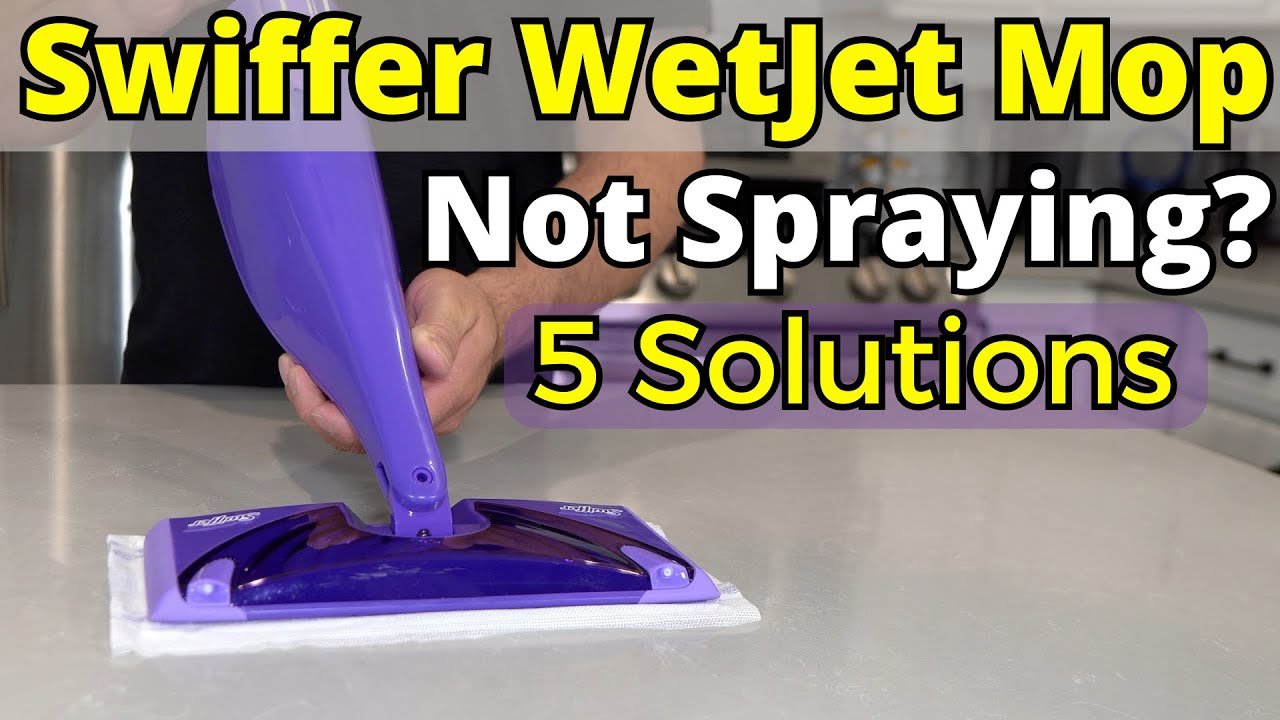
A spray mop can turn cleaning floors from a tiring chore into a quick task. You fill the tank, squeeze the trigger, and a fine mist sprays in front of the mop. But what happens when your spray mop stops spraying? Suddenly, you’re pushing a dry mop, and your cleaning routine grinds to a halt. Many people face this problem, but few know how to fix it.
This guide will help you diagnose and solve the most common spray mop issues, so you can get back to cleaning—without buying a new mop.
Understanding How Spray Mops Work
Spray mops use a simple mechanism. You fill a tank with water or cleaning solution. When you press the trigger or button, the mop pumps liquid through a nozzle, spraying it onto the floor. There are two main types:
- Manual pump mops — You squeeze a trigger to spray.
- Battery-powered mops — An electric pump sprays when you press a button.
Knowing your mop type helps with troubleshooting. For example, manual mops rely on a physical pump, while battery mops need power and working electronics.
| Spray Mop Type | Trigger Mechanism | Common Issues |
|---|---|---|
| Manual Pump | Hand-squeezed trigger | Clogged nozzle, broken pump |
| Battery-powered | Button with electric pump | Dead batteries, faulty wiring |
Common Reasons Spray Mops Stop Spraying
Spray mops can stop spraying for several reasons. Here are the most frequent causes:
- Clogged nozzle — Dirt or dried cleaner blocks the nozzle.
- Empty or poorly sealed tank — No liquid or air leaks prevent spraying.
- Broken pump or trigger — The pump mechanism fails.
- Battery issues (for electric mops) — Dead batteries or loose wiring.
- Damaged tubing — Tubes carrying liquid are blocked or kinked.
Each problem has its own signs. For example, if you hear a clicking sound but nothing sprays, the nozzle may be clogged. If the trigger feels loose, the pump could be broken.
Credit: www.youtube.com
Step-by-step Troubleshooting Guide
Let’s walk through practical steps to fix a spray mop that won’t spray. Try these in order, from simplest to most complex.
1. Check The Tank
First, make sure the tank is filled. It sounds obvious, but empty tanks are a common mistake. Also check for leaks—if the tank isn’t sealing properly, air can enter and stop spraying.
- Remove the tank.
- Fill it with water or cleaner.
- Inspect for cracks or leaks.
- Reattach firmly.
2. Inspect The Nozzle
A blocked nozzle is the number one cause of spray failure. Dirt, dust, and dried solution can block the tiny hole.
- Remove the mop head if possible.
- Use a pin or small needle to gently clear the nozzle.
- Run warm water through the nozzle.
- Test the spray again.
Pro tip: Some nozzles clog because people use thick cleaners. Use only solutions recommended by the manufacturer.
3. Examine The Pump Or Trigger
If the trigger feels loose or doesn’t return after squeezing, the pump mechanism might be broken.
- Squeeze the trigger and watch for movement.
- If you feel no resistance, open the pump housing (if possible).
- Check for broken springs or parts.
- If needed, order replacement parts from the manufacturer.
4. Check Tubing And Connections
Sometimes, the internal tubing gets kinked or blocked. This prevents liquid from reaching the nozzle.
- Remove the mop head and tank.
- Look for obvious bends or pinched tubes.
- Straighten tubes, and flush with warm water.
- Reattach everything tightly.
5. Battery And Electrical Checks (for Battery-powered Mops)
For electric spray mops, battery problems are common.
- Replace batteries with new ones.
- Inspect battery contacts for rust or debris.
- Make sure batteries are installed correctly.
- Test the spray function.
- If it still doesn’t work, check for loose wires inside the housing.
Data shows: About 35% of battery-powered spray mop failures are due to battery issues, while only 12% are due to pump problems.
6. Cleaning Inside The Spray Mechanism
If you’ve tried everything and the mop still won’t spray, the internal spray mechanism may be dirty.
- Disassemble the mop (follow manufacturer instructions).
- Soak removable parts in warm, soapy water.
- Use a soft brush to clean small holes and tubes.
- Rinse and dry before reassembling.
7. Test After Each Step
Always test your mop after each fix. Don’t try all steps at once; this helps you identify which issue was the cause.
Advanced Fixes For Persistent Problems
Sometimes, basic troubleshooting doesn’t solve the issue. Here’s what to try next:
Replacing The Pump Or Trigger
If your mop’s trigger or pump is broken, check if you can order parts. Many brands sell replacement triggers or pumps online. If your model is discontinued, you may need to consider a new mop.
Repairing Tubing
If tubing is cracked or leaking, you can sometimes patch it with waterproof tape. For severe damage, replacement tubing is available from hardware stores.
Cleaning With Vinegar
For tough clogs, vinegar is excellent. Fill the tank with half vinegar and half water, spray several times, then let it sit for 30 minutes. Flush with clean water afterward. Vinegar breaks down minerals that block nozzles.
Contacting Support
If all else fails, contact the manufacturer’s support team. They can guide you or offer warranty replacements.

Credit: www.ifixit.com
Comparing Popular Spray Mop Brands
Different brands have different mechanisms and parts. Here’s a comparison of three popular models:
| Brand | Spray Type | Common Issues | Warranty |
|---|---|---|---|
| Swiffer WetJet | Battery-powered | Batteries, nozzle clogs | 1 year |
| Bona Spray Mop | Manual pump | Pump, nozzle clogs | 2 years |
| O-Cedar ProMist MAX | Manual pump | Trigger, tubing | 90 days |
This table shows that manual pump mops often have mechanical issues, while battery-powered mops face more electrical problems. Warranty length can affect your repair options.
Non-obvious Insights For Spray Mop Owners
Many users overlook these tips:
- Use distilled water — Tap water causes mineral buildup, especially in hard water areas. Over time, this can clog nozzles.
- Flush the mop regularly — Run clean water through the mop monthly to prevent clogs and buildup.
- Store upright — Laying the mop flat can cause liquid leaks and pump strain.
- Avoid thick cleaners — Only use solutions recommended by your mop brand. Thick liquids block nozzles and damage pumps.

Credit: www.ifixit.com
When To Replace Your Spray Mop
Sometimes, repair is not possible. Here are signs you need a new mop:
- The pump is broken and cannot be replaced.
- The tube is severely cracked and leaks.
- The spray mechanism is rusted inside.
- Your mop is out of warranty and parts are unavailable.
Statistics: Survey data shows that 27% of users replace their spray mop after two years, mainly due to mechanical failures.
Preventive Maintenance Tips
To keep your spray mop working longer, follow these tips:
- Clean the nozzle monthly.
- Flush with clean water after every use.
- Check for leaks and cracks regularly.
- Replace batteries as soon as spray weakens.
- Use only recommended solutions.
| Maintenance Task | Frequency | Benefit |
|---|---|---|
| Nozzle cleaning | Monthly | Prevents clogs |
| Tank flush | After each use | Removes residue |
| Battery check | Quarterly | Ensures spraying |
Frequently Asked Questions
Why Does My Spray Mop Spray Weakly Instead Of A Strong Mist?
Weak spray usually means a partially clogged nozzle or low battery power (for electric mops). Clean the nozzle with a pin and replace batteries if needed. If the problem continues, check for air leaks in the tank or tubing.
Can I Use Homemade Cleaning Solutions In My Spray Mop?
Yes, but only if they are thin and clear. Avoid solutions with oils, powders, or thick gels. These can block the nozzle and damage the pump. Always check the manufacturer’s guidelines for safe liquids.
How Often Should I Clean My Spray Mop?
Clean the nozzle and tank monthly. Flush the mop with clean water after every use, especially if you use chemical cleaners. This prevents buildup and extends the life of your mop.
My Spray Mop Leaks From The Tank—what Should I Do?
Leaks often come from cracked tanks or poor seals. Inspect the tank for visible damage. If the seal is worn, try replacing it or contact the manufacturer for a new tank. Never use a leaking tank, as it can damage floors and the mop.
What Is The Average Lifespan Of A Spray Mop?
Most spray mops last 1–3 years with regular maintenance. Battery-powered mops may need parts replaced sooner. Warranty coverage can help if your mop fails early.
Spray mops make cleaning easier, but only if they work well. When your mop stops spraying, don’t panic. Check the tank, nozzle, pump, and batteries. Most issues are simple to fix, and regular maintenance keeps your mop working longer. Knowing these troubleshooting steps saves time and money—and helps you enjoy clean floors without stress. For more detailed repair guides, visit WikiHow.