Many homes have a garbage disposal unit, but not everyone understands its real purpose. Some people see it as just a kitchen gadget, while others think it’s a tool to make cleaning easier. But a garbage disposal has a deeper role in modern living.
It helps manage food waste, protects your plumbing, and even has environmental benefits. If you’ve ever wondered why garbage disposals are so common in American kitchens, or what value they really bring, you’ll find clear answers here.
How Garbage Disposals Work
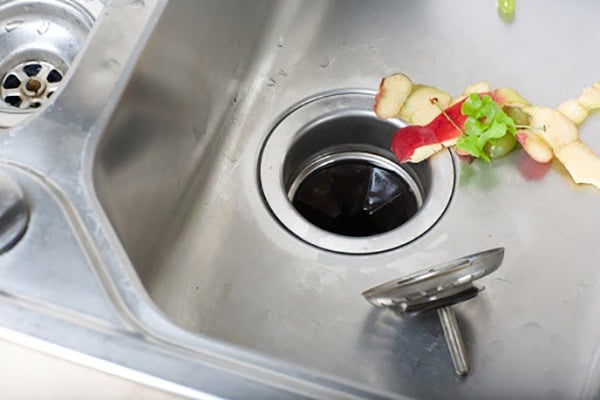
A garbage disposal is a device installed under your kitchen sink. It connects to the drain and the plumbing system. When you turn it on, the machine uses spinning blades or impellers to break down food scraps into small pieces. These tiny bits are then flushed away through your pipes with water.
Most garbage disposals have two main parts:
- Grinding chamber: Where food waste is broken down.
- Motor: Powers the blades or impellers.
You put food scraps into the sink, turn on the cold water, and then switch on the disposal. The waste spins around, gets crushed, and flows down the drain.
Key Components Explained
- Splash guard: Prevents waste and water from splashing out.
- Reset button: Used if the machine jams or overheats.
- Electric switch: Usually mounted on the wall or countertop for easy access.
Garbage disposals do not have sharp blades like knives. Instead, they use blunt metal parts that spin fast, grinding the food against a ring. This method is safer and less likely to cause injury.
The Main Purpose Of A Garbage Disposal
The primary purpose of a garbage disposal is to manage food waste efficiently. It allows you to dispose of leftover food scraps directly in the sink, instead of collecting them in a trash bin. This process has several benefits:
- Reduces kitchen trash volume: Food waste takes up a lot of space in garbage bags. With a disposal, less waste goes into your bin.
- Prevents bad odors: Rotting food in the trash can smell awful. Grinding and flushing food waste removes this problem.
- Improves kitchen hygiene: Keeping food scraps out of your trash reduces bacteria and pest risks.
The disposal sends food waste to wastewater treatment plants, where it is processed and often turned into energy or fertilizer.

Credit: www.arcoplumbing.com
Environmental Impact Of Garbage Disposals
Many people worry about the environmental effects of using a garbage disposal. Is it better to throw food in the trash, compost it, or use the disposal? The answer depends on where you live and how your city handles waste.
Food Waste In Landfills
In the US, about 30-40% of food ends up as waste, according to the USDA. Most food waste is sent to landfills, where it creates methane gas—a powerful greenhouse gas. Methane is 25 times stronger than carbon dioxide at trapping heat.
Wastewater Treatment Benefits
When food waste goes down the drain, it arrives at a wastewater treatment plant. Some plants use anaerobic digesters to turn organic waste into biogas and fertilizers. This process reduces landfill waste and can provide renewable energy.
Comparing Environmental Options
Here’s a quick comparison of three main ways to handle food waste:
| Method | Greenhouse Gas Impact | Energy Recovery | Convenience |
|---|---|---|---|
| Landfill | High | Low | Easy |
| Composting | Low | Medium | Requires effort |
| Garbage Disposal | Medium | High (if plant uses digesters) | Very easy |
Garbage disposals are not perfect, but they can help reduce landfill waste, especially if your city uses advanced treatment plants.
Protecting Your Plumbing System
Another purpose of a garbage disposal is to protect your pipes. Food scraps can clog drains, leading to costly repairs. Disposals grind food into tiny particles, making it less likely to stick and block pipes.
Common Plumbing Problems Without A Disposal
- Clogged sinks: Large food pieces can get stuck in pipes.
- Foul odors: Blocked drains trap rotting food.
- Pipe damage: Frequent blockages can weaken pipes.
Using a garbage disposal reduces these risks. It keeps water flowing smoothly and extends the life of your plumbing.
Garbage Disposal Vs. No Disposal
Let’s look at some plumbing statistics:
| Scenario | Annual Plumbing Issues | Average Repair Cost |
|---|---|---|
| With Garbage Disposal | 1-2 minor issues | $80-$150 |
| Without Garbage Disposal | 3-5 major issues | $250-$500 |
While not every home is the same, studies show that having a disposal lowers the chance of major clogs and expensive repairs.

Credit: foodal.com
Making Kitchen Cleanup Easier
One of the most obvious benefits is convenience. After cooking, you can quickly get rid of food scraps, peels, and leftovers. No need to walk to the trash bin or worry about bags tearing.
Practical Examples
- After dinner: Scrape plates directly into the sink.
- During meal prep: Dispose of vegetable skins and fruit peels instantly.
- Cleaning pots: Remove stuck-on food without extra effort.
This saves time, especially for busy families. It also helps reduce the mess in your kitchen.
Common Mistakes In Using Garbage Disposals
Many beginners put the wrong items in their disposal. This can damage the unit or clog pipes. Here are some things you should never put down a garbage disposal:
- Bones: Too hard for most machines.
- Grease or oil: Can solidify and block pipes.
- Fibrous foods: Celery, corn husks, and onion skins can wrap around blades.
- Eggshells: May cause minor clogs.
- Coffee grounds: Can build up and stick together.
- Fruit pits: Too tough to grind.
Always use cold water when running the disposal. This helps keep fats solid and prevents them from sticking to pipes.
Garbage Disposal And Kitchen Safety
Some people worry about safety. Is it dangerous to use a garbage disposal? Modern units are designed with safety in mind.
- No sharp blades: The grinders are blunt metal parts, not knives.
- Automatic shut-off: If the machine jams, it will turn off to prevent overheating.
- Splash guards: Keep fingers and objects out.
Still, you should never put your hand into a running disposal. If something gets stuck, turn off the power and use tongs or pliers.
Garbage Disposal And Home Value
A garbage disposal can add value to your home. Many buyers see it as a standard feature, especially in US homes. According to the National Association of Home Builders, about 50% of new homes include a garbage disposal. Homes with disposals often sell faster and can command a higher price.
Real Estate Data
| Home Feature | Market Value Increase | Buyer Appeal |
|---|---|---|
| Garbage Disposal | $500-$1,000 | High |
| Dishwasher | $700-$1,500 | Very High |
| Upgraded Faucet | $200-$400 | Medium |
While a garbage disposal isn’t the most valuable kitchen upgrade, it’s a feature buyers expect in modern homes.
Choosing The Right Garbage Disposal
If you’re thinking about adding or replacing a garbage disposal, there are important factors to consider:
- Motor power: Ranges from 1/3 to 1 horsepower (HP). Higher HP can handle tougher waste.
- Grinding chamber size: Larger chambers can handle more waste at once.
- Noise level: Newer models are quieter.
- Installation type: Some units are easy to install yourself; others need a plumber.
Comparison Of Disposal Types
- Continuous feed: Most common. Runs as long as you keep the switch on.
- Batch feed: Only runs when the cover is in place. Safer for families with children.
Always check compatibility with your sink and plumbing before buying. Reading user reviews can help you avoid common mistakes, like buying too small a unit or ignoring noise levels.
Credit: www.ahs.com
Maintenance Tips For Garbage Disposals
Proper care keeps your garbage disposal working well and helps it last longer.
- Run cold water: Always use cold water before, during, and after grinding food.
- Clean regularly: Drop ice cubes or small citrus peels inside to freshen and clean the chamber.
- Avoid hard objects: Never grind metal, plastic, or bones.
- Flush with water: Let water run for 20-30 seconds after each use.
- Use disposal-friendly cleaners: Avoid harsh chemicals that can damage parts.
If your disposal jams, use the reset button and a special wrench (usually included) to clear blockages. Regular maintenance prevents odors, keeps the unit quiet, and avoids breakdowns.
Garbage Disposal Myths And Misunderstandings
Many people have wrong ideas about garbage disposals. Let’s clear up some common myths:
- Myth: Disposals have sharp blades.
Fact: They use spinning metal parts, not knives.
- Myth: You can grind anything.
Fact: Only soft food waste is safe.
- Myth: Disposals waste water and energy.
Fact: The extra water use is minimal—about 1 gallon per day for most households. Energy use is also low, similar to a light bulb.
- Myth: Disposals damage septic systems.
Fact: If you have a septic tank, use a disposal carefully. Limit waste and avoid fats.
Understanding these facts helps you use your disposal safely and effectively.
Garbage Disposal Around The World
Garbage disposals are most popular in the United States. About 50% of homes have one. In Europe, Asia, and other regions, disposals are rare. Many countries prefer composting or strict trash separation.
Why Aren’t They Universal?
- Plumbing differences: Some countries have smaller pipes or older systems.
- Waste management laws: Places with strict composting rules may ban disposals.
- Cultural habits: In many cultures, food waste is collected and used as animal feed.
Still, the trend is growing in urban areas where quick cleanup is needed.
Practical Insights Most Beginners Miss
- Disposals don’t replace composting: Using a garbage disposal is easy, but it doesn’t turn food waste into rich soil like composting does. If you want to garden or help the environment, consider a compost bin for plant-based waste.
- Regular cleaning prevents smells: Many people forget to clean their disposal. Over time, food bits stick to the grinding chamber. Running ice or citrus peels through the unit once a week keeps it fresh and odor-free.
- Water flow matters: Always keep water running during and after use. This prevents food from sticking in the pipes and helps flush waste to the treatment plant.
The Bigger Picture: Garbage Disposal In Sustainable Living
Garbage disposals are a small part of the bigger challenge of food waste management. They help keep kitchens clean and reduce trash, but they’re not a total solution. To live sustainably:
- Plan meals: Buy and cook only what you need.
- Compost when possible: Compost vegetable peels and fruit scraps.
- Use your disposal wisely: Only for food waste that can’t be composted or collected.
Cities and homeowners can work together to reduce waste and protect the environment. Some wastewater plants now use food waste to create energy, showing that disposals can fit into a green lifestyle.
For more details on food waste impacts, visit Wikipedia.
Frequently Asked Questions
What Foods Should Never Go Into A Garbage Disposal?
Avoid putting bones, grease, fibrous foods, fruit pits, coffee grounds, and eggshells in your garbage disposal. These items can cause jams, block pipes, or damage the unit.
Is It Safe To Use A Garbage Disposal With A Septic Tank?
Yes, but use it sparingly. Limit the amount of waste and avoid grinding fats or oils. Too much food waste can overload the septic system and lead to problems.
How Much Water And Energy Does A Garbage Disposal Use?
A typical garbage disposal uses about 1 gallon of water per day and 3-4 kilowatt hours of electricity per year. This is a small amount compared to other kitchen appliances.
Do Garbage Disposals Help The Environment?
They can help reduce landfill waste if your city’s wastewater treatment plant uses anaerobic digesters to turn food waste into energy or fertilizer. However, composting is often the greener option.
How Long Does A Garbage Disposal Last?
Most garbage disposals last 7 to 12 years with regular maintenance. Clean the unit, avoid grinding hard items, and run water during use to extend its life.
A garbage disposal is more than just a kitchen convenience—it’s a tool for managing food waste, protecting your plumbing, and supporting cleaner homes. By understanding its purpose and using it wisely, you can enjoy a safer, more efficient kitchen while making choices that benefit your home and the environment.