Choosing the right stand mixer size can feel confusing. With so many models and bowl capacities, it’s hard to know what works best for your kitchen. If you pick a mixer that’s too small, you might struggle with big recipes.
If you buy one that’s too large, you might waste money and counter space. Let’s clear up the confusion and help you make a smart choice for your needs.
Why Stand Mixer Size Matters
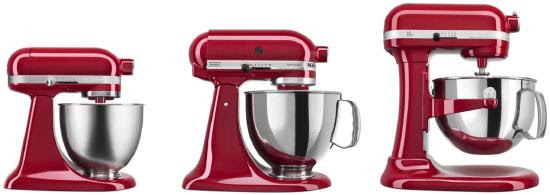
The size of a stand mixer affects more than just how much dough you can make. It influences your cooking style, recipe options, and even how easy cleanup will be. Bowl capacity is measured in quarts—this is the main number to look at when comparing mixers. But size also impacts the motor power, weight, and storage.
For example, a 4-quart mixer is great for small batches, but it may struggle with heavy bread dough. A 7-quart mixer can handle large batches, but might be awkward for everyday use. Choosing the right size means you’ll get reliable performance without wasted space or money.
Common Stand Mixer Sizes Explained
Manufacturers offer several bowl sizes. Here’s a breakdown of the most popular options and their typical uses:
- 3-4 quarts: Ideal for singles, couples, or small families. Great for light baking—cookies, cupcakes, whipped cream.
- 5-6 quarts: The most common size for home bakers. Handles most recipes, including bread dough, cakes, and mashed potatoes.
- 7-8 quarts: Designed for large families, batch bakers, or anyone who needs to make big quantities. Suitable for catering or frequent entertaining.
Let’s compare these sizes side by side:
| Size (Quarts) | Common Use | Batch Size | Motor Power |
|---|---|---|---|
| 3-4 | Light baking, small batches | Up to 2 dozen cookies | 250-300 watts |
| 5-6 | Regular baking, family meals | Up to 6 dozen cookies | 325-375 watts |
| 7-8 | Large batches, bread, entertaining | Up to 13 dozen cookies | 400+ watts |
Matching Mixer Size To Your Needs
Choosing the right size depends on how you cook and bake. Here are key questions to help you decide:
- How many people do you cook for?
- Singles and couples: 3-4 quarts is usually enough.
- Families of 4-6: 5-6 quarts covers most needs.
- Bigger groups: Consider 7 quarts or more.
- What recipes do you make most often?
- Light mixing (whipped cream, pancakes, cookies): Small to medium sizes.
- Heavy doughs (bread, pizza): Medium to large sizes for motor strength.
- How often do you bake or cook?
- Occasional use: Smaller sizes save space and money.
- Frequent baking: Medium or large sizes offer versatility.
- How much counter space do you have?
- Mixers over 6 quarts can be heavy and bulky—measure your kitchen before buying.
Stand Mixer Size And Batch Capacity
It’s helpful to see what each mixer size can handle in real recipes. Here’s a quick guide:
| Bowl Size | Bread Dough | Cake Batter | Cookie Dough |
|---|---|---|---|
| 3-4 quarts | 1 loaf | 1 cake | 2 dozen |
| 5-6 quarts | 2 loaves | 2 cakes | 6 dozen |
| 7-8 quarts | Up to 4 loaves | 3-4 cakes | 13 dozen |
A key insight: Overfilling a mixer bowl can cause poor mixing and even damage the motor. Always check the maximum recommended dough weight in the manual. For bread dough, many manufacturers suggest not exceeding about 1 kg (2.2 lbs) of flour for smaller mixers.
:max_bytes(150000):strip_icc()/woman-choosing-electric-mixer-497609402-5b58f8c0c9e77c0077ba3ede.jpg)
Credit: www.thespruceeats.com
How Mixer Size Impacts Motor Performance
Larger mixers usually have more powerful motors, but this doesn’t mean you should always buy the biggest one. Powerful motors are needed for heavy doughs, but if you only make light batters, you don’t need extra wattage.
A common mistake: assuming a bigger bowl means better performance for small batches. Actually, large mixers can struggle to mix small amounts evenly. For example, whipping just one egg white in an 8-quart mixer is difficult—the beater may not reach the ingredients.
Another insight: Some brands offer planetary mixing (the beater moves in multiple directions), which helps with thorough mixing in any bowl size. Always check if the mixer has this feature.
Comparing Popular Stand Mixer Brands And Models
Let’s look at real examples from the market:
| Brand | Model | Bowl Size | Motor Power | Weight |
|---|---|---|---|---|
| KitchenAid | Artisan | 5 quarts | 325 watts | 26 lbs |
| KitchenAid | Pro Line | 7 quarts | 1.3 HP | 30 lbs |
| Hamilton Beach | Stand Mixer | 4 quarts | 300 watts | 12 lbs |
| Kenwood | Chef XL | 7 quarts | 1200 watts | 21 lbs |
Notice that larger mixers are heavier and need more space. Also, the power varies widely—don’t judge by bowl size alone.
Practical Tips For Choosing The Right Mixer Size
- Measure your kitchen space. Big mixers need more counter area and storage.
- Think about mixer attachments. Some attachments (like pasta rollers) work better with medium or large mixers.
- Consider cleaning ease. Smaller bowls are easier to wash and dry.
- Test mixing small batches. If you often make small recipes, try a mixer at the store or read reviews.
- Plan for future needs. If you expect your family to grow or want to bake more, a medium size may be safest.
Mistakes To Avoid When Picking Mixer Size
Many buyers regret their choice because they don’t ask the right questions. Here are some pitfalls:
- Buying too big: Large mixers can be noisy, heavy, and wasteful if you rarely use them.
- Buying too small: Small mixers can burn out or fail with heavy doughs.
- Ignoring motor power: A weak motor means poor results, even in a large bowl.
- Skipping research: Reviews and manuals reveal hidden issues—like bowl shape or beater reach.
- Not considering future upgrades: If you want extra attachments, check compatibility.
Stand Mixer Size And Price
Larger mixers usually cost more. A 3-quart mixer may start around $100. A 5-quart model averages $250-$400. Premium 7-quart mixers can be $600 or more.
But price isn’t everything. Sometimes, a mid-size mixer with a strong motor and good attachments offers better value than a huge model.
A helpful resource for comparing mixer prices and features is the Consumer Reports website.
Batch Baking: When A Bigger Mixer Makes Sense
If you regularly bake in bulk—for bake sales, holidays, or catering—a larger mixer can save time and energy. Mixing double or triple batches in one go is much easier than repeating the process.
But remember, bigger mixers require stronger motors and sturdier parts. They also take up more storage, and cleaning is more work. Make sure your kitchen can handle the size and weight.
Credit: pipingpotcurry.com
Stand Mixer Bowl Shape And Design
Bowl shape affects mixing quality. Some bowls are deep and narrow; others are wide and shallow. Wide bowls help with large batches, while narrow bowls are better for small amounts. Stainless steel bowls are common, but some mixers offer glass or ceramic options.
Look for mixers with tilt-head or bowl-lift designs. Tilt-head mixers are easy to use and store, but bowl-lift models can handle heavier tasks.
Stand Mixer Attachments And Compatibility
Mixer size affects which attachments you can use. Some attachments—like meat grinders, pasta makers, and ice cream bowls—work best with larger mixers. If you plan to use these, check compatibility before buying.
Smaller mixers may not have enough power for heavy attachments. Also, some brands only allow certain attachments, so verify this in the manual.
How Stand Mixer Size Influences Recipe Flexibility
With the right size mixer, you can experiment with new recipes—like artisan bread, meringues, or homemade pasta. Medium and large mixers are more flexible, but small mixers are perfect for quick, simple tasks.
If you bake for events or family gatherings, a larger mixer helps you scale up recipes easily. But for daily use, a medium mixer is often more practical.
Frequently Asked Questions
How Do I Know If A 5-quart Mixer Is Enough For My Family?
A 5-quart mixer is enough for most families up to six people. It can handle two loaves of bread, a double cake recipe, or up to 6 dozen cookies in one batch. If you rarely bake in bulk, 5 quarts is a safe choice.
Can I Use A Small Mixer For Bread Dough?
Yes, but be careful. A 3-4 quart mixer can handle one loaf of bread, but heavy dough can strain the motor. Always check the mixer’s manual for maximum dough capacity. For frequent bread baking, a 5-quart or larger mixer is better.
Is A Bigger Mixer Always Better?
No, bigger isn’t always better. Large mixers are heavy, expensive, and hard to store. They may not mix small batches well. Choose a size based on your recipes and kitchen space—not just capacity.
What Happens If I Overfill My Mixer?
Overfilling can cause poor mixing, spill ingredients, and damage the motor. Always follow the manufacturer’s maximum batch guidelines. If you need to make more, split the recipe into smaller batches.
Are Mixer Attachments Affected By Bowl Size?
Yes. Some attachments work only with certain mixer sizes. Heavy attachments (like pasta rollers) need a strong motor and a stable base, usually found in medium or large mixers. Always check compatibility before buying new attachments.
The right stand mixer size makes cooking easier and more enjoyable. By thinking about your recipes, family size, and kitchen space, you’ll find a mixer that fits your needs perfectly. Remember, it’s not just about capacity—motor power, attachments, and bowl shape matter too.
Take your time, ask questions, and enjoy baking with a mixer that suits you.
Credit: www.kitchenaid.co.uk