Skip to content
Juicers have become a staple in kitchens around the world. Many people love the fresh juice they produce, but there’s one thing almost everyone notices: juicers are loud. If you’ve ever wondered why your juicer sounds like a small engine, you’re not alone. The noise can be surprising, especially early in the morning or late at night.
In this article, we’ll explore the reasons behind this loudness, look at the mechanics, compare types of juicers, and offer real solutions for anyone seeking quieter juicing. By the end, you’ll understand what causes the noise, how different juicers compare, and what you can do to make your juicing experience more peaceful.
What Makes Juicers Loud?
The main source of noise in juicers comes from their powerful motors and fast-moving parts. Juicers need to crush, grind, or spin fruits and vegetables quickly and efficiently. This process requires a lot of energy, and energy always creates movement and vibration.
Motor Speed And Power
Most juicers use motors ranging from 400 to 1200 watts. The higher the wattage, the stronger the motor, and usually, the louder the machine. A centrifugal juicer’s motor often spins at speeds up to 15,000 RPM (revolutions per minute). The rapid spinning creates a loud whirring sound.
Blade Action
Centrifugal juicers use sharp, spinning blades to cut and separate juice from pulp. When these blades hit hard produce like carrots or apples, they make a crunching and grinding sound. The harder the produce, the louder the juicer.
Air And Vibration
High-speed spinning creates air turbulence inside the juicer. The air vibrates against the plastic or metal housing, amplifying the noise. Some juicers vibrate so much they can even move across the countertop.
The Science Of Sound
Noise is simply vibrations traveling through air. The combination of motor vibration, blade friction, and produce impact creates a mix of sounds that reach your ears. Most juicers operate between 70 and 95 decibels—about the same as a vacuum cleaner or busy street.
Comparing Juicer Types: Which Are Loudest?
Not all juicers are equally noisy. The design and mechanism affect sound levels. Here’s a comparison of the main types:
| Juicer Type | Noise Level (dB) | Main Noise Source | Typical Motor Speed |
|---|---|---|---|
| Centrifugal | 80–95 | High-speed blades | 6,000–15,000 RPM |
| Masticating | 60–75 | Slow auger grinding | 80–120 RPM |
| Citrus Press | 50–65 | Manual pressing | N/A (manual) |
| Twin-Gear | 65–80 | Dual gears crushing | 80–160 RPM |
Centrifugal juicers are the loudest because of their high-speed spinning. Masticating juicers (also called slow juicers) are quieter due to their low-speed crushing. Citrus presses are usually manual and make almost no noise.
Inside The Juicer: How Design Affects Loudness
Juicer design plays a big role in noise production. The materials, housing, and engineering all matter.
Material Matters
Juicers made from thin plastic vibrate more and amplify noise. Metal casings can reduce some vibration, but may create a different kind of sound—often a metallic hum.
Housing And Insulation
Some juicers have sound insulation built into their housing. This can cut down noise, but most budget models skip this feature to save costs.
| Housing Material | Noise Amplification | Vibration Dampening |
|---|---|---|
| Thin Plastic | High | Low |
| Thick Plastic | Medium | Medium |
| Metal | Medium | High |
| Insulated Housing | Low | High |
Insulated housing is rare in home juicers but common in commercial models. If you want a quieter juicer, check for thick, well-built housing.
Blade And Auger Shape
The shape and sharpness of the blades or augers also affect sound. Wider blades with sharper edges cut produce quickly, but create louder crunching. Augers in slow juicers grind produce slowly and gently, resulting in less noise.
Common Misconceptions About Juicer Noise
Many people think all juicers are equally loud, but this isn’t true. Here are some misconceptions:
- Price Means Quiet: Expensive juicers are not always quieter. Some high-end centrifugal models are louder than budget masticating ones.
- Size Equals Noise: Larger juicers often have bigger motors, but that doesn’t always mean more noise. Smart engineering can reduce sound.
- All Produce Is Equal: Soft fruits like oranges make less noise. Hard vegetables like carrots or beets create more sound.
A practical example: If you juice only soft fruits, your machine may sound quieter. But when you switch to hard vegetables, the noise jumps up.
Why Can’t Manufacturers Make Juicers Silent?
You might wonder why companies don’t simply make juicers quieter. The answer is a mix of physics, cost, and consumer demand.
Engineering Challenges
To make a juicer powerful, it needs a strong motor. Strong motors are noisy because of internal friction and high-speed movement. Adding insulation or using specialized parts can help, but this increases cost and weight.
Cost And Market
Most people want affordable juicers. Quiet motors and soundproof housing cost more to make. Manufacturers often focus on price and performance instead of noise reduction.
Consumer Preferences
Some people actually prefer powerful, fast juicers. They accept the noise because the machine is quick and efficient. Others are willing to pay more for a slow, quiet juicer.
Practical Ways To Make Your Juicer Quieter
If your juicer is too loud, you don’t need to suffer. Here are some real solutions:
- Place a rubber mat under your juicer. This absorbs vibration and reduces noise.
- Juice at slower speeds if your model allows. Lower RPMs mean less noise.
- Cut produce into smaller pieces before juicing. This helps the blades work more easily, reducing crunching sounds.
- Juice soft fruits and vegetables. Avoid hard produce if you want less noise.
- Choose a masticating juicer. These are much quieter than centrifugal models.
- Look for insulated housing. Some premium models have special insulation to dampen sound.
A non-obvious tip: The placement of your juicer matters. If you keep it near walls or corners, sound will bounce and amplify. Try moving it to a central spot on the counter.

Credit: www.walmart.com
Real-life Examples: Juicer Loudness In Practice
Let’s look at two popular juicers and their real-world noise levels.
- Breville Juice Fountain Plus: Centrifugal juicer, noise level about 85–95 dB. Sounds like a loud hair dryer. Quick, but noisy.
- Omega J8006HDC: Masticating juicer, noise level about 65–75 dB. Sounds like a quiet dishwasher. Slower, but much quieter.
Many users report that centrifugal juicers can be heard throughout the house, while slow juicers are quiet enough for morning use without waking others.
How Juicer Noise Compares To Other Kitchen Appliances
Juicers aren’t the only loud appliance in the kitchen. Here’s a comparison:
| Appliance | Average Noise Level (dB) | Sound Description |
|---|---|---|
| Juicer (Centrifugal) | 80–95 | Loud whirring, crunching |
| Blender | 85–100 | Sharp, high-pitched |
| Food Processor | 75–90 | Steady chopping, grinding |
| Coffee Grinder | 80–90 | Quick, buzzy |
| Microwave Oven | 55–65 | Low hum |
Juicers are among the loudest kitchen tools, but they’re not alone. Blenders can be even louder, especially when crushing ice.
Credit: froothie.eu
Non-obvious Insights For Quieter Juicing
Most guides suggest buying a quieter juicer or using a mat. Here are two tips beginners often miss:
- Check the juicer’s feet: Many models have hard plastic feet that transfer vibration to the counter. Swapping these for soft silicone feet can make a big difference.
- Pre-chill your produce: Cold produce creates less friction and crunching, lowering the noise. Try juicing chilled fruits and vegetables for a quieter experience.
Another insight: Cleaning your juicer regularly prevents pulp buildup, which can cause extra vibration and noise.
Frequently Asked Questions
Why Do Centrifugal Juicers Make More Noise Than Masticating Juicers?
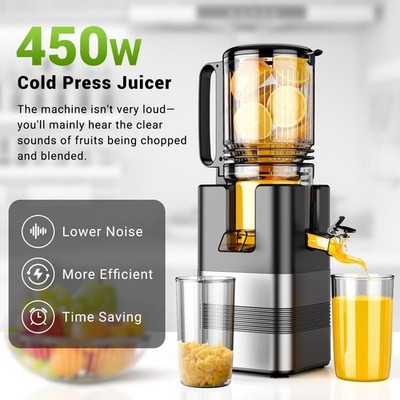
Centrifugal juicers use fast-spinning blades, which create a loud whirring and crunching sound. Masticating juicers use a slow-moving auger to crush produce, making them quieter.
Can Juicer Noise Damage My Hearing?
Juicers usually operate between 70 and 95 dB. This is loud, but not dangerous for short periods. If you use your juicer often, it’s smart to keep your ears safe by limiting exposure or wearing earplugs.
Will Juicing At Night Disturb Others In My Home?
It depends on your juicer type. Centrifugal juicers are loud enough to wake people in nearby rooms. Slow juicers are much quieter and can be used at night without disturbing others.
Are There Any Truly Silent Juicers?
No juicer is completely silent. Manual citrus presses are the quietest, but electric models always make some noise. Look for models with insulated housing and slow motors for the quietest operation.
How Can I Choose A Juicer With Low Noise?
Check the RPM and motor wattage. Lower RPM and less wattage usually mean less noise. Also, look for models with thick housing or insulation. Reading user reviews can help you find quieter options. For more details, see Wikipedia.
Juicers are loud for good reasons—powerful motors, fast blades, and tough produce. But not all juicers are equally noisy. By understanding the mechanics and design, you can make smarter choices and create a quieter juicing routine. Whether you want a loud, powerful juicer or a slow, quiet one, there’s a model for you.
With a few simple changes, juicing can be both healthy and peaceful.
Credit: www.ebay.com