Homemade ice cream is a treat that brings people together, especially on hot summer days. The process is simple—mix cream, sugar, and flavors, then freeze. But many people notice a big difference between their ice cream and the kind they buy at the store.
After a day or two in the freezer, homemade ice cream often becomes hard and icy, instead of smooth and creamy. This can be frustrating, especially if you put effort into making it. So, why does homemade ice cream get icy?
And more importantly, what can you do about it?
This article will guide you through the real reasons behind icy homemade ice cream. You’ll learn what’s happening inside your freezer, how ingredients play a role, and what small changes can make a big difference. By the end, you’ll have the knowledge to create ice cream that stays creamy and delicious.
What Causes Ice Crystals In Homemade Ice Cream?
Most homemade ice cream turns icy because of ice crystals. When you freeze the mixture, water molecules come together and form these crystals. The bigger they get, the icier your ice cream feels. Commercial ice cream makers use special machines and ingredients to control these crystals, but at home, it’s not so easy.
There are three main reasons why ice crystals get too big in homemade ice cream:
- Too much water in the mixture
- Slow freezing process
- Lack of stabilizers
Let’s explore each factor in detail.
The Role Of Water Content
Every ice cream recipe contains water, even the rich and creamy ones. This water comes from milk, cream, and sometimes added ingredients like fruit. When you freeze ice cream, the water turns to ice. The more water you have, the more ice crystals can form.
But it’s not just about the total amount of water—it’s also about how it’s managed.
Milk Vs. Cream: Why Fat Matters
Fat does not freeze like water. When you use more cream and less milk, your ice cream has more fat and less water. This helps make your ice cream smoother. Most store-bought ice cream has at least 10% fat, and premium brands can have up to 20%. Homemade recipes with too much milk and not enough cream are more likely to get icy.
Here’s a simple comparison:
| Ingredient | Water Content (%) | Fat Content (%) |
|---|---|---|
| Whole Milk | 87 | 3.5 |
| Heavy Cream | 58 | 36 |
| Half-and-Half | 80 | 12 |
As you can see, using more heavy cream means less water and more fat, which is better for creamy ice cream.
Added Ingredients: Fruits And Flavors
Fresh fruits, juices, and even chocolate sauces can add extra water to your mix. This might seem harmless, but it can make ice cream freeze harder and become icy. If you want to add fruit, try roasting or reducing it first to remove some water.
For chocolate, use melted chocolate or cocoa powder, which add flavor without much water.
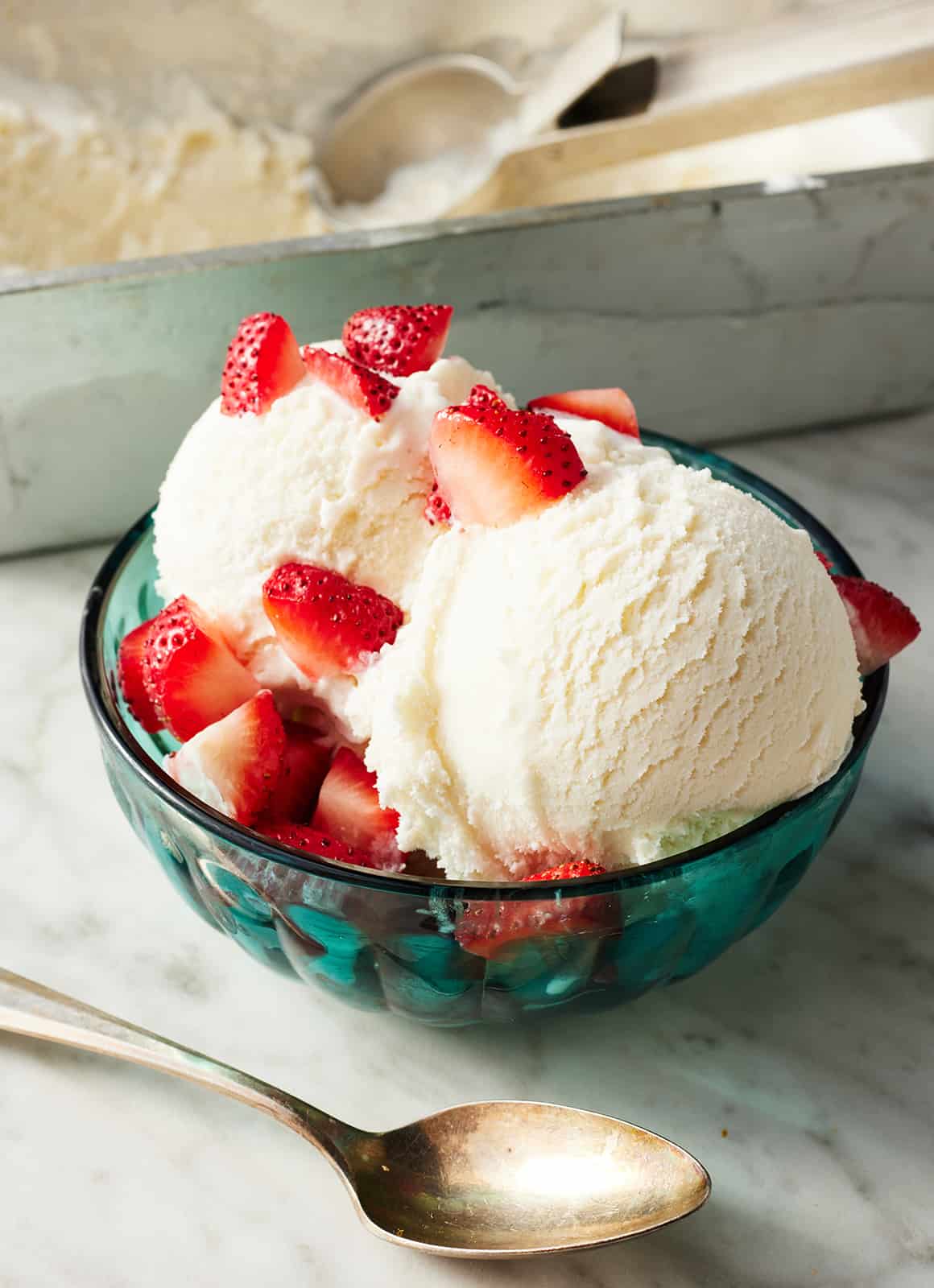
Credit: www.loveandlemons.com
The Freezing Process: Speed Matters
How you freeze your ice cream affects the size of the ice crystals. Slow freezing lets large crystals form, while fast freezing keeps them small and smooth.
Home Freezers Vs. Commercial Machines
Commercial ice cream makers can freeze a batch in 10-15 minutes. They use powerful motors and keep the mixture moving (churning) the whole time. Most home ice cream makers are slower, sometimes taking 30-60 minutes. And if you put the ice cream straight into your freezer without churning, it freezes even slower.
This matters because:
- Fast freezing = small, smooth crystals
- Slow freezing = large, icy crystals
The Importance Of Churning
Churning mixes air into the ice cream and keeps the mixture moving. This stops large ice crystals from forming in one place. If you skip churning or don’t churn long enough, your ice cream can end up icy. Always follow your ice cream maker’s instructions for best results.
Pre-cooling The Mixture
If your ice cream base is warm, it will take longer to freeze. Always chill your mixture in the fridge for at least 4 hours before freezing. This helps the ice cream freeze faster and reduces iciness.
Stabilizers And Emulsifiers: The Secret Helpers
Most commercial ice creams use stabilizers and emulsifiers. These ingredients help keep the texture smooth, even after days in the freezer.
- Stabilizers (like guar gum, xanthan gum, and gelatin) keep water from moving around and forming big crystals.
- Emulsifiers (like egg yolks or lecithin) help mix fat and water, making the ice cream creamy.
Homemade recipes often skip these, but you can add simple stabilizers at home.
Egg Yolks: Nature’s Emulsifier
Classic “French-style” ice cream uses cooked egg yolks. They help bind the mixture and keep it creamy. Recipes with eggs often stay softer and smoother than egg-free versions.
Simple Homemade Stabilizers
If you want to try stabilizers, add 1/4 teaspoon of xanthan gum or guar gum to your mix. These ingredients are easy to find online and used in tiny amounts. You can also use a tablespoon of corn syrup or honey, which helps prevent crystals.
Sugar: More Than Just Sweetness
Sugar does more than make ice cream sweet. It lowers the freezing point of the mixture. This means the ice cream stays soft and scoopable, even at freezer temperatures.
If you reduce the sugar too much, your ice cream will freeze harder and get icy. Many people try to make “healthy” ice cream by cutting sugar, but this usually makes texture worse. If you want to use less sugar, consider adding a bit of alcohol (like vodka) or corn syrup to keep it soft.
Comparing Sugar Types
Different sugars affect texture in different ways. Here’s a comparison:
| Sugar Type | Effect on Texture | Common Use |
|---|---|---|
| Granulated Sugar | Softens, standard effect | Most recipes |
| Corn Syrup | Prevents large crystals | Commercial and homemade |
| Honey/Agave | Extra smoothness | Specialty ice creams |
Corn syrup and honey help keep ice cream soft and creamy.
Storage: Keeping Ice Cream Creamy
How you store ice cream affects its texture over time. Homemade ice cream is more sensitive than store-bought because it lacks strong stabilizers.
Air Exposure And Freezer Burn
Air exposure dries out ice cream and causes “freezer burn. ” This makes the surface icy and unpleasant. Always store ice cream in an airtight container. Press a piece of plastic wrap or wax paper directly on the surface before sealing.
This extra layer keeps air away and helps prevent ice crystals.
Temperature Fluctuations
Each time you open the freezer, warm air gets in. This melts the surface of the ice cream, and when it refreezes, new ice crystals form. Try to store ice cream at the back of the freezer, where the temperature is most stable.
Avoid putting it in the freezer door.
Re-freezing And Softening
If you let ice cream soften and then refreeze it, the texture will always get icier. Only scoop out what you need and return the rest to the freezer right away.

Credit: www.youtube.com
Common Mistakes That Make Homemade Ice Cream Icy
- Using too much milk or low-fat dairy.
- Adding too much fruit juice or water-rich ingredients.
- Not pre-chilling the ice cream base.
- Slow or incomplete churning.
- Cutting back too much on sugar.
- Storing in a poorly sealed container.
- Letting ice cream melt and refreeze.
Some of these are easy to fix. For example, always chill your base and use enough cream. Others, like using stabilizers or choosing the right sweetener, might require a little more planning.
Non-obvious Insights: What Most Beginners Miss
Many people do not realize that the speed of freezing is just as important as the recipe. Even with the perfect mix, slow freezing will make ice crystals bigger. If you want better texture, try pre-freezing your ice cream maker bowl overnight (for machines that use a frozen bowl). This small step helps freeze the mixture faster and leads to creamier results.
Another common oversight is the effect of alcohol. Adding a tablespoon or two of vodka, rum, or liqueur can improve texture without making the ice cream taste boozy. Alcohol lowers the freezing point, keeping ice cream soft and scoopable.
A Simple Recipe For Creamy Homemade Ice Cream
Here’s a basic vanilla ice cream recipe that avoids the most common mistakes:
- 2 cups heavy cream
- 1 cup whole milk
- 3/4 cup sugar
- 1 tablespoon corn syrup
- 1 tablespoon vodka (optional, for softness)
- 1 tablespoon vanilla extract
- Pinch of salt
Instructions:
- Mix all ingredients in a bowl until sugar dissolves.
- Chill in the fridge for 4 hours or overnight.
- Churn in your ice cream maker according to instructions.
- Transfer to an airtight container, press plastic wrap on the surface, and freeze for 4 hours.
This recipe uses enough fat, sugar, and a touch of alcohol to reduce iciness.
Comparing Homemade And Store-bought Ice Cream
It’s easy to feel disappointed when homemade ice cream isn’t as smooth as commercial brands. Here’s a side-by-side look:
| Factor | Homemade | Store-Bought |
|---|---|---|
| Fat Content | 8-15% | 10-20% |
| Stabilizers | Rarely used | Commonly used |
| Freezing Speed | Slow | Very Fast |
| Texture Over Time | Gets icier | Stays creamy |
Understanding these differences helps set realistic expectations and guides your improvements.

Credit: smartsavvyliving.com
Tips For Creamier Homemade Ice Cream
- Use more cream and less milk for higher fat.
- Add a small amount of corn syrup, honey, or alcohol.
- Pre-chill your base and ice cream maker.
- Churn as quickly as possible.
- Store in airtight containers with plastic wrap on the surface.
- Avoid adding too much watery fruit or juice.
- If using eggs, cook the base for better emulsification.
If you want more technical details or recipes, visit Serious Eats Ice Cream Science.
Frequently Asked Questions
Why Does Homemade Ice Cream Get Icy After A Few Days?
Homemade ice cream gets icy because large ice crystals form over time. This happens when water separates out from the mixture, often due to slow freezing, low fat, or air exposure. Unlike commercial ice cream, homemade versions usually lack stabilizers that prevent this.
Can I Fix Icy Homemade Ice Cream After It’s Frozen?
Once ice cream is icy, it’s hard to reverse. You can let it soften slightly, blend it, and refreeze, but this often makes it icier. The best approach is to prevent iciness from the start by following the tips above.
Is There A Way To Make Homemade Ice Cream Softer?
Yes. Use more cream, add some corn syrup or honey, and consider a tablespoon of alcohol. These ingredients lower the freezing point and keep the ice cream soft and creamy.
Will Using An Ice Cream Maker Always Prevent Iciness?
An ice cream maker helps, but it’s not a guarantee. The recipe and freezing speed matter, too. Always pre-chill your mixture and churn as quickly as possible.
How Long Does Homemade Ice Cream Last In The Freezer?
Homemade ice cream is best within one week. After that, it tends to get icier and lose its creamy texture. Store in an airtight container with plastic wrap on the surface to extend freshness.
Homemade ice cream can be wonderfully creamy and full of flavor with just a few changes to your recipe and freezing process. Remember, the keys are managing water, sugar, fat, and storage. With practice, you’ll enjoy ice cream that rivals your favorite brands—fresh from your own kitchen.