Why Is My Floor Sticky After Mopping?
Mopping your floors should leave them clean and fresh, but sometimes you end up with a sticky surface. This can be frustrating, especially after putting in the effort to tidy your home. If you’ve noticed that your floor feels tacky or grabs at your shoes after mopping, you are not alone.
Many people face this problem, and it’s usually caused by simple mistakes or overlooked factors.
In this guide, you’ll learn the main reasons why floors become sticky after mopping, how to fix and prevent it, and which cleaning habits actually matter. You’ll also discover common misunderstandings and practical solutions, so your floors stay clean and comfortable to walk on.
Common Causes Of Sticky Floors After Mopping
Several factors can make your floor sticky, even after you’ve mopped carefully. Understanding these causes will help you choose the right solution.
Too Much Cleaning Solution
When you use excess cleaner, the floor can get sticky. Many people think “more is better,” but this is not true for cleaning solutions. Most products need to be diluted, and using too much can leave behind residue. This residue grabs dirt and moisture, making the floor feel sticky.
Not Rinsing Properly
If you mop with cleaner but don’t rinse with plain water, the leftover soap can cause a sticky feeling. Some cleaning products are designed to be rinsed away. Skipping this step means you leave a layer of chemicals on the floor.
Dirty Mop And Water
A dirty mop or water spreads grime instead of removing it. If you don’t change the water often, you end up mopping with dirty water. This leaves a thin film on the floor, which can become sticky as it dries.
Using Wrong Cleaner For Floor Type
Not all cleaning solutions work for every surface. Wood, tile, laminate, and vinyl floors need different products. Using the wrong cleaner can cause a sticky build-up, especially on sealed floors.
Humidity And Drying Conditions
If your floor dries too slowly, moisture can mix with leftover cleaner and cause stickiness. High humidity or poor ventilation keeps floors damp longer, giving residue more time to settle.
Old Or Worn Floor Finish
Sometimes, the floor finish itself is the problem. When finishes age, they can break down or react badly with cleaners. This creates a sticky or tacky feeling, even if you clean properly.
How To Fix Sticky Floors
If your floor is sticky after mopping, you don’t need to panic. There are practical ways to solve the problem and make your floor comfortable again.
- Rinse With Clean Water: After mopping with cleaner, go over the floor with clean water. This removes leftover soap and chemicals.
- Change Mop Water Frequently: Use fresh water for each room or area. This prevents spreading dirt and residue.
- Use Correct Cleaner: Choose a product that matches your floor type. Read the label and dilute as directed.
- Dry the Floor Quickly: Open windows or use fans to speed up drying. This reduces sticky residue caused by slow evaporation.
- Deep Clean if Necessary: If stickiness persists, scrub with a mix of water and a small amount of white vinegar. Vinegar helps cut through old residue.
- Check the Mop: Make sure your mop is clean before you start. Wash or replace mop heads regularly.
Here’s a quick comparison of common cleaning solutions and their effects:
| Cleaner Type | Best For | Risk of Stickiness |
|---|---|---|
| Multi-purpose cleaner | Tile, vinyl | Medium (if not rinsed) |
| Wood floor cleaner | Sealed hardwood | Low (if used as directed) |
| Dish soap solution | Ceramic, laminate | High (needs rinsing) |
| Vinegar mix | Tile, laminate | Low |

Credit: www.youtube.com
How To Prevent Sticky Floors
Preventing stickiness is easier than fixing it. Here are simple habits that keep your floors clean and comfortable.
Measure Cleaning Solution Carefully
Always follow the instructions on the cleaner. Using more does not clean better, and can make your floor sticky.
Mop In Sections
Work in small areas and change water often. This prevents spreading dirt and helps you rinse more thoroughly.
Rinse After Mopping
If you use a cleaner, rinse with plain water. Many people skip this step, but it’s key to avoiding sticky residue.
Use The Right Mop
Microfiber mops are better at picking up dirt and leaving less residue. Cotton mops can hold onto soap and water, which dries sticky.
Dry Floors Quickly
Let floors dry with good air flow. If possible, avoid walking on them until they are fully dry.
Clean Mop Heads Regularly
Washing or replacing mop heads is important. A dirty mop is one of the most common causes of sticky floors.
Watch Humidity
If your home is humid, use fans or dehumidifiers when mopping. This helps floors dry faster and reduces stickiness.
Mistakes People Make When Mopping
Even experienced cleaners can make simple mistakes that lead to sticky floors. Here are the ones to watch for:
- Using too much soap: Always measure and dilute as directed.
- Skipping the rinse: Some cleaners need a water rinse. Don’t skip this step.
- Not changing mop water: Dirty water spreads grime, making floors sticky.
- Using wrong cleaner: Check if your product matches your floor type.
- Ignoring drying time: Walking on wet floors can push residue deeper.
- Not cleaning mop heads: Dirty mops leave behind more residue.
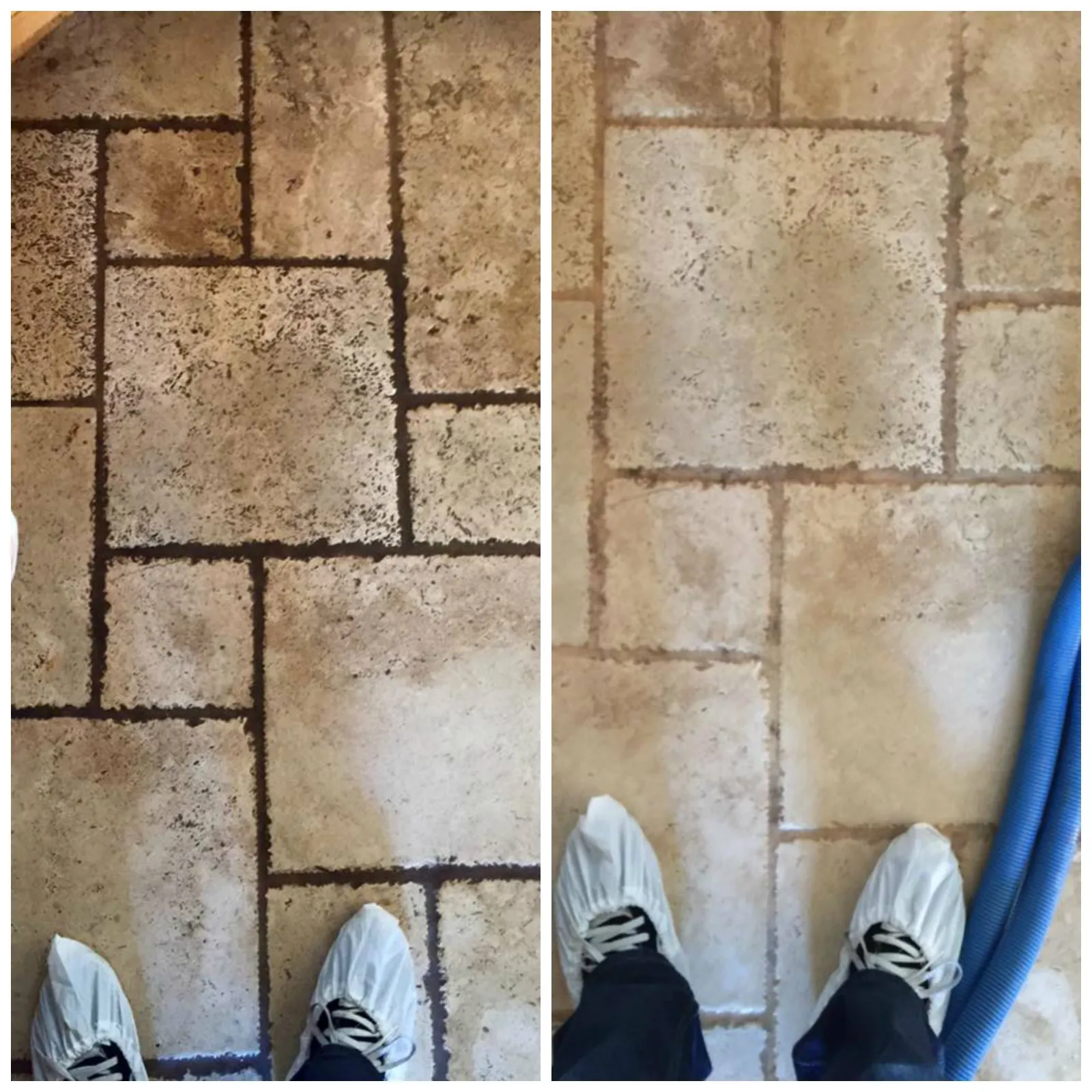
Credit: www.zerorez.com
Types Of Floors Most Affected
Some floors are more prone to stickiness than others. Here’s a comparison of common flooring types:
| Floor Type | Stickiness Risk | Recommended Cleaner |
|---|---|---|
| Tile | Medium | Neutral pH cleaner |
| Laminate | High | Laminate-specific cleaner |
| Hardwood | Low | Wood floor cleaner |
| Vinyl | Medium | Multi-purpose cleaner |
Laminate floors are especially sensitive because they have a thin finish that can react with many cleaners. Tile and vinyl are less sensitive but can still get sticky if not rinsed. Hardwood floors usually resist stickiness unless the finish is damaged.
Non-obvious Insights Beginners Miss
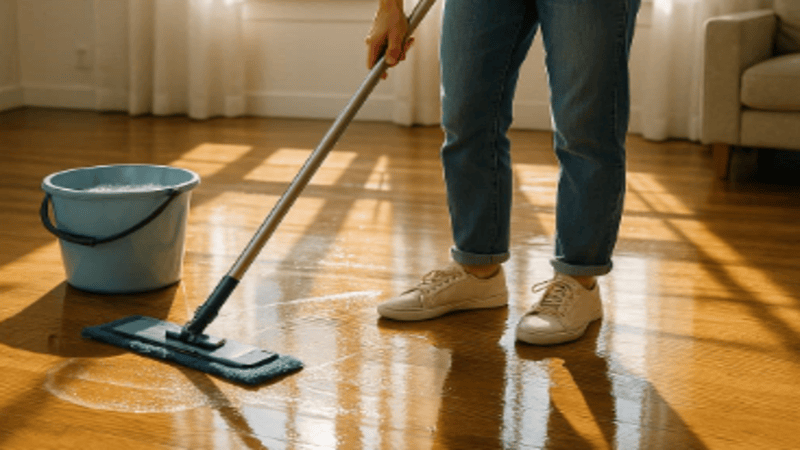
Many beginners think the floor looks clean if it’s shiny, but shine can hide sticky residue. Always feel the floor after mopping, not just look at it.
Another insight: cleaners with “no-rinse” labels can still leave residue if used too much. Always follow the recommended amount, even if the label says “no rinse needed.”
Credit: cnmanywell.com
How Often Should You Mop?
Over-mopping can make stickiness worse, especially if you use cleaner every time. For most homes, once a week is enough for high-traffic areas. For less-used rooms, every two weeks is usually fine.
Here’s a comparison of mopping frequency:
| Room Type | Recommended Frequency | Cleaner Needed? |
|---|---|---|
| Kitchen | 1–2 times/week | Yes |
| Living Room | 1 time/week | Yes |
| Bedroom | Every 2 weeks | No (water only) |
| Bathroom | 1–2 times/week | Yes |
Best Products And Solutions
Choosing the right product is important. Look for cleaners with neutral pH for tile and vinyl. For wood, use cleaners made for sealed hardwood. Microfiber mops are effective because they trap dirt and leave less water behind.
If you need a deeper clean, use a mix of water and a small amount of white vinegar. Vinegar breaks up residue, but don’t use it on hardwood, as it can damage the finish.
According to Consumer Reports, the best way to avoid sticky floors is to use only the recommended amount of cleaner and rinse well.
Signs Your Floor Needs More Than Mopping
Sometimes, stickiness is a sign of a bigger problem. If you notice:
- Sticky spots that don’t go away
- Discoloration or dull areas
- Strong chemical smell
- Visible residue
Your floor may need a deep clean or a new finish. For wood or laminate, consult a flooring expert if the finish is damaged.
Frequently Asked Questions
Why Does My Floor Feel Sticky Even After Rinsing?
Sticky floors after rinsing often mean there’s still some residue left. You may need to rinse again, change your mop head, or use a different cleaner. Some products leave behind films that need extra scrubbing.
Can Vinegar Remove Sticky Residue From Floors?
Yes, white vinegar is effective for removing sticky residue, especially on tile and laminate. Mix one cup of vinegar with one gallon of water and mop the floor. Avoid using vinegar on hardwood floors.
How Do I Know If I’m Using Too Much Cleaning Solution?
If your floor feels sticky, slippery, or looks streaky after mopping, you’re likely using too much cleaner. Always measure and dilute according to the label.
Is A Sticky Floor Dangerous?
Sticky floors are not usually dangerous, but they can attract more dirt and make the surface uncomfortable. In rare cases, stickiness can make floors slippery if residue builds up.
Should I Mop With Hot Or Cold Water?
Both are fine for most floors, but hot water can help dissolve sticky residue faster. For some finishes (like wood), use lukewarm water to avoid damage.
Sticky floors after mopping are a common problem, but you can fix and prevent it with the right habits. Measure your cleaning solution, rinse well, use clean mop heads, and dry your floors quickly. If stickiness persists, try a vinegar solution or check if the floor finish needs attention.
With these tips, your floors will stay clean, comfortable, and free from unwanted residue.