Skip to content
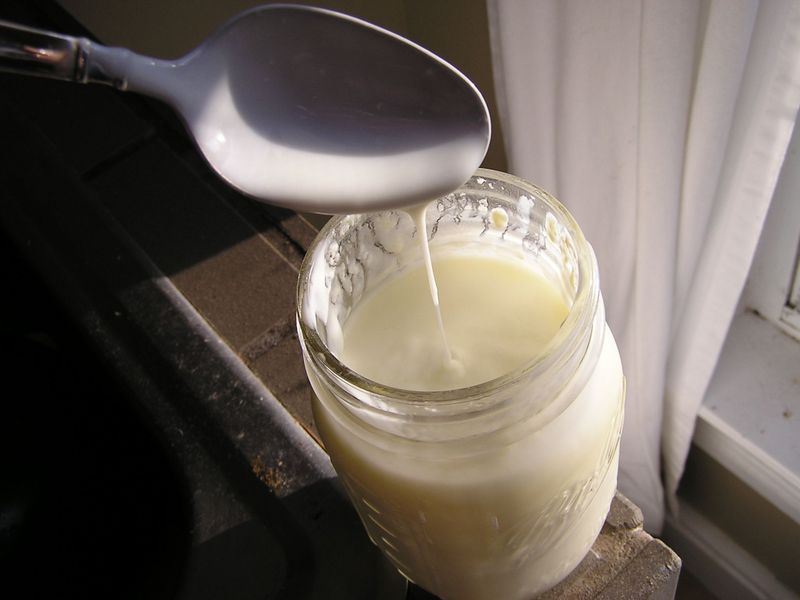
Making yogurt at home is rewarding, healthy, and can save you money. But nothing is more frustrating than opening your container after hours of waiting—only to find your homemade yogurt is runny. You expected a thick, creamy spoonful, but instead, you see a watery, loose texture. Why does this happen? Can you fix it? And how can you prevent it next time? If you’re tired of runny yogurt, this guide breaks down the real reasons, gives clear solutions, and shares practical tips you won’t find on every recipe blog.
What Makes Yogurt Thick?
Before solving the problem, it helps to understand why yogurt thickens in the first place. Yogurt’s creamy texture comes from milk proteins that set into a gel when fermented by live bacteria. The bacteria eat milk sugars, produce lactic acid, and change the milk’s structure. If something interrupts this process, your yogurt won’t firm up as expected. The balance between milk, bacteria, temperature, and time is delicate—change one, and the texture changes too.
Common Reasons Homemade Yogurt Is Runny
Many beginners make the same mistakes. Here’s what usually goes wrong:
- Milk Quality and Type
- Using ultra-pasteurized milk can prevent yogurt from setting properly. This milk is heated so high that its proteins change and can’t form a gel.
- Low-fat or skim milk makes thinner yogurt because there’s less fat to add body.
- Fresh, whole milk tends to give the thickest results.
- Weak or Old Starter Culture
- The starter culture is the yogurt or powder that adds bacteria to your milk. If it’s weak, old, or has lost potency, the bacteria can’t thicken the milk well.
- Using flavored or sweetened yogurt as starter can introduce additives that mess up the texture.
- Incorrect Fermentation Temperature
- Yogurt bacteria need a warm environment—usually between 105°F and 115°F (40°C–46°C).
- If the milk gets too cool, bacteria work slowly, and yogurt stays thin.
- If it’s too hot, bacteria can die, and the milk never sets.
- Not Enough Fermentation Time
- Less time means bacteria don’t have a chance to fully thicken the yogurt. Six to twelve hours is standard, but some recipes need longer.
- Improper Milk Preparation
- If you skip heating the milk to at least 180°F (82°C), the proteins don’t change enough to form a strong gel.
- Not cooling the milk enough before adding the starter can kill the bacteria.
- Disturbing the Yogurt While It Sets
- Moving, stirring, or bumping the yogurt while it’s fermenting can break the delicate protein network before it’s set.
How Each Factor Affects Yogurt Texture
To see how these factors compare, here’s a quick reference:
| Factor | Effect on Texture | How to Optimize |
|---|---|---|
| Milk Type | Whole milk thickens best; skim milk stays thin | Use fresh, whole milk for creaminess |
| Starter Quality | Weak starter = runny yogurt | Use plain, active yogurt as starter |
| Temperature | Too cold = thin; too hot = no set | Keep steady at 110°F (43°C) |
| Fermentation Time | Too short = runny | Ferment 6–12 hours (or longer for thicker) |
| Milk Heating | Unheated milk = weak set | Heat to 180°F (82°C), cool to 110°F (43°C) |
The Role Of Milk In Yogurt Texture
Milk is the foundation of your yogurt. The type you use makes a big difference:
- Whole milk: Rich, creamy, thick yogurt.
- 2% or skim: Less creamy, sometimes watery.
- Non-dairy milks: Need added thickeners (like agar or cornstarch) to set well.
Ultra-pasteurized milk is a common trap. It looks like regular milk but is heated to a much higher temperature. This extra heat changes the proteins so much that yogurt can’t set well. Always check the label—if it says “ultra-pasteurized,” try another kind for better results.
Starter Culture: The Bacteria Behind The Magic
Your yogurt starter is full of live bacteria—usually *Lactobacillus bulgaricus* and *Streptococcus thermophilus*. These friendly microbes eat lactose, create acid, and build the yogurt’s structure. But not all starters are equal:
- Store-bought yogurt: Make sure it’s plain, unsweetened, and “contains live cultures.”
- Powdered starter: Use a trusted brand and keep it fresh.
- Old yogurt: Using yogurt that’s been in your fridge for weeks is risky—the bacteria might be weak.
Switch your starter every few batches to keep it strong. If you notice your yogurt getting thinner over time, start with a fresh batch from a new container.
Temperature And Timing: Why Precision Matters
Yogurt-making is a bit like baking bread—it needs the right warmth to rise. If the temperature drops below 105°F (40°C), bacteria slow down and make less acid. If it’s above 115°F (46°C), the good bacteria die. Find a cozy spot or use a yogurt maker for reliable results.
Here’s a comparison of methods:
| Incubation Method | Temperature Control | Consistency |
|---|---|---|
| Oven with Light | Moderate | Good, but can vary |
| Yogurt Maker | Excellent | Consistent |
| Thermos | Fair | Thinner if not pre-warmed |
A common beginner mistake is leaving the yogurt in a cool kitchen overnight. The temperature drops, fermentation slows, and you wake up to thin yogurt. Try wrapping your container in a towel or placing it in a warm oven (turned off but with the light on) to hold the heat.
Milk Preparation: The Science Of Heating And Cooling
Heating the milk to at least 180°F (82°C) helps “unfold” the proteins, making them ready to form a solid gel. Skipping this step often leads to runny yogurt. After heating, you must cool it to around 110°F (43°C) before adding your starter—otherwise, the heat kills the bacteria.
Quick tip: Use a kitchen thermometer for accuracy. Touch testing is unreliable, and even a small temperature mistake can make a big difference.
Fermentation Time: Patience Pays Off
Yogurt thickens as bacteria work. Some people get impatient and check the yogurt after only 4–5 hours, but it often needs more time. For thicker yogurt, let it ferment 8–12 hours—or even overnight. Some yogurts, especially Greek-style, need up to 24 hours for a strong set.
But don’t overdo it: if you go too long, yogurt can get tangy and start to separate into curds and whey.
Credit: www.thepauperedchef.com
Movement And Disturbance: Let It Rest
Once you mix your starter into the milk, resist the urge to move or stir. Disturbing the yogurt breaks the delicate protein network before it’s firm. Place the container where it won’t be bumped, and don’t peek until it’s done.
Additives And Thickeners: When To Use Them
If you want extra-thick yogurt (like Greek or Icelandic skyr), you can:
- Strain the finished yogurt through cheesecloth to remove whey.
- Add milk powder before fermenting to boost protein.
- Use thickeners like gelatin, agar, or pectin (especially with non-dairy milks).
But remember: real yogurt should set on its own if you follow the basics. Thickeners are a backup, not a fix for missed steps.

Credit: www.thefrugalgirl.com
Troubleshooting: How To Fix Runny Yogurt
Already made runny yogurt? Don’t toss it—here’s what you can do:
- Strain it: Pour yogurt into a cheesecloth-lined sieve and let it drain for 2–4 hours in the fridge. The result is thicker, Greek-style yogurt.
- Use it in smoothies or baking: Runny yogurt is still full of good bacteria and flavor.
- Try again: Use your runny yogurt as a starter for a new batch, but improve your process.
Avoiding Common Mistakes
Many home cooks repeat the same errors. Here are two insights most beginners miss:
- Starter-to-milk ratio matters: Using too much or too little starter can cause problems. About 2 tablespoons per quart (liter) of milk is ideal. More isn’t always better—too much starter can make yogurt sour and grainy.
- Cleanliness counts: Even a small amount of soap or residue in your pot can affect fermentation. Rinse well, and use stainless steel, glass, or ceramic containers. Avoid aluminum, which can react with acid.

Credit: www.reddit.com
Comparing Homemade And Store-bought Yogurt
Many are surprised by how different homemade yogurt can be from store-bought. Here’s a direct comparison:
| Type | Texture | Additives/Thickeners | Flavor |
|---|---|---|---|
| Homemade | Varies (can be runny or thick) | Usually none (unless added) | Fresh, tangy |
| Store-bought | Consistently thick | Often contains stabilizers and thickeners | Milder, less tangy |
Many brands add gelatin, pectin, or cornstarch to guarantee thickness. Homemade yogurt is more natural but less predictable—so following best practices is key.
Tips For Consistently Thick Homemade Yogurt
- Use whole milk for best results.
- Always heat and cool milk as described.
- Use a fresh, active starter—replace every few batches.
- Maintain steady incubation temperature (110°F/43°C).
- Let it ferment long enough—don’t rush.
- Don’t disturb while setting.
- If needed, strain finished yogurt for extra thickness.
These steps take a little planning but become second nature with practice.
When To Add Flavorings And Sweeteners
If you want to flavor your yogurt, add honey, fruit, or vanilla after fermentation. Adding sugars or fruit before culturing can slow or block the bacteria, resulting in thinner, sometimes separated yogurt.
When To Seek Help
If you follow all these steps and yogurt is still runny, your milk or starter might be the problem. Try switching brands, or use a powdered starter. For more scientific details, check resources like the National Institutes of Health.
Frequently Asked Questions
Why Does My Yogurt Separate Into Curds And Whey?
This often means it fermented too long or at too high a temperature. While this is safe to eat, you can stir the whey back in or strain it for thicker yogurt.
Can I Use Plant-based Milks For Thick Yogurt?
Yes, but most non-dairy milks need added thickeners (like agar, cornstarch, or arrowroot) since they lack the proteins that make dairy yogurt set.
How Long Can I Keep Homemade Yogurt?
Homemade yogurt lasts about 1–2 weeks in the fridge. Always use clean utensils and containers to avoid contamination.
Is Runny Yogurt Safe To Eat?
Absolutely. Runny yogurt has the same probiotics and nutrients. The only issue is texture.
Can I Use Runny Yogurt As A Starter?
Yes, but make sure it smells and tastes fresh—not sour or off. If your starter is weak, buy a new plain yogurt for best results.
Making thick, creamy yogurt at home isn’t hard, but it does require attention to detail. By understanding the science and avoiding common mistakes, you’ll get the texture you want. Don’t be discouraged by a few runny batches—every yogurt maker has been there.
With practice and patience, you’ll soon be making yogurt as good as any store’s—only fresher and tastier.