Skip to content
A juicer is a handy kitchen tool for anyone who loves fresh juice. But nothing is more frustrating than seeing juice drip from the bottom of your machine. This problem can ruin your countertop, waste precious juice, and even damage your appliance over time. If you’re asking, “Why is my juicer leaking from the bottom?”, you’re not alone. Many people face this issue, whether they have a budget-friendly juicer or a top-of-the-line model.
In this article, we’ll explore the most common causes of juicer leaks, how to diagnose the problem, and practical solutions to fix it. We’ll also give tips for preventing leaks in the future, and help you decide if you need to repair or replace your juicer.
By the end, you’ll feel confident handling leaks and making your juicer last longer. Let’s dive into the reasons behind juicer leaks and how to solve them.
Why Do Juicers Leak From The Bottom?
Juicers are designed to separate juice from pulp. When everything works well, juice goes into the container, and pulp is ejected. But a leak at the bottom means something isn’t right. The problem can come from several sources:
- Worn or damaged seals
- Incorrect assembly
- Cracked parts
- Overloading
- Blockages
- Improper cleaning
- Low-quality materials
- Normal wear and tear
Each cause has its own signs and solutions. Understanding these helps you find the right fix quickly.
Worn Or Damaged Seals
Most juicers have rubber or silicone seals (gaskets) inside. These seals keep juice from escaping. Over time, they can crack, stretch, or harden. If your juicer’s seal is damaged, juice can leak out.
Sometimes, the seal isn’t visible without taking apart the juicer. This is why many owners miss the problem for weeks or months. If you notice a slow leak or a sticky residue under your juicer, it’s often a sign the seal has failed.
Non-obvious insight: Many people overlook the seal because it’s hidden inside the machine. But checking and replacing seals is one of the easiest fixes. If your juicer is leaking and you haven’t checked the seal, start there.
Incorrect Assembly
Juicers often have several parts that must fit together perfectly. If you assemble the machine incorrectly—even by a small margin—it can create gaps. Juice then finds these gaps and leaks.
Juicer parts sometimes look similar but only fit one way. After cleaning, it’s easy to mix up parts or forget to push them in completely. Even a tiny misalignment can allow juice to escape from the bottom or sides.
Common mistake: Rushing assembly after cleaning or forgetting to lock the parts properly. Take your time and double-check the fit, especially if you notice leaks after reassembly.
Cracked Parts
Juicers are usually made from plastic, metal, or glass. Plastic parts, especially, can crack due to age or force. Cracks near the base are hard to spot but can cause slow leaks.
Even a small crack can let juice seep out every time you use the machine. Cracks can also spread over time, making the leak worse. If you dropped your juicer or noticed a change in performance, inspect for cracks.
Practical tip: Check for hairline cracks with a flashlight. Sometimes, the crack is only visible when wet. Touch the area gently—if it feels rough or uneven, it could be a crack.
Overloading The Juicer
Putting too much fruit or vegetable in at once can force juice out before it’s processed. The pressure can push juice past seals or cause overflow at the bottom.
Overloading stresses the motor and the internal parts. Juice may spill out in areas not designed to handle liquid, leading to leaks and mess. This is more common in centrifugal juicers, which process quickly.
Beginner mistake: Believing bigger batches are more efficient, but overloading usually leads to leaks and poor extraction. Juicing in smaller amounts keeps the machine working smoothly and avoids leaks.
Blockages
If pulp or seeds block the juice outlet, liquid can build up inside. The pressure forces juice out through other openings, including the bottom.
Blockages happen when you juice fibrous foods like celery or when seeds get stuck. If the juice outlet is partially blocked, the machine may look fine at first but develop leaks during use.
Smart advice: Clean the outlet after every use. Even small blockages can cause leaks. Use a thin brush or toothpick to clear tight spaces.
Improper Cleaning
If you don’t clean your juicer well, sticky residue builds up. This can affect seals, create blockages, or corrode parts. Over time, leaks become common.
Sticky buildup can also attract mold, which damages rubber seals and plastic parts. Even if your juicer looks clean on the outside, hidden residue can cause leaking and bad smells.
Non-obvious insight: Residue isn’t always visible. A deep clean every few weeks prevents hidden buildup. If you juice sticky fruits (like pineapple), clean all parts thoroughly.
Low-quality Materials
Cheaper juicers may use thin plastic or weak seals. These wear out faster and are more likely to leak.
If your juicer feels lightweight or flimsy, it may be more prone to leaks—especially after a few months of regular use. Even expensive models can have weak points if materials are not high quality.
Data point: According to consumer reviews, budget juicers (<$50) are three times more likely to develop leaks within the first year compared to higher-end models. Investing in better materials often means fewer leaks and a longer lifespan.
Normal Wear And Tear
Even the best juicers wear down after years of use. Seals harden, parts loosen, and cracks appear. If your juicer is old, a leak might simply mean it’s time for maintenance or replacement.
Normal wear includes fading color, loose parts, and squeaky sounds. If you notice several problems at once, it’s probably time for a full inspection.
How To Diagnose A Juicer Leak
Finding the cause of your juicer’s leak is key to fixing it. Here’s a step-by-step method to diagnose the problem:
- Unplug and empty the juicer. Safety first—never work on the juicer while plugged in.
- Disassemble all parts. Remove containers, blades, and covers.
- Inspect seals and gaskets. Look for cracks, stretching, or hardening. Gently squeeze or bend the seal—if it feels brittle, replace it.
- Check for cracks or damage. Use a flashlight for detailed inspection. Wet the suspected area; cracks are easier to spot when damp.
- Examine assembly points. Make sure each part fits snugly. Loose or misaligned parts are a common cause.
- Look for residue or blockages. Check juice outlets and pulp ejection areas. Use a brush or toothpick to clear debris.
- Reassemble and test with water. Fill with water instead of juice to check for leaks. Water makes it easier to spot leaks and is easier to clean up.
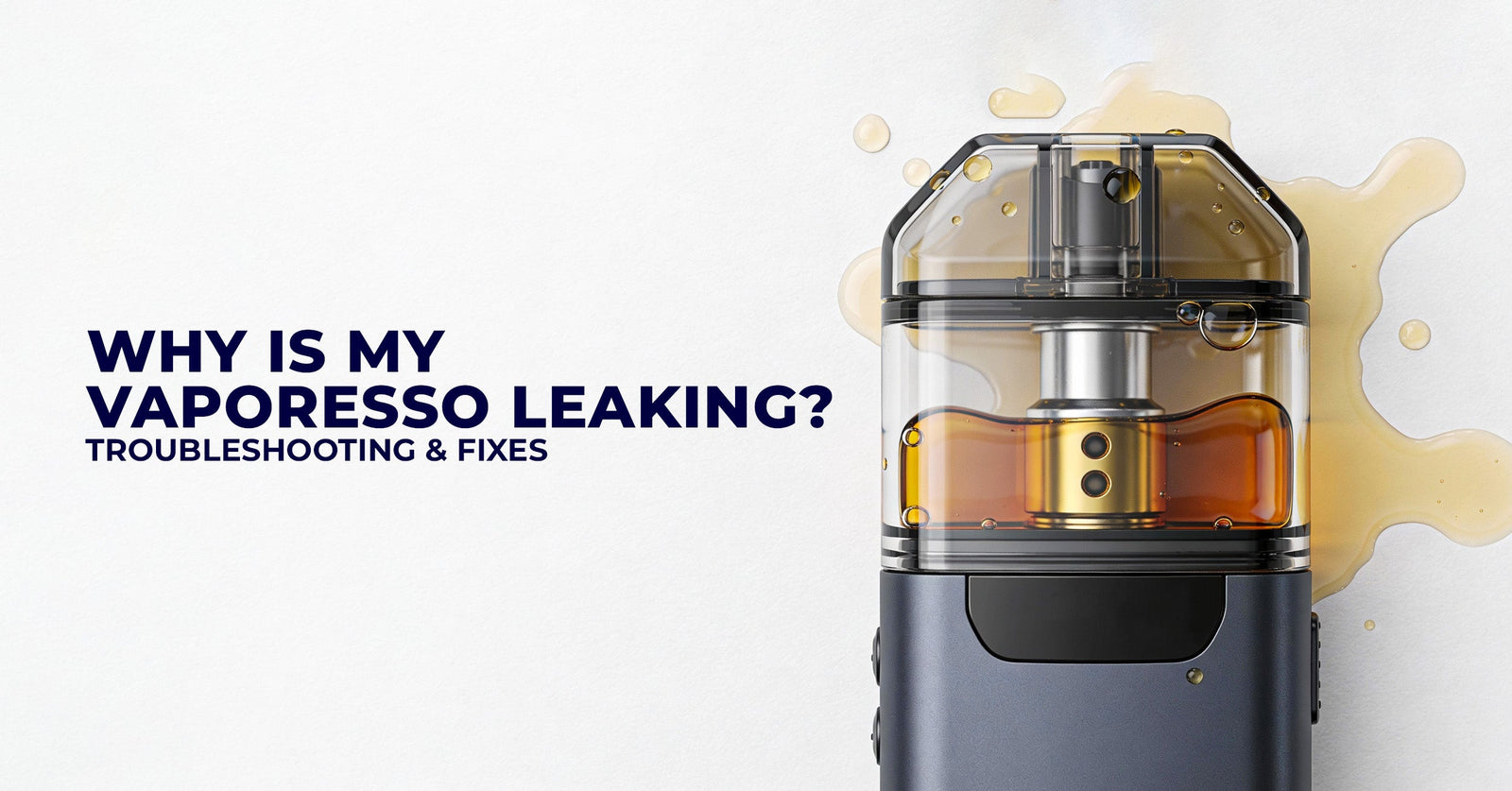
If you notice leaks during the water test, focus on the area where water escapes. This will tell you if the problem is a seal, a crack, or assembly issue. Repeat the test after each fix to confirm the leak is gone.
Credit: greyhaze.co.uk
Types Of Juicers And Leak Risks
Not all juicers are the same. Different designs have different risks for leaks. Here’s a comparison of popular types:
| Juicer Type | Leak Risk | Main Cause |
|---|---|---|
| Centrifugal | Medium | Seal wear, improper assembly |
| Masticating (Slow) | Low | Blockages, seal damage |
| Citrus Press | High | Cracked base, overload |
| Manual Press | Low | Assembly errors |
Masticating juicers usually have fewer leaks because they run at lower speeds and have stronger seals. Centrifugal juicers spin fast, which can stress seals and cause leaks. Citrus presses often leak if overloaded or if the base cracks.
Example: If you juice a large batch of oranges in a citrus press, the pressure can crack the base, leading to leaks. With a masticating juicer, blockages from fibrous vegetables are more likely, but leaks are rare unless the seal fails.
Fixing A Leaking Juicer: Step-by-step Solutions
Once you know the cause, fixing the leak is usually straightforward. Here are practical steps for each common problem.
Replacing Damaged Seals
- Find the seal or gasket inside your juicer. Usually, it’s near the base or under the spinning blade.
- Remove the old seal carefully. Use a small tool or your fingers.
- Buy a matching replacement (use the model number). Manufacturers often sell seals separately.
- Install the new seal, making sure it sits flat. A crooked seal can cause leaks.
- Test with water before juicing.
Tip: Keep extra seals on hand if your juicer uses a standard size. They are cheap and easy to replace. A new seal can transform an old juicer.
Correcting Assembly Errors
- Disassemble the juicer fully. Lay out all parts for easy access.
- Clean and dry each part. Water or residue can cause a poor fit.
- Follow the manual’s assembly instructions. If you don’t have the manual, search online for your model.
- Make sure every part clicks or locks in place. Don’t force parts; gentle pressure is best.
- Check for leaks with a water test.
Advice: Take photos while disassembling. This helps with reassembly. Mark tricky parts with tape if needed.
Repairing Or Replacing Cracked Parts
- Identify the cracked part. Mark the spot for easier repair.
- If minor, use food-safe epoxy to seal the crack. Apply thin layers and let dry fully.
- For major cracks, order a replacement part from the manufacturer. Some parts are universal; others must match your model.
- Install the new part and test.
Warning: Never use super glue or non-food-safe adhesives. They can contaminate juice and may break down when exposed to food and liquid.
Preventing Overload
- Cut fruits and vegetables into smaller pieces. This reduces stress on the machine.
- Juice in small batches. Allow each batch to process fully before adding more.
- Allow the machine to process before adding more. Watch the pulp collector and juice outlet.
Insight: Most juicers have a maximum capacity. Check your manual for limits. If unsure, start with less and add slowly.
Clearing Blockages
- Remove pulp collector and juice outlet covers. These often trap hidden pulp.
- Rinse with warm water. This loosens debris.
- Use a brush to remove stuck pulp or seeds. Toothbrushes or bottle brushes work well.
- Dry and reassemble.
Tip: If you juice sticky fruits (like mango), clean outlets immediately after use. Waiting allows pulp to harden, making cleaning harder.
Deep Cleaning
- Disassemble the juicer. Remove all parts.
- Soak parts in warm, soapy water for 20–30 minutes. Avoid soaking motorized parts.
- Scrub all surfaces, paying attention to hidden spots. Use brushes for tight spaces.
- Rinse and dry fully. Moisture can damage seals.
- Reassemble and test.
Data: A survey found 40% of juicer owners clean only the visible parts, leading to hidden leaks. Deep cleaning prevents buildup and extends juicer life.
Upgrading Materials
If your juicer is made from low-quality plastic, consider upgrading to a model with stainless steel or BPA-free plastic. These materials are more durable and less likely to crack.
| Material | Durability | Leak Risk |
|---|---|---|
| Plastic | Low | High |
| Stainless Steel | High | Low |
| BPA-free Plastic | Medium | Medium |
Example: Stainless steel models are popular in cafes because they resist cracks and leaks, even with heavy daily use. BPA-free plastics are safer and stronger than cheap plastics.
Preventing Leaks: Best Practices
Prevention is easier than repair. Use these habits to keep your juicer leak-free:
- Clean all parts after every use. Don’t leave pulp or juice sitting overnight.
- Inspect seals monthly. Replace at the first sign of wear.
- Assemble carefully, following instructions. Take your time.
- Avoid overloading. Small batches work best.
- Use the right juicer for your needs. Heavy juicing? Choose a model made for volume.
- Store the juicer in a dry place. Moisture can damage seals and cause rust.
Pro tip: Keep your manual handy. Most leaks can be prevented by following manufacturer guidelines. Store spare seals and cleaning brushes with your juicer.
When Should You Repair Or Replace Your Juicer?
Sometimes, fixing the leak isn’t enough. Knowing when to repair or replace is important for safety and efficiency.
Repair
- Seal or gasket is cheap and easy to replace.
- Crack is small and can be sealed safely.
- Assembly error caused the leak.
- Juicer is less than 2 years old.
Replace
- Multiple cracks or broken parts.
- Seals cannot be replaced or are discontinued.
- Juicer leaks despite repairs.
- Machine is more than 5 years old and shows heavy wear.
Data: Most juicers last 3–5 years with regular use. If your juicer leaks after this period, replacement is usually more cost-effective. An old juicer may also be less efficient and harder to clean.
Real Examples: Common Juicer Leaks
Let’s look at a few real-world situations:
- Centrifugal juicer leaking after 6 months: The owner found the seal hardened due to infrequent cleaning. Replacing the seal stopped the leak. Regular cleaning would have prevented the problem.
- Citrus press leaking from crack: The base cracked after dropping. A food-safe epoxy fixed the leak temporarily, but a replacement was needed for long-term use. Dropping juicers is a common cause of cracks.
- Masticating juicer leaking at assembly point: Incorrect assembly after washing caused a gap. Reassembling carefully fixed the issue. Taking photos during disassembly helped.
Non-obvious insight: Leaks often start small. Early action prevents bigger damage. Listen for unusual sounds or see if juice drips more slowly; these can signal a leak is starting.
Juicer Maintenance Checklist
Here are steps to keep your juicer in top shape:
- Wash all parts after each use, including hidden spots
- Inspect seals weekly for cracks or stiffness
- Check for cracks monthly, especially after drops
- Assemble slowly and carefully, checking fit
- Run water through the juicer before juicing to spot leaks
- Store away from heat and humidity, which can damage seals

Credit: www.amazon.com
Comparing Juicer Brands On Leak Prevention
Some brands are better at preventing leaks. Here’s a quick comparison:
| Brand | Leak Rate (Year 1) | Main Leak Cause |
|---|---|---|
| Breville | 5% | Seal wear |
| Omega | 3% | Assembly errors |
| Hamilton Beach | 10% | Plastic cracks |
| Black+Decker | 8% | Seal damage |
Higher-end brands use better seals and thicker materials, leading to fewer leaks. Lower-end brands often use thinner plastics and less durable seals, which need more frequent replacement.
Tips For Buying A Leak-proof Juicer
If you’re shopping for a new juicer, keep these points in mind:
- Choose strong materials: Stainless steel and BPA-free plastics last longer. Thin plastic cracks more easily.
- Check seal design: Look for double-sealed models. A well-designed seal is less likely to fail.
- Read reviews: Look for comments about leaks, not just speed or price.
- Buy from reputable brands: They offer better support and parts. Check warranty options.
- Avoid very cheap models: These are more likely to leak and may not be worth repairing.
External link: For more information on juicer types and maintenance, see Wikipedia’s juicer page.
Credit: instacuppastore.com
Frequently Asked Questions
What Is The Most Common Cause Of Juicer Leaks?
The most common cause is worn or damaged seals. Rubber or silicone gaskets lose flexibility over time, letting juice escape from the bottom. Regular inspection and replacement prevent leaks.
Can I Use Super Glue To Fix A Crack In My Juicer?
No. Super glue is not food-safe and can contaminate juice. Always use food-safe epoxy or order a replacement part. If unsure, contact the manufacturer.
How Often Should I Clean My Juicer To Prevent Leaks?
Clean every part after each use. Deep clean once a week if you use your juicer daily. This keeps seals and outlets clear and prevents buildup.
Is It Safe To Use A Juicer That Leaks?
Using a leaking juicer is not safe. Leaks can cause electric shocks, mold growth, or damage to your countertop. Fix or replace the juicer before using again. If leaks persist, consider a replacement.
Are Manual Juicers Less Likely To Leak?
Yes, manual juicers have fewer parts and seals, so they leak less. But incorrect assembly and cracks can still cause leaks. Always inspect and clean regularly.
Juicer leaks are annoying but almost always fixable. By understanding the causes, checking your machine, and following the right steps, you can stop leaks and keep your juicer running smoothly. With good habits and careful maintenance, your juicer will produce fresh, clean juice for years to come.