Vacuum sealers make food storage easier, saving money and keeping food fresh for longer. But when your vacuum sealer stops sealing properly, it’s frustrating. Bags pop open, air leaks in, and food spoils faster. If you’re searching for answers, you’re not alone.
Many people struggle with vacuum sealers that won’t seal right, even after careful setup. This guide will help you find the real reasons your vacuum sealer is not sealing properly and offer practical solutions. Whether you’re sealing leftovers, bulk groceries, or prepping meals, you’ll soon know how to fix common sealing problems and prevent them in the future.
Common Reasons Your Vacuum Sealer Isn’t Sealing
Vacuum sealers look simple, but several things can go wrong. Understanding these reasons is the first step toward solving your sealing issues.
1. Dirty Sealing Area
If the bag’s sealing strip is dirty—maybe with crumbs, grease, or moisture—the machine cannot seal it tightly. Even small bits of food or water can break the seal.
2. Damaged Or Poor Quality Bags
Not all bags work with every sealer. Cheap or thin bags sometimes fail to seal. Bags with wrinkles, holes, or cuts will let air leak in.
3. Incorrect Bag Placement
If the bag is not placed correctly inside the sealer, it won’t work. The open edge must sit flat and straight on the sealing strip.
4. Sealing Strip Wear
The sealing strip is a rubber or silicone pad that gets hot and melts the bag closed. Over time, this strip can crack, break, or lose its shape.
5. Faulty Heating Element
If your vacuum sealer’s heating element doesn’t get hot enough, the seal will be weak. This is common in older machines or those used heavily.
6. Overfilled Bags
Too much food in the bag can block the seal. The bag needs enough empty space at the top to close tightly.
7. Moisture In Food
Wet foods, like raw meat or juicy vegetables, can leak liquid into the sealing area. Moisture stops the bag from sealing fully.
8. Wrong Settings
Many sealers have settings for dry or moist foods. Using the wrong setting means the machine may not seal well.
9. Electrical Or Mechanical Issues
Sometimes, the problem is inside the machine. Broken wires, faulty switches, or motor issues can stop it from working properly.
10. Bag Not Designed For Vacuum Sealing
Some plastic bags are not made for vacuum sealers. Using regular storage bags instead of special vacuum sealer bags will not work.
How To Diagnose Vacuum Sealer Problems
Before you can fix your vacuum sealer, you need to know what’s wrong. Here’s a clear process you can follow.
Step 1: Inspect The Bags
Start by looking at your bags. Are they wrinkled, torn, or damaged? Are you using bags meant for vacuum sealers? If not, switch to high-quality vacuum bags.
Try sealing an empty bag. If it seals well, your bags are not the problem.
Step 2: Check The Sealing Strip
Open your machine and look at the sealing strip.
- Is it clean?
- Is it flat, soft, and free from cracks?
If the strip is dirty, clean it with a soft cloth. If it’s damaged, look for replacement parts.
Step 3: Examine The Heating Element
Plug in your vacuum sealer and try to seal a bag. Touch the area (carefully, it might be hot) to see if it heats up.
If it stays cold, the heating element may be broken.
Step 4: Test Bag Placement
Put the bag’s open edge across the sealing strip. Make sure it’s flat and straight.
Try sealing again. If the seal is weak, adjust the placement and try again.
Step 5: Try Different Settings
If your machine has settings for “dry” or “moist,” pick the right one for your food.
Test both settings with different bags.
Step 6: Look For Overfilling Or Moisture
Are you putting too much food in each bag? Leave at least 2 inches of empty space at the top.
If your food is wet, pat it dry before sealing. For very moist foods, freeze them first or use a double seal.
Step 7: Listen For Mechanical Problems
Turn on the machine and listen for odd noises. If you hear grinding, clicking, or the motor struggling, it could mean a mechanical issue.
Step 8: Check Electrical Connections
Check the power cord and plug. If the machine doesn’t turn on or acts strangely, try another outlet or replace the cord.

Credit: www.reddit.com
Troubleshooting Tips: Fixing The Most Common Problems
You’ve checked the basics—now what? Here are practical solutions for each issue.
Dirty Or Wet Sealing Surface
Wipe the sealing area after every use.
Use a dry, lint-free cloth. For sticky spots, use a little rubbing alcohol.
Damaged Bags
Replace old or damaged bags.
Buy bags made for your sealer’s brand or model.
Store bags flat to avoid wrinkles.
Incorrect Bag Placement
Lay the bag flat, with no folds.
Keep the open edge centered on the sealing strip.
Sealing Strip Problems
If the strip is worn out, buy a replacement.
Many brands sell strips online.
Replace according to the instructions in your manual.
Faulty Heating Element
If your heating element is broken, you may need professional help.
Some machines allow you to replace the element yourself.
If not, contact the manufacturer.
Overfilled Bags
Pack bags with less food.
Leave space at the top so the machine can close tightly.
Moisture Issues
For juicy foods, freeze first.
Or, fold a paper towel inside the bag above the food—this absorbs liquid and keeps the seal dry.
Wrong Settings
Check your manual for recommended settings.
Always use the right mode for the food type.
Mechanical/electrical Problems
If you hear unusual sounds or see error lights, unplug the machine.
Look for loose wires or broken parts.
If you can’t fix it, contact customer service.
Using The Wrong Bags
Use Bags Labeled “vacuum Sealer Bags.”
Avoid regular plastic or zip bags—they won’t seal.
How Bag Quality And Type Affect Sealing
Bag quality is one of the most overlooked issues. Not all bags are equal. Poor bags waste your food and time.
Bag Thickness
Thicker bags (usually 3 mil or more) resist punctures and hold a seal better.
Thin bags can tear and leak air.
Bag Material
High-quality bags use multi-layer plastic.
This blocks air and moisture.
Cheap bags use single-layer plastic, which lets air in.
Brand Compatibility
Some sealers work best with bags from their own brand.
Generic bags can cause leaks or weak seals.
Here’s a comparison of common bag types:
| Bag Type | Thickness | Material | Sealer Compatibility | Seal Strength |
|---|---|---|---|---|
| Brand-name vacuum bags | 3-4 mil | Multi-layer | High | Strong |
| Generic vacuum bags | 2-3 mil | Multi-layer | Medium | Medium |
| Regular plastic bags | 1 mil | Single-layer | Low | Weak |
Non-obvious insight:
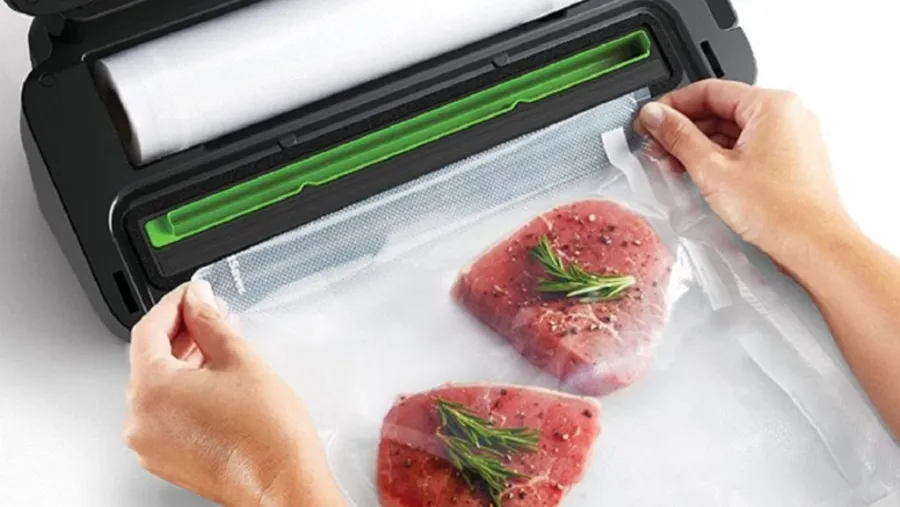
Some vacuum sealers use bags with a special embossed texture. This lets air escape more easily. If you use smooth bags in these machines, the vacuum may not work.
Credit: www.vevor.com
Sealing Strip And Heating Element: Why They Matter
The sealing strip and heating element do most of the work. If they’re not working, your sealer won’t seal.
Sealing Strip Material
Most strips use silicone or rubber.
Silicone lasts longer and resists heat.
Rubber strips may crack over time.
Heating Element Power
A strong heating element melts the bag quickly and evenly.
Weak elements create thin or incomplete seals.
Here’s a quick comparison:
| Sealing Strip Type | Durability | Heat Resistance | Replacement Cost |
|---|---|---|---|
| Silicone | High | Excellent | Medium |
| Rubber | Medium | Good | Low |
| Foam | Low | Poor | Low |
Non-obvious insight:
If you use your sealer often, the sealing strip may wear out faster than you expect. Check it every few months, not just when problems appear.
Moisture, Air Leaks, And Overfilling: Hidden Causes
Food moisture and air leaks are tricky. They seem small, but they cause many sealing failures.
Moisture From Food
Wet foods leak juices into the sealing area.
This prevents the bag from melting shut.
Tip:
Freeze wet foods first, or use a “moist” setting if your sealer has one.
Air Leaks From Bag Damage
Tiny holes or cuts in the bag let air in.
Check bags for damage before sealing.
Overfilling Bags
Too much food stops the machine from sealing evenly.
Leave space at the top—about 2 inches.
Here’s a data table showing the effect of overfilling:
| Bag Fill Level | Seal Success Rate | Common Issues |
|---|---|---|
| Less than 50% | 95% | None |
| 50–75% | 80% | Occasional leaks |
| Over 75% | 60% | Seal failure, air leaks |
Preventing Vacuum Sealer Problems
Once you fix your sealer, you want to keep it working well. Here are practical steps to prevent future sealing issues.
1. Clean The Sealing Area Regularly.
After each use, wipe the strip and heating element.
2. Use High-quality Bags.
Buy bags from trusted brands.
3. Check Bag Placement.
Lay bags flat and smooth.
4. Don’t Overfill.
Leave enough empty space for sealing.
5. Dry Moist Foods Before Sealing.
Pat dry or freeze first.
6. Inspect The Sealing Strip And Heating Element.
Check for wear every few months.
7. Follow Manufacturer Instructions.
Use recommended settings for each food type.
8. Store Your Sealer Carefully.
Keep it away from heat and moisture.
9. Replace Worn Parts Quickly.
Don’t wait until the machine stops working.
10. Keep Bags In A Cool, Dry Place.
This prevents damage and ensures a strong seal.
When To Repair Or Replace Your Vacuum Sealer
Sometimes, fixing isn’t enough. Knowing when to repair or replace is important for both safety and results.
Signs You Need Repairs
- The machine doesn’t turn on.
- The heating element stays cold.
- The seal is always weak, even with new bags.
- You hear odd noises or see error lights.
Signs You Need A New Sealer
- Repairs cost more than a new machine.
- Your sealer is more than 5–7 years old.
- Replacement parts are hard to find.
- Technology has improved—new models seal better and faster.
What To Look For In A Replacement
- Strong heating element.
- Durable sealing strip.
- Compatible with many bag types.
- Adjustable settings for dry/moist foods.
- Easy-to-clean design.

Credit: www.youtube.com
Real-life Examples And Data
Many users experience similar problems. Here are a few real stories and numbers.
Example 1:
Anna, a home cook, found her vacuum sealer not sealing after storing leftovers. She cleaned the strip and switched to thicker bags. The problem stopped.
Example 2:
Mark used cheap, thin bags for freezing meat. He had frequent leaks. After switching to brand-name bags and leaving extra space at the top, his seal success rate went up from 60% to 90%.
Statistic:
A survey from a food storage forum found that over 70% of vacuum sealer problems are caused by bag issues or sealing strip wear—not by the machine itself.
Example 3:
Lisa noticed her machine worked well for dry foods but not for moist ones. She learned to freeze moist foods and use the “moist” setting, reducing seal failures by half.
For more information on vacuum sealing technology, visit Wikipedia.
Frequently Asked Questions
Why Does My Vacuum Sealer Seal But Then The Bag Opens Later?
This usually happens because of air leaks or weak seals. Check for tiny holes in the bag, overfilling, or moisture in the sealing area. Try using thicker, high-quality bags and leaving more space at the top.
Can I Use Regular Plastic Bags With My Vacuum Sealer?
No. Regular plastic bags are not designed for vacuum sealing. They don’t seal tightly and let air leak in. Always use bags labeled “vacuum sealer bags” for best results.
How Often Should I Replace The Sealing Strip?
It depends on how often you use your machine. For frequent use, check every 2–3 months. Replace the strip if you see cracks, wear, or if seals become weak.
Why Does My Vacuum Sealer Work For Dry Foods But Not Moist Foods?
Moist foods leak liquid that stops the bag from sealing. Use the “moist” setting if your sealer has one. For very wet foods, freeze them first or put a paper towel inside the bag above the food.
Is It Worth Repairing An Old Vacuum Sealer?
If repairs are cheap and parts are easy to find, yes. But if your machine is old, or repairs cost more than buying a new one, consider upgrading. New sealers often work faster and more reliably.
Vacuum sealers are valuable tools in any kitchen. With the right bags, careful maintenance, and proper use, you can keep yours working for years. Remember, most sealing problems are easy to fix once you know what to look for. Whether you’re storing food for days or months, a strong seal keeps your food safe and fresh.
If you face ongoing problems, don’t hesitate to seek expert help or upgrade to a newer model. With these tips, you can solve vacuum sealer issues and enjoy stress-free food storage.