You know that sound. A gust of wind hits the house and your range hood starts rattling, flapping, or whistling like something’s broken. It’s annoying, and it makes you wonder if your kitchen vent is about to fall apart.
If you’ve ever asked yourself “why is range hood making noise when windy”, the answer is almost always the backdraft damper. That little flap inside your ductwork or at the exterior vent cap is the culprit. Per Home Ventilating Institute (HVI) testing standards, a properly sealed damper should stay quiet in winds up to 25 mph.
When it doesn’t, something is loose, stuck, or missing. Let’s walk through exactly what to check.
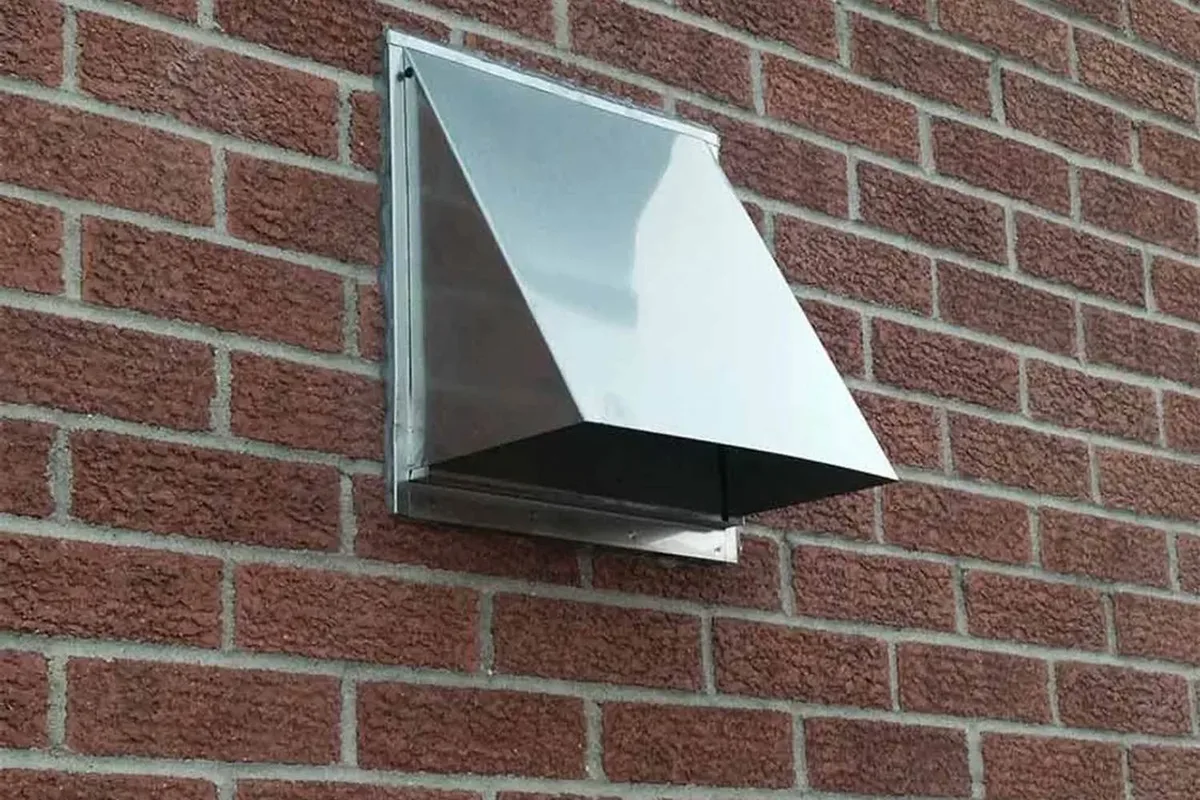
Image source: Bing (Web (fair-use with source credit))
Quick Answer
Wind pushes against your range hood’s exterior vent cap. That pressure rattles the backdraft damper flap. A loose, stuck, or missing damper makes the noise.
The fix is usually tightening, cleaning, or replacing that damper. Most fixes take under an hour.
How Wind Actually Gets Into Your Kitchen Hood
Your range hood works by sucking air from your kitchen and pushing it outside through ductwork. That duct ends at a vent cap on your roof, an exterior wall, or your soffit. That cap has a backdraft damper, a flap that opens when your hood runs and closes when it stops.
Here’s what happens on a windy day.
The wind pushes against that exterior cap. If the damper flap doesn’t seal tightly, air forces its way through the gap. That creates pressure inside your ductwork.
That pressure vibrates the damper blade and makes noise. The stronger the gust, the louder the rattle.
Think of it like a loose window in a storm. The frame is fine, but the seal isn’t holding. The wind finds the gap and makes itself known.
The noise itself tells you something about what’s wrong. A flapping sound usually means the damper blade is loose on its hinge. A whistling sound means air is squeezing through a small gap.
A banging sound means the damper is slamming open and shut as gusts hit.
Most exterior vent caps rely on gravity to close the damper. No spring. No latch.
Just the weight of the blade. That works fine in calm weather. But a strong gust can lift that blade and let air in.
If the blade doesn’t seat perfectly flat, you get noise.
Some hoods also have a second damper inside the duct, right where the duct connects to the hood. That one can rattle too. But the exterior damper is almost always the first thing to check.
Step 1: Is It Wind or Something Else?
Before you climb up on a ladder, rule out the obvious. Not every weird noise from your range hood is wind-related.
Turn your hood on at each speed setting. Listen carefully. If the noise only happens when the hood is off and the wind is blowing, you’ve confirmed the wind is the cause.
If the noise happens when the hood is running too, you may have a loose fan blade or a motor bearing issue instead.
Check the weather. If the noise only happens during storms or high-wind days, that’s another strong sign. Wind noise from a range hood rarely happens on calm days.
Also check whether the noise changes with wind direction. A north wind might trigger it while a south wind doesn’t. That tells you the issue is at the vent cap orientation relative to prevailing winds.
Once you’ve confirmed wind is the trigger, move to the next step.
Step 2: Find Your Vent Termination — Wall, Roof, or Soffit
You need to know where your ductwork ends. The location determines what you’re dealing with and how hard the fix will be.
Go outside and look at your house. Find the vent cap. It’s usually a rectangular or round grille with horizontal or vertical louvers.
It might be on an exterior wall near your kitchen, on the roof directly above the kitchen, or under the eaves in the soffit.
Wall vents are the easiest to inspect and fix. You can usually reach them with a step ladder. Roof vents require getting on the roof, which is riskier and often worth hiring out.
Soffit vents are between those two in difficulty.
Your ductwork path also matters for noise. Longer ducts with multiple bends trap more air pressure. That amplifies the noise when wind hits the cap.
Short, straight ducts tend to be quieter.
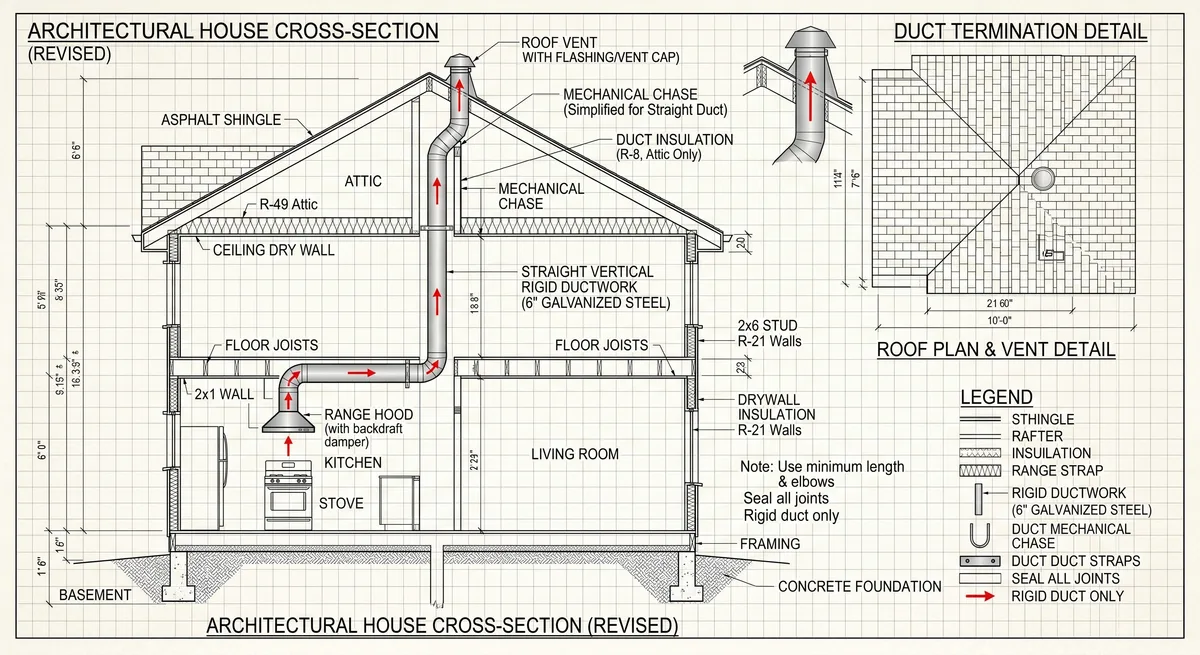
Image source: Web (Bing) / branohome.com (Web image (fair-use with source credit))
This diagram shows common duct routes. Wall vents tend to be shorter with fewer bends. Roof vents often have longer runs.
Knowing your path helps you understand why the noise might be louder than expected.
If you have a ductless or recirculating hood, stop here. Those hoods don’t vent outside. They filter air and recirculate it back into the kitchen.
Wind can’t cause noise because there’s no exterior opening. Your noise is from something else entirely.
Step 3: Check the Backdraft Damper
This is the part that fixes 9 out of 10 windy noise problems. The backdraft damper is a metal or plastic flap inside your duct or at the vent cap. It’s designed to let air out but not in.
There are two places to check.
First, look at the exterior vent cap. Pop off the grille or cover. You’ll see the damper blade behind it.
It should sit flat against the opening when closed. Gently push it with your finger. It should open easily and fall back closed under its own weight.
Second, if your hood has an internal damper, open the hood and look up inside the duct collar. Some hoods have a spring-loaded damper right there. Push it with a finger.
It should spring back closed.
Here’s what you’re looking for:
- Does the blade sit perfectly flat? Any gap is a path for wind noise.
- Is the hinge loose? A wobbly damper rattles in the wind.
- Is there debris blocking it? Leaves, dust, or even a bird nest can hold the damper open.
- Is the damper missing entirely? Some DIY installs or old hoods never had one installed.
A simple cleaning often fixes it. Wipe the blade and the sealing surface. Make sure nothing is stuck in the hinge.
If the blade is warped or corroded, it needs replacing.
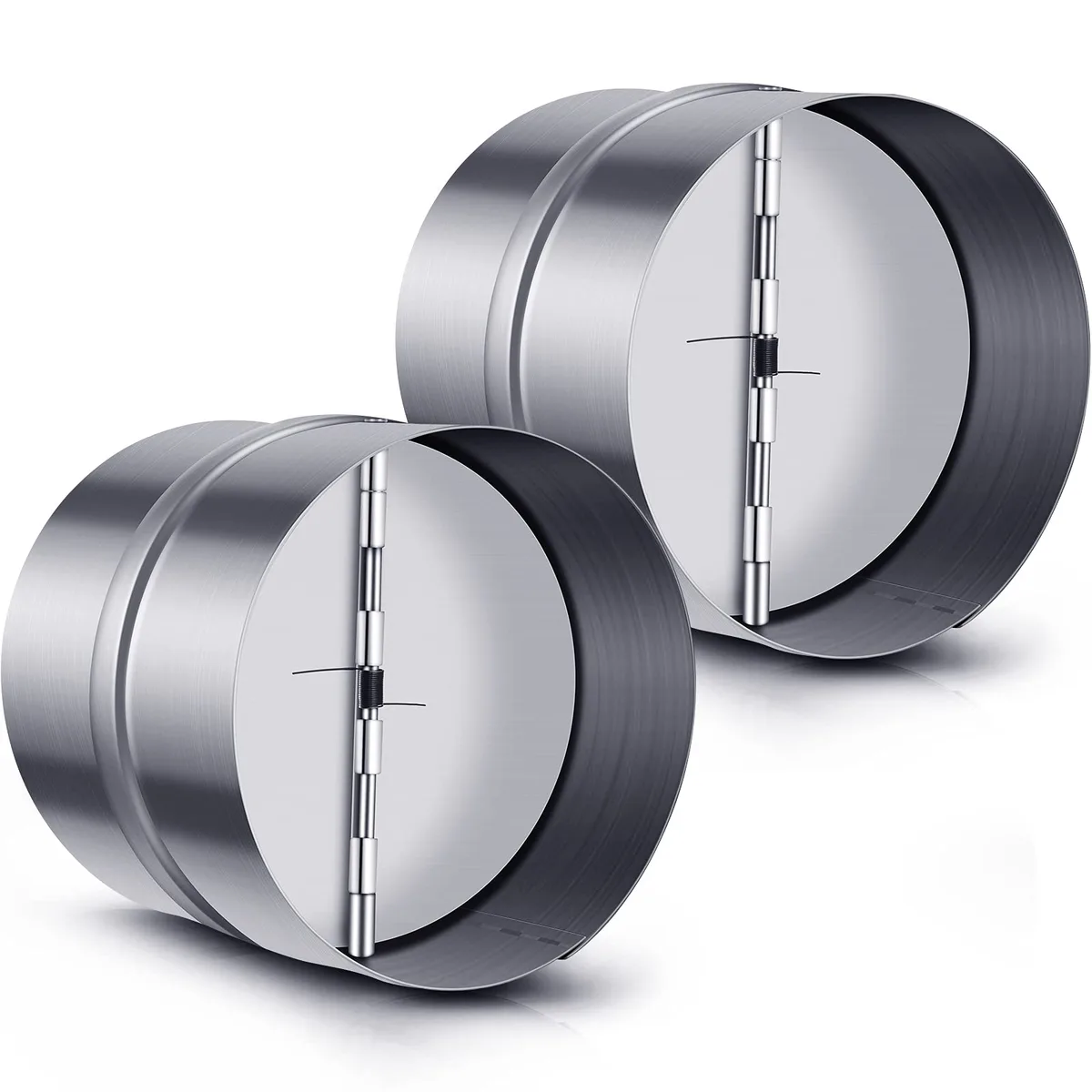
Image source: Web (Bing) / storage.googleapis.com (Web image (fair-use with source credit))
That metal flap is exactly what you’re looking for. If it’s loose, bent, or missing, that’s your noise source.
Step 4: Look for a Stuck, Broken, or Missing Damper
So you found the damper. Now figure out what’s wrong with it.
Stuck open. This is common. Grease, dust, or cooking residue builds up on the hinge and keeps the blade from closing fully. A damper stuck even 1/4 inch open lets wind whistle through.
Clean the hinge with degreaser and verify it swings freely.
Stuck closed. Less common but possible. If the damper is jammed shut, your hood can’t vent properly when running. That’s a fire risk with gas ranges.
Fix this immediately. Usually it’s debris or a bent hinge pin.
Broken hinge. The pin that holds the blade can rust or snap. The blade then hangs crooked or falls off entirely. You’ll hear a loud rattle or clatter in high winds.
Replace the damper assembly. They cost around $15 to $40.
Missing damper. Some installers skip the damper to save money. Some older hoods didn’t come with one. If there’s no flap at all, wind blows straight into your duct.
That’s the loudest scenario. You need to install a damper, either at the vent cap or inside the duct near the hood.
Warped blade. Plastic dampers can warp in direct sunlight or extreme heat. Metal dampers can get bent during installation. A warped blade won’t seal against the opening.
You’ll hear wind noise through the gap. Replace it with a metal damper if possible. Metal holds its shape better over time.
Spring-loaded damper failure. Some dampers use a spring to close instead of gravity. If the spring breaks or loses tension, the blade flops around in the wind. Replace the spring or the whole assembly.