Skip to content
Cross contamination is a hidden danger in every kitchen. It happens when harmful bacteria or allergens move from one food or surface to another, often by accident. Even a tiny mistake can turn a safe meal into a health risk.
Many people think they understand food safety, but cross contamination is more complex than it seems. It’s not just about raw meat touching cooked food—it can involve hands, utensils, cutting boards, and even cloths. Knowing how cross contamination works and how to stop it is essential for anyone who prepares food, whether at home or in a professional kitchen.
Understanding Cross Contamination
Cross contamination means the transfer of harmful microorganisms like bacteria, viruses, or allergens from one place to another during food preparation. This usually happens when raw foods, especially meat, poultry, or seafood, touch ready-to-eat foods. But it can also occur through tools, surfaces, and even improper storage.
For example, if you chop raw chicken on a cutting board and then use the same board for slicing vegetables without cleaning it first, bacteria from the chicken can move to the vegetables. These bacteria, such as Salmonella or E. coli, can cause severe foodborne illness.
Cross contamination isn’t always visible. You won’t see bacteria move, but the effects can be serious. According to the Centers for Disease Control and Prevention (CDC), foodborne illnesses affect about 48 million people in the US every year, leading to over 128,000 hospitalizations.
Many of these cases are linked to cross contamination.
Types Of Cross Contamination
Cross contamination can happen in several ways:
1. Direct Cross Contamination
This is the most obvious type. It happens when two foods touch each other, like raw meat touching cooked meat, or raw fish touching salad leaves.
2. Indirect Cross Contamination
This is harder to spot. It happens when a surface, utensil, hand, or cloth carries bacteria from one food to another. For example, using a knife to cut raw meat, then using it for cheese without washing it first.
3. Allergen Cross Contamination
Allergens such as nuts, dairy, or gluten can transfer from one food to another. For people with allergies, even a trace amount can cause a reaction. This is why many food labels warn about possible cross contamination.

Credit: www.healthline.com
Common Sources Of Cross Contamination
Cross contamination can occur anywhere food is handled. Some common sources include:
- Hands: Touching raw foods and then handling ready-to-eat foods without washing hands.
- Kitchen tools: Using the same knife, spoon, or tongs for raw and cooked foods.
- Cutting boards: Not cleaning boards between uses, especially between raw and cooked foods.
- Cloths and sponges: Using dirty cloths to wipe surfaces can spread bacteria.
- Surfaces: Worktops, sinks, and even fridge shelves can harbor bacteria if not cleaned properly.
- Food containers: Storing raw and cooked foods together, or using containers that haven’t been washed.
Real-world Examples Of Cross Contamination
To understand how easily cross contamination occurs, consider these situations:
- A chef chops raw chicken, then cuts herbs for a salad with the same knife.
- A home cook uses a plate for raw burgers, then puts cooked burgers back on the same plate.
- Someone wipes a spill with a cloth used on raw meat, then cleans a countertop.
- Salad ingredients are stored next to raw fish in the fridge, and juices leak onto the greens.
Each example shows a simple mistake that can lead to harmful bacteria spreading. In restaurants, cross contamination has caused outbreaks of illnesses like norovirus and Listeria. In homes, people often underestimate the risk, especially with small children, elderly, or those with weakened immune systems.
Foods Most At Risk
Certain foods are more likely to cause cross contamination because they often carry bacteria:
| Food Type | Common Bacteria | Risk Level |
|---|---|---|
| Raw poultry | Salmonella, Campylobacter | High |
| Raw meat | E. coli, Salmonella | High |
| Seafood | Vibrio, Listeria | Medium |
| Dairy | Listeria | Medium |
| Fresh produce | E. coli, Salmonella | Medium |
Raw meats and poultry carry the highest risk. Even a small amount of juice from raw chicken can carry enough bacteria to cause illness. Fresh produce can also be risky, especially if it is eaten raw and not washed properly.
How Cross Contamination Happens: Step-by-step
Let’s look at how cross contamination can occur during a typical meal preparation:
- Buying groceries: Raw meat and vegetables are packed together in a shopping bag. Juices from meat drip onto vegetables.
- Storing food: Raw meat is stored above ready-to-eat foods in the fridge. Juices leak onto lower shelves.
- Preparation: Cutting boards and knives are used for raw meat, then for bread or salad without cleaning.
- Cooking: Hands touch raw meat, then cooked food without washing.
- Serving: Cooked food is placed on the same plate used for raw meat.
Every step offers a chance for bacteria or allergens to spread. Many people don’t realize that cross contamination can start before cooking even begins.
Comparing Cross Contamination Methods
Different methods of cross contamination have varying risks. Here’s a comparison:
| Method | Frequency | Risk Level | Prevention Difficulty |
|---|---|---|---|
| Direct food-to-food | Common | High | Easy |
| Utensils/tools | Very common | High | Moderate |
| Hands | Extremely common | High | Hard |
| Surfaces | Common | Medium | Easy |
| Cloths/sponges | Less common | Medium | Moderate |
Hands and utensils are the biggest risks because people often forget to clean them between uses. Direct food-to-food contact is easier to spot and prevent.
Health Risks Of Cross Contamination
Cross contamination is not just a technical problem—it’s a health threat. It can lead to food poisoning, which causes symptoms like nausea, vomiting, diarrhea, and fever. For some people, these symptoms can be severe or even life-threatening.
The most common bacteria involved are:
- Salmonella: Often found in raw poultry and eggs. Can cause severe diarrhea and fever.
- E. coli: Found in raw beef and vegetables. Causes stomach cramps and bloody diarrhea.
- Campylobacter: Found in poultry. Causes fever, diarrhea, and abdominal pain.
- Listeria: Found in dairy and ready-to-eat foods. Dangerous for pregnant women and older adults.
- Norovirus: Spreads easily on surfaces and through food.
According to the CDC, children under 5, adults over 65, and people with weakened immune systems are most at risk. In the US, food poisoning leads to about 3,000 deaths each year.
Preventing Cross Contamination
Stopping cross contamination is possible with some simple but effective steps. Many beginners miss these because they seem basic, but they are powerful.
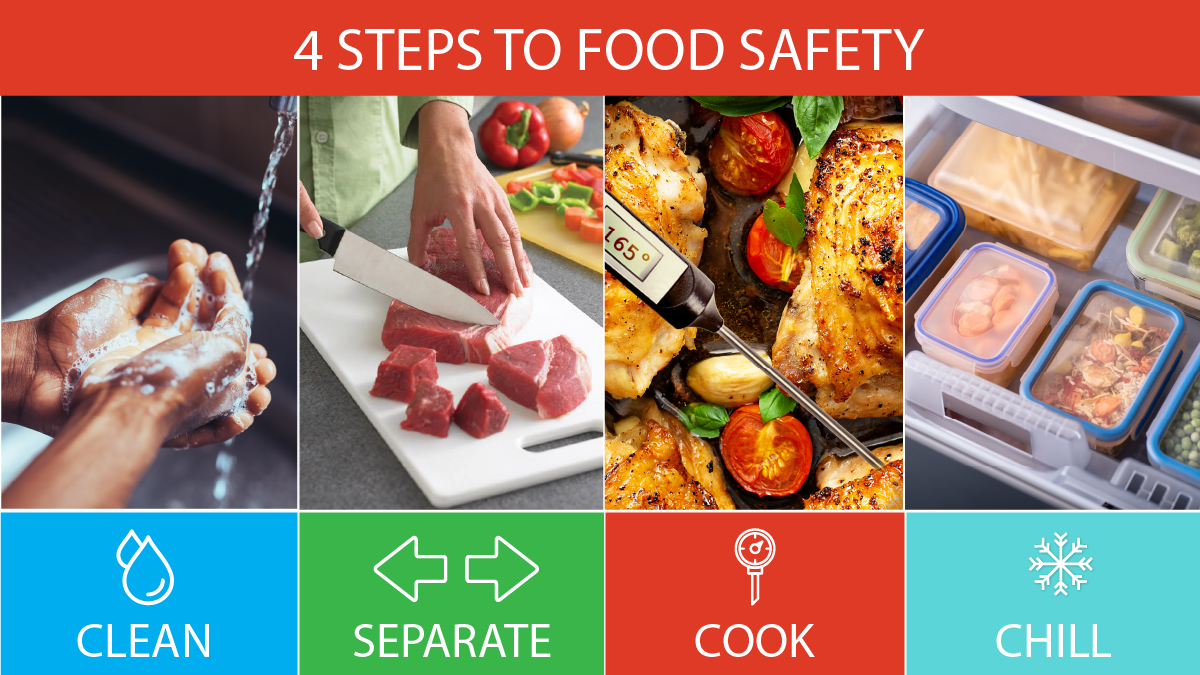
1. Separate Raw And Cooked Foods
Always keep raw foods away from cooked foods. Use different containers, plates, and utensils for each. In the fridge, store raw meat below ready-to-eat foods.
2. Wash Hands Often
Wash hands with soap and warm water for at least 20 seconds before and after handling food, especially raw meat or eggs. Dry hands with a clean towel.
3. Clean And Sanitize Surfaces
Clean cutting boards, knives, and countertops after each use. Use hot, soapy water, then sanitize with a bleach solution if needed.
4. Use Separate Tools
Use different knives, cutting boards, and utensils for raw and cooked foods. If you only have one, wash it well after each use.
5. Cook Foods To Safe Temperatures
Cooking kills bacteria. Use a food thermometer to check if meat has reached the safe temperature. For example, chicken should be cooked to 165°F (74°C).
6. Store Food Correctly
Keep raw meats in sealed containers on the bottom shelf of the fridge. Don’t let juices drip onto other foods. Check fridge temperature: it should be at or below 40°F (4°C).
7. Avoid Reusing Cloths And Sponges
Cloths and sponges can hold bacteria. Wash them often or use disposable paper towels for cleaning surfaces after handling raw food.
8. Be Careful With Allergens
For people with allergies, use separate tools and surfaces for allergen-containing foods. Clean everything well to avoid traces.
Practical Tips You Might Not Know
Most people learn basic safety rules, but some helpful insights are often overlooked:
- Use color-coded cutting boards: Red for raw meat, green for vegetables, yellow for poultry. This simple system reduces mistakes.
- Don’t wash raw chicken: Washing can splash bacteria around the kitchen. Cooking is enough to kill bacteria.
- Replace old sponges regularly: Sponges can hold bacteria even after rinsing. Change them every few days.
- Check food labels for allergen warnings: Many packaged foods list possible cross contamination risks.
- Don’t rely on smell or look: Food contaminated with bacteria may look and smell normal.
Cross Contamination In Restaurants Vs Home Kitchens
Many people believe restaurants are safer, but both places face risks. Here’s a comparison:
| Environment | Common Practices | Risks | Controls |
|---|---|---|---|
| Home kitchen | Single cutting board, casual cleaning, shared utensils | High for beginners, moderate for experienced cooks | Personal habits |
| Restaurant | Multiple tools, frequent hand washing, staff training | High during busy periods, moderate with good staff | Formal procedures, inspections |
Restaurants often have stricter rules, but mistakes can happen during rush hours. Home kitchens can be safe, but only if cooks follow good practices.
Regulations And Guidelines
Governments and health organizations set guidelines to prevent cross contamination. For example, the US Food and Drug Administration (FDA) advises:
- Keep raw and cooked foods separate at all times
- Wash hands, utensils, and surfaces after handling raw foods
- Use a food thermometer to check cooking temperatures
- Store foods at proper temperatures
- Avoid washing raw poultry
The FDA also inspects restaurants and food producers to ensure they follow these rules. Many countries have similar guidelines, and they are updated as new risks are found.
If you want to read official safety tips, visit the FDA Food Safety page.

Credit: www.sciencedirect.com
Why Cross Contamination Is Often Missed
Even experienced cooks can overlook cross contamination. Here are some reasons:
- Rushed preparation: When people hurry, they forget to wash hands or tools.
- Lack of knowledge: Many don’t know bacteria can spread from surfaces and tools.
- False confidence: People think they are safe because they’ve never gotten sick.
- Invisible threat: You can’t see, smell, or taste most bacteria.
- Mixed foods: Some recipes mix raw and cooked ingredients, increasing risk.
These overlooked factors make cross contamination a silent danger.
Frequently Asked Questions
What Is The Main Cause Of Cross Contamination In Food Preparation?
The main cause is improper handling of raw foods, especially meat, poultry, and seafood. Using the same tools, surfaces, or hands for raw and cooked foods without cleaning spreads bacteria and allergens.
How Can I Prevent Cross Contamination At Home?
Keep raw and cooked foods apart, wash hands often, clean surfaces and tools after each use, and cook food to safe temperatures. Store raw meat in sealed containers and use color-coded cutting boards if possible.
Is Cross Contamination Only A Problem With Meat?
No, cross contamination can happen with any food, especially fresh produce, dairy, seafood, and foods with allergens. Even ready-to-eat foods can become contaminated if handled improperly.
Can Cross Contamination Cause Serious Illness?
Yes, it can lead to food poisoning with symptoms like vomiting, diarrhea, fever, and dehydration. For children, elderly, and people with weak immune systems, it can be life-threatening.
What Should I Do If I Think Food Has Been Cross Contaminated?
Do not eat the food. Clean all surfaces and tools. If you’ve eaten contaminated food and feel sick, seek medical help, especially if symptoms are severe or last more than a day.
Cross contamination is easy to overlook but dangerous. Simple steps—like washing hands, keeping raw and cooked foods separate, and cleaning tools—can prevent most risks. With a little extra care, you can make your kitchen safer for everyone. Remember, food safety starts with you.
Credit: www.cdc.gov