Skip to content
After cleaning your floors, the last thing you want is a dirty mop spreading germs the next time you use it. Many people forget that mops themselves can carry bacteria, mold, and unpleasant smells if not disinfected properly. In fact, studies show that mops can harbor up to 100,000 bacteria per square inch when not cleaned and dried correctly. If you want a truly clean home, learning how to disinfect a mop after use is essential.
Let’s explore the best ways to keep your mop—and your floors—sanitary and safe.
Why Disinfecting Your Mop Matters
A mop is designed to remove dirt, but without proper care, it can actually make things worse. When you clean with a dirty mop, you risk spreading germs, causing stains, and even triggering allergies. For example, E. coli and Staphylococcus bacteria can survive on mop heads for days. Regular disinfecting not only keeps your mop fresh but also protects your family’s health.
Choosing The Right Mop For Easy Disinfecting
Not all mops are created equal. Some mop types are easier to disinfect than others. Consider the following common mop types:
| Mop Type | Cleaning Difficulty | Best Disinfecting Method |
|---|---|---|
| String Mop | High | Soaking & Machine Wash |
| Sponge Mop | Medium | Bleach Solution |
| Microfiber Mop | Low | Hot Water & Vinegar |
| Flat Mop | Low | Machine Wash |
Microfiber mops are a favorite because they’re easy to clean, dry quickly, and trap dirt more effectively. If you’re buying a new mop, look for one with a removable head that can go in the washing machine.
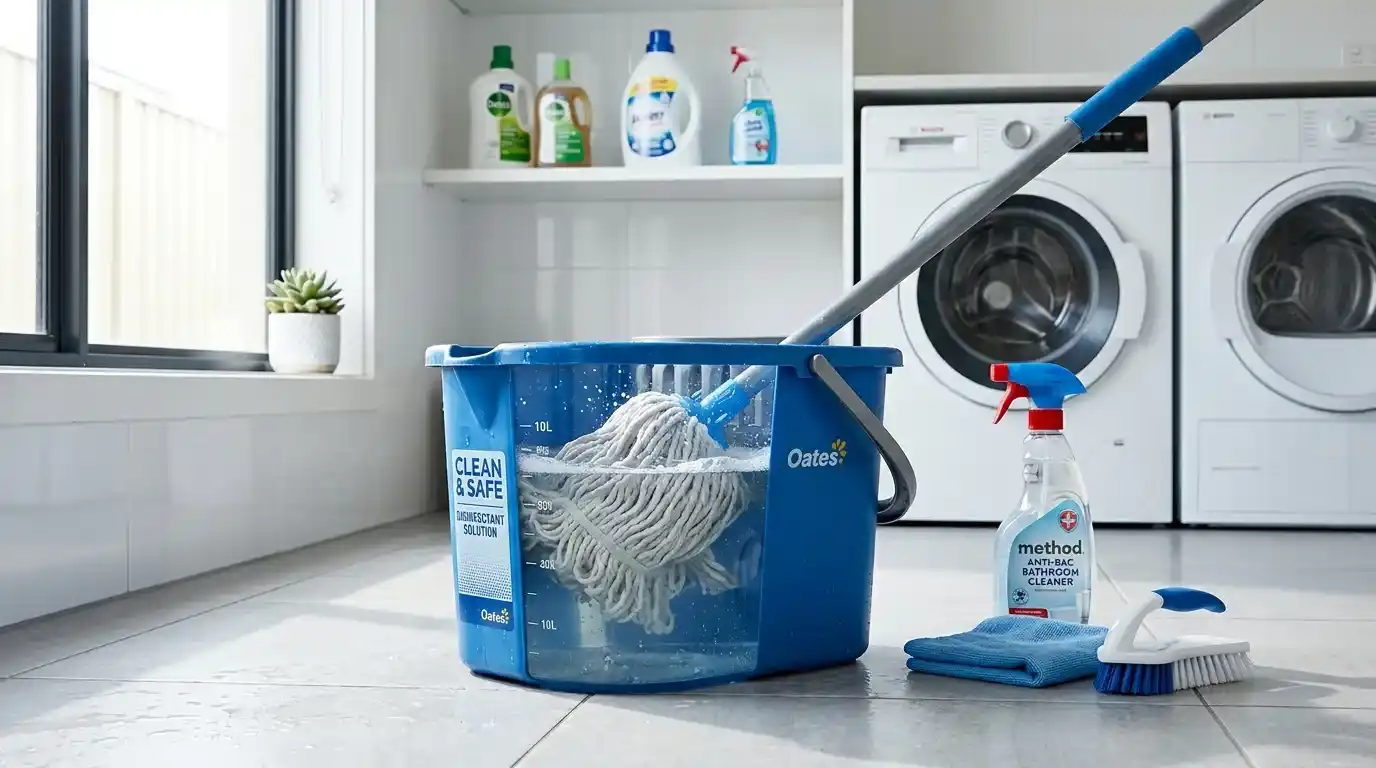
Step-by-step Guide: How To Disinfect A Mop After Use
Disinfecting your mop doesn’t have to be complicated. Follow these steps for a thorough clean:
1. Rinse Away Debris
Right after mopping, rinse the mop head under hot running water. This removes loose dirt and reduces the amount of grime before disinfecting. Don’t skip this step—leftover dirt makes disinfecting less effective.
2. Soak In Disinfectant Solution
There are several ways to disinfect a mop. Choose based on your mop type and what you have at home:
- Bleach Solution: Mix 1 cup of bleach with 1 gallon of water. Soak the mop head for 10–15 minutes.
- Vinegar Solution: Mix 1 cup of white vinegar with 1 gallon of hot water. Soak for 30 minutes.
- Hydrogen Peroxide: Use a 3% solution. Soak for 15 minutes.
Never mix bleach with vinegar or other chemicals; this can create dangerous fumes.
3. Scrub If Needed
For string and sponge mops, scrub the mop head gently with a brush to remove stuck-on debris. Microfiber mops usually don’t need scrubbing.
4. Rinse Thoroughly
After soaking, rinse the mop head again under hot water until all disinfectant is gone. This prevents chemical residue from damaging your floors next time.
5. Machine Wash (optional)
Many mop heads (especially microfiber and flat types) can be washed in a washing machine. Use hot water and a gentle detergent, but avoid fabric softener—it reduces absorbency.
| Mop Head Material | Machine Washable | Drying Method |
|---|---|---|
| Microfiber | Yes | Air Dry/Sun |
| Cotton/String | Yes | Air Dry |
| Sponge | No | Air Dry |
6. Dry Completely
Drying is crucial. A damp mop head is a breeding ground for mold and bacteria. Hang the mop in a well-ventilated area or place it outside in the sun. Sunlight is a natural disinfectant and kills most germs.
Common Mistakes When Disinfecting A Mop
Even experienced cleaners sometimes miss these points:
- Not rinsing before disinfecting: Dirt and debris reduce the effectiveness of disinfectants.
- Using cold water: Hot water helps kill germs faster and dissolve cleaning solutions better.
- Skipping drying: A wet mop head invites bacteria and bad smells.
- Mixing chemicals: Never mix bleach with vinegar or ammonia.
- Ignoring the mop handle: Bacteria can also collect on handles; wipe them down with disinfectant.
Many people think a quick rinse is enough, but this leaves behind millions of germs. Another mistake is forgetting to disinfect mop buckets, which can also spread bacteria.

Credit: www.wikihow.com
Practical Tips For Better Mop Hygiene
- Disinfect weekly: If you mop daily, disinfect the mop head at least once a week.
- Replace mop heads: Change your mop head every 2–3 months, or sooner if it smells or looks worn.
- Store properly: Keep the mop dry and upright in a ventilated area.
- Clean buckets: After disinfecting the mop, wash and dry the bucket.
An overlooked tip: Use a separate mop for bathrooms and kitchens. Cross-contamination is common, so color-code your mops for different rooms.
Homemade And Commercial Disinfectants: Which Is Best?
You can use homemade solutions or commercial products. Each has pros and cons.
| Disinfectant Type | Pros | Cons |
|---|---|---|
| Bleach | Highly effective, affordable | Strong smell, corrosive |
| Vinegar | Natural, mild odor | Less powerful, longer soak time |
| Hydrogen Peroxide | Safe, effective | Needs proper dilution |
| Commercial Cleaners | Convenient, fast | Costly, may leave residues |
Most experts recommend bleach for deep disinfecting, but for people sensitive to chemicals, vinegar or hydrogen peroxide are good alternatives. For regular cleaning, a commercial disinfectant can save time, but always check if it’s safe for your mop material.
How Often Should You Disinfect Your Mop?
Frequency depends on how often you clean and which rooms you mop. As a rule:
- Daily mopping: Disinfect every week.
- Bathroom/kitchen use: Disinfect after every use.
- Light cleaning: Disinfect every 2–3 weeks.
If someone in your home is sick, disinfect the mop after every use to prevent the spread of illness. According to the Centers for Disease Control and Prevention, regular cleaning and disinfecting of household tools can reduce infection rates by up to 40%.
Signs Your Mop Needs Disinfecting Or Replacing
Watch for these warning signs:
- Bad odor: Smelly mop heads almost always mean bacteria or mold.
- Stains or discoloration: If stains don’t wash out, it’s time to disinfect.
- Slimy texture: This is often a sign of bacterial growth.
- Loose threads or pieces: A worn mop won’t clean well and may shed fibers.
If you notice any of these, disinfect your mop immediately. If problems persist, replace the mop head.
Credit: alsco.com
The Right Way To Disinfect Mop Handles And Buckets
Handles and buckets are often forgotten, but they matter. Wipe down handles with a cloth dipped in disinfectant. For buckets, wash with hot soapy water, rinse, and then spray or soak with a disinfectant. Dry both completely before storing.
Eco-friendly Ways To Disinfect A Mop
Many people want a cleaner home without harsh chemicals. Here are eco-friendly options:
- Vinegar and baking soda: Soak the mop head in vinegar, then sprinkle baking soda for extra cleaning.
- Lemon juice: Add to vinegar solution for a fresh scent and extra antibacterial power.
- Sun drying: The sun’s UV rays kill germs naturally.
Eco-friendly methods may take longer but are safer for people and pets.
Real-world Example: Restaurant Mop Hygiene
Restaurants must follow strict hygiene rules. In many US states, health inspectors check mop stations to prevent cross-contamination. Most restaurants disinfect mops with bleach after every use and dry them outside or in special drying rooms. This practice reduces the risk of foodborne illnesses and keeps floors safer for staff and customers.
Frequently Asked Questions
How Long Should I Soak My Mop Head In Disinfectant?
Soak for at least 10–15 minutes in bleach solution or 30 minutes with vinegar. This ensures most germs are killed.
Can I Use Hot Water Alone To Disinfect My Mop?
Hot water helps remove dirt but does not kill all bacteria. Always use a disinfectant for best results.
Is It Safe To Machine Wash All Mop Heads?
No, some mop heads (like sponge types) can break down in the washing machine. Check the label before washing.
What Is The Best Way To Dry A Mop Head?
Hang the mop in a well-ventilated area or outside in the sun. Never store a damp mop in a closet.
Should I Disinfect The Mop Handle And Bucket Too?
Yes, bacteria collect on handles and in buckets. Wash and disinfect both regularly for full hygiene.
Keeping your mop clean is just as important as cleaning your floors. By following these steps, you’ll prevent germs from spreading, keep your home smelling fresh, and extend the life of your cleaning tools. For more detailed guidelines on household cleaning, visit the CDC’s official cleaning advice. Remember, a little extra effort after mopping goes a long way toward a healthier home.