Skip to content
The idea of cooking vegetables with sous vide is growing fast. Many home cooks and chefs are asking: Can you sous vide vegetables? The answer is yes, and it’s more than just possible—it’s often the best way to get perfect texture and flavor. Sous vide uses precise water temperature to cook food evenly. But vegetables are different from meats, and you need to know the details to get the best results.
If you’re new to sous vide or just curious, this article will help you understand everything about sous vide vegetables. You’ll find practical tips, real-life examples, and clear comparisons to other cooking methods. By the end, you’ll know how to cook vegetables with sous vide, what tools you need, and why it matters.
Let’s dive in.
What Is Sous Vide Cooking?
Sous vide is a French word meaning “under vacuum. ” It’s a technique where food is sealed in a bag and cooked in a water bath at a precise temperature. Unlike boiling or steaming, sous vide keeps the temperature steady, so food cooks slowly and evenly.
For vegetables, this means you can control how soft or crunchy they get.
Here’s how sous vide works for vegetables:
- Place vegetables in a vacuum-sealed bag.
- Set the water bath to a specific temperature.
- Let the vegetables cook for a set time.
It sounds simple, but the science behind it is powerful. The steady temperature stops overcooking and keeps nutrients and flavors locked in.
Why Use Sous Vide For Vegetables?
Cooking vegetables with sous vide offers big advantages:
- Even cooking: No more mushy edges or undercooked centers.
- Better flavor: Sealing keeps aromas and tastes inside the bag.
- Nutrient retention: Gentle heat means fewer vitamins lost compared to boiling.
- Perfect texture: You can make vegetables firm, tender, or anywhere in between.
Many restaurants use sous vide for vegetables to get consistent results. Home cooks are now discovering the same benefits with affordable sous vide machines.

Credit: www.amazingfoodmadeeasy.com
Common Vegetables Cooked With Sous Vide
Some vegetables work especially well with sous vide. Here are the most popular ones:
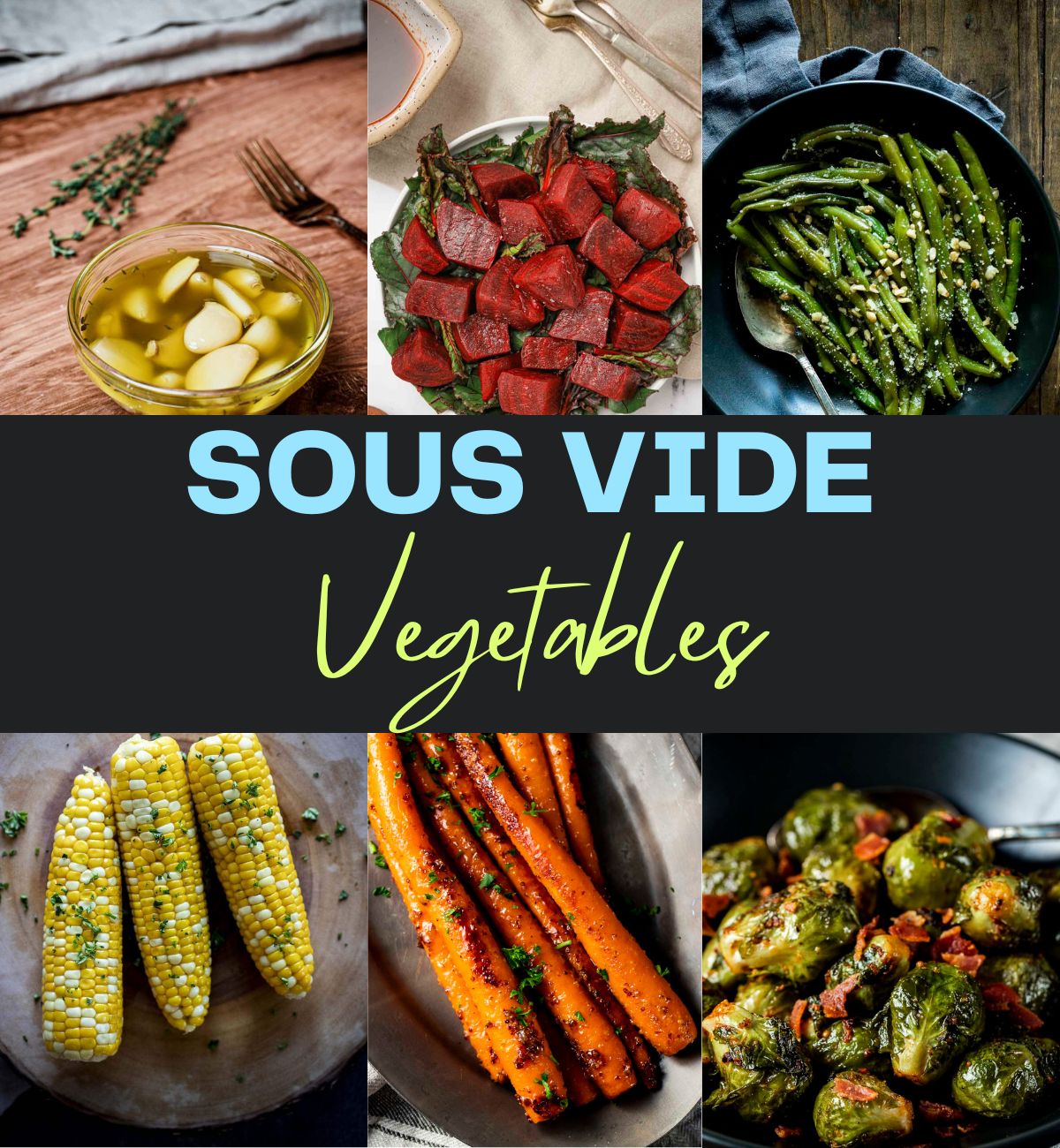
- Carrots: Sweet, tender, and never dry. Sous vide carrots often taste more intense.
- Asparagus: Keeps its bright color and crisp texture.
- Potatoes: Creamy inside, perfect for mashed potatoes or salads.
- Broccoli: Stays green and firm, not mushy.
- Corn: Juicy, with more flavor than boiling.
- Beets: Maintains color and earthy taste.
- Zucchini: Doesn’t get soggy, keeps shape.
Some vegetables, like leafy greens, are less suited for sous vide because they don’t hold up well to long cooking.
Temperature And Time Guide For Sous Vide Vegetables
Vegetables need higher temperatures than meats. This is because their cell walls are tougher, and need heat to break down. Using the right temperature and time is key.
Here’s a comparison of common vegetables:
| Vegetable | Temperature (°F) | Cooking Time | Result |
|---|---|---|---|
| Carrots | 183 | 1 hour | Tender, sweet |
| Asparagus | 180 | 15-30 min | Crisp, bright |
| Potatoes | 185 | 1-1.5 hours | Creamy |
| Broccoli | 185 | 20-30 min | Firm, green |
| Corn | 182 | 30-60 min | Juicy |
| Beets | 185 | 1.5-2 hours | Soft, earthy |
You can adjust the time and temperature to get your preferred texture. Longer times can make vegetables softer, but too long may make them mushy.
How To Sous Vide Vegetables: Step-by-step
Cooking vegetables sous vide is easy once you have the right tools.
- Prepare the vegetables: Wash, peel, and cut them as needed.
- Season and bag: Add salt, spices, or herbs. Place vegetables in a vacuum-sealed or zip-top bag.
- Seal the bag: Use a vacuum sealer or water displacement method.
- Heat the water bath: Set your sous vide device to the correct temperature.
- Cook: Place the sealed bag in the water bath. Make sure water covers the bag.
- Finish and serve: After cooking, remove vegetables from the bag. You can serve them straight or finish with a quick sauté or grill for extra flavor.
For best results, don’t overcrowd the bag. Give vegetables space so heat circulates evenly.
Comparing Sous Vide To Other Cooking Methods
How does sous vide stack up against steaming, roasting, or boiling? Let’s look at key differences.
| Method | Texture | Flavor | Nutrient Loss | Consistency |
|---|---|---|---|---|
| Sous Vide | Precise, adjustable | Intense, fresh | Low | Very high |
| Steaming | Good, but can be uneven | Light, clean | Medium | Medium |
| Boiling | Often too soft | High | Low | |
| Roasting | Crispy outside, soft inside | Rich, caramelized | Medium | Medium |
Sous vide gives you more control. You can make vegetables exactly how you like—whether crisp or tender—without guessing.
Tips For Better Sous Vide Vegetables
Success with sous vide vegetables comes from small details. Here are some tips:
- Cut evenly: Uniform sizes cook at the same rate.
- Vacuum seal properly: Air pockets can cause uneven cooking.
- Don’t skip seasoning: Salt and herbs add flavor during cooking.
- Use good bags: Cheap bags can leak or melt.
- Try oil or butter: Adding fat helps carry flavor and prevents sticking.
- Shock in ice water: For veggies like asparagus, a quick ice bath after cooking keeps color and stops overcooking.
- Finish with heat: Sauté, grill, or broil for extra taste and texture.
A common mistake is overcooking. Beginners often leave vegetables too long in the water bath, thinking it won’t hurt. But after a point, texture suffers.
Are All Vegetables Good For Sous Vide?
Most root vegetables and sturdy types work well. But not all vegetables are ideal.
Vegetables that don’t work well:
- Leafy greens: Spinach, lettuce, and kale can get mushy and lose color.
- Delicate herbs: Basil and cilantro break down quickly.
For these, steaming or quick sauté is better. But for carrots, beets, potatoes, and similar types, sous vide is often superior.
Safety And Equipment For Sous Vide Vegetables
Sous vide is safe, but you need to follow basic hygiene:
- Wash vegetables well: Dirt and bacteria can hide in crevices.
- Use safe bags: Only use bags labeled for sous vide or food-safe. Avoid old or damaged bags.
- Keep water clean: Change water between cooking batches.
For equipment, you need:
- Sous vide machine: Immersion circulator or water oven.
- Vacuum sealer: Optional, but helps for best results.
- Sous vide bags: Special heat-safe bags or high-quality zip-top bags.
The cost for home sous vide machines has dropped. You can find reliable devices for under $100, making sous vide vegetables accessible to most people.
Real-life Example: Sous Vide Carrots
Let’s walk through sous vide carrots—one of the most popular choices.
- Ingredients: 1 pound carrots, 1 tablespoon butter, ½ teaspoon salt, 1 sprig thyme.
- Preparation: Peel and slice carrots. Place in a bag with butter, salt, and thyme.
- Cooking: Seal the bag. Heat water to 183°F. Cook for 1 hour.
- Finishing: Remove from the bag. Sauté for 2 minutes for extra flavor.
Result: The carrots are tender, sweet, and full of aroma. The butter and thyme infuse the carrots, making them taste restaurant-quality.
A beginner mistake is skipping the butter or oil. Fat helps carry flavor and makes carrots glossy and appealing.
Credit: www.wenthere8this.com
Cost And Time Efficiency
Sous vide vegetables can save time and money in the long run. You can prep in advance, seal, and refrigerate bags for later use. Cooking is hands-off, so you can do other tasks while vegetables cook.
Here’s a quick comparison of cost and time:
| Cooking Method | Prep Time | Active Cooking Time | Equipment Cost |
|---|---|---|---|
| Sous Vide | 10 min | 1 hour (hands-off) | $100-$200 (one-time) |
| Boiling | 5 min | 15-30 min (watch needed) | $20 (basic pot) |
| Roasting | 10 min | 30-40 min (check often) | $50-$150 (oven) |
While sous vide takes longer, it’s mostly passive time. You don’t need to watch the pot or oven.
Environmental Impact
Sous vide uses electricity for heating water. If you cook often, it can add to your energy bill. However, sous vide uses less water than boiling and doesn’t require oil like roasting. Some people reuse water for multiple batches to save resources.
Reusable bags and energy-efficient machines help reduce waste. Compared to single-use plastics and disposable trays, sous vide can be more eco-friendly if used wisely.

Credit: www.savoringthegood.com
Non-obvious Insights For Beginners
Most beginners overlook two things:
- Vegetable density matters: Dense vegetables like beets or carrots need higher temperatures and longer times than softer ones like zucchini.
- Flavor layering: You can add aromatics (garlic, herbs, spices) directly into the bag. The sealed environment amplifies their flavor more than traditional methods.
These tips make a big difference in results. Don’t be afraid to experiment with seasonings and combinations.
Frequently Asked Questions
How Long Can I Store Sous Vide Vegetables?
You can keep cooked sous vide vegetables in the fridge for 5-7 days if the bag stays sealed. For longer storage, freeze the bag. Always label with cooking date.
Do I Need A Vacuum Sealer For Sous Vide Vegetables?
A vacuum sealer is helpful, but not required. You can use a zip-top bag and the water displacement method (lower bag into water to push out air). For best texture and flavor, a vacuum sealer gives tighter results.
Can I Sous Vide Mixed Vegetables Together?
Yes, but choose vegetables with similar density and cooking time. For example, carrots and potatoes work together, but asparagus and beets don’t. Otherwise, cook separately for best results.
Is Sous Vide Safe For Vegetables?
Sous vide is safe if you use food-safe bags and cook at high enough temperatures (above 165°F). Always wash vegetables well and avoid damaged bags.
Where Can I Learn More About Sous Vide Science?
For detailed research and background, check Wikipedia’s Sous Vide page. It covers history, safety, and technique.
Cooking vegetables sous vide opens a world of new flavors and textures. With the right tools and tips, you can make restaurant-quality vegetables at home. Try it for yourself—your taste buds will thank you.