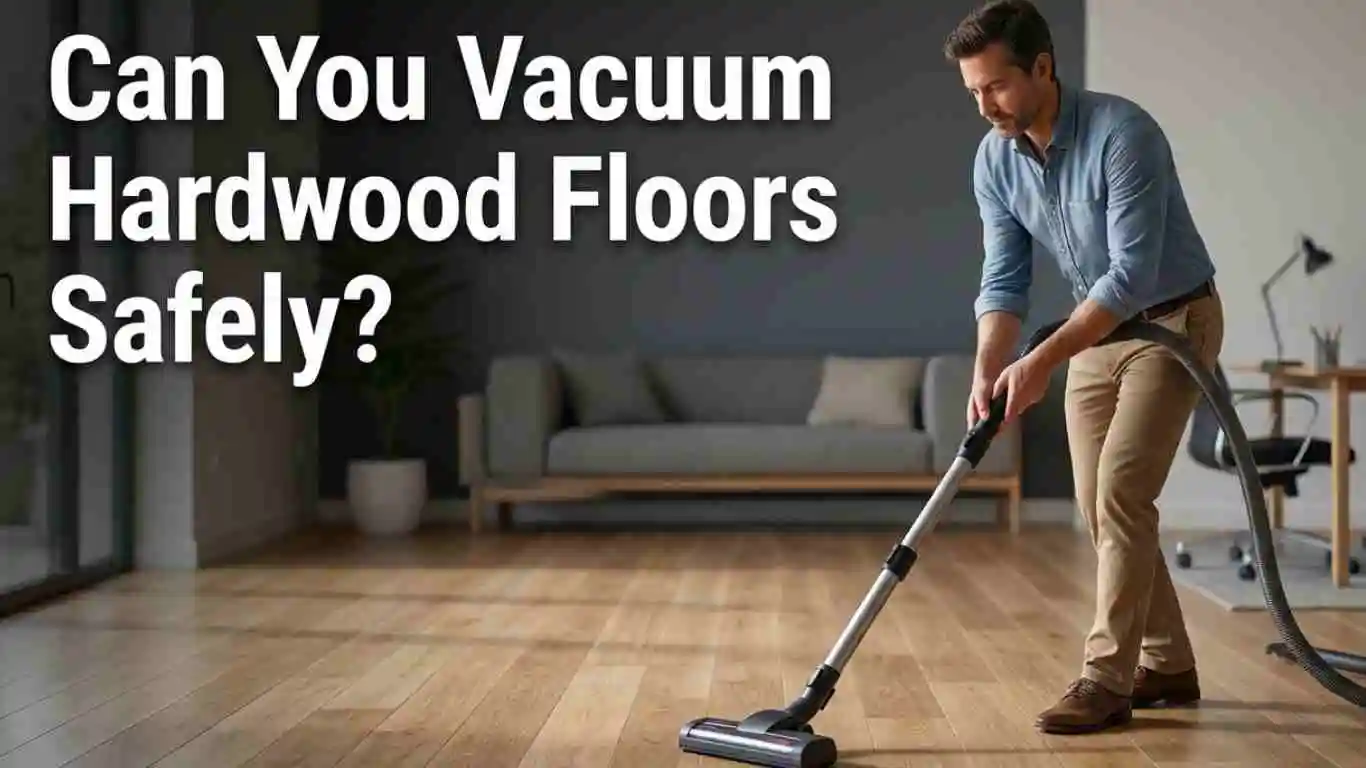
Vacuuming hardwood floors sounds easy, but many people worry they might damage the surface. Hardwood floors are beautiful and valuable, but they need careful cleaning. You might wonder, “Is it safe to use a vacuum? ” The answer is yes, but only if you follow some important guidelines.
This article explains how to vacuum hardwood floors safely, what features to look for, common mistakes to avoid, and how to keep your floors looking great for years. You’ll also see real comparisons, practical tips, and answers to common questions.
Why Vacuuming Hardwood Floors Matters
Hardwood floors attract dust, dirt, and small debris. If you sweep, you might miss fine particles, and mopping without vacuuming can push grit around. Over time, dirt can scratch the surface, dull the shine, and lead to expensive repairs. Vacuuming removes more dust than sweeping, especially in corners and between boards. It’s also faster and easier, especially for busy homes. According to the National Wood Flooring Association, regular vacuuming can extend the life of hardwood floors by reducing abrasion from grit.
Choosing The Right Vacuum For Hardwood Floors
Not every vacuum is safe for hardwood. Some vacuums are designed for carpets and can harm wood with rough brushes or heavy wheels. Here’s what to look for:
Essential Features For Safe Cleaning
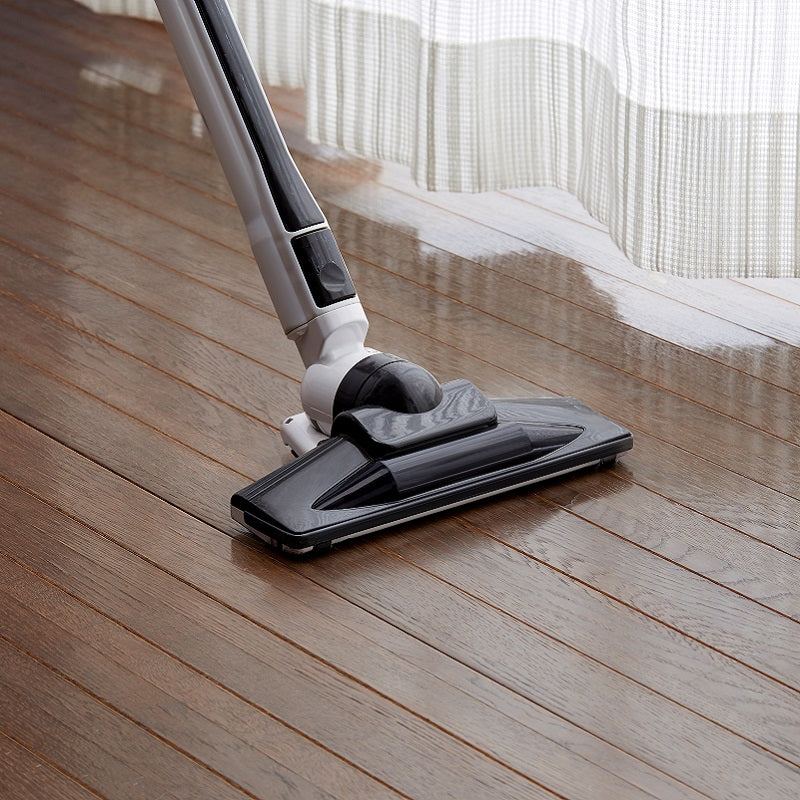
- Hard Floor Setting: Choose a vacuum with a “bare floor” or “hard floor” mode. This turns off the rotating brush, which can scratch wood.
- Soft Bristles or No Brush: If your vacuum has a brush, make sure it’s soft. Some models allow you to remove the brush.
- Rubber or Felt Wheels: Hard plastic wheels can leave marks. Soft wheels glide smoothly and protect the finish.
- Strong Suction: You need enough suction to pick up dust without relying on brushes that touch the floor.
- HEPA Filtration: This traps fine dust and allergens, keeping your home cleaner.
Popular Types Of Vacuums
- Canister vacuums: Usually lighter and easier to maneuver. Many have special attachments for hard floors.
- Stick vacuums: Slim and easy to use daily. Some are cordless for quick cleaning.
- Robot vacuums: Good for maintenance, but only high-end models are gentle enough for wood.
- Upright vacuums: Often heavier and designed for carpets. Only use if they have a hard floor setting.
Vacuum Comparison
Here’s a simple comparison of popular vacuum types for hardwood floors:
| Vacuum Type | Pros | Cons |
|---|---|---|
| Canister | Strong suction, gentle, versatile attachments | Bulky, needs storage space |
| Stick | Lightweight, easy to use, cordless options | Smaller dust bins, less power |
| Robot | Hands-free, regular cleaning | May miss corners, expensive |
| Upright | Powerful, large bin | Heavy, may scratch floors |
How To Vacuum Hardwood Floors Safely
Vacuuming hardwood needs the right steps. Doing it wrong can leave scratches or push dirt into cracks. Here’s how to do it safely:
Step-by-step Guide
- Clear the Floor: Remove small objects, rugs, and furniture if possible. This prevents tripping and lets you clean everywhere.
- Check Vacuum Settings: Set your vacuum to the hard floor mode. Make sure the brush is off or soft.
- Inspect Wheels and Attachments: Look for dirt or debris stuck to wheels or brushes. Clean them before starting.
- Vacuum Along the Grain: Move the vacuum in the same direction as the wood grain. This picks up more dust and avoids spreading particles.
- Focus on Edges and Corners: Use crevice tools or special attachments for tight spaces.
- Empty the Dust Bin Often: A full bin reduces suction and can spill dust back onto the floor.
- Repeat Regularly: Vacuum at least once a week, or more often in busy homes.
Extra Safety Tips
- Avoid dragging the vacuum if it’s heavy.
- Never use steam vacuums on hardwood. Moisture can ruin the wood.
- If you see scratches after vacuuming, check the wheels and brush for hard debris.
Common Mistakes That Damage Hardwood Floors
Many people make simple errors when vacuuming hardwood. Here are mistakes to avoid:
- Using a Beater Bar: Beater bars are rough brushes meant for carpets. They can scratch and dent wood.
- Using Dirty Wheels or Brushes: Wheels with stuck grit act like sandpaper.
- Skipping the Hard Floor Setting: Forgetting to switch modes can cause damage.
- Letting Dust Bin Overflow: Full bins reduce suction and can spill dust.
- Vacuuming Wet Floors: Moisture can cause warping and stains.
Real Example
A homeowner used an old upright vacuum without checking the wheels. The plastic wheels had stuck pebbles, which left scratches all over the living room floor. Repairing the damage cost over $500.
Should You Sweep Or Vacuum?
Some people prefer sweeping because it feels gentle. But is it better? Sweeping moves bigger debris but often leaves dust behind. Vacuuming, if done right, removes both. Here’s a quick comparison:
| Cleaning Method | Effectiveness | Safety |
|---|---|---|
| Sweeping | Good for large debris, misses fine dust | Safe, but can push dirt into cracks |
| Vacuuming | Removes more dust, reaches corners | Safe if proper vacuum is used |
Maintaining Your Vacuum For Long-term Safety
A well-maintained vacuum protects your hardwood floors. Here’s how to care for your vacuum:
- Clean Wheels Weekly: Wipe wheels to remove stuck dirt.
- Wash or Replace Filters: Dirty filters reduce suction and spread dust.
- Check Attachments: Inspect brushes and tools for sharp debris.
- Store Properly: Keep your vacuum in a dry, safe place.
- Inspect Cords: Broken cords can cause accidents.
Data On Vacuum Maintenance
According to a survey by Consumer Reports, vacuums last longer and perform better with monthly maintenance. 68% of users who cleaned wheels and filters regularly reported fewer scratches on their hardwood floors.
When To Avoid Vacuuming Hardwood Floors
Vacuuming is not always the best option. Here are times to avoid it:
- Right after spills: Clean liquid spills with a dry cloth before vacuuming.
- During renovations: Dust from sanding or painting can clog your vacuum.
- If your floor is damaged: Loose boards or deep scratches can get worse if vacuumed.
Non-obvious Insights For Beginners
Many beginners miss these points:
- Vacuum weight matters: Heavy vacuums put more pressure on floors. Choose lighter models for daily use.
- Static electricity: Some vacuums build up static, which attracts dust to the floor. Use anti-static sprays or humidify the room.
- Frequency: Vacuuming too often with a rough brush can wear down the finish. Stick to once or twice a week, unless you have pets.
Credit: www.townappliance.com
Recommended Brands And Models
There are many good vacuums for hardwood floors. Here are some brands known for safe cleaning:
- Miele: Offers canister vacuums with soft brushes.
- Dyson: Stick vacuums with hard floor modes.
- Shark: Models with felt wheels and gentle attachments.
- Bissell: Affordable options with hard floor settings.
Always check reviews before buying. For more details, see this guide from Consumer Reports.
The Impact Of Regular Vacuuming
Regular vacuuming doesn’t just keep floors clean. It prevents buildup of dust and allergens, protects the finish, and saves money in the long run. According to the EPA, indoor air quality improves when you vacuum with HEPA filters. People with allergies or pets benefit even more.
Over five years, homes that vacuumed hardwood floors weekly spent 30% less on repairs compared to homes that only swept or mopped. This shows the value of safe, regular vacuuming.
Frequently Asked Questions
Can Any Vacuum Be Used On Hardwood Floors?
No. Only vacuums with hard floor settings, soft brushes, and rubber wheels are safe. Avoid carpet-only vacuums and those with rough beater bars.
Will Vacuuming Scratch My Hardwood Floor?
Vacuuming can scratch hardwood if the wheels or brushes are hard or dirty. Always check attachments and use the correct settings.
Is It Better To Sweep Or Vacuum Hardwood Floors?
Vacuuming removes more dust and allergens, especially from corners and cracks. Sweeping is safe but less effective for fine particles.
How Often Should I Vacuum Hardwood Floors?
Vacuum at least once a week. If you have pets or kids, you may need to vacuum more often. Avoid daily vacuuming with rough brushes.
Can I Use A Robot Vacuum On Hardwood Floors?
Yes, but only if it’s designed for hard floors. Check that the wheels are soft and the brushes are gentle. Some robot vacuums are too rough.
Keeping hardwood floors clean doesn’t have to be difficult. With the right vacuum and careful habits, you can enjoy beautiful, safe floors for many years. Choose your vacuum wisely, follow safe practices, and avoid common mistakes. In the end, regular vacuuming is the best way to protect your investment and keep your home healthy.