Skip to content
If you bought an air purifier, you probably expected clean air and fewer allergies. But sometimes, the device stops working as it should. You notice dust still settling, strange smells remain, or you keep sneezing. Before you think about buying a new unit, it’s good to understand why your air purifier not working properly and how you can fix most issues yourself.
Most problems can be solved with simple checks. Others need a bit more effort, but you rarely need professional help. Let’s explore why air purifiers fail, the signs to look for, and how to troubleshoot each situation. You’ll also learn some non-obvious tips to make your device last longer and perform better.
Signs Your Air Purifier Is Not Working Properly
Knowing if your air purifier is malfunctioning isn’t always obvious. Here are clear signals:
- Persistent odors: If smells linger, the purifier may not be removing them.
- Visible dust: You still see dust on surfaces even after running the purifier for hours.
- Allergy symptoms: Sneezing, coughing, and itchy eyes remain or worsen.
- Low airflow: The fan is weak or barely blowing air.
- Strange noises: Unusual humming, rattling, or buzzing sounds.
- Indicator lights: Warning or filter change lights stay on.
- High energy use: The unit uses more electricity than usual.
If you notice one or more of these, it’s time to check your device.
Common Reasons Air Purifiers Fail
There are several causes for poor performance. Some are obvious, but others are easy to miss.
Clogged Or Dirty Filters
The most frequent issue is a filter that needs replacing. Filters trap particles, but over time, they fill up. This reduces airflow and cleaning power.
- HEPA filters: Should be changed every 6–12 months.
- Carbon filters: Usually last 3–6 months.
- Pre-filters: May need cleaning every month.
In homes with pets, smokers, or heavy pollution, filters clog faster. Never ignore filter change reminders.
Incorrect Room Size
Air purifiers are designed for specific room sizes. If your room is too large, the unit won’t clean the air effectively.
| Purifier Size | Recommended Room Area | Performance |
|---|---|---|
| Small | Up to 150 sq ft | Good for bedrooms |
| Medium | 150–300 sq ft | Suitable for living rooms |
| Large | 300–600 sq ft | Works well in open spaces |
If your device is undersized, it will run constantly but won’t remove pollutants efficiently.
Blocked Air Intake Or Outlet
If air vents are blocked by furniture, curtains, or dust, the purifier can’t circulate air. Always keep at least 2–3 feet of space around the unit.
Wrong Placement
Placing the purifier in a corner or behind objects limits its reach. For best results, position it in the center of the room or close to the source of pollution.
Fan Or Motor Issues
A weak or noisy fan means the motor could be failing. This can happen after years of use or if the device overheats.
Incorrect Settings
Some models have multiple modes (auto, sleep, turbo). If set to low or sleep mode, they may not clean effectively. Always check the settings.
Humidity And Temperature
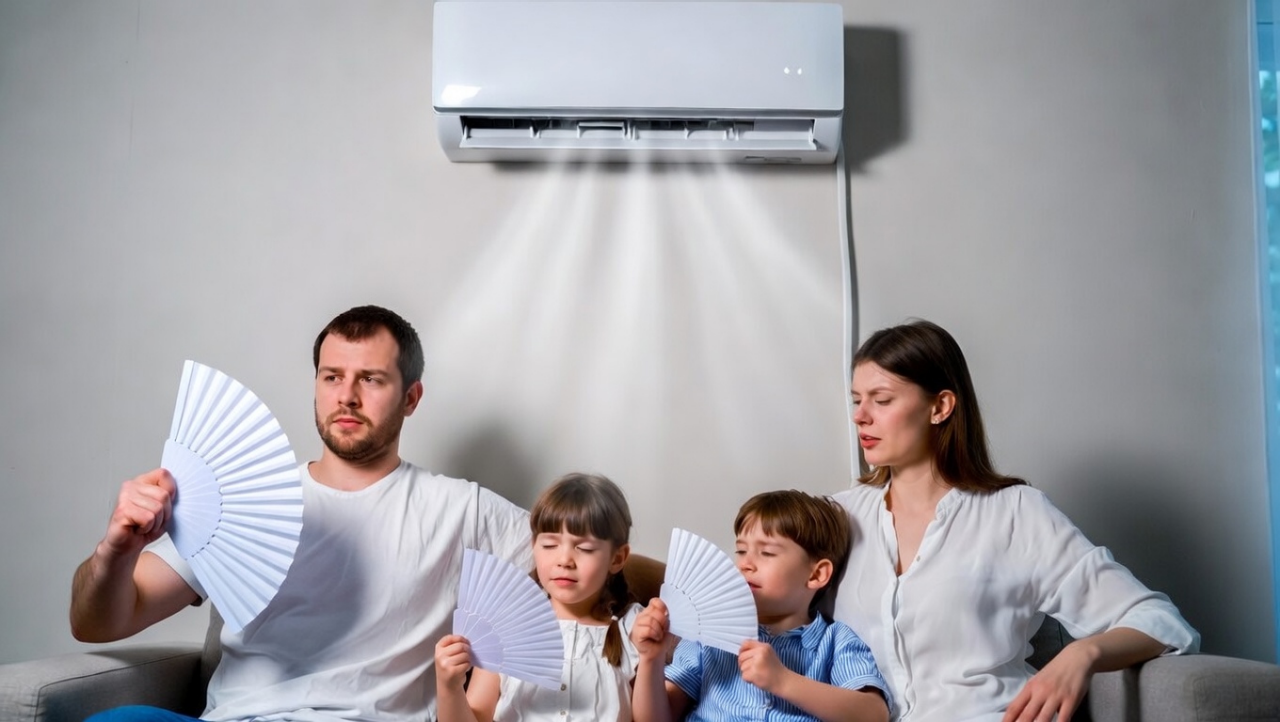
Air purifiers don’t work as well in very humid or hot rooms. High humidity can cause mold in filters, while extreme temperatures strain the motor.
Credit: www.daikinmea.com
Troubleshooting Steps
You can fix most problems with a few steps. Here’s what to do:
Step 1: Inspect And Replace Filters
- Turn off and unplug the device.
- Open the filter compartment.
- Check for visible dirt or discoloration.
- Replace dirty filters with new ones.
- Clean pre-filters if reusable.
Tip: Always use filters recommended by the manufacturer. Off-brand filters may not fit well or work properly.
Step 2: Clean Air Vents
- Use a soft brush or vacuum to remove dust from vents.
- Make sure nothing blocks the intake or outlet.
Step 3: Check Placement
Move the unit to an open area. Avoid corners, tight spaces, or locations near windows.
Step 4: Adjust Settings
Set the purifier to a higher mode for several hours. If air quality improves, settings were too low.
Step 5: Reset The Device
Some purifiers have a reset button. Hold it for a few seconds after changing the filter. This clears warning lights.
Step 6: Monitor Power And Noise
If the purifier is noisy or doesn’t start, check for:
- Loose power cords
- Damaged plugs
- Tripped circuit breakers
If the motor still fails, contact the manufacturer.
Step 7: Test Room Size
Use the purifier in a smaller room to see if performance improves. If it does, your original room may be too large.
Non-obvious Insights Most Owners Miss
- Filter Life Depends on Air Quality: If you live in a polluted city or have pets, filters wear out much faster. Don’t rely only on the manufacturer’s schedule—check filters monthly.
- Ozone-Producing Purifiers: Some devices (like ionizers) generate ozone, which can worsen allergies and asthma. Always check your model’s specs and avoid ozone if sensitive.
- Hidden Mold Growth: When filters get damp or humid, mold can grow inside. This reduces performance and can cause health problems. If you smell musty odors, check for mold and replace filters.
- Airflow Direction Matters: Purifiers with adjustable vents should aim airflow toward the center of the room, not walls or corners.
Credit: www.simpurelife.com
Comparing Air Purifier Types
Different technologies offer various benefits. Here’s a quick comparison:
| Type | Main Feature | Common Issue | Best For |
|---|---|---|---|
| HEPA | Traps small particles | Filter clogging | Dust, pollen, pet dander |
| Activated Carbon | Removes odors | Needs frequent replacement | Smokers, kitchens |
| UV-C | Kills germs | Bulb failure | Healthcare settings |
| Ionizer | Creates negative ions | Ozone production | Dust removal (with caution) |
Not all types work for every situation. For allergies, HEPA is best. For odors, carbon filters are essential.
Maintenance Tips To Prevent Problems
To keep your air purifier running smoothly, regular care is crucial:
- Change filters on schedule (or sooner if needed).
- Clean the exterior weekly with a damp cloth.
- Vacuum around the unit to reduce dust intake.
- Keep the unit away from water sources to avoid damp filters.
- Use surge protectors to protect from power spikes.
Practical Example
Let’s say you bought a HEPA purifier for a 400 sq ft living room, but it’s only rated for 200 sq ft. You notice dust after a week. The fix is simple: move the unit to a smaller room or buy a larger purifier.
When To Seek Professional Help
Most problems are easy to fix, but sometimes you need expert support:
- If the motor won’t start after checking power.
- If there’s a burning smell.
- If the unit leaks water or liquid.
- If mold returns quickly after filter changes.
Contact the brand’s customer service or an authorized technician.
Data: How Often Do Air Purifiers Fail?
Studies show most air purifiers last 3–5 years with regular care. The most common issue is filter clogging, followed by fan failure. According to the EPA, indoor air can be up to five times dirtier than outdoor air, so purifiers work hard and need frequent maintenance.
| Issue | Average Time to Occur | Percentage of Owners |
|---|---|---|
| Filter clogging | 6–12 months | 80% |
| Fan/motor failure | 3–5 years | 15% |
| Sensor errors | 2–4 years | 5% |

Credit: renpho.com
How To Choose A Reliable Air Purifier
If your current device is beyond repair, picking a new one is easier if you focus on these:
- CADR rating: Higher Clean Air Delivery Rate means faster cleaning.
- Filter availability: Choose models with easy-to-find replacement filters.
- Noise level: Look for units below 50 dB for quiet operation.
- Warranty: At least 2 years is ideal.
- Smart sensors: Devices that monitor air quality and adjust speed automatically.
Avoid common mistakes like buying cheap, untested brands or units with rare filter types.
Frequently Asked Questions
Why Does My Air Purifier Smell Bad?
A bad smell often means the filter is dirty or mold has started growing. Replace all filters and clean the inside. If odors persist, check for hidden mold or moisture.
Can I Wash Hepa Filters?
Most HEPA filters are not washable. Washing can damage the fibers and reduce effectiveness. Only wash filters if the manual says it’s safe.
How Do I Reset The Filter Light?
Look for a reset button or follow your unit’s instructions. Usually, you hold the button for 5–10 seconds after changing the filter.
Why Is My Air Purifier Noisy?
Noise can come from a clogged filter, loose parts, or a failing motor. Clean filters, check for loose screws, and make sure the device is on a flat surface.
How Do I Know If My Purifier Produces Ozone?
Check the manual or manufacturer’s website. If it’s an ionizer or uses electrostatic technology, it may generate ozone. You can learn more from the EPA’s guide.
Clean air makes a big difference in your comfort and health. If your air purifier not working properly, don’t panic. Most issues are simple to fix, and regular care will keep your device running for years. If you follow these steps, you’ll enjoy fresher air and fewer allergy symptoms—without needing professional repairs or expensive replacements.