Skip to content
Are Air Purifiers Hsa Eligible?
Air pollution is a growing concern, especially for people with allergies, asthma, or other respiratory issues. Many households and workplaces are turning to air purifiers as a solution to indoor pollution. But air purifiers can be expensive, and buyers often ask: are air purifiers HSA eligible? If you have a Health Savings Account (HSA), this question matters because it affects how you pay for your air purifier and whether you can use pre-tax dollars.
This article covers everything you need to know, including HSA rules, eligibility criteria, how to claim, and common mistakes. If you want clear answers, real examples, and practical guidance, keep reading.
Understanding Hsa Eligibility
A Health Savings Account (HSA) is a special account that lets you save money tax-free for medical expenses. You can use an HSA for many health-related purchases, but not everything qualifies. To be HSA eligible, an item or service must be considered a medical expense under IRS rules.
The IRS defines medical expenses as costs for diagnosis, cure, mitigation, treatment, or prevention of disease. Items that only provide general health benefits, like vitamins or gym memberships, are usually not eligible unless prescribed for a specific medical condition.
Air Purifiers And Irs Rules
Air purifiers clean the air by removing dust, pollen, pet dander, and sometimes germs. They are commonly used to help people with allergies, asthma, or other breathing problems. But, according to IRS Publication 502, air purifiers are only considered a medical expense if they are bought to treat a specific medical condition and you have a doctor’s recommendation.
Key rule: An air purifier is not automatically HSA eligible. You need a written prescription or recommendation from your doctor stating that the air purifier is needed for a medical condition.
When Are Air Purifiers Hsa Eligible?
Not everyone can use their HSA to buy an air purifier. Here is how eligibility works:
- Medical Necessity: You must have a diagnosed medical condition, such as asthma, severe allergies, or chronic respiratory illness.
- Doctor’s Recommendation: Your doctor must write a note or prescription stating that an air purifier is necessary to treat or manage your condition.
- Proper Documentation: You need to keep the doctor’s note, receipt, and any other records in case the IRS asks for proof.
Without these, an air purifier is considered a general health item and is not HSA eligible.
Common Medical Conditions
Air purifiers are often recommended for people with:
- Asthma
- Allergic rhinitis
- COPD (Chronic Obstructive Pulmonary Disease)
- Cystic fibrosis
- Severe pet allergies
If you suffer from one of these, your doctor may suggest an air purifier as part of your treatment plan.

Credit: molekule.com
How To Buy An Air Purifier With Your Hsa
Buying an air purifier with HSA funds is possible, but you must follow certain steps. Here’s a practical guide:
- Get a Doctor’s Note: Schedule an appointment with your doctor. Explain your symptoms and ask if an air purifier would help. If your doctor agrees, request a written note or prescription.
- Choose the Right Air Purifier: Pick a model that fits your medical needs. For example, if you have allergies, look for a purifier with a HEPA filter.
- Purchase the Air Purifier: Use your HSA debit card or pay out of pocket and submit for reimbursement.
- Keep Documentation: Save your doctor’s note and the purchase receipt.
- Submit for Reimbursement: If you paid out of pocket, submit the documents to your HSA provider.
What Documentation Is Needed?
You need:
- The doctor’s note or prescription
- The purchase receipt showing the air purifier
- Any extra documentation your HSA provider requests
These documents prove the purchase was medically necessary.
Comparing Eligible And Non-eligible Expenses
To help clarify, here is a comparison of air purifier eligibility versus other household items:
| Item | HSA Eligible? | Medical Documentation Needed |
|---|---|---|
| Air Purifier | Yes (with doctor’s note) | Yes |
| Humidifier | Yes (if prescribed) | Yes |
| Dehumidifier | Yes (if prescribed) | Yes |
| Essential Oil Diffuser | No | No |
| General Cleaning Supplies | No | No |
This shows the importance of medical necessity and documentation.
Choosing The Right Air Purifier For Medical Needs
If your doctor recommends an air purifier, picking the right model matters. Here’s what to consider:
Types Of Air Purifiers
- HEPA Filters: Capture tiny particles like dust and pollen. Ideal for allergy and asthma sufferers.
- Activated Carbon Filters: Remove odors and chemicals.
- UV-C Light: Kills germs and viruses.
Features To Look For
- Room size coverage: Choose a model that matches your living space.
- Noise level: Some purifiers are loud; check reviews or specs.
- Filter replacement costs: Filters need changing every 6–12 months.
- Energy efficiency: Look for Energy Star certified models.
Common Mistakes To Avoid
- Buying a cheap model that doesn’t filter allergens properly.
- Not checking filter replacement costs, which can add up.
- Ignoring room size coverage, resulting in poor performance.
Air Purifier Brands And Models
Some brands are known for medical-grade air purifiers. Here’s a comparison:
| Brand | Popular Model | Filter Type | Coverage Area (sq. ft.) | Approx. Price |
|---|---|---|---|---|
| Dyson | Pure Cool Link | HEPA + Carbon | 400 | $350 |
| Honeywell | HPA300 | HEPA | 465 | $250 |
| Levoit | Core 300 | HEPA | 219 | $100 |
| Blueair | Blue Pure 211+ | HEPA + Carbon | 540 | $320 |
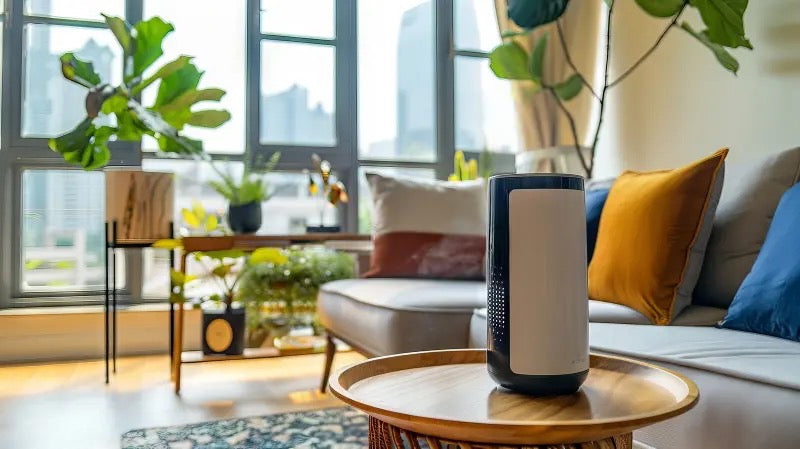
These models are often recommended for allergy and asthma relief.
Credit: airdogusa.com
Real-life Example: Using An Hsa For An Air Purifier
Sarah suffers from severe asthma. Her doctor recommends an air purifier to help reduce triggers at home. Sarah gets a written recommendation from her doctor, buys a Honeywell HPA300, and uses her HSA card for payment. She keeps the doctor’s note and her receipt. When her HSA provider reviews her expenses, Sarah’s claim is approved because she followed all the steps.
This example shows the process and importance of documentation.
Practical Tips For Hsa Air Purifier Purchases
- Ask your doctor about your specific needs.
- Choose a medical-grade purifier (HEPA recommended).
- Keep all documents (doctor’s note, receipt).
- Check with your HSA provider before buying, as rules may vary slightly.
- Don’t buy for general health; only buy if medically necessary.
Non-obvious insight: Some HSA providers may require a renewal of the doctor’s note each year if you continue to buy replacement filters. Always check their rules.
Another tip: If your medical condition changes, update your documentation. A new prescription may be needed.

Credit: www.withflex.com
What To Do If Your Hsa Claim Is Denied
Sometimes, HSA claims for air purifiers are denied. Here’s how to handle it:
- Review the denial reason: Often it’s missing documentation.
- Contact your provider: Ask what documents they need.
- Submit extra proof: Provide a detailed doctor’s note or medical records.
- Appeal if needed: Most HSA providers have an appeal process.
If you are unsure, check the official IRS guidance or your provider’s rules. For more detailed information, visit IRS Publication 502.
Cost Data And Savings
Air purifiers can cost anywhere from $100 to $600. Using HSA funds can save you money by allowing you to pay with pre-tax dollars. For example:
- If your air purifier costs $300 and your tax rate is 25%, you save $75 by using HSA funds.
Here’s a breakdown:
| Air Purifier Price | Tax Rate | Tax Savings (HSA) | Final Cost |
|---|---|---|---|
| $150 | 20% | $30 | $120 |
| $300 | 25% | $75 | $225 |
| $500 | 28% | $140 | $360 |
Using your HSA can lead to real savings, but only if you follow the rules.
Frequently Asked Questions
Can I Buy An Air Purifier With My Hsa Without A Doctor’s Note?
No, you must have a doctor’s note or prescription stating that the air purifier is medically necessary for your condition. Otherwise, your claim may be denied.
Are Replacement Filters For Air Purifiers Hsa Eligible?
Yes, but only if you bought the air purifier with HSA funds for a medical reason and you have a doctor’s note. Replacement filters are considered part of the treatment. Keep your receipts and documentation.
What Happens If I Use My Hsa For A Non-eligible Air Purifier?
If you use your HSA for a non-eligible expense, you may face penalties and taxes. The IRS can charge a 20% penalty plus income tax on the amount.
Can I Use My Fsa For An Air Purifier?
Yes, Flexible Spending Accounts (FSA) follow similar rules. You need a doctor’s prescription for the air purifier to be eligible under an FSA.
Do All Hsa Providers Have The Same Rules?
Most follow IRS guidelines, but some may have extra requirements. Always check with your HSA provider before buying. They may ask for more detailed documentation.
Air purifiers can make a big difference for people with respiratory issues. But to use HSA funds, you must follow strict rules: get a doctor’s note, choose the right model, keep all documents, and check with your provider. If you do it right, you can improve your health and save money. Always stay informed, and don’t hesitate to ask your doctor or HSA provider for help.