Are Mason Jars Heat Resistant?
People use mason jars for many things: storing food, canning, crafts, and even drinking. You see them everywhere—on kitchen shelves, in cafes, and at parties. But can you safely use mason jars with heat? Are they truly heat resistant? This is a common question, especially if you want to cook, bake, or sterilize jars. Knowing the answer is important because using a jar incorrectly can lead to breakage or even injury.
Let’s look at how mason jars handle heat, what makes them special, and how to use them safely with hot foods or liquids. Whether you’re a beginner or have used mason jars for years, you’ll find practical advice and some surprising facts about their heat resistance.
What Makes Mason Jars Special?
Mason jars are made from soda-lime glass. This type of glass is strong and clear, but it’s not the same as borosilicate glass used in labware or some cookware. The original mason jars were invented in 1858 by John Landis Mason. They are known for their two-piece lids, which create a tight seal for food preservation.
Most mason jars sold in the US are made by brands like Ball, Kerr, and Atlas. They are designed for home canning, so they must handle boiling water and hot foods. However, they are not made to withstand sudden temperature changes or very high oven heat.
Mason Jar Heat Resistance: The Facts
Safe Temperatures For Mason Jars
Mason jars can handle the heat from boiling water (212°F or 100°C). This is why they work well for water bath canning and sterilizing. The glass is tested to survive these temperatures without cracking.
However, mason jars are not safe for direct stove-top heat, broilers, or fast oven heating. The glass can break if exposed to rapid temperature changes, also known as thermal shock.
Here’s a simple comparison of glass types and their heat resistance:
| Glass Type | Heat Resistance | Common Uses |
|---|---|---|
| Soda-lime glass | Up to 212°F (100°C) safely | Mason jars, bottles |
| Borosilicate glass | Up to 350°F (177°C) or more | Laboratory glassware, bakeware |
Can Mason Jars Go In The Oven?
Some recipes say to bake cakes or pies in mason jars. While this is trendy, it’s risky. Most manufacturers do not recommend putting mason jars in the oven. The jars can crack, especially if they are cold and then suddenly heated.
If you must use mason jars in the oven, follow these tips:
- Preheat the jars gently, not suddenly.
- Never put cold jars into a hot oven.
- Keep the oven temperature below 350°F (177°C), but even then, there is risk.
Microwave Safety
Mason jars can go in the microwave if the lid is removed. But do not microwave cold jars with hot food inside. The glass can break if the temperature changes too quickly. Also, never microwave jars with metal lids.
Using Mason Jars For Canning
Canning is the most common heat-related use for mason jars. In home canning, jars are filled with hot food or liquid, then processed in boiling water or a pressure canner.
Water Bath Canning
This method is safe for high-acid foods like jams, jellies, and pickles. The jars are heated to boiling point. Mason jars are designed for this, so they rarely break.
Pressure Canning
Pressure canning uses higher heat, up to 250°F (121°C). Only standard canning jars should be used, and they must not have cracks or chips.
Here’s a comparison of canning methods and safe jar use:
| Canning Method | Temperature | Jar Safety |
|---|---|---|
| Water Bath | 212°F (100°C) | Safe for mason jars |
| Pressure Canning | 250°F (121°C) | Safe for mason jars |
| Oven Canning | Varies | Not recommended |
Common Mistakes And Risks
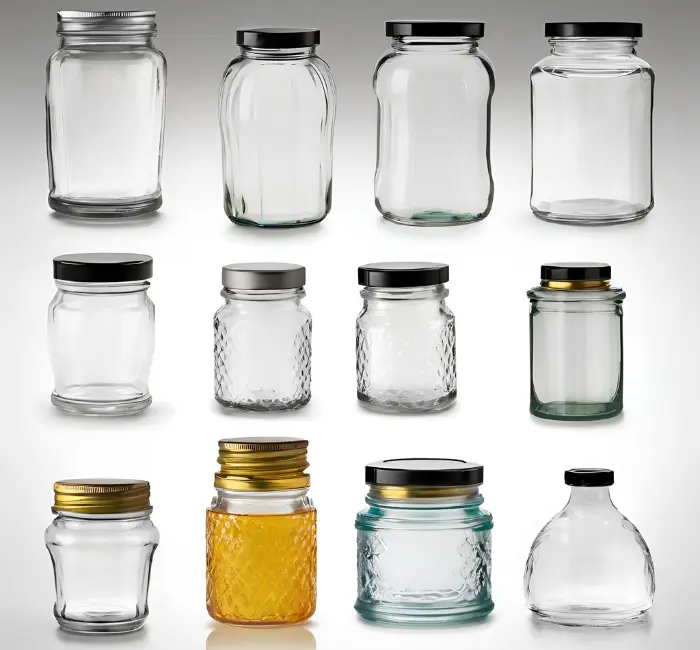
Many people assume that all glass jars are heat resistant. This is not true. Regular jars, like those used for store-bought food, are often made from thinner glass and can break easily.
Thermal Shock
Thermal shock is a big problem. It happens when the jar goes from cold to hot (or vice versa) too fast. For example, pouring boiling water into a cold jar can cause cracks.
Using Damaged Jars
Always check your mason jars for chips or cracks. Damaged jars are more likely to break, even at safe temperatures.
Overfilling
Leaving no space at the top when canning can cause jars to break as food expands during heating.
Reusing Non-canning Jars
Do not use jars from store-bought sauces or jams for canning. They are not made for heat resistance.
Credit: www.valetpackaging.ca
Real-life Examples And Data
According to Ball and Kerr, the largest makers of mason jars, their jars are tested to withstand boiling and pressure canning. However, they clearly state that jars are not oven-safe. In 2017, Ball released a statement after several injuries from people baking in jars.
A study by the National Center for Home Food Preservation found that when jars were used correctly, breakage rates were less than 1%. However, most breakage happened when people used jars with cracks or put cold jars into hot water.
Practical Tips For Safe Use
If you want to use mason jars with heat, follow these steps:
- Inspect the jars: Look for cracks, chips, or scratches before each use.
- Warm jars slowly: Avoid sudden temperature changes. Warm jars before filling with hot food or liquid.
- Leave headspace: When canning, leave 1/2 to 1 inch of space at the top.
- Use only canning jars: Don’t use recycled food jars for canning.
- Never use jars on the stovetop: Do not place jars directly on burners or under broilers.
- Remove metal lids in the microwave: Metal can spark and cause damage.

Credit: www.amazon.com
Comparing Mason Jars To Other Containers
You might wonder if mason jars are better than other containers for heat.
| Container Type | Heat Resistance | Best Uses |
|---|---|---|
| Mason jar (soda-lime glass) | Boiling water, canning | Food storage, canning |
| Borosilicate glassware | Oven, microwave, stovetop | Baking, lab work |
| Plastic containers | Varies (usually lower) | Cold storage, microwave |
| Metal containers | Very high | Cooking, baking |
Non-obvious Insights
- Many people think that mason jars can go in the oven because they survive boiling water. But boiling water is much less stressful than oven heat, which is dry and direct. The glass heats unevenly in an oven, making it more likely to crack.
- Even jars labeled “microwave safe” can break if microwaved with cold liquid inside. Always let the jar come to room temperature before adding hot food.
Expert Guidance
If you need a container for baking or direct heat, choose borosilicate glass or specialized bakeware. Mason jars are best for canning, storing, and serving—not for oven baking or stovetop cooking.
For sterilizing, place jars in boiling water, not in the oven. This is safer and recommended by experts. If you need more details, the National Center for Home Food Preservation has useful guides.
Frequently Asked Questions
Are All Mason Jars Heat Resistant?
No, only jars made for canning are heat resistant. Some decorative jars or recycled food jars are not designed for heat and can break easily.
Can I Bake Cakes Or Pies In Mason Jars?
Most brands say no. Baking in mason jars is popular, but the risk of breakage is high. If you try it, use new jars and keep the temperature low, but be aware it’s not recommended.
Can Mason Jars Go In The Dishwasher?
Yes, mason jars can go in the dishwasher. The heat is not high enough to cause damage. Remove metal lids before washing.
How Do I Sterilize Mason Jars Safely?
Sterilize jars by placing them in boiling water for 10 minutes. Do not use the oven, as dry heat can cause cracks.
What Happens If A Mason Jar Breaks From Heat?
Broken jars can cause hot food or liquid to spill, which may lead to burns or injuries. Always inspect jars before use and avoid sudden temperature changes.
Mason jars are heat resistant for boiling and canning, but not for oven baking or direct stove-top use. Understanding their limits will help you use them safely and get the most from these versatile containers. With careful use and the right methods, you can enjoy all the benefits of mason jars without worry.

Credit: lillyandlula.com