Are Plastic Cutting Boards Better Than Wood?
Choosing the right cutting board can change how you cook and keep your kitchen safe. Many people debate whether plastic cutting boards or wood cutting boards are better. The answer is not simple. Both materials have strengths and weaknesses, and the best choice depends on your needs, habits, and even your kitchen style.
In this article, we’ll explore the facts, compare key features, and clear up common myths. If you’re tired of conflicting advice, you’ll find practical guidance here.
Safety And Hygiene: The Core Issue
When people ask if plastic is better than wood, they usually mean: which is safer? Let’s look at what science and experience show.
Bacteria And Cleaning
Food safety experts often say plastic cutting boards are safer because you can put them in the dishwasher. High heat and strong detergents kill bacteria. Plastic boards are also non-porous, so bacteria don’t sink deep into the surface.
But studies show that wood cutting boards can be surprisingly hygienic. When bacteria enter the wood’s pores, they often die off quickly. Some hardwoods, like maple, have natural antibacterial properties. However, wood is harder to clean if it gets deep cuts or stains.
Here’s a direct comparison of how bacteria behave on both materials:
| Board Type | Bacteria Survival (24h) | Cleaning Method | Dishwasher Safe |
|---|---|---|---|
| Plastic | High (if scratched) | Dishwasher, bleach | Yes |
| Wood | Low (natural die-off) | Hand wash, vinegar | No |
Non-obvious insight: Deep scratches on plastic boards can trap bacteria, making them harder to clean than people think. Wood boards, if kept smooth, may actually be safer over time.
Cross-contamination
Plastic boards are often recommended for raw meat, while wood boards are better for bread, fruit, and vegetables. This is because plastic can handle harsh cleaning, but wood absorbs juices and can stain. However, using separate boards for different foods is more important than the material itself.
Durability And Maintenance
How long will your cutting board last? This depends on how you care for it and what it’s made from.
Lifespan
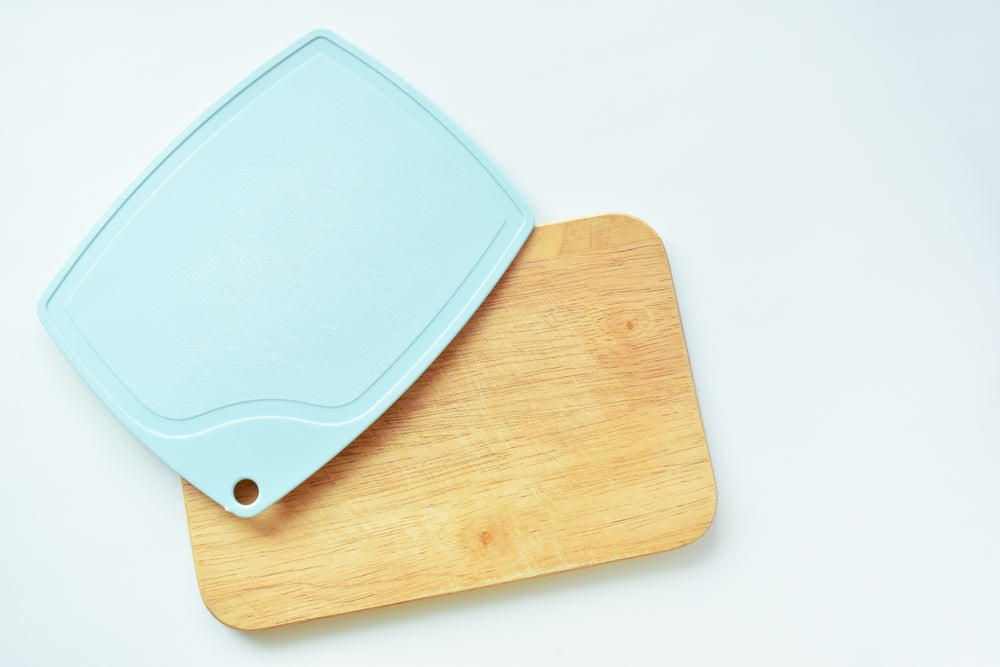
A quality wood cutting board can last decades with care. It can be sanded to remove deep cuts and refinished with oil. Plastic boards are cheaper but usually need replacing every couple of years, especially if they get deep grooves.
Here’s a quick durability comparison:
| Board Type | Average Lifespan | Repairable | Replacement Frequency |
|---|---|---|---|
| Plastic | 2-5 years | No | Often |
| Wood | 10-20 years | Yes (sanding/oiling) | Rarely |
Maintenance Tips
- Plastic boards: Wash after every use. Replace when you see deep scratches or stains.
- Wood boards: Hand wash only. Dry immediately. Oil monthly with mineral oil to prevent cracking.
Non-obvious insight: Neglecting wood board oiling makes them crack and warp. Many users forget this step, which shortens their lifespan.
Credit: northcastlehw.com
Knife Friendliness
A good cutting board shouldn’t dull your knives quickly. Let’s see how plastic and wood compare.
Surface Hardness
Wood boards (especially end-grain types) are gentle on knife edges. When you cut, the wood fibers “heal” and close up, protecting both the board and the blade. Plastic boards are softer but can cause knives to slip, increasing the risk of accidents.
Here’s a direct comparison:
| Board Type | Knife Wear | Surface Texture | Grip |
|---|---|---|---|
| Plastic | Medium | Smooth, can get slippery | Low |
| Wood | Low | Fibrous, self-healing | High |
Practical tip: If you use expensive knives, wood is often the best choice for keeping them sharp.
Environmental Impact
Today, more people want eco-friendly kitchen tools. The environmental footprint of plastic and wood cutting boards is very different.
Production And Disposal
Plastic cutting boards are made from petroleum-based materials. They don’t biodegrade and can contribute to microplastic pollution. Wood boards are renewable, especially if made from certified hardwoods. At the end of their life, wood boards can be composted or recycled.
Non-obvious insight: Some plastic boards are made from recycled materials, but most are not. Wood boards can sometimes come from unsustainable sources, so check for certifications like FSC (Forest Stewardship Council).
You might find this helpful: Best Wooden Cutting Boards
Cost And Value
Price is a big factor for many buyers. Let’s break down the real value.
Upfront Cost
- Plastic boards: $10–$25 for a standard size.
- Wood boards: $30–$100 or more, depending on the wood and craftsmanship.
Long-term Value
Plastic boards seem cheaper, but you’ll replace them more often. A well-cared-for wood board can last much longer, making the higher price worth it over time.
Example: A $15 plastic board replaced every 3 years costs $60 over 12 years. A $60 wood board lasting 12 years costs the same, but feels and performs better.
Practical Everyday Use
How do these boards perform in daily life? Let’s look at user experience.
Ease Of Use
- Plastic boards are light and easy to move.
- Wood boards are heavier and more stable, which is helpful when chopping.
Storage
Plastic boards fit easily in drawers or dishwashers. Wood boards need space and air to avoid moisture buildup.
Odor And Stain Resistance
Plastic boards can hold odors from garlic or fish, even after washing. Wood boards resist odors better, but can stain from foods like beets or tomatoes.
Common Mistakes
- Using the same board for all foods (increases cross-contamination risk)
- Not replacing plastic boards when they’re heavily scratched
- Forgetting to oil wood boards
Credit: www.rd.com
Myths And Misconceptions
Many people believe plastic is always safer or wood is always better. Let’s clear up some myths.
Myth 1: Plastic Boards Don’t Harbor Bacteria
Deep grooves in plastic can trap bacteria. If not cleaned well, plastic boards can be less safe than wood.
Myth 2: Wood Boards Are Hard To Clean
Wood boards need careful hand washing, but they are not impossible to clean. Many home cooks use vinegar or baking soda to sanitize them.
Myth 3: Only Professional Chefs Use Wood
Wood boards are common in homes. They are not just for chefs. Many people use them for their durability and looks.
Which Should You Choose?
Your best cutting board depends on your habits:
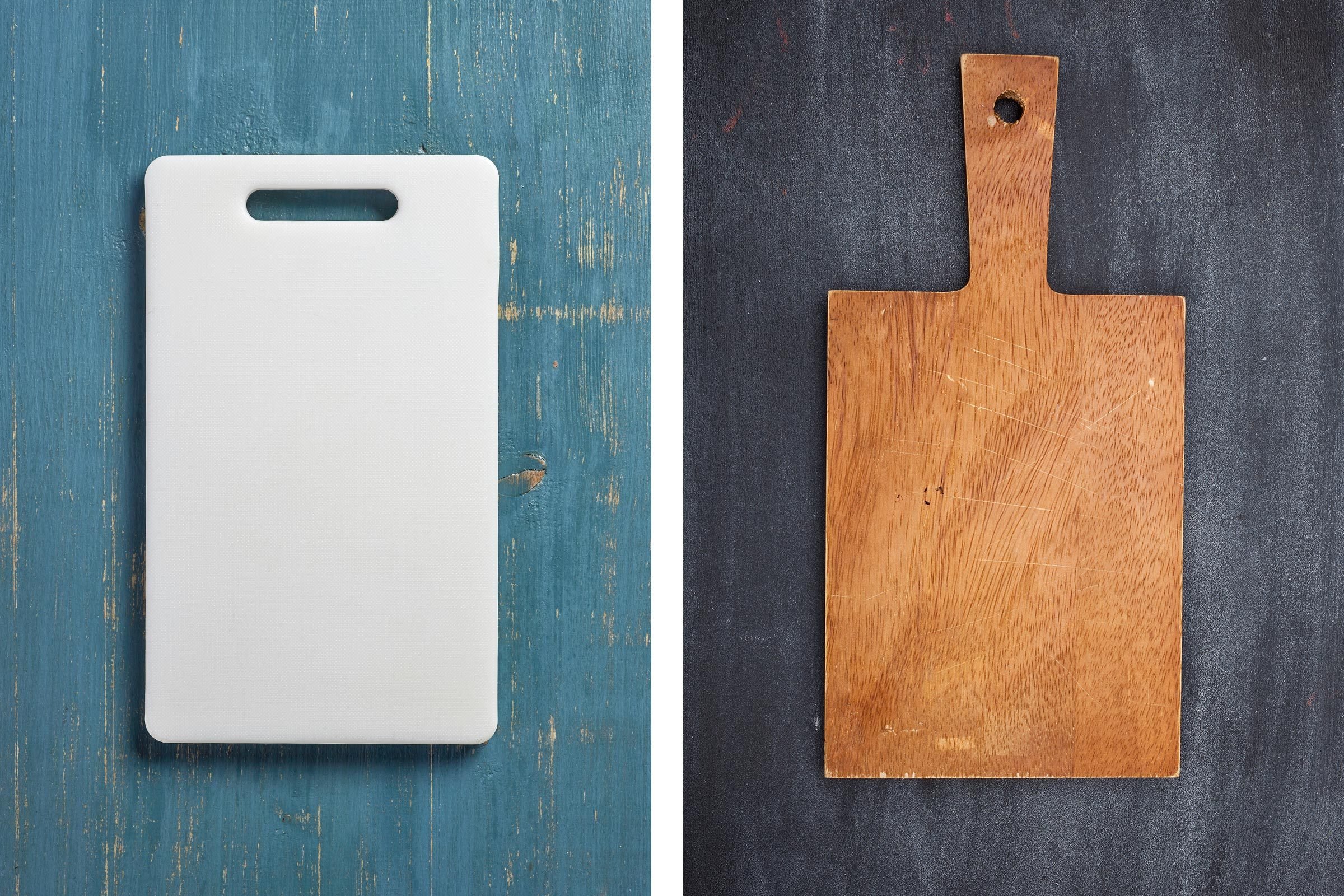
- If you cook lots of raw meat and want easy cleaning, plastic is practical.
- If you value knife preservation, eco-friendliness, and durability, wood is better.
- Many kitchens use both: One for meat (plastic), one for veggies/bread (wood).
Pro tip: Buy boards in different colors or shapes for different foods. This makes it easier to keep your kitchen safe.
:max_bytes(150000):strip_icc()/Wood-vs-Plastic-Cutting-Board-4x3-fcf74ce0347a40f7897c661c937ec19e.jpg)
Credit: www.allrecipes.com
Frequently Asked Questions
Are Plastic Cutting Boards Safer Than Wood?
Plastic boards are safer for raw meat because you can clean them in the dishwasher. But wood boards have natural antibacterial properties. Both are safe if you clean them well and use separate boards for different foods.
How Often Should I Replace My Plastic Cutting Board?
Replace plastic boards when they get deep scratches, stains, or start to warp. This is usually every 2–5 years, depending on use. Deep grooves can trap bacteria and make cleaning harder.
Can I Put Wood Cutting Boards In The Dishwasher?
No. Dishwashers can dry out wood boards and cause them to crack or warp. Always wash wood boards by hand, dry immediately, and oil regularly to keep them in good shape.
Do Wood Cutting Boards Dull Knives?
Wood boards are actually gentler on knives than plastic. End-grain wood boards let knife edges slide between fibers, reducing wear. Plastic boards can sometimes cause blades to slip, increasing dulling.
Which Board Is Better For The Environment?
Wood boards are better for the environment if made from sustainable sources. They are biodegradable and renewable. Plastic boards are not biodegradable and can contribute to pollution, unless made from recycled materials. For more on sustainability, see this Wikipedia overview.
Making a cutting board choice is about more than just material. Think about safety, durability, knife care, and your kitchen habits. Both plastic and wood boards have their place. The best kitchens use both, and care for them properly. With this knowledge, you can make a confident, practical decision.