Skip to content
Are Stainless Steel Juicers Safer Than Plastic?
When you walk into a kitchen store or browse online, it’s clear: juicers come in many shapes and materials. Two of the most common choices are stainless steel and plastic juicers. At first glance, the decision seems simple—pick the one that looks best, fits your budget, or matches your kitchen. But for health-conscious people, safety is a top concern. Does the material of your juicer really matter? Are stainless steel juicers safer than plastic ones? Let’s dive deep into the facts, compare the risks and benefits, and help you make a confident choice for your health.
What Makes A Juicer “safe”?
Before comparing, it’s important to define what “safe” means for a juicer. Safety here includes:
- Food safety: Does the material react with food or release harmful chemicals?
- Durability: Will it break, crack, or wear out, creating unsafe surfaces?
- Ease of cleaning: Can you keep it hygienic?
- Long-term health: Are there risks with daily use over years?
Understanding these points helps us look beyond price or looks and focus on what really matters.
The Science Behind Juicer Materials
Stainless Steel: Properties And Safety
Stainless steel is an alloy, mostly made of iron with chromium and sometimes nickel. This mix makes it:
- Corrosion-resistant (doesn’t rust easily)
- Non-porous (doesn’t absorb flavors or stains)
- Heat-resistant
- Very strong
In food equipment, stainless steel is famous for not reacting with acidic foods like oranges or tomatoes. It doesn’t leach chemicals, even under stress from blades or motors. Hospitals and restaurants use stainless steel for exactly these reasons.
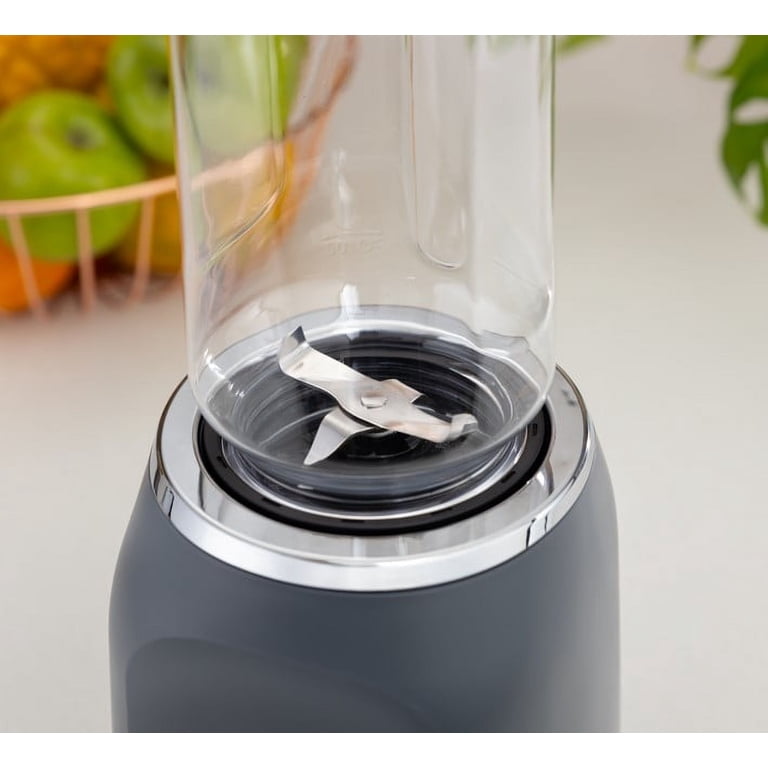
Plastic: Types Used In Juicers
Plastic juicers are usually made from:
- Polycarbonate
- Polypropylene
- ABS plastic
Some plastics are more stable than others. However, certain types can contain chemicals like BPA (Bisphenol A) or phthalates. These substances are sometimes released, especially when exposed to heat, acids, or when scratched.
Not all plastics are unsafe. Many modern juicers claim to be BPA-free, but not all are, and labeling can sometimes be misleading.
Credit: www.walmart.com
Comparing Stainless Steel And Plastic Juicers
Let’s see how each material performs across safety and usability factors.
| Factor | Stainless Steel | Plastic |
|---|---|---|
| Chemical Leaching | Very low risk | Possible (especially with BPA or phthalates) |
| Durability | Highly durable | Prone to scratches/cracks |
| Reaction with Food | Non-reactive | Can react with acids over time |
| Cleaning | Easy, doesn’t hold odors | Can stain, hold smells |
Chemical Safety: The Main Concern
The biggest safety question is about chemical leaching. When plastic is exposed to force, heat, or acidic foods, it may release chemicals into your juice. Over time, even small amounts can add up.
Research shows BPA may mimic hormones and affect the brain and prostate gland, especially in children. While many companies now use BPA-free plastics, some replacements (like BPS) might also have risks, though less is known about them.
Stainless steel does not leach chemicals in normal kitchen use. Only in rare cases, if the surface is deeply scratched and the steel is poor quality, could tiny amounts of metals (like nickel) come out. For most people, this is not a health risk.
Durability And Hygiene
Stainless steel juicers last longer. They don’t crack if dropped and resist deep scratches. This means fewer places for bacteria to hide. Plastic juicers can get scratched or cloudy, making them harder to clean and sometimes unsafe over time.
Here’s a quick look at lifespan:
| Material | Average Lifespan (Years) | Common Issues |
|---|---|---|
| Stainless Steel | 10-20+ | Possible rust if poorly made |
| Plastic | 3-7 | Cracks, stains, odor retention |
Heat And Acid Resistance
Juicing often involves strong friction and sometimes heat, especially in high-powered juicers. Stainless steel handles both heat and acids without problems. Plastic can warp, and with repeated use, it may start to break down.
Real-life Examples And Data
A 2021 study tested food containers and found that 96% of plastic samples released measurable microplastics after normal use. While this study was not on juicers directly, it shows plastic can wear out and transfer tiny particles to food or drink.
On the other hand, kitchen tools made from stainless steel rarely show such problems. That’s why commercial kitchens often choose stainless steel for food contact surfaces.
Here’s another practical example: If you juice citrus fruits daily, stainless steel will stay shiny and odor-free. Plastic may start to smell or show tiny cracks. These cracks can hide bacteria, which is a hidden risk.
Are All Plastics Unsafe?
Not every plastic juicer is dangerous. Some are made from high-quality, BPA-free materials. If you choose plastic, look for:
- BPA-free certification (ideally third-party tested)
- Food-grade or FDA-approved labeling
- Avoiding clear, hard plastics (which are more likely to contain BPA)
Still, even the best plastics wear out faster than stainless steel. Scratched or old plastic should be replaced quickly.
Environmental And Cost Considerations
Environmental Impact
Stainless steel is more recyclable. At end of life, it can be melted and reused. Plastic is harder to recycle, especially if it’s mixed with food or stained.
Making stainless steel uses more energy at first, but because it lasts longer, its total environmental impact can be lower over time.
Cost
Plastic juicers often cost less up front. Stainless steel models are an investment, but they pay off if you juice regularly.
Here’s a comparison of price ranges:
| Material | Typical Price (USD) | Notes |
|---|---|---|
| Stainless Steel | $80-$400 | Long lifespan, higher upfront cost |
| Plastic | $20-$120 | Lower price, shorter lifespan |
Common Mistakes When Choosing A Juicer
- Focusing only on price: Cheaper plastic might cost more in the long run if you need to replace it often.
- Ignoring certifications: Not all “BPA-free” labels are regulated. Look for recognized certifications.
- Not checking for damage: Using scratched plastic juicers increases risk.
- Assuming all stainless steel is equal: Some low-quality stainless steel can rust or corrode if the finish is poor.
- Overlooking cleaning: Juicers with many small plastic parts can be harder to clean well, which affects safety.
Practical Tips For Safer Juicing
- If you can, choose stainless steel for parts that touch juice or pulp.
- If using plastic, replace at the first sign of wear or scratches.
- Wash all parts thoroughly after each use. Stainless steel cleans easily with hot, soapy water.
- Avoid juicing hot foods in plastic juicers; heat increases risk of chemical release.
- Dry your juicer fully to prevent mold or bacteria, especially for plastic parts.

Credit: www.amazon.com
Non-obvious Insights Most Beginners Miss
- Plastic can absorb odors and flavors. Over time, this doesn’t just make your juice taste odd—it means the material is slowly breaking down and holding onto old food particles. Stainless steel stays neutral.
- The motor and non-food-contact parts don’t matter as much. Many juicers have a mix of materials. Focus on the parts that touch your juice—strainers, bowls, and spouts should ideally be stainless steel.
- Replacement parts matter. Some brands only offer plastic replacement parts even for “stainless steel” juicers. Check availability and material before buying.
- Some “stainless steel” juicers have a thin metal coating over plastic. These can look like metal but have all the weaknesses of plastic inside.
- Second-hand plastic juicers are risky. You don’t know their history or exposure to heat and acids, so avoid used plastic models.
What Do Health Experts And Authorities Say?
Major health organizations, including the U.S. Food & Drug Administration (FDA), set limits on what can be used for food contact. They have banned BPA in baby bottles and sippy cups, but not all food plastics. Long-term studies are still ongoing about the safety of BPA alternatives.
For now, the safest option, especially for daily juicing, is stainless steel. That’s why it’s the standard in hospitals, commercial kitchens, and for people with allergies or sensitivities. For more background on BPA and food contact materials, see the FDA’s BPA resource.
Making Your Choice: Stainless Steel Vs Plastic
If you juice rarely, a high-quality, BPA-free plastic juicer can be a reasonable choice. For frequent juicers or anyone with young children, allergies, or health concerns, stainless steel is the safest bet. The higher up-front cost pays off over years of safe, easy juicing.
Remember, even the best juicer is only as safe as the way you use and clean it. Inspect for damage, clean well, and replace any worn parts promptly.
Frequently Asked Questions
Is Stainless Steel Always Better Than Plastic For Juicers?
For parts that touch food, stainless steel is almost always safer because it does not leach chemicals, is more durable, and is easier to keep clean. Some non-food parts may be plastic without major risk.
Are All Plastic Juicers Unsafe?
Not all plastic juicers are unsafe. BPA-free, food-grade plastics reduce most risks, especially if you replace them at the first sign of wear. Still, they don’t match stainless steel for long-term durability and safety.
Can Stainless Steel Juicers Rust Or Cause Allergies?
High-quality stainless steel resists rust, but poor-quality steel can corrode, especially if scratched. Some people with nickel allergies might react if the steel is low grade, but this is rare in good brands.
How Do I Know If My Plastic Juicer Is Bpa-free?
Look for clear labeling, ideally with third-party certification. If you can’t find this information or if the label is unclear, it’s best to avoid that product.
Do Stainless Steel Juicers Cost Much More?
Stainless steel juicers usually cost more at first, but they last much longer. Over time, the cost per use is often lower than replacing plastic models every few years.
Choosing a juicer is not just about taste or speed—it’s about your health. By understanding the real differences between stainless steel and plastic juicers, you can make a choice that keeps your juice pure and your mind at ease for years to come.