Skip to content
Titanium cutting boards are grabbing attention in kitchens around the world. Why? They promise durability, hygiene, and a sleek look. But are titanium cutting boards actually good? If you’re thinking about buying one or just curious about the hype, this guide will help you understand the facts.
We’ll look at their strengths, weaknesses, and how they compare to other materials. We’ll also share real examples and common mistakes people make when choosing cutting boards. By the end, you’ll know if a titanium cutting board is right for you.
What Makes Titanium Cutting Boards Special?
Titanium is a metal known for being strong, lightweight, and highly resistant to corrosion. It’s used in medical devices, airplanes, and now, kitchen tools. But why would anyone use it for a cutting board?
- Extreme durability: Titanium doesn’t crack, warp, or splinter like wood and plastic.
- Non-porous surface: It won’t absorb odors, stains, or bacteria.
- Heat resistance: You can place hot pots or pans on it without damage.
- Easy cleaning: Most titanium boards can go in the dishwasher or be scrubbed without worry.
These features make titanium sound like a dream material. But before you rush to buy one, it’s important to understand the full picture.
Comparing Titanium Cutting Boards To Other Materials
To see how titanium cutting boards perform, let’s compare them to wood, plastic, and glass cutting boards. Here’s a simple overview:
| Material | Durability | Hygiene | Knife Friendliness | Maintenance |
|---|---|---|---|---|
| Titanium | Very High | Excellent | Poor | Easy |
| Wood | Medium | Good | Excellent | Moderate |
| Plastic | Medium | Fair | Good | Easy |
| Glass | High | Excellent | Poor | Easy |
This table shows that titanium scores high in durability and hygiene, but it’s not the best for your knives. Let’s look deeper into these points.
The Pros Of Titanium Cutting Boards
Durability And Longevity
Titanium is one of the toughest metals. Cutting boards made from titanium can last for decades if used correctly. They resist dents, scratches, and won’t break even if dropped. This is a major advantage over wood and plastic, which can crack or wear out after a few years.
Hygiene And Safety
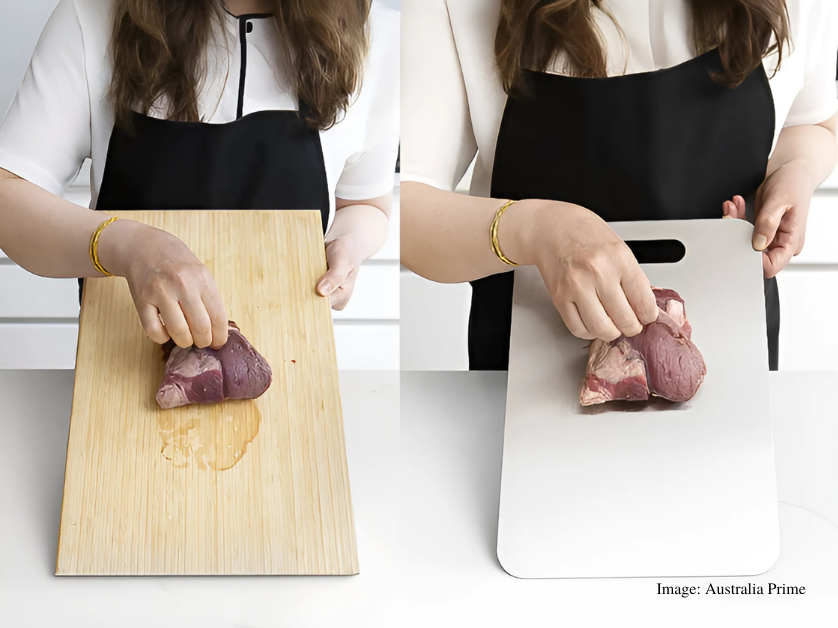
The non-porous nature of titanium means it doesn’t harbor bacteria. After cutting raw meat or fish, you can clean the board easily, and it won’t absorb any liquids or smells. This is important for preventing foodborne illnesses. Many professional kitchens value this quality.
Heat And Chemical Resistance
You can place hot pots, pans, or baking trays directly on titanium boards without causing damage. They also stand up to harsh cleaning chemicals, which is useful in industrial kitchens.
Low Maintenance
Titanium cutting boards don’t need oiling, scrubbing, or careful drying like wood. You can wash them in the dishwasher or with soap and water. They dry quickly and don’t warp.
The Cons Of Titanium Cutting Boards
Not Knife Friendly
The main drawback is the effect on your knives. Titanium is hard, and cutting on it can dull your knife blades quickly. This means you’ll need to sharpen your knives more often. For chefs and home cooks who value sharp knives, this is a big concern.
Cost
Titanium cutting boards are expensive. Prices often start at $150 and can go up to $300 or more. For comparison, a good wooden board costs $30–$60, and plastic boards start around $10. The high price comes from the material and manufacturing process.
Weight And Handling
Titanium is lighter than steel, but a solid titanium board can still be heavy, especially if it’s thick. This makes it less convenient to move or store, especially for people with limited strength.
Surface Texture
Some titanium boards have a smooth, slippery surface. This can make it harder to cut certain foods, especially if you’re slicing something with a tough skin. Others have a textured surface to prevent slipping, but this can scratch easily.

Credit: titancuttingboard.com
Real World Examples And Data
Let’s look at how titanium cutting boards perform in real kitchens.
- In a professional kitchen in Tokyo, chefs reported their titanium board lasted over 5 years without visible wear. However, they needed to sharpen their knives every week.
- Home cooks in Europe found that titanium boards were excellent for hygiene but struggled with cutting soft bread or delicate vegetables, as the surface caused slipping.
- A recent survey by a culinary magazine showed that 70% of chefs preferred wood or plastic for knife protection, even though titanium was favored for cleanliness.
Here’s some data comparing knife dulling rates:
| Cutting Board Material | Knives Sharpened per Year (Average) |
|---|---|
| Titanium | 12 |
| Wood | 4 |
| Plastic | 6 |
| Glass | 14 |
As you can see, titanium boards require more frequent knife sharpening compared to wood and plastic.
Choosing A Titanium Cutting Board: What Matters
If you decide a titanium cutting board is right for you, here’s what you should look for:
- Thickness: Thicker boards are more durable and stable, but heavier.
- Surface texture: Choose a board with a lightly textured surface to prevent slipping.
- Edge design: Rounded edges make the board safer and easier to handle.
- Brand reputation: Buy from brands known for quality, as cheap titanium boards may use inferior alloys.
- Warranty: Look for at least a 5-year warranty.
Common Buyer Mistakes
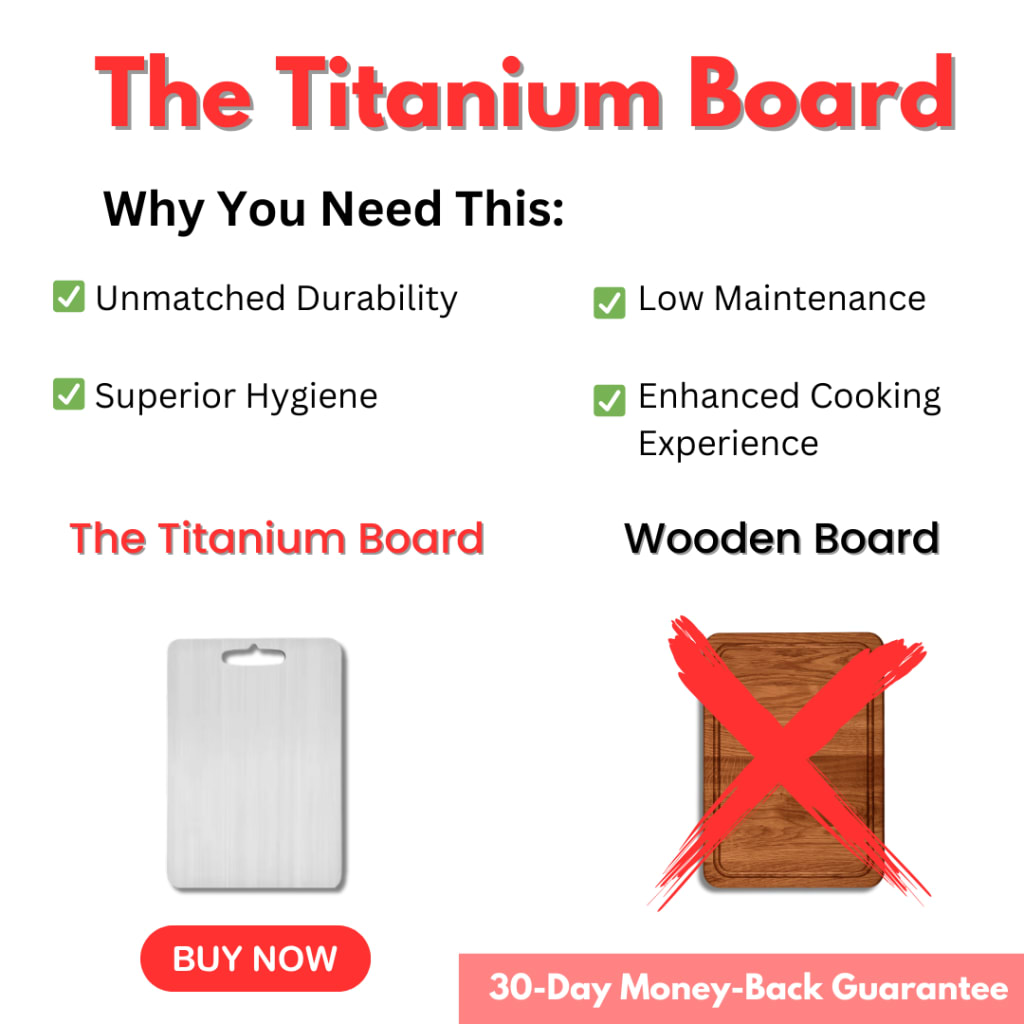
- Choosing the cheapest titanium board: Low-quality boards may bend or have poor surface finishes.
- Ignoring surface texture: A slippery board is hard to use and can be dangerous.
- Not considering knife maintenance: If you don’t want to sharpen knives often, titanium may not be right for you.
Credit: vocal.media
Practical Tips For Using Titanium Cutting Boards
- Use a separate board for slicing bread or delicate foods. Titanium works best for meat, fish, and foods that need extra hygiene.
- Always hand wash after cutting raw meat to avoid cross-contamination.
- Use softer knives (like stainless steel) for everyday tasks to reduce blade wear.
- Store your board in a dry area; titanium resists rust, but keeping it dry helps maintain its finish.
- Avoid using ceramic knives on titanium, as both materials are hard and can damage each other.
You might find this helpful: Best Titanium Cutting Boards
Are Titanium Cutting Boards Good For Professional Kitchens?
Titanium cutting boards are popular in some professional kitchens, especially where hygiene is a top priority. The non-porous surface and easy cleaning make them ideal for handling raw meat, fish, and foods that require strict cleanliness.
However, many chefs still prefer wood or plastic for prep work, especially when knife sharpness is critical. Some kitchens use titanium boards only for specific tasks, such as sushi preparation, where hygiene matters more than knife wear.
Here’s a quick comparison of board use in professional kitchens:
| Board Material | Common Kitchen Use |
|---|---|
| Titanium | Meat, fish, high-hygiene tasks |
| Wood | Vegetables, bread, general prep |
| Plastic | General prep, color-coded tasks |
| Glass | Pastry, cold foods |
Non-obvious Insights Most Beginners Miss
- Titanium doesn’t self-heal: Unlike wood, which can “heal” small cuts with moisture, titanium keeps every scratch. Over time, the board can look worn even if it’s still usable.
- All titanium is not equal: Some boards are made from “titanium-coated” steel. These are cheaper but don’t offer true titanium benefits. Always check if the board is solid titanium.
Is A Titanium Cutting Board Right For You?
Titanium cutting boards are best for people who value hygiene, longevity, and easy cleaning. They are less ideal for those who care most about knife sharpness or who want a light, affordable board. If you cook a lot of meat or fish and don’t mind sharpening your knives, titanium can be a good choice. But for everyday slicing and chopping, wood or plastic may be more practical.
For the latest research on food safety and cutting board materials, you can visit Wikipedia.
Credit: cookingpanda.com
Frequently Asked Questions
Are Titanium Cutting Boards Safe For Food?
Yes, titanium is food-safe and used in medical devices. It doesn’t leach chemicals or react with foods.
Do Titanium Cutting Boards Dull Knives?
Titanium boards are harder than most knife steels, so they dull knives faster than wood or plastic. Frequent sharpening is needed.
How Do I Clean A Titanium Cutting Board?
You can wash titanium boards in the dishwasher or with soap and water. Avoid abrasive cleaners, as they can scratch the surface.
Are Titanium Cutting Boards Worth The Price?
If you want durability, hygiene, and a board that lasts for years, titanium can be worth it. But consider knife maintenance and cost before buying.
What Is The Difference Between Solid Titanium And Titanium-coated Boards?
Solid titanium boards offer full durability and hygiene benefits. Titanium-coated boards are usually cheaper but may chip or lose their coating, reducing performance.
Titanium cutting boards are an impressive innovation, but they aren’t perfect. Understanding their strengths and weaknesses helps you make a smart choice for your kitchen. If hygiene and durability matter most to you, titanium is a solid option. If knife care and price are your top concerns, stick with wood or plastic.
The best board is the one that fits your cooking style and priorities.