Skip to content
Sous vide cooking has quickly become a favorite method for both home cooks and professional chefs. It’s not just a trend—this technique delivers consistent, restaurant-quality results that are hard to match with traditional cooking. If you’re wondering whether sous vide is worth the investment, or you’re curious how it can change the way you cook, you’ll find the answers here.
Let’s explore the real benefits, practical examples, and the science behind sous vide.
What Is Sous Vide Cooking?
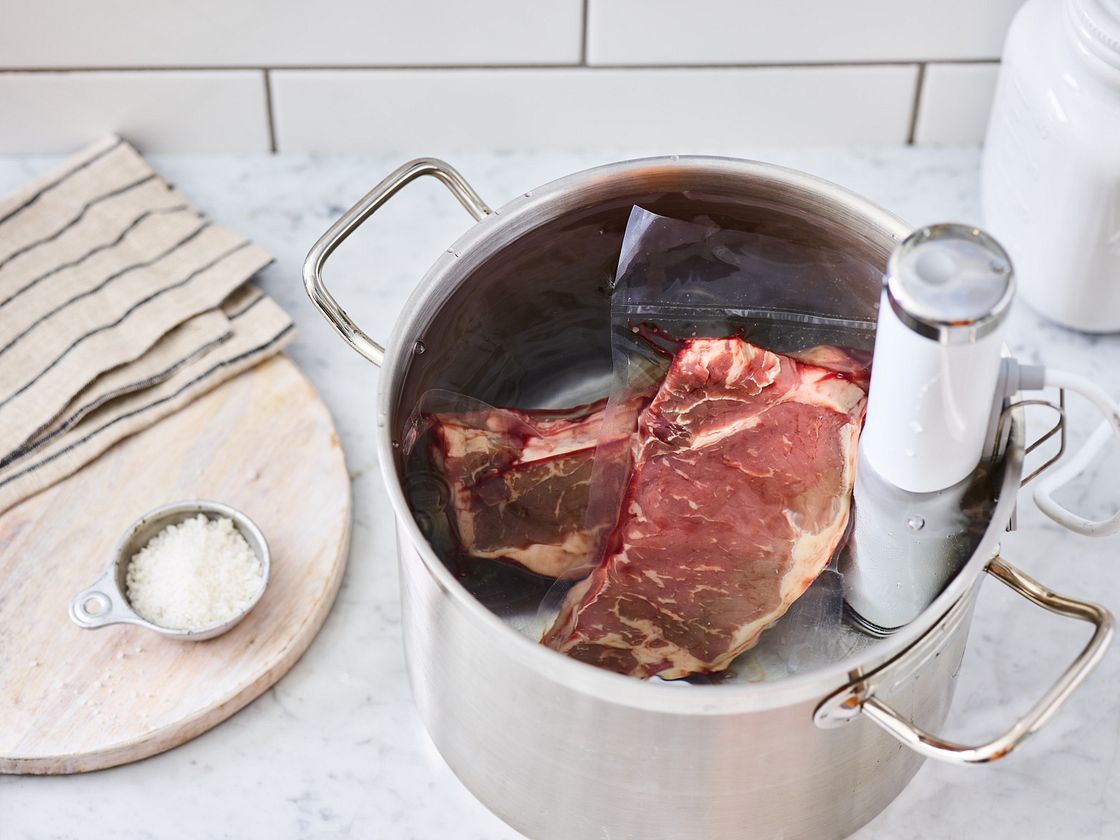
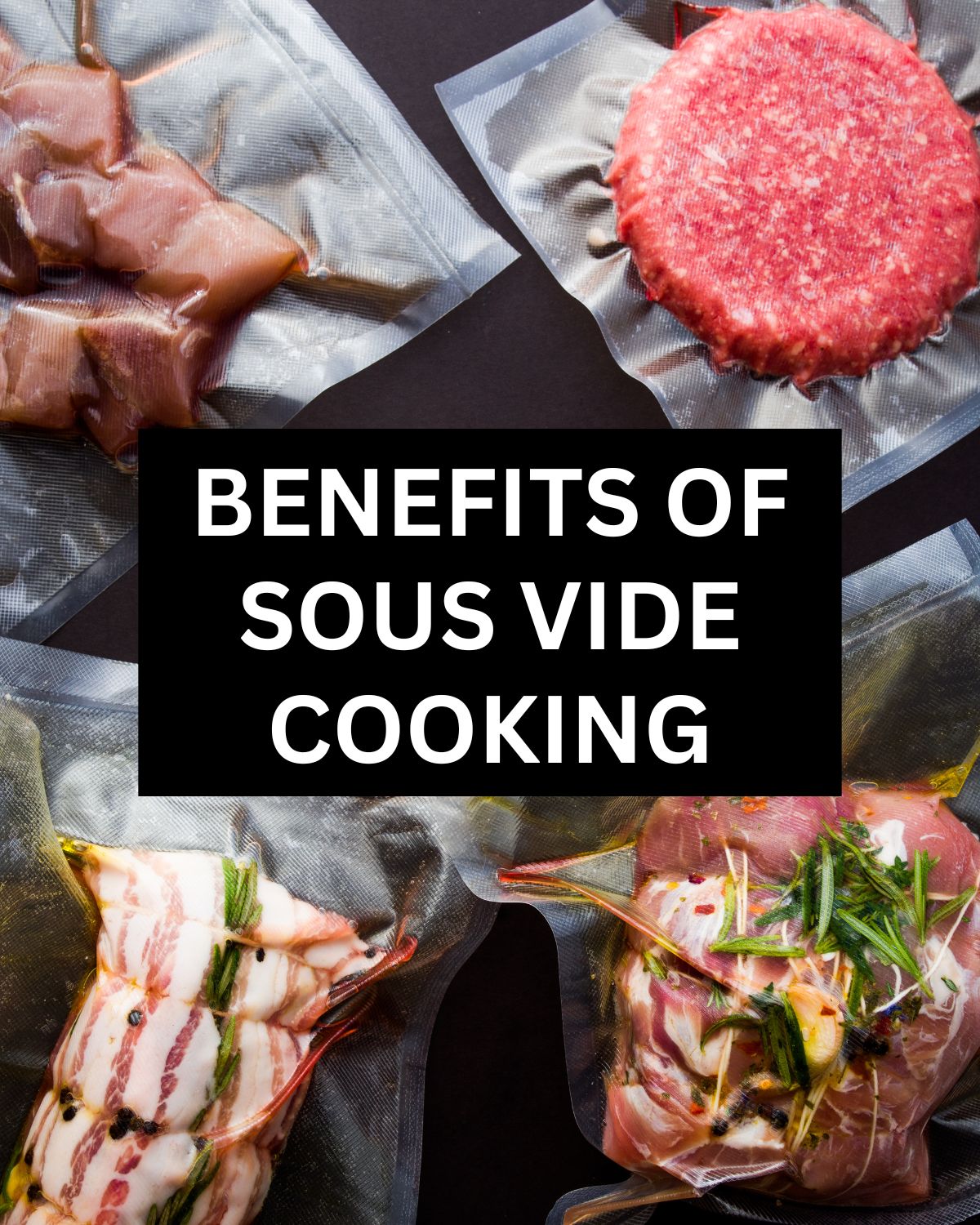
Sous vide, which means “under vacuum” in French, is a method where food is sealed in airtight bags and cooked in a water bath at precise temperatures. The temperature is usually much lower than traditional methods, but it stays constant.
This careful control gives you results that are hard to achieve in an oven or on the stove.
Many people use a sous vide immersion circulator—a device that heats and circulates water in a pot, keeping it at exactly the right temperature. You set the temperature, seal the food, and let the machine do the work.
Precision And Consistency
One of the biggest advantages of sous vide is its precision. Unlike frying or baking, where heat can be uneven, sous vide keeps the water at a steady temperature. This means your food cooks evenly from edge to edge, with no risk of burning or undercooking.
For example, if you cook a steak at 135°F (57°C) using sous vide, it will be exactly medium-rare throughout. There’s no guessing, and you never have to worry about overcooking the outside while the inside stays raw.
Here’s a simple comparison of steak doneness using different methods:
| Cooking Method | Internal Temperature Control | Edge-to-Edge Doneness |
|---|---|---|
| Grilling | Low | No |
| Pan-searing | Low | No |
| Sous Vide | High | Yes |
Enhanced Flavor And Juiciness
When food is cooked sous vide, it’s sealed in a bag. This prevents moisture and flavor from escaping. Meat, fish, and even vegetables turn out juicier and more flavorful because they’re cooked in their own juices.
A chicken breast cooked at 150°F (65°C) for 90 minutes stays moist and tender, compared to oven-baking, which often dries out the meat. Vegetables, like carrots or asparagus, retain their color and taste without losing nutrients.
Why Is Juiciness So Improved?
Traditional methods expose food to air and high heat, which dries it out. Sous vide, by contrast:
- Prevents evaporation
- Keeps juices inside the bag
- Allows flavors to infuse deeply
This is especially useful for lean cuts of meat, which are prone to drying out.
Perfect Results Every Time
Because sous vide is so reliable, you can achieve results that are hard to match with other methods. There’s less risk of error, so even beginners can cook restaurant-quality meals.
For instance:
- Eggs at 145°F (63°C) for 45 minutes turn out creamy and rich—no guesswork.
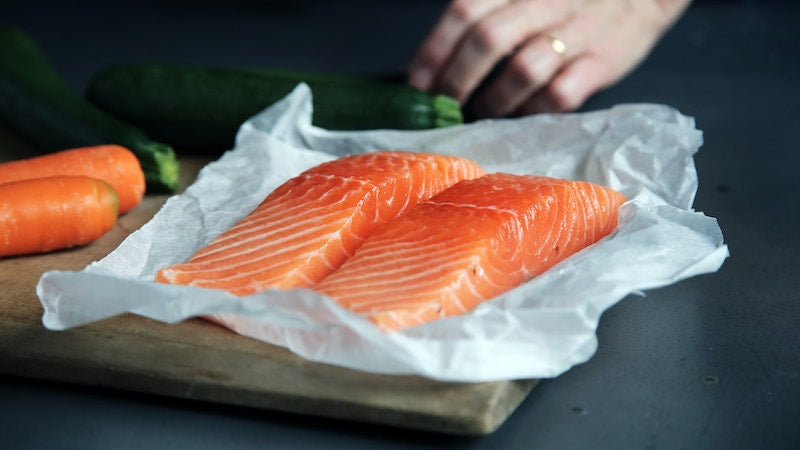
- Salmon at 120°F (49°C) for 30–45 minutes is silky and moist, never chalky.
You don’t have to stand by the stove watching. Set the temperature, put the food in, and walk away. Many sous vide machines even connect to apps, letting you monitor progress remotely.
Health Benefits
Sous vide can make your meals healthier in several ways:
- Less fat needed: Because food cooks in its own juices, you don’t need oil or butter. This reduces calories without sacrificing taste.
- Better nutrient retention: Sealing food in a bag helps keep vitamins and minerals from escaping into water or air.
- Safer cooking: Sous vide can pasteurize food at lower temperatures, killing bacteria without overcooking.
A study published in the Journal of Food Science found sous vide carrots had 24% more vitamin C than boiled carrots. That’s a big difference for those who care about nutrition.
Flexibility And Convenience
Sous vide cooking is surprisingly flexible. If you’re busy, you can start dinner in the morning and finish it hours later. Most foods won’t overcook, even if you leave them in the bath longer than needed.
Let’s look at how sous vide compares to other methods for convenience:
| Cooking Method | Active Time Needed | Risk of Overcooking | Meal Prep Friendly |
|---|---|---|---|
| Oven Roasting | High | High | Medium |
| Stovetop | High | High | Low |
| Sous Vide | Low | Low | High |
Credit: anovaculinary.com
Sous Vide For Different Foods
Sous vide isn’t just for steak. It works well for many foods:
- Chicken and turkey: Always moist, never rubbery.
- Fish and seafood: Gentle cooking preserves texture.
- Vegetables: Retain color, taste, and nutrients.
- Eggs: Precise control for soft-boiled, poached, or custard-style eggs.
- Desserts: Custards, cheesecakes, and even yogurt.
Here’s an example of how sous vide shines with vegetables. Traditional boiling can leach flavor and color, but sous vide cooked carrots at 183°F (84°C) for 1 hour are sweet, tender, and bright orange.
Less Waste And More Savings
Because sous vide delivers consistent results, you waste less food. If you buy expensive steaks or seafood, sous vide helps you cook them perfectly every time. No more dry chicken or chewy fish that ends up in the trash.
Also, sous vide is great for meal prep. You can cook several portions at once, chill them, and reheat without losing quality. This saves time and money.
Advanced Cooking Techniques
Professional chefs use sous vide for advanced dishes. They can cook tough cuts of meat for hours, breaking down collagen without drying out the meat. For example, short ribs cooked at 144°F (62°C) for 48 hours become tender and flavorful.
You can also try:
- Infusions: Make flavored oils, syrups, or cocktails by heating ingredients together.
- Fermentation: Yogurt and crème fraîche can be cultured at precise temperatures.
Even if you’re a beginner, sous vide lets you explore these advanced ideas with confidence.
Sous Vide Equipment And Accessibility
Sous vide used to be expensive, but now machines are affordable. Most home circulators cost between $60 and $200. A vacuum sealer is helpful but not essential—many people use simple zipper bags with the “water displacement” method.
Here’s a quick comparison of sous vide tools:
| Equipment | Cost Range | Ease of Use | Recommended For |
|---|---|---|---|
| Immersion Circulator | $60–$200 | Easy | Home cooks |
| Vacuum Sealer | $40–$120 | Easy | Meal prepping |
| Chamber Sealer | $700+ | Moderate | Professional kitchens |
| Zipper Bag + Water | $3–$10 | Very easy | Beginners |
If you’re just starting, you don’t need expensive gear. A basic circulator and some bags are enough to try sous vide and see the benefits for yourself.
Common Mistakes And How To Avoid Them
Even though sous vide is simple, there are some mistakes beginners make:
- Setting the wrong temperature: Always double-check recipes. Different foods need different temperatures.
- Not sealing the bag properly: Air in the bag can cause uneven cooking. Use the water displacement method if you don’t have a vacuum sealer.
- Skipping the finishing step: Most meats need a quick sear after sous vide to add flavor and texture.
- Leaving food too long: While sous vide is forgiving, some foods, like fish, can become mushy if left in the bath too long.
A non-obvious tip: If you’re cooking vegetables, don’t forget salt. Salt helps draw out moisture and enhance flavor during sous vide.
Real-world Examples
Sous vide is used in restaurants around the world. Famous chefs like Thomas Keller and Heston Blumenthal rely on it for perfect results. Home cooks are also sharing their success stories:
- A mother with picky kids found sous vide chicken was always juicy and easy to reheat.
- A busy professional preps a week’s worth of meals in one afternoon, using sous vide for chicken, salmon, and eggs.
- A retiree enjoys experimenting with sous vide vegetables and desserts, finding new flavors every week.
These stories show sous vide isn’t just for experts—it’s practical for anyone who wants better food.
Credit: www.beefitswhatsfordinner.com
Environmental Impact
Sous vide uses less energy than ovens or stovetops. The water bath is insulated and keeps heat stable, so you don’t waste electricity. Also, less wasted food means a smaller environmental footprint.
However, the plastic bags used can be a concern. Many companies now offer reusable silicone bags or recyclable options. If you use sous vide regularly, consider switching to eco-friendly bags.
The Science Behind Sous Vide
Sous vide works because of precision heat transfer. Water surrounds the food and transfers heat gently and evenly. This prevents overcooking, preserves flavor, and ensures safety.
For example, pasteurization can happen at lower temperatures if held longer. Chicken cooked at 150°F (65°C) for 1 hour is safe, tender, and juicy—much better than the dry results from higher heat.
You can read more about the science behind sous vide at Wikipedia.
Credit: www.wenthere8this.com
Is Sous Vide Worth It?
If you value consistency, flavor, and ease, sous vide is a smart investment. It makes cooking less stressful and more enjoyable. You don’t need special skills—just a willingness to try something new.
Even small improvements can make a big difference. Imagine always having perfect steak, moist chicken, or tender vegetables. That’s what sous vide offers.
Frequently Asked Questions
What Foods Are Best For Sous Vide Cooking?
Sous vide works well with meats like steak, chicken, and fish, as well as vegetables, eggs, and desserts. Tough cuts of meat, such as short ribs and pork shoulder, become tender after long sous vide cooking.
Do I Need A Vacuum Sealer To Cook Sous Vide?
No, a vacuum sealer is helpful but not required. You can use zipper bags and the water displacement method, which pushes air out as you lower the bag into water.
Is Sous Vide Safe For Cooking?
Yes, sous vide is safe if you follow correct temperatures and times. It can pasteurize food and kill bacteria at lower temperatures than traditional methods. Always check reliable sources for recommended cooking times.
Can I Overcook Food With Sous Vide?
It’s hard to overcook with sous vide, but some foods can become mushy if left in too long. Fish and vegetables are more sensitive, so stick to recommended times.
Does Sous Vide Use A Lot Of Energy?
Sous vide machines use less energy than ovens or stovetops. The water bath is insulated and maintains temperature efficiently. This makes sous vide an eco-friendly option for many kitchens.
Sous vide cooking brings precision, flavor, and convenience to your kitchen. Whether you’re a beginner or a seasoned chef, this method unlocks new possibilities and makes every meal better. Give it a try and experience the difference for yourself.