Skip to content
Brewing coffee with a moka pot is a ritual for many coffee lovers. This simple stovetop device creates a strong, rich coffee that sits somewhere between espresso and regular drip. But one detail makes a big difference—the grind size of your coffee beans.
Choosing the right grind size for your moka pot isn’t just about taste; it affects how your coffee brews, how it feels in your mouth, and even the safety of your equipment. If you’ve ever struggled with bitter coffee, weak flavor, or sputtering moka pots, this guide will help you get it right.
Let’s explore how grind size impacts your cup, how to choose the best grind, and how to avoid common mistakes.
Why Grind Size Matters For Moka Pots
The moka pot uses pressure to push hot water through coffee grounds. It’s not as powerful as an espresso machine, but it’s stronger than a drip brewer. The grind size controls how quickly water travels through the coffee and how much flavor it pulls out. If the grind is too fine, the water struggles and builds up pressure, sometimes causing a bitter, over-extracted taste—or even a dangerous clog. If the grind is too coarse, the water flows too fast, making weak coffee with little flavor.
The right grind size is important because:
- It affects extraction—how much flavor, aroma, and body you get
- It influences pressure inside the moka pot
- It changes the mouthfeel of your coffee
- It helps avoid safety risks like blockages
One non-obvious insight: moka pots do not handle fine espresso grinds well, despite their espresso reputation. Many beginners assume you should use the same grind as espresso, but that often leads to over-extraction and bitter results.
Understanding Coffee Grind Sizes
Coffee grind sizes range from very fine to very coarse. The shape, size, and texture of the grind affect how the water interacts with the coffee. Here’s a quick overview:
| Grind Size | Texture | Common Use |
|---|---|---|
| Extra Fine | Powdery, like flour | Turkish coffee |
| Fine | Like table salt | Espresso |
| Medium-Fine | Slightly gritty, like sand | Moka pot |
| Medium | Like beach sand | Drip coffee |
| Coarse | Chunky, like rock salt | French press |
For moka pots, you want a grind size between fine and medium—often called medium-fine. This grind is gritty, not powdery, and lets water flow smoothly while still extracting enough flavor.
Finding The Best Grind Size For Moka Pot
The ideal grind for a moka pot is medium-fine. Think of the texture as a bit finer than sand, but not as fine as table salt. Here’s why this grind works:
- It balances extraction and pressure: Water passes through at the right speed, pulling out bold flavors without becoming bitter.
- It avoids clogging: Fine espresso grinds can block the filter, causing excess pressure and sometimes damage.
- It creates a rich, smooth coffee: You get a full-bodied cup without harsh bitterness.
Here’s a comparison to help visualize:
| Grind Type | Result in Moka Pot | Recommended? |
|---|---|---|
| Fine (espresso) | Bitter, over-extracted, risk of clogging | No |
| Medium-fine | Balanced flavor, strong, smooth | Yes |
| Medium | Weak, under-extracted | No |
One tip: If you use pre-ground coffee, check the label. Most “espresso” blends are too fine for moka pots. Look for “moka grind” or grind your own beans.
How To Grind Coffee For A Moka Pot
Grinding your own beans gives you control over freshness and grind size. Use a burr grinder for the most consistent results. Blade grinders can work, but they often create uneven grinds, which lead to mixed extraction.
Steps to grind your coffee:
- Set your burr grinder to a medium-fine setting. If your grinder has numbers, aim for a setting between espresso and drip.
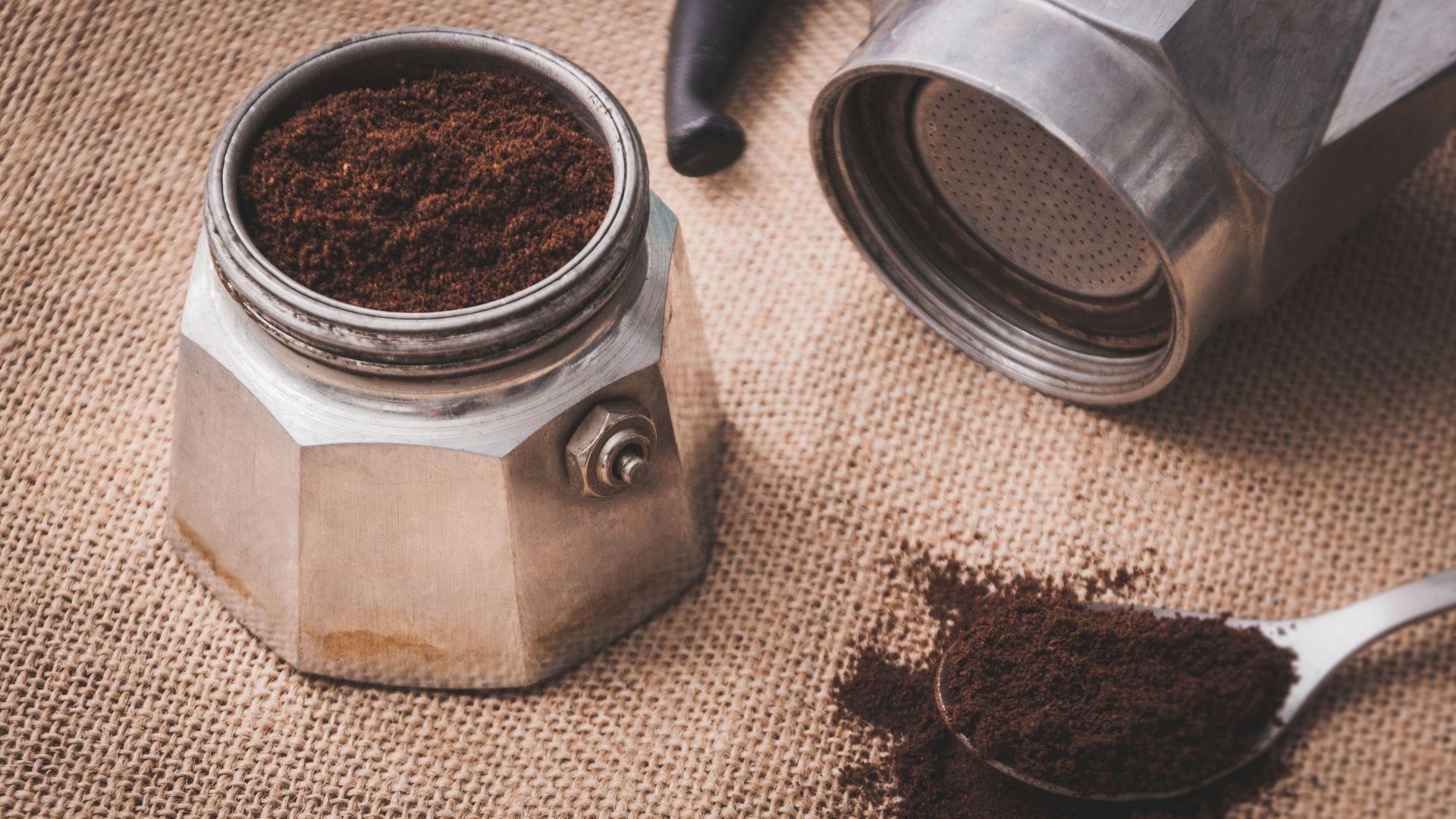
- Check the texture: It should feel gritty, like sand—neither powdery nor chunky.
- Measure your coffee: For a standard 6-cup moka pot, use about 20–22 grams (about 3–4 tablespoons) of ground coffee.
- Fill the filter basket: Level the grounds without packing them down. Packing (tamping) is for espresso machines, not moka pots.
An extra insight: If your coffee tastes sour or weak, try a slightly finer grind. If it tastes bitter or you see pressure buildup, go a bit coarser.
Credit: aerialresupplycoffee.com
Adjusting Grind Size Based On Bean Type
Different coffee beans react differently to grind size. Light roast beans often need a slightly finer grind, while dark roasts can handle a bit coarser. This is because light roasts are denser and need more extraction, while dark roasts release flavor more easily.
Light Roast Beans
- Try a medium-fine grind, maybe a touch finer if your coffee tastes weak.
- Watch for sour notes—if you taste them, go finer.
Dark Roast Beans
- Start with medium-fine, but you can use a slightly coarser grind if you notice bitterness.
- Dark roasts tend to extract fast, so avoid going too fine.
A practical tip: Experiment with small batches. Make a cup, adjust the grind, and note the flavor.
Common Mistakes With Moka Pot Grind Size
Many beginners make mistakes that ruin their coffee or damage their moka pot. Here are the most frequent ones:
- Using espresso grind: This is too fine and causes over-extraction and clogging.
- Packing the grounds: Tamping compresses the coffee, blocking water flow.
- Using uneven grind: Blade grinders often create chunks and dust, leading to poor extraction.
- Not adjusting for freshness: Fresh beans may need a finer grind; older beans sometimes need a coarser grind.
One overlooked mistake: ignoring water temperature. If your grind is right but your coffee tastes burnt, check your heat—don’t use high flame.
How Grind Size Affects Flavor And Strength
Your grind size changes the taste and strength of moka pot coffee. Here’s how:
- Finer grind: More surface area, stronger extraction, fuller flavor—but risk of bitterness.
- Coarser grind: Less extraction, milder flavor, sometimes sour or weak.
If you want stronger coffee, try a slightly finer grind, but be careful. Too fine, and you’ll get a burnt, harsh taste.
A non-obvious insight: For a creamier mouthfeel, use fresher beans and a consistent medium-fine grind. Older beans and uneven grinds produce thin, flat coffee.
Comparing Moka Pot Grind Size To Other Brewing Methods
It helps to see how moka pot grind size compares to other methods. Here’s a quick reference:
| Brewing Method | Optimal Grind Size | Texture |
|---|---|---|
| Espresso | Fine | Like table salt |
| Moka Pot | Medium-fine | Like sand |
| Drip | Medium | Beach sand |
| French Press | Coarse | Rock salt |
If you switch from drip or French press, remember to adjust your grinder.
You might find this helpful: Best Burr Coffee Grinder Under $100
Safety Concerns: Why Grind Size Matters
Safety is often overlooked. Too fine a grind can block the filter, causing pressure to build up. While moka pots have safety valves, repeated clogs can wear them out or even cause a burst.
A key tip: Always check the filter and safety valve before brewing. Clean them regularly, especially if you’ve used a fine grind by mistake.
Practical Tips For Perfect Moka Pot Coffee
- Use medium-fine grind for best results.
- Don’t pack the coffee—just level it.
- Grind fresh beans for better flavor.
- Adjust grind based on roast and freshness.
- Clean your moka pot often to avoid clogs.
- Use filtered water for a cleaner taste.
If you want more details on coffee brewing science, visit Wikipedia: Coffee Preparation.

Credit: www.equalnationalityrights.org
Frequently Asked Questions
What Is The Best Grind Size For A Moka Pot?
The best grind size for a moka pot is medium-fine. It’s gritty like sand, not powdery like espresso. This lets water flow smoothly and extracts bold flavor.
Can I Use Espresso Grind In A Moka Pot?
It’s not recommended. Espresso grind is too fine and can cause bitter coffee and clogging. Use medium-fine instead.
How Much Coffee Should I Use In A Moka Pot?
For a standard 6-cup moka pot, use about 20–22 grams of ground coffee (about 3–4 tablespoons). Fill the filter basket without packing.
Why Does My Moka Pot Coffee Taste Bitter?
Bitterness often comes from too fine a grind or overheating. Try a coarser grind and lower your heat. Make sure you don’t pack the grounds.
What Grinder Is Best For Moka Pot Coffee?
A burr grinder is best. It gives consistent medium-fine grounds. Blade grinders can work, but often create uneven results.
Brewing coffee in a moka pot is a balance between grind size, freshness, and technique. With a medium-fine grind, you can create a rich, satisfying cup every time. Experiment, adjust, and enjoy your coffee journey.