Skip to content
Coffee lovers know the value of a great cup, but many miss a key detail: their coffee grinder. This simple machine plays a big part in taste, aroma, and freshness. But how often should you clean it? If you ignore cleaning, old coffee oils and grounds can spoil your brew. Cleaning too often may waste time, but too little can lead to bitter flavors, stuck parts, or even mold. Understanding the right schedule—and how to do it—is crucial for anyone who cares about their coffee.
Why Cleaning Your Coffee Grinder Matters
A clean grinder is not just about looks. Coffee grounds and oils stick to the grinder’s parts. Over time, these leftovers can turn stale, grow bacteria, or even mold. When you grind fresh beans, the old bits mix in. This can change the taste, making it bitter or musty.
Also, coffee oils can build up and clog the grinder. This makes it harder to grind beans evenly. If you use different beans—like light and dark roasts—old flavors can mix with new ones. Cleaning removes all these risks, so every cup tastes fresh.
How Often Should You Clean A Coffee Grinder?
There is no single answer. It depends on how often you use your grinder and what kind you have.
| Usage Frequency | Recommended Cleaning Schedule |
|---|---|
| Daily (Heavy Use) | Quick clean after each use, deep clean weekly |
| Several times a week | Quick clean after each use, deep clean every 2 weeks |
| Once a week or less | Quick clean after use, deep clean monthly |
Most experts suggest a quick clean after every use and a deep clean once a week for heavy users. If you only grind beans once or twice a week, a deep clean every 2–4 weeks is usually enough. If you switch between types of beans (like flavored, decaf, or regular), clean more often.
Differences Between Blade And Burr Grinders
Not all grinders are the same. The two main types are blade grinders and burr grinders.
| Grinder Type | Cleaning Difficulty | Oil Retention | Flavor Transfer Risk |
|---|---|---|---|
| Blade | Easy | Low | Medium |
| Burr | Moderate | High | High |
Blade grinders are simple. They use a spinning blade to chop beans. They are easy to clean, but may hold fewer oils. Burr grinders have two grinding surfaces. They produce better, more even grounds, but the design traps more oils and bits. Burr grinders need deeper cleaning.
Signs Your Grinder Needs Cleaning
Sometimes, your grinder tells you it’s time for a clean. Watch for these signs:
- Odd smells: If your grinder smells musty or stale, oils and old grounds are stuck.
- Change in flavor: Coffee tastes bitter, or different from usual.
- Slow grinding: Grinder works slower or jams.
- Visible buildup: Grounds or oils stick to parts, especially burrs or blades.
- Different beans: After switching beans, flavors mix.
If you notice any of these, clean your grinder right away. Waiting only makes it worse.
Step-by-step: How To Clean A Coffee Grinder
Cleaning is not hard, but it must be done right. Here are clear steps for both blade and burr grinders.
Cleaning A Blade Grinder
- Unplug the grinder.
- Remove loose grounds: Turn upside down, tap gently.
- Wipe with dry cloth: Use a soft cloth to remove dust.
- Grind rice: Pour 1/4 cup uncooked rice, run grinder for 30 seconds. Rice absorbs oils.
- Empty and wipe: Remove rice, wipe again.
- Clean lid and outside: Use damp cloth, dry fully.
Cleaning A Burr Grinder
- Unplug the grinder.
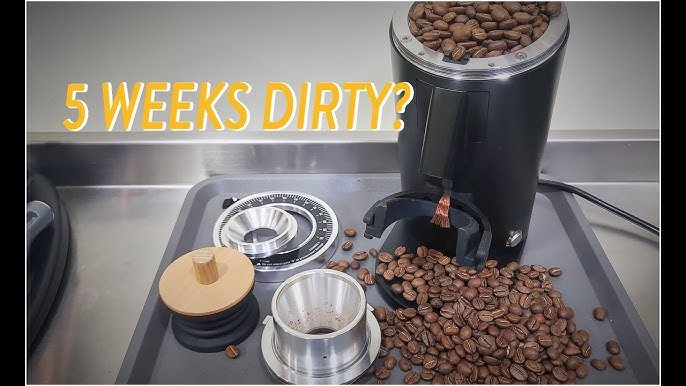
- Remove hopper and burrs: Most burrs twist out. Check your manual.
- Brush loose grounds: Use a soft brush or toothbrush.
- Wipe burrs: Use dry cloth. Avoid water unless manual allows.
- Clean hopper: Wash with warm, soapy water. Dry fully.
- Reassemble: Make sure all parts are dry.
For deeper cleaning, some burr grinders allow removal of more parts. Always check your manual. Never use water on electrical parts.
Deep Cleaning Vs Quick Cleaning
Quick cleaning removes loose grounds and prevents buildup. Deep cleaning removes oils and stuck bits.
Quick Cleaning
- Takes 2–5 minutes.
- Done after each use.
- Involves wiping, tapping, brushing.
Deep Cleaning
- Takes 10–30 minutes.
- Done weekly or monthly.
- Involves disassembling, rice method, washing removable parts.
| Cleaning Type | Frequency | Time Needed | Main Purpose |
|---|---|---|---|
| Quick Clean | After each use | 2–5 minutes | Remove loose grounds |
| Deep Clean | Weekly/Monthly | 10–30 minutes | Remove oils and buildup |
Common Mistakes When Cleaning A Coffee Grinder
Many people make mistakes when cleaning grinders. Avoid these to keep your grinder safe and working well.
- Using water on electrical parts: Water can damage motors or cause rust.
- Not drying parts fully: Wet parts can cause mold.
- Skipping deep cleaning: Only quick cleaning leaves oils.
- Using harsh chemicals: Chemicals can harm the grinder and leave bad smells.
- Ignoring the manual: Not all grinders allow washing or removal of parts.
A non-obvious mistake is forgetting to clean the grinder after using flavored coffee beans. Flavored beans leave sticky oils. These can spoil future brews or even damage burrs over time.
Practical Tips For Maintaining Your Grinder
To keep your grinder lasting longer and your coffee tasting great:
- Store beans dry: Wet beans increase oil buildup.
- Use a brush: A dedicated brush reaches tight spots.
- Rotate beans: Using different beans means more frequent cleaning.
- Keep grinder dry: Moisture is a big enemy.
- Check manual: Some grinders need special care.
One overlooked tip: Consider grinder cleaning tablets. These are made for burr grinders. They absorb oils and help keep burrs clean. But always use them as directed.
How Cleanliness Affects Coffee Taste
Many people underestimate how much cleanliness changes coffee taste. Fresh beans have complex flavors. Old oils and grounds can mask these flavors. They add bitterness, sourness, or even a moldy taste.
If you clean your grinder regularly, you’ll notice:
- Brighter flavors
- More aroma
- Consistent taste
Data shows that grinders with old buildup lose up to 30% of aroma after a week. This means your coffee will smell and taste weaker. Even a quick clean can restore freshness.
Grinder Brands And Cleaning Needs
Some brands need more cleaning than others. For example:
- Baratza burr grinders have removable burrs, easy to clean.
- Krups blade grinders are simple and quick.
- Breville burr grinders have more parts, need more frequent deep cleaning.
Always check your manual for your brand. Some brands offer cleaning kits or special brushes.

Credit: iamzchef.com
How To Clean A Grinder Used For Spices
If you use your coffee grinder for spices (like pepper, cinnamon, or nutmeg), clean after every use. Spices leave strong smells and oils. Grinding coffee after spices will mix flavors. The rice method is especially useful here.
Environmental And Health Benefits
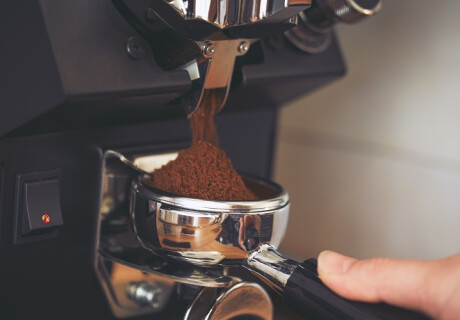
Cleaning your grinder is not just for taste. It also helps your health. Old grounds can grow bacteria or mold, especially in humid places. These can cause stomach problems or allergies. By cleaning often, you avoid these risks.
Also, a clean grinder lasts longer. Less buildup means less wear on parts. This reduces waste and saves money.
Credit: cmsale.com
When To Replace Your Grinder
Sometimes, cleaning is not enough. If burrs or blades are worn out, or if parts are cracked, it may be time for a new grinder. Most grinders last 3–5 years with regular cleaning. If you notice metal shavings, strange noises, or if cleaning does not fix taste problems, consider replacing.
Comparing Cleaning Methods: Rice Vs Cleaning Tablets
There are two main methods for deep cleaning: the rice method and cleaning tablets.
| Method | Works For | Effectiveness | Ease of Use | Cost |
|---|---|---|---|---|
| Rice | Blade & Burr | Good for oil removal | Easy | Low |
| Cleaning Tablets | Burr | Excellent for deep clean | Easy | Medium |
Rice is cheap and absorbs oils well. Cleaning tablets are made for grinders and clean deeply but cost more. Both methods are safe if used correctly.
For more details on coffee grinder cleaning, see this guide: Serious Eats.
Credit: www.youtube.com
Frequently Asked Questions
How Do I Know If My Grinder Needs Cleaning?
If your coffee tastes odd, smells musty, or you see stuck grounds or oils, it’s time to clean. Also, if you switch beans or use flavored coffee, clean more often.
Can I Use Water To Clean My Grinder?
You can use water for removable parts like the hopper or burrs if the manual allows. Never use water on electrical parts or inside the motor.
What Is The Rice Cleaning Method?
Grinding uncooked rice removes stuck oils and grounds. Use about 1/4 cup, grind, then wipe clean. This is safe for most grinders, but check your manual first.
Do Cleaning Tablets Really Work?
Yes, cleaning tablets are made for burr grinders. They absorb oils and clean burrs well. They are easy to use but cost more than rice.
How Often Should I Deep Clean My Grinder If I Use It Daily?
If you grind coffee every day, deep clean your grinder once a week. Quick clean after each use for best results.
Regular cleaning is the secret to better coffee, longer grinder life, and a healthier brewing setup. It takes only a few minutes, but the rewards last for years. If you follow these steps and schedules, your coffee will always taste as fresh as possible.