Pets bring joy, but their hair can quickly cover floors and make cleaning harder. If you have dogs or cats, you know that regular sweeping often misses fine hair, and vacuuming sometimes leaves stubborn strands behind. Many pet owners struggle to find the best way to mop floors that removes pet hair efficiently.
This article will guide you through the most effective mopping technique for pet hair removal, including tools, steps, and tips that actually work. Whether you live in a small apartment or a large house, you’ll discover practical advice that makes pet hair less of a challenge.
Why Pet Hair Is So Difficult To Remove
Pet hair tends to stick to surfaces and hides in corners or under furniture. It often clings to rough textures, mixes with dust, and even gets trapped in grout lines. Traditional mops can push hair around instead of picking it up.
Plus, when pet hair gets wet, it sometimes forms clumps that are hard to remove. Understanding these challenges helps you choose the right method and tools.
How Pet Hair Behaves On Different Floors
Pet hair acts differently on each flooring type. On wood floors, it slides and collects in seams. On tile, it may get caught in grout. Laminate and vinyl often let hair accumulate along edges. Carpets trap hair deep inside fibers, but for mopping, we focus on hard surfaces.
Essential Tools For Mopping Pet Hair
The right tools make a big difference. Not every mop is equal, and some cleaning products help more than others.
Types Of Mops For Pet Hair
Here’s a comparison of popular mop types for pet hair removal:
| Mop Type | Effectiveness | Best For | Difficulty |
|---|---|---|---|
| Microfiber Mop | High | All hard floors | Easy |
| Sponge Mop | Medium | Tile, vinyl | Moderate |
| Steam Mop | Medium | Sealed floors | Easy |
| Traditional String Mop | Low | Large areas | Difficult |
Microfiber mops are the top choice. Their fibers catch pet hair, dust, and even small particles. They’re gentle on floors, washable, and reusable. Sponge mops can pick up hair but may leave streaks. Steam mops sanitize, but aren’t ideal for heavy pet hair. String mops are less effective—they often push hair instead of collecting it.
Additional Tools
- Vacuum with hard floor attachment: Use before mopping to reduce hair buildup.
- Rubber broom: Useful for gathering pet hair, especially before wet mopping.
- Lint rollers: Great for small spots or furniture, but not for floors.
Many beginners miss the value of using a dry microfiber mop before wet mopping. This extra step can double your results.
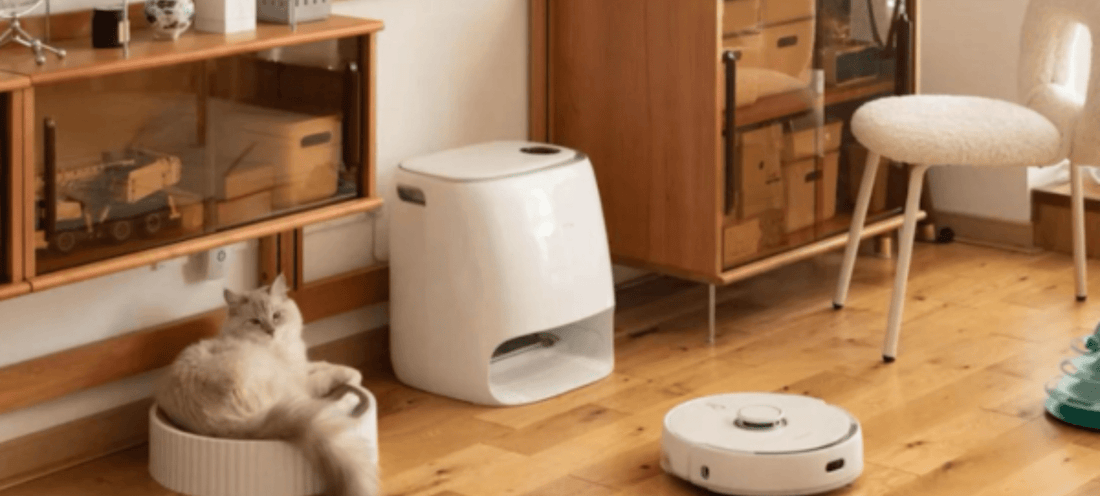
Credit: us.narwal.com
Best Mopping Technique For Pet Hair Removal
Let’s walk through the best technique step by step. This method works on most hard floors and is designed to maximize pet hair pickup.
Step 1: Prepare The Area
Move chairs, rugs, and pet toys out of the way. Pick up larger debris so the mop can reach every spot. If you have heavy pet hair, use a vacuum or rubber broom first. This removes loose hair and makes mopping easier.
Step 2: Dry Mopping
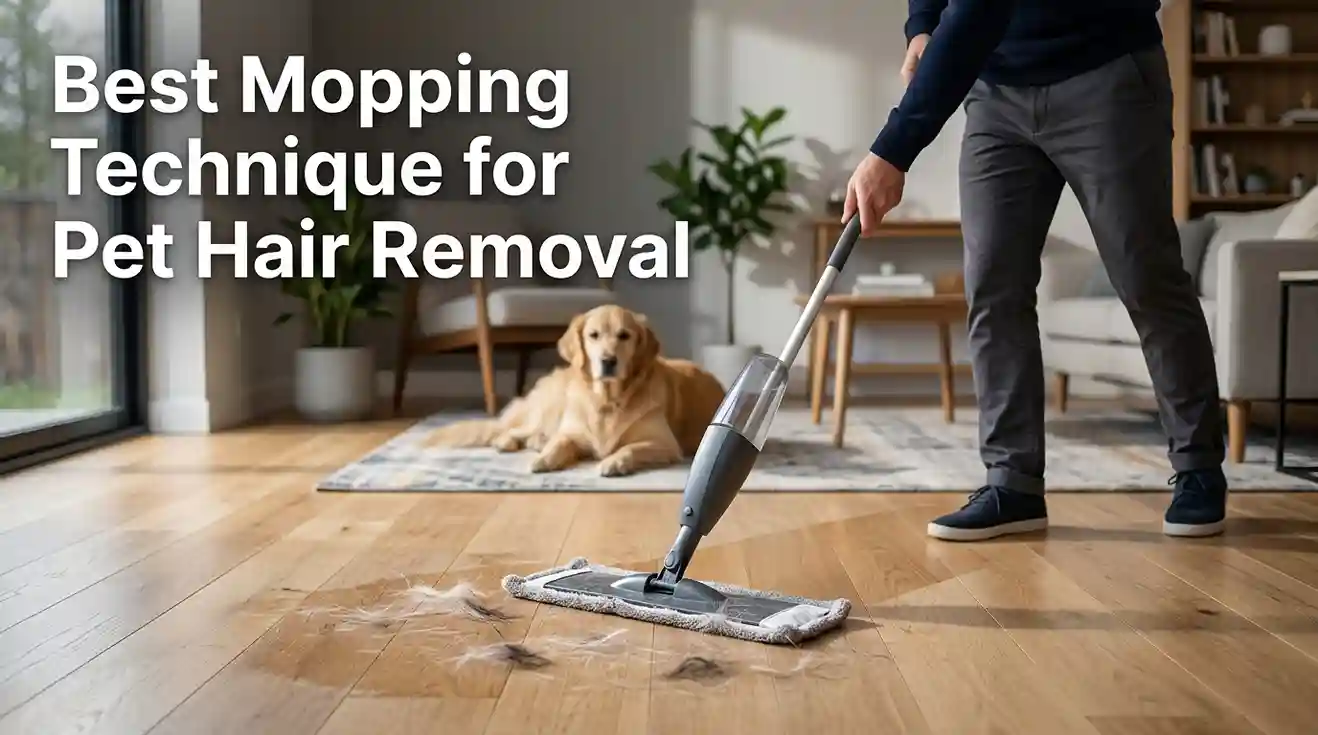
Start with a dry microfiber mop. Glide it gently across the floor, following the grain or tile pattern. Microfiber attracts pet hair like a magnet. For corners and baseboards, use the mop edge or a handheld microfiber cloth.
Step 3: Wet Mopping
Prepare your mop with a fresh microfiber pad. Mix a gentle cleaning solution—avoid strong chemicals, as they can leave residue and irritate pets. A simple mix is:
- 1 gallon warm water
- 2–3 drops mild dish soap (unscented)
- Optional: 1/4 cup white vinegar (for odor control)
Dip the mop, wring it out until damp, not soaking. Mop slowly, using straight strokes. Overlap each section to catch missed hair. Pay extra attention to corners, edges, and under furniture.
Step 4: Rinse And Repeat
After each area, rinse the mop pad. Change pads as needed—pet hair clogs microfiber quickly. For stubborn spots, use a damp microfiber cloth by hand.
Step 5: Final Check
When finished, look for missed hair. Use a lint roller or sticky pad for small patches. Let the floor air dry. If you see streaks, buff with a dry microfiber cloth.
Many people skip rinsing their mop pad often, but this is a key step. Dirty pads spread hair rather than remove it.
Comparing Mopping Solutions For Pet Hair
Different cleaning solutions can affect pet hair removal. Here’s a quick comparison of common options:
| Solution | Pet-Safe? | Odor Control | Residue |
|---|---|---|---|
| Dish Soap + Water | Yes | Low | None |
| White Vinegar + Water | Yes | High | Minimal |
| Commercial Pet Cleaner | Check label | Medium | Possible |
| Bleach Solution | No | High | Heavy |
Stick to pet-safe solutions. Vinegar helps control odors but can damage some floors. Always test in a small area.
Tips To Make Pet Hair Removal Easier
A few extra steps can make mopping much more efficient.
- Brush pets regularly: Less loose hair means less on the floor. Use a brush designed for your pet’s coat.
- Use washable microfiber pads: Avoid disposable pads—they lose effectiveness quickly.
- Clean in one direction: Mopping in straight lines gathers hair better than random patterns.
- Avoid excess water: Too much water makes pet hair clump and harder to pick up.
- Clean baseboards and corners: Pet hair collects here; use a damp cloth.
- Pet-safe sprays: Some sprays coat hair, making it easier to mop up.
- Routine schedule: Mop at least twice a week in pet zones.
Many owners forget about baseboards, where pet hair builds up. Cleaning these regularly prevents hair spread.
Mistakes To Avoid When Mopping For Pet Hair
Even experienced pet owners can make errors that reduce effectiveness.
- Using old mop heads: Dirty or worn microfiber doesn’t pick up hair well.
- Skipping dry mopping: Wet mopping alone usually leaves hair behind.
- Too much detergent: This leaves sticky residue and attracts more hair.
- Ignoring corners: Hair hides in edges.
- Not rinsing mop pads: Hair builds up and spreads everywhere.
One non-obvious insight: Using a rubber broom before dry mopping lifts embedded hair. Many don’t realize rubber attracts hair better than bristles.
How Often Should You Mop For Pet Hair?
Frequency depends on your pet and home. If you have a high-shedding breed, mop every 2–3 days. For low-shedding pets, once a week may be enough. During shedding seasons, increase cleaning. Homes with multiple pets need more frequent mopping.
Mopping Pet Hair Vs. Other Methods
Here’s a quick comparison of mopping vs. other pet hair removal methods:
| Method | Effectiveness | Time Required | Surface Suitability |
|---|---|---|---|
| Mopping | High | Moderate | Hard floors |
| Vacuuming | Medium | Fast | All floors |
| Rubber Broom | High | Slow | Hard floors |
| Lint Roller | Low | Very Fast | Small areas |
Mopping is best for deep cleaning and removing sticky hair. Vacuuming is faster but leaves fine strands. Rubber brooms excel for large, hairy messes. Lint rollers are only for touch-ups.
Real-life Example: Mopping For Pet Hair In Action
Sarah, a dog owner with a golden retriever, struggled with hair everywhere. She switched to a microfiber mop and followed the dry-wet technique. By mopping twice a week and rinsing her pads often, she reduced visible hair by 80%. She also brushed her dog daily, which helped keep floors cleaner.
This real-life change shows how technique matters more than just the tool.
Non-obvious Insights For Beginners
- Mop pads fill quickly—change them more often than you think. A single pad may only cover a small room before it’s clogged.
- Floor direction matters—mop along the grain of wood or the direction of tile for better hair pickup.
Many people ignore pad changes, thinking one mop head is enough. It’s not—hair buildup makes the mop less effective.
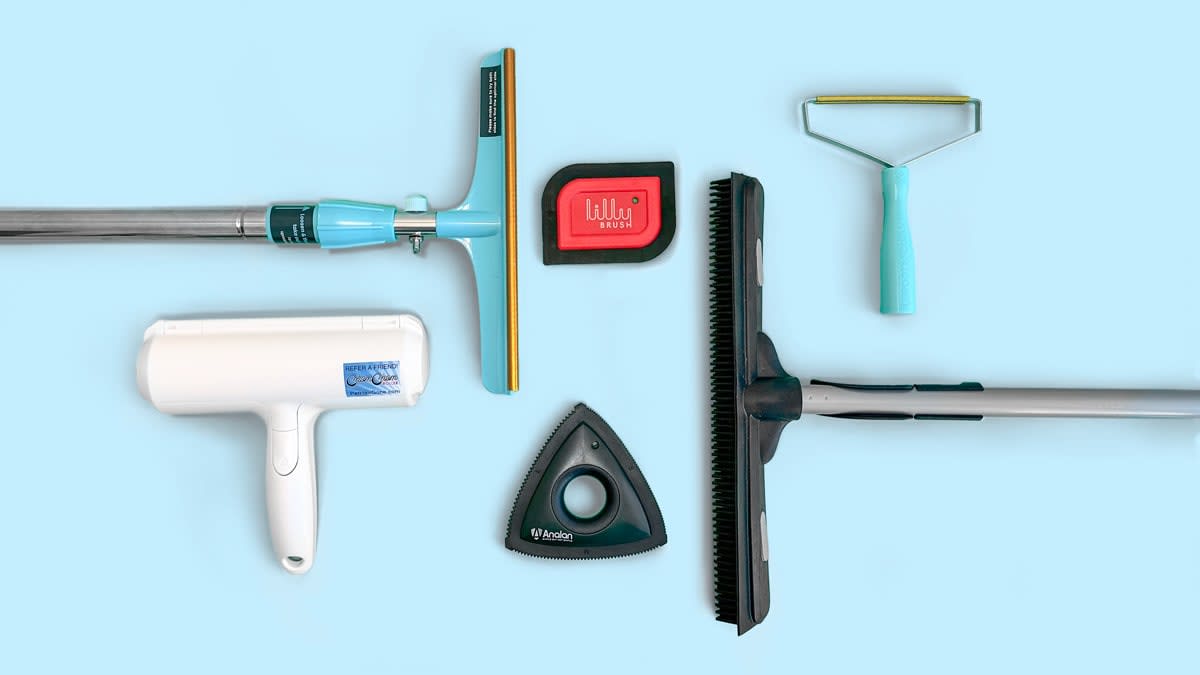
Credit: www.consumerreports.org
Recommended Brands And Products
While many brands offer microfiber mops, some stand out for pet hair removal.
- O-Cedar: Their microfiber system is highly rated for pet hair.
- Bona: Specialized for wood floors; pads catch fine hair.
- Rubbermaid: Durable and easy to rinse.
Look for washable pads and avoid mops that require expensive disposable refills.
Keeping Floors Clean With Pets: A Routine
A routine keeps pet hair under control. Here’s a weekly plan:
- Daily: Brush pets and spot clean with a dry mop.
- Twice a week: Dry mop, then wet mop.
- Weekly: Deep clean corners, baseboards, and under furniture.
- Monthly: Wash mop pads and replace if worn.
Consistent effort reduces hair buildup and makes mopping easier each time.
Frequently Asked Questions
What’s The Best Mop Type For Pet Hair Removal?
Microfiber mops work best. Their fibers trap pet hair efficiently and are safe for most floors. Look for washable pads for cost savings.
Is It Safe To Use Vinegar When Mopping Pet Hair?
Yes, white vinegar is pet-safe and helps control odors. But avoid vinegar on stone floors like marble, as it can cause damage.
How Often Should I Mop If I Have Multiple Pets?
For homes with several pets, mop every 2–3 days in high-traffic areas. Increase frequency during shedding season.
Can I Use A Steam Mop For Pet Hair?
Steam mops sanitize floors but are less effective at picking up pet hair. Use a dry microfiber mop first, then steam mop for cleaning.
What’s The Best Way To Clean Corners And Edges?
Use a damp microfiber cloth for corners and baseboards. Pet hair collects here, so extra attention is needed.
Mopping for pet hair removal can feel overwhelming, but with the right technique and tools, it becomes a quick routine. Microfiber mops, dry-wet steps, and frequent pad changes are the secret to spotless floors. Brush your pets, stick to pet-safe cleaners, and don’t ignore corners. With a little effort, your home will stay clean, comfortable, and free of pet hair.