Skip to content
If you love baking fresh bread at home, you probably know the joy of opening your bread maker to a warm, golden loaf. But that happiness can quickly fade when you realize the bread maker paddle is stuck in your loaf. Many home bakers face this problem, and it can be both frustrating and confusing. Why does the paddle sometimes stay inside the bread? Will your next loaf have the same problem? And most importantly, how can you fix it or stop it from happening again?
Getting the bread maker paddle stuck in your loaf is not just a small annoyance—it can affect your bread’s shape, texture, and even the taste. You may find a big hole in the bottom of your bread, or you could struggle to remove the paddle without damaging your perfect loaf.
For some, it raises worries about safety, or even the long-term health of their bread machine. This article will help you understand why this happens, what you can do about it, and how to keep your bread making smooth and worry-free in the future.
Why Does The Bread Maker Paddle Get Stuck?
Bread makers are designed to mix, knead, and bake bread automatically. The paddle is the small metal or non-stick piece that stirs the dough. In theory, after kneading, the paddle should stay at the bottom of the pan. But in practice, it often ends up baked into the loaf.
Several factors make the paddle stick:
- Dough consistency: Wet or sticky doughs are more likely to hold onto the paddle.
- Type of bread: Sweet breads and loaves with extra ingredients like raisins, cheese, or nuts can cause more sticking.
- Pan and paddle design: Some bread machines have a more paddle-friendly design, but others are known for this issue.
- Wear and tear: Over time, non-stick coatings can wear off, making the paddle more likely to stick.
Let’s look at these factors in detail.
Dough Consistency And Hydration
The amount of water in your dough has a big effect. High-hydration doughs (those with more water compared to flour) are sticky and soft. This makes it easier for the paddle to get trapped or for the dough to wrap around it. If your recipe calls for eggs, honey, or milk, the dough may be even stickier.
Bread Recipe And Add-ins
Certain recipes are more likely to have paddle problems. For example, a basic white bread is usually drier and less sticky, so the paddle may stay in the pan. But whole grain, fruit, and nut breads often have moist, heavy doughs that don’t release easily.
Bread Maker Brand And Paddle Design
Not all bread makers are the same. Some brands have unique paddle shapes or special coatings to reduce sticking. Others use collapsible paddles that fold down before baking, but these can fail over time.
Here’s a quick comparison of three popular bread maker brands:
| Brand | Paddle Design | Sticking Issue (Common?) | Notes |
|---|---|---|---|
| Zojirushi | Dual, fixed | Moderate | Non-stick wears over time |
| Panasonic | Single, removable | Low | Good paddle release |
| Oster | Single, fixed | High | Paddle often sticks in loaf |
Age And Maintenance Of The Machine
A new bread maker usually has a smooth, non-stick pan and paddle. But as you use it, scratches and wear can develop. A rough paddle or pan makes sticking more likely. If you rarely clean the paddle or let dough dry on it, sticking will get worse.
How To Remove A Stuck Paddle Without Ruining Your Bread
You open your bread maker and see the paddle baked into your fresh loaf. What should you do? Ripping it out can ruin the bread, but leaving it inside is not an option. Here are the safest and most effective ways to remove a stuck paddle:
Wait For The Bread To Cool
Patience is your friend. Hot, fresh bread is soft and tears easily. Let your loaf cool for at least 20–30 minutes. As it cools, the bread firms up and shrinks a little, making it easier to remove the paddle without pulling out a big chunk.
Use The Right Tools
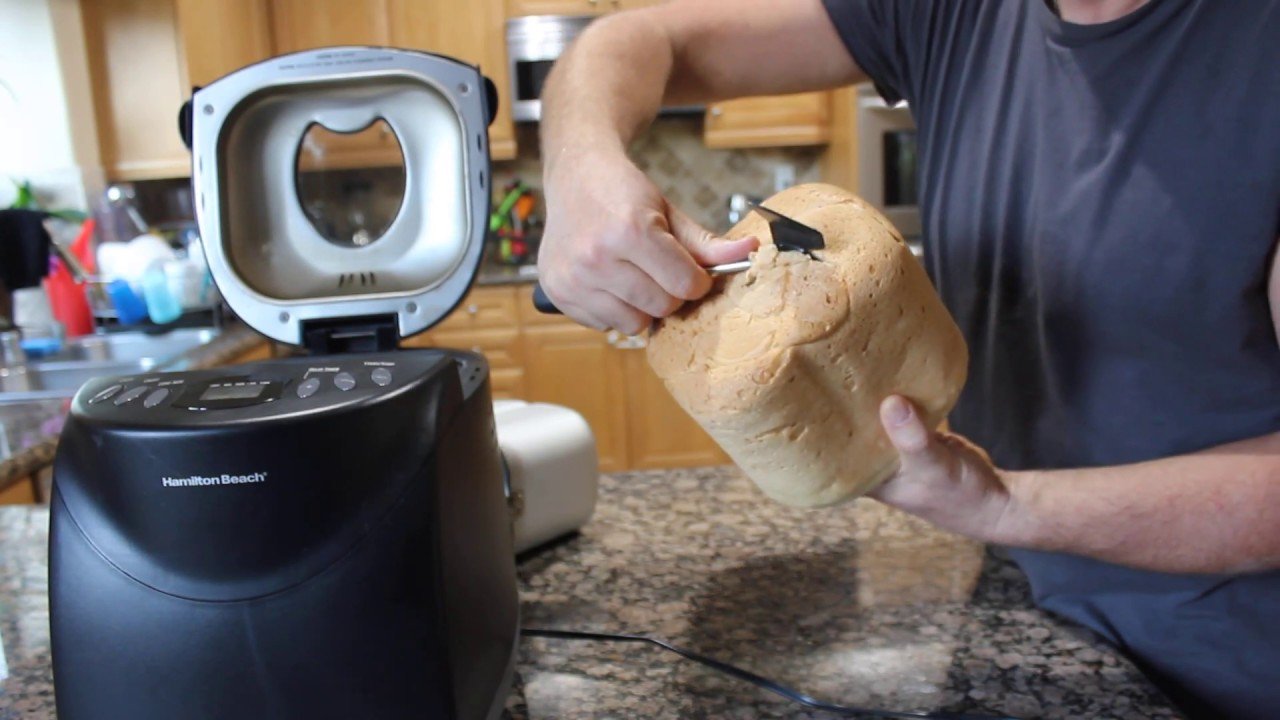
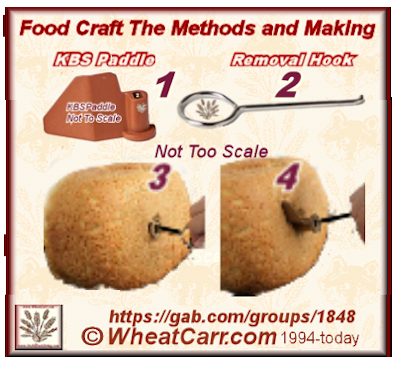
A paddle removal tool often comes with your bread maker. It looks like a small hook or wire. If you lost it, a wooden skewer, chopstick, or even a butter knife (used gently) can work. Avoid sharp knives, as they can scratch the paddle or pan.
Gentle Twisting, Not Pulling
Don’t yank the paddle straight out. Instead, gently twist it back and forth while lifting. Try to loosen the area around the paddle first. If the paddle is deep inside, use the tool to hook and pull it out slowly.
Removing The Paddle Before Baking (advanced)
Some bakers remove the paddle after the kneading cycle and before baking starts. This step can be tricky, but it almost guarantees the paddle won’t be stuck in the loaf. Watch your bread maker’s cycle times, and when kneading finishes, open the lid, remove the dough, pull out the paddle, and replace the dough.
Here’s a step-by-step for this method:
- Set a timer for when kneading is almost done (check your bread maker manual).
- Wash your hands, open the lid, and lift the dough gently.
- Remove the paddle and put the dough back.
- Smooth the dough surface and close the lid.
This method works best for simple recipes. Some advanced models beep before the final rise to let you remove the paddle.
Dealing With A Broken Or Jammed Paddle
Sometimes the paddle gets bent or stuck tightly. If you can’t remove it with gentle force, let the bread cool overnight. If it’s still stuck, soak the bottom of the loaf in warm water for a few minutes, then try again.
Be careful not to damage the paddle or pan—replacement parts can be expensive and hard to find.

Credit: www.reddit.com
How To Prevent The Paddle Getting Stuck
Solving the problem once is good, but preventing it is even better. Here are practical tips to keep your paddle from sticking in the loaf:
Grease The Paddle Before Each Use
A little cooking oil or non-stick spray on the paddle makes a big difference. Use a paper towel to spread a thin, even layer. Avoid butter, as it can burn and become sticky.
Use The Right Dough Consistency
If your dough is too wet or sticky, add a small amount of flour (one tablespoon at a time) during kneading. Watch the dough ball—if it’s smooth, soft, and not overly sticky, your paddle is less likely to get trapped.
Check For Non-stick Coating Damage
Inspect your paddle and bread pan regularly. If the non-stick coating is scratched or peeling, the paddle will stick more. Replace damaged parts if possible.
Remove The Paddle Before The Final Bake
As described earlier, this is the most reliable solution, but it requires careful timing and practice. If you bake frequently, you’ll get used to the right moment to remove the paddle.
Clean The Paddle And Pan After Each Use
Leftover dough hardens and increases sticking over time. Wash the paddle and bread pan gently with warm, soapy water after every loaf. Avoid harsh scrubbers that can scratch the surface.
Use Bread Maker-friendly Recipes
Some recipes are simply too sticky or heavy for your bread maker’s paddle. Stick to recipes that match your machine’s manual. If you want to experiment, start by reducing liquids slightly.
Common Mistakes That Make Paddles Stick
Even experienced bakers make simple errors that increase paddle problems. Here are some to watch out for:
- Not cleaning the paddle: Dried dough acts like glue and makes sticking worse every time.
- Adding too much liquid: This creates sticky dough that traps the paddle.
- Ignoring worn parts: Old paddles or pans with damaged non-stick surfaces are a common cause.
- Using the wrong recipes: Some online bread recipes are not designed for bread makers and can create trouble.
- Forgetting to grease: Skipping this easy step almost always leads to more sticking.
- Trying to pull the paddle out too soon: Hot bread tears easily; patience pays off.
When To Replace Your Bread Maker Paddle Or Pan
Sometimes, the problem is not you—it’s your machine. Bread maker paddles and pans are not built to last forever. If you notice these signs, it’s time to consider a replacement:
- The paddle’s coating is flaking: This can even make your bread unsafe to eat.
- The paddle wobbles or doesn’t turn smoothly: This means wear in the shaft or bearing.
- Rust or discoloration: Rust can harm your bread and your health.
- The pan leaks or has deep scratches: Water or dough leaking under the paddle is a sure sign of failure.
Replacement parts can often be ordered from the manufacturer or found on specialty websites. Always check your bread maker’s model number before buying.
Here’s a comparison of replacement part costs for three popular brands:
| Brand | Paddle Cost | Pan Cost | Average Lifespan |
|---|---|---|---|
| Panasonic | $15–$25 | $35–$60 | 4–6 years |
| Zojirushi | $18–$28 | $50–$80 | 5–8 years |
| Oster | $10–$20 | $30–$45 | 3–5 years |
Replacing a worn paddle or pan can solve sticking issues that no amount of cleaning or oiling will fix.
Are There Better Bread Makers For Paddle Issues?
If your bread maker always leaves the paddle in the loaf, you might wonder if a different machine would help. Some models have features to reduce paddle sticking.
Collapsible And Removable Paddles
A few high-end bread makers have collapsible paddles. These fold down before baking, so the paddle stays at the bottom and leaves only a tiny hole. However, these mechanisms can fail after a few years of use.
Beep Alerts For Paddle Removal
Certain machines beep before the last rise, reminding you to remove the paddle. This feature is helpful if you want perfect loaves without holes.
Non-stick Coatings
Some newer bread makers use advanced non-stick coatings that last longer. They reduce paddle sticking and make cleaning easier.
Here’s a quick look at models with paddle-friendly features:
| Model | Paddle Feature | Price Range | User Rating |
|---|---|---|---|
| Breville BBM800XL | Collapsible paddle | $250–$300 | 4.6/5 |
| Zojirushi Virtuoso Plus | Dual fixed paddles | $350–$400 | 4.8/5 |
| Panasonic SD-YD250 | Removable paddle | $140–$200 | 4.5/5 |
Before buying a new bread maker, check reviews and manuals to see if the paddle issue is common for that model.
Credit: www.youtube.com
Real-world Examples And Insights
Many home bakers have found clever ways to deal with stuck paddles. Here are two examples:
- Jasmine, Texas: “I used to get the paddle stuck every time with my cinnamon raisin bread. I now use a little canola oil on the paddle and switch to bread flour instead of all-purpose. Sticking is much less common now.”
- Marcus, Illinois: “My old machine always left the paddle in the loaf. I bought a new pan and paddle, and now it almost never happens. The new non-stick finish is amazing.”
A less obvious tip: using bread flour instead of all-purpose flour can help, because bread flour absorbs more water and creates a firmer dough. Also, if you bake at high altitude or in very humid weather, reduce the liquid by 1–2 tablespoons to prevent extra sticky dough.
Is It Safe To Eat Bread With Paddle Holes?
Many people worry that a hole or small metal shaving from the paddle could make their bread unsafe. In almost all cases, a paddle hole is just a cosmetic issue. However, inspect your bread for any metal flakes, especially if your paddle’s coating is damaged.
If the paddle coating is flaking or you notice rust, stop using it and get a replacement. Eating bread with metal shavings or rust is not safe.
Paddle Stuck: When To Call For Help
If you’ve tried all these tips and the paddle still gets stuck every time, it may be time to:
- Contact the bread maker manufacturer’s support team.
- Check online forums or user groups for your machine model.
- Visit a repair shop if your machine is high-end and out of warranty.
Some issues, like a bent paddle shaft or damaged bearing, need expert repair.
Frequently Asked Questions
Why Does My Bread Always Have A Big Hole At The Bottom?
A big hole is caused when the bread maker paddle bakes into the loaf and is pulled out after baking. Wet or sticky dough, damaged non-stick coating, or not removing the paddle before baking can all cause this.
Can I Bake Bread In The Machine Without The Paddle?
No, the paddle is needed for mixing and kneading the dough. If you remove it before starting, your ingredients won’t combine, and your bread won’t rise or bake properly.
Is It Dangerous If The Paddle’s Coating Is Peeling?
Yes, if the non-stick coating is peeling, small flakes can get into your bread. It’s best to stop using the paddle and buy a replacement.
How Do I Know When To Remove The Paddle Before Baking?
Check your bread maker manual for the end of the kneading cycle. Many machines finish kneading in the first 30–40 minutes. Set a timer and open the lid just after kneading, but before the final rise and bake.
Where Can I Find A Replacement Paddle For My Bread Maker?
You can order replacement paddles online from your machine’s official website or trusted retailers. Check your model number before buying. For more details, visit the Wikipedia bread machine page.
Baking bread at home should be a pleasure, not a headache. The bread maker paddle stuck in loaf problem is common, but with the right knowledge, you can solve it and even prevent it from happening again. By understanding dough consistency, using proper cleaning and greasing habits, and considering when to replace worn-out parts, your next loaf can be perfect—hole-free and delicious. With a little extra care, your bread maker will keep producing fresh bread for years to come.
Credit: wheatcarr.com