Skip to content
Can Cutting Boards Cause Cross Contamination?
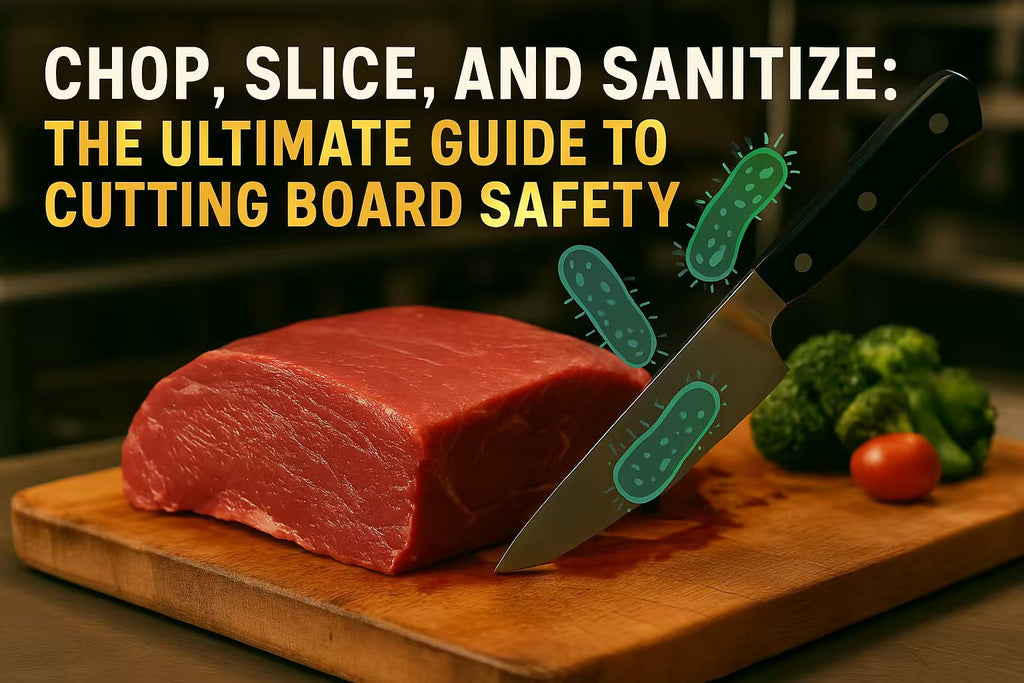
Food safety is something many people think about when cooking at home. But even if you wash your hands and use fresh ingredients, one hidden risk often gets ignored: your cutting board. This simple kitchen tool can become a source of cross contamination—when harmful bacteria or allergens move from one food to another. While most people know raw meat can carry germs, they might not realize how easily these germs can spread through a cutting board.
In this article, you’ll learn why cutting boards matter for food safety, how different materials compare, and what you can do to reduce the risk in your own kitchen.
What Is Cross Contamination?
Cross contamination happens when bacteria, viruses, or allergens are unintentionally transferred from one food, surface, or person to another. The most common way this happens in a kitchen is through contact between raw foods (like uncooked chicken or beef) and foods that are ready to eat. For example, if you cut raw chicken on a board and then slice tomatoes on the same board without washing it, you could transfer Salmonella or Campylobacter bacteria to your salad.
Cross contamination can lead to foodborne illnesses. The Centers for Disease Control and Prevention (CDC) estimates that 1 in 6 Americans get sick from contaminated foods each year. In many cases, the cause is improper handling of kitchen tools, especially cutting boards.
How Cutting Boards Spread Germs
Cutting boards are used for many different foods, sometimes in quick succession. The main risks come from:
- Residue: Small pieces of food or juices can stay on the board’s surface, especially in knife grooves.
- Bacteria: Harmful germs from raw meat, poultry, or eggs can survive on the board.
- Transfer: If you don’t clean the board well between uses, bacteria can move to fruits, vegetables, or cooked foods.
Here’s a simple example: you chop raw chicken on a wooden board, give it a quick rinse, and then cut lettuce for a salad. Even a small amount of bacteria left from the chicken can get onto the lettuce, which you might eat raw.
Data Example: Bacteria Survival
Research shows that Salmonella can survive on wooden and plastic boards for several hours—or even days—if not cleaned properly. A study found that up to 70% of boards tested positive for bacteria after “normal” washing.
Cutting Board Materials: Which Is Safer?
Not all cutting boards are the same. The material affects how easy they are to clean, how many grooves they develop, and how likely they are to hide bacteria.
Here’s a quick look at the main types:
| Material | Pros | Cons |
|---|---|---|
| Plastic | Easy to clean, dishwasher safe, cheap | Gets deep knife grooves, can hold bacteria in cuts |
| Wood | Durable, gentle on knives, some natural bacteria resistance | Can warp/crack, not always dishwasher safe, absorbs liquids |
| Bamboo | Eco-friendly, harder surface, less porous | Can dull knives, may split if soaked |
| Glass | Non-porous, easy to sanitize | Hard on knives, slippery, can break |
Plastic Vs. Wood: The Ongoing Debate
Many people think plastic boards are safer because they can go in the dishwasher. But studies have shown that knife grooves in plastic can trap bacteria, and washing doesn’t always remove it. Wood is more porous, but some research suggests that bacteria get pulled down into the wood, where they eventually die. However, if the wood board cracks or becomes damaged, it can also hold germs.
Common Cross Contamination Mistakes
Even careful cooks make mistakes with cutting boards. Here are some frequent errors:
- Using one board for all foods: Cutting meat, vegetables, and bread on the same board is risky.
- Quick rinsing, not washing: Water alone doesn’t kill bacteria. Boards need soap and scrubbing.
- Ignoring grooves and cracks: Bacteria love to hide in these spots.
- Not drying boards properly: Damp boards can grow germs faster.
- Cutting cooked and raw foods on the same surface: This is a common way to transfer bacteria.
How To Prevent Cross Contamination With Cutting Boards
You can cut your risk with a few simple habits. Here’s what food safety experts recommend:
1. Use Separate Boards
Have at least two cutting boards:
- One for raw meat, poultry, and seafood
- Another for ready-to-eat foods like fruits, vegetables, and bread
Color-coding helps. For example, use a red board for meat and a green board for veggies.
2. Clean And Sanitize After Each Use
Wash boards with hot, soapy water after every use. For extra safety, sanitize with a solution of 1 tablespoon of bleach in 1 gallon of water. Let the solution sit for a few minutes, then rinse and dry.
Plastic boards can go in the dishwasher, which uses high heat to kill bacteria. Most wooden boards shouldn’t, as high heat and moisture can warp them.
3. Check For Damage
Look for deep grooves, cracks, or stains on your boards. Replace them if you find damage, since bacteria can hide in these spots.
4. Dry Boards Completely
After washing, stand boards on their edge to air dry. This prevents moisture-loving germs from growing.
5. Store Boards Properly
Keep boards in a clean, dry place. Don’t let them touch raw meat or dirty surfaces in storage.
Step-by-step Example: Safe Cutting Routine
Let’s say you’re making chicken salad:
- Chop raw chicken on the meat-only board.
- Wash the board, knife, and your hands with soap and hot water.
- Cut vegetables on a separate board.
- Assemble salad, knowing you kept raw meat germs away from fresh foods.
Cutting Boards And Allergens
Cross contamination isn’t only about bacteria. Cutting boards can also spread allergens (like nuts, dairy, or gluten) if not cleaned well. This is especially important in homes with food allergies.
Even tiny traces left on a board can trigger reactions. If you prepare allergen-free food, consider having a dedicated board and knife just for that purpose.
Data: How Often Should You Replace Cutting Boards?
How long do cutting boards last? It depends on use, material, and care. Here’s a quick comparison:
| Material | Average Lifespan | Signs to Replace |
|---|---|---|
| Plastic | 1-3 years | Deep grooves, stains, warping |
| Wood | 3-7 years | Cracks, splits, lingering smells |
| Bamboo | 2-5 years | Splinters, cracks |
| Glass | 5+ years | Chips, cracks |
A good rule: replace a board as soon as you can’t get it clean or if it shows deep cuts.
Surprising Insights Most People Miss
Many home cooks think that a little soap and water is enough. But studies show that bacteria can survive standard washing, especially in tiny knife marks. Also, using the same towel to dry multiple boards or dishes can spread germs between them. Always use clean towels, or let boards air dry.
Another common mistake is storing damp boards flat, which keeps moisture in contact with the surface. This creates a perfect home for bacteria and mold. Standing boards upright helps air circulate and speeds drying.
You might find this helpful: Best Cutting Boards for Daily Use
Best Practices For Commercial Kitchens
In professional kitchens, food safety rules are even stricter. The Food and Drug Administration (FDA) recommends using separate, color-coded boards and sanitizing them often. Staff should receive training on cross contamination, and boards are inspected and replaced regularly.
A commercial kitchen might use:
- Red: Raw meat
- Blue: Raw fish
- Green: Produce
- Yellow: Cooked meat
- White: Dairy or bakery
Regular checks and cleaning schedules help reduce outbreaks.
What Science Says
A famous study by Dr. Dean Cliver at the University of California, Davis, found that wooden boards can sometimes be safer than plastic, because bacteria pulled into the wood often do not survive. But this is only true if the wood is not damaged and is cleaned well. Plastic is easier to sanitize, but knife scars can become a problem.
No board is completely safe if used incorrectly. The key is good cleaning, smart habits, and knowing when to replace your board.
Credit: myfoodservicelicense.com
Real-world Example: Outbreak Linked To Cutting Boards
In 2013, a restaurant in the US had a norovirus outbreak traced to a dirty cutting board. Staff used the same board for both raw shellfish and salad greens. Even though the board looked clean, the virus survived and spread to dozens of diners. This shows that cross contamination is not just a theory—it can lead to serious illness.
Comparing Cleaning Methods
Which cleaning method removes germs best? Here’s a quick look:
| Method | Effectiveness | Notes |
|---|---|---|
| Hand wash with soap | Good | Scrub all surfaces; air dry |
| Dishwasher (plastic) | Very good | High heat kills most bacteria |
| Bleach solution | Excellent | Use after washing, rinse well |
| Vinegar or lemon | Fair | Helps with smells, but not as strong as bleach |
The most effective method is a combination: wash with soap, sanitize, and dry well.

Credit: www.indulgexpress.com
Final Thoughts
Cutting boards are a basic kitchen tool, but they can be a hidden danger if not used with care. The risk of cross contamination is real—and it’s not just about meat. Bacteria, viruses, and allergens can all move from one food to another if you don’t follow safe habits. Remember to use separate boards, clean them well, and replace them when worn out. A few small changes in your routine can keep your meals safer and your family healthier. For more detailed information on food safety, you can visit the FDA Food Safety page.
Frequently Asked Questions
Can I Use The Same Cutting Board For Fruits And Vegetables?
It is safe to use the same board for fruits and vegetables, but only if you have not used it for raw meat, poultry, seafood, or eggs. If you do, wash and sanitize the board before switching to produce.
How Often Should I Replace My Cutting Board?
Replace your cutting board when you see deep grooves, cracks, or stains that don’t come out after cleaning. On average, plastic boards last 1–3 years, while wood can last longer if cared for.
Is Wood Or Plastic Better For Preventing Cross Contamination?
Both have pros and cons. Plastic can go in the dishwasher, but knife grooves trap bacteria. Wood is harder to sanitize but may kill bacteria inside. The most important thing is cleaning and replacing boards as needed.
Can I Sanitize My Cutting Board With Vinegar Instead Of Bleach?
Vinegar helps with smells and some germs, but it is not as strong as bleach. For true sanitizing, use a diluted bleach solution or run plastic boards through a hot dishwasher cycle.
Do I Need Different Boards For People With Food Allergies?
Yes, if someone in your home has a food allergy, use a dedicated cutting board for allergen-free foods. Clean it carefully and don’t mix it with boards used for allergens to avoid cross contamination.
Credit: myfoodservicelicense.com