Skip to content
Can You Cook A Frozen Pizza In An Electric Skillet?
The frozen pizza aisle is a lifesaver for busy nights, college students, or anyone who wants a quick meal without much effort. Usually, people use a traditional oven or a toaster oven to cook frozen pizza. But what if you don’t have an oven, or you want to try something new? Many people wonder: Can you cook a frozen pizza in an electric skillet? The short answer is yes, but there’s more to it than just tossing a pizza into the pan and switching it on.
In this guide, you’ll learn exactly how to use an electric skillet for frozen pizza, the results you can expect, the best tips and tricks, and which types of pizza work best. Whether you live in a small apartment, a dorm room, or you’re just curious, this article will explain everything you need to know—step by step.
You’ll also discover two practical comparison tables so you can see how electric skillets stack up against ovens and other cooking methods. Let’s unlock the secrets of skillet pizza together.
Understanding Electric Skillets
An electric skillet is a plug-in appliance with a flat, nonstick surface that heats food evenly. People use electric skillets for frying, sautéing, making pancakes, and even baking. They are popular because they’re portable, easy to clean, and don’t heat up the kitchen like a regular oven.
Key Features Of Electric Skillets
- Adjustable temperature control: You can set the heat from low to high, usually between 200°F and 400°F (93°C to 204°C).
- Large cooking surface: Most skillets are big enough for a medium or large pizza.
- Nonstick coating: Makes it easier to remove food and clean up.
- Glass lid: Helps keep heat and moisture in, which is important for pizza.
Why People Consider Using An Electric Skillet For Pizza
- No oven available: Many dorms, RVs, or small apartments don’t have ovens.
- Saves energy: Heats up faster and uses less electricity than a full-sized oven.
- Keeps kitchen cool: Great in hot weather when you don’t want extra heat.
- Curiosity: Some want to see if it gives a crispier crust or different flavor.
Can You Really Cook Frozen Pizza In An Electric Skillet?
Yes, you can cook a frozen pizza in an electric skillet, but it’s not exactly the same as using an oven. The skillet cooks pizza from the bottom up, while an oven cooks from all sides. This means you need to pay attention to temperature, time, and a few special tricks to get the best result.
If you do it right, you can enjoy a crisp crust and gooey cheese with minimal fuss.
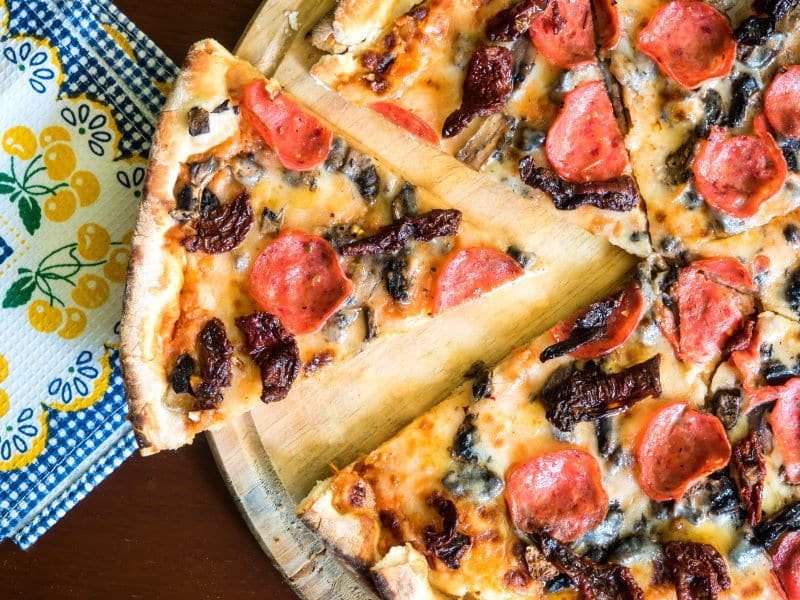
Credit: inthekitch.net
Step-by-step Guide: Cooking Frozen Pizza In An Electric Skillet
Here is a practical method to cook a frozen pizza in an electric skillet.
What You’ll Need
- Electric skillet (12 inches or larger works best)
- Frozen pizza (thin or regular crust)
- Cooking spray or a little oil (optional, for extra crispiness)
- Spatula
- Knife or pizza cutter
- Paper towels (for moisture control)
- Lid for the skillet
Preparation
- Check pizza size: Most frozen pizzas are 10–12 inches in diameter. Make sure your skillet is large enough. If not, you can cut the pizza into halves or quarters to fit.
- Preheat skillet: Set the temperature to 375°F (190°C) and let it heat for about 5 minutes.
- Spray or lightly oil skillet: This step is optional, but it can help with crispiness and prevent sticking.
Cooking Steps
- Place pizza in skillet: Carefully put the frozen pizza directly onto the surface. If you had to cut the pizza, arrange the pieces so they fit snugly.
- Cover with lid: This is important. The lid traps heat and helps the cheese melt evenly. If your lid has a vent, keep it closed for now.
- Cook for 12–18 minutes: Start checking at 12 minutes. The bottom should be golden brown and crisp, and the cheese should be melted.
- Rotate pizza (if needed): Some skillets have “hot spots.” Rotate the pizza halfway through cooking for even browning.
- Remove excess moisture: If you see steam or water on the lid, wipe it with a paper towel to avoid soggy cheese.
- Check doneness: The pizza is ready when the crust is crispy and the cheese is fully melted. If not, cook for 2–4 more minutes.
- Remove and slice: Use a spatula to lift the pizza onto a cutting board. Slice and enjoy.
Cooking Time And Temperature Chart
Here’s a quick reference for different pizza types and how long they take in an electric skillet:
| Pizza Type | Temperature | Cooking Time |
|---|---|---|
| Thin Crust | 375°F (190°C) | 10–14 minutes |
| Regular Crust | 375°F (190°C) | 12–18 minutes |
| Deep Dish | 350°F (177°C) | 18–25 minutes |
| Personal Size | 375°F (190°C) | 8–10 minutes |
Non-obvious insight: Some pizza brands use more cheese or sauce, which can create extra steam in a skillet. Always check the lid for condensation and wipe it away to prevent sogginess.
Electric Skillet Vs. Oven Vs. Other Methods
To help you decide if using an electric skillet is right for you, here’s a practical comparison with other common pizza-cooking methods.
| Method | Cooking Time | Crust Texture | Ease of Use | Energy Use |
|---|---|---|---|---|
| Electric Skillet | 12–18 mins | Very crisp bottom, soft top | Easy | Low |
| Oven (Conventional) | 15–22 mins | Evenly crisp | Moderate | High |
| Toaster Oven | 12–20 mins | Evenly crisp | Easy | Medium |
| Air Fryer | 8–12 mins | Very crisp, sometimes dry | Easy | Low |
| Microwave | 4–8 mins | Soft, often soggy | Very easy | Very low |
Experience-based tip: Skillet-cooked pizza is perfect if you want a crunchy bottom. But the top may not brown like in an oven. For deeper color, you can carefully use a kitchen torch or briefly broil the pizza in a toaster oven after skillet cooking.
.png?v=1769199861156&options=w_870,h_700)
Credit: www.greenpan.us
Best Types Of Frozen Pizza For Skillet Cooking
Not all frozen pizzas work equally well in a skillet. Some are too thick or have too many toppings, making them hard to cook evenly.
Best Choices
- Thin crust pizzas: Cook quickly and get crispy bottoms.
- Regular crust pizzas: Work well with a little extra time.
- Personal-sized pizzas: Easy to fit, fast to cook.
More Challenging Options
- Deep dish: The thick dough can burn on the bottom before the inside cooks fully. Lower the heat and cover longer.
- Stuffed crust: Needs careful watching; cheese can ooze out and burn.
- Gluten-free crusts: Often more delicate, so use lower heat and nonstick spray.
Non-obvious insight: Avoid pizzas with a lot of fresh vegetables or extra cheese if you’re new to skillet cooking. These toppings release water and can make the pizza soggy on top.
Practical Tips For Great Skillet Pizza
Getting a frozen pizza just right in an electric skillet takes a few tricks and adjustments. Here are the top tips for perfect results every time.
- Preheat properly: Always preheat your skillet. A cold skillet leads to uneven cooking.
- Use parchment paper: Place a sheet of parchment under the pizza for easy removal and less sticking. This also helps with delicate or gluten-free crusts.
- Don’t overcrowd: If your pizza is too large, cut it. Crowding the skillet leads to uneven heat.
- Watch the temperature: If the crust browns too fast, lower the heat. Each skillet is a little different, so adjust as needed.
- Wipe condensation: Moisture under the lid makes pizza soggy. Check the lid every few minutes.
- Finish under broiler (optional): For extra bubbly cheese, place the pizza under a broiler or in a toaster oven for 2 minutes after skillet cooking.
- Let rest before slicing: Give the pizza 2 minutes to set after cooking. This makes slicing easier and keeps cheese from sliding off.
Common Mistakes To Avoid
Even experienced cooks can make mistakes when trying something new. Here are the most common errors when cooking frozen pizza in an electric skillet—and how to avoid them.
- Too much heat: High heat burns the bottom but leaves cheese unmelted. Stick to 350–375°F (177–190°C).
- Forgetting the lid: Without a lid, the cheese stays cold and toppings don’t cook through.
- Not rotating the pizza: Hot spots can burn one side. Rotate halfway through cooking.
- Skipping preheat: Cold skillets make for soggy, uneven pizza.
- Using thick-crust pizza without adjustments: Deep dish needs lower heat and longer time.
- Cutting too soon: Slicing right after cooking makes toppings slide off.
How To Clean Your Electric Skillet After Pizza
Pizza cheese and sauce can be sticky. To keep your skillet in top shape, follow these cleaning steps:
- Unplug and cool: Always unplug the skillet and let it cool completely.
- Remove debris: Use a soft spatula to lift off any stuck cheese or crust.
- Wipe with a damp cloth: For nonstick surfaces, a soft cloth is best.
- Soak if needed: If cheese is stuck, add a little warm water and let it sit for a few minutes.
- Avoid abrasive cleaners: They can scratch the nonstick coating.
- Wash lid and handles: Don’t forget these, especially if there’s condensation from pizza.
Pro tip: Place a sheet of parchment or foil under your pizza next time for easier cleanup.
Is Skillet Pizza Healthier Or Less Healthy?
Cooking in a skillet doesn’t change the basic nutrition of frozen pizza, but the method can affect fat and calories.
- Crispier crust: More oil or butter can add calories if you use it for crispiness.
- No added fat: Skillets don’t require much, so pizza can be as healthy as oven-baked.
- Possible extra cheese: Some people add cheese in a skillet for melting, which adds calories.
If you want the healthiest pizza, choose thin crust, light cheese, and add vegetables after cooking.
Real-world Experiences: What People Say
Many people have tried skillet pizza out of necessity or curiosity. Here’s what real users report:
- “The bottom gets super crispy—almost like restaurant pan pizza.”
- “The cheese doesn’t brown, but it melts perfectly.”
- “It’s a great option in summer when I don’t want to use the oven.”
- “I had to cut my pizza in half to fit, but it worked well.”
- “The crust was perfect, but next time I’ll add pepperoni after cooking so it doesn’t get soggy.”
Electric Skillet Brands And Models For Pizza
While almost any electric skillet can cook pizza, some models make the job easier. Here’s a quick look at popular options:
| Brand/Model | Size | Nonstick? | Price Range |
|---|---|---|---|
| Presto 16-inch | 16” | Yes | $40–$60 |
| Cuisinart CSK-150 | 12” x 15” | Yes | $60–$90 |
| Elite Gourmet EG-6203 | 12” x 12” | Yes | $30–$50 |
| Black+Decker SK1215BC | 12” | Yes | $35–$55 |
Choose a skillet that fits your favorite pizza size, has a reliable temperature dial, and comes with a tight-fitting lid.
When To Use An Electric Skillet For Pizza
There are times when an electric skillet is the best or only choice:
- No oven available: Dorms, RVs, hotel rooms, or after a kitchen renovation.
- Quick meals: Heats up faster than a big oven.
- Hot weather: Won’t heat up your home.
- Fun experiment: Try for a different crust texture.
- Backup plan: Oven breaks, or you’re cooking multiple pizzas and need more space.
Practical example: College students often use electric skillets for pizza because dorm rules forbid ovens or open flames, but allow plug-in appliances.
Safety Tips For Skillet Cooking
Cooking with any electric appliance requires attention to safety.
- Read the manual: Every skillet is a bit different.
- Keep handles cool: Some get hot during cooking.
- Unplug after use: For safety and energy savings.
- Supervise children: Skillets stay hot long after unplugging.
- Don’t immerse electric parts: Only the pan and lid can be washed, not the cord or base.
For more on appliance safety, check the U.S. Consumer Product Safety Commission.
Frequently Asked Questions
Can You Cook A Rising Crust Frozen Pizza In An Electric Skillet?
Yes, but it’s trickier. Rising crust pizzas need more time and even heat. Lower the temperature to 350°F (177°C), cover tightly, and cook for 20–25 minutes. Watch closely so the crust doesn’t burn before the center cooks through. Consider cutting the pizza in half if it’s too thick for your skillet.
Do You Need To Thaw Frozen Pizza Before Using A Skillet?
No. Most frozen pizzas are designed to go straight from freezer to heat. Thawing can make the crust soggy and harder to handle. If your pizza is too big to fit, you can let it soften for 5–10 minutes to cut it, but don’t thaw completely.
How Do You Get The Top Of The Pizza Brown In A Skillet?
The skillet cooks from below, so the cheese may melt but not brown. For a golden top, finish under a broiler for 1–2 minutes or use a kitchen torch. You can also uncover the skillet for the last 2–3 minutes to let steam escape and encourage some browning, but results will vary.
Is Skillet-cooked Pizza As Good As Oven-baked?
It’s different, not worse. Skillet pizza has a crispier, almost fried bottom, while oven-baked pizza is more evenly cooked. Some people prefer the skillet’s unique texture, especially for thin crusts. It’s a great method when you want something fast, crispy, and don’t have an oven handy.
Can You Make Homemade Pizza Dough In An Electric Skillet?
Yes! You can cook raw pizza dough in a skillet. Roll out the dough, place it in a preheated skillet, and cook uncovered for 3–4 minutes to firm up the bottom. Flip, add toppings, cover, and cook until the cheese melts.
It’s a fun way to make pizza if you don’t have an oven.
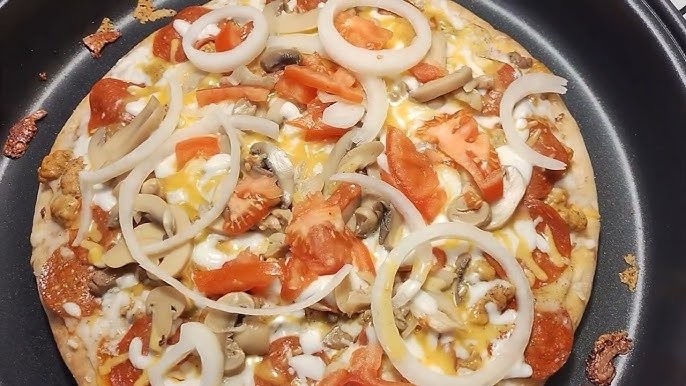
Credit: www.youtube.com
Final Thoughts
Cooking a frozen pizza in an electric skillet is not only possible—it’s practical and surprisingly delicious. With the right size skillet, a little attention to heat, and a few simple tricks, you can create a crispy-bottomed pizza with gooey cheese in less time than it takes to preheat a conventional oven. This method is perfect for small spaces, hot days, or anyone who loves experimenting in the kitchen. While the results are a bit different than oven-baked pizza, many people love the unique texture the skillet creates.
Remember to preheat your skillet, keep the lid on, and adjust as needed for your pizza style. Avoid common mistakes, clean up promptly, and always put safety first. The next time you crave pizza and don’t want to turn on the oven, try your electric skillet.
You might just discover a new favorite way to enjoy a classic treat.