Skip to content
Cutting raw meat and vegetables is a basic part of cooking, but many people do not realize how important the tools and methods are for safety. Some home cooks ask, “Can you cut raw meat and vegetables on the same board?
” It seems simple, but the answer can protect you from food poisoning and improve your kitchen habits. Let’s explore the real risks, what health experts say, and how you can keep your food safe without making cooking stressful.
Why This Matters: Cross-contamination Risks
When you cut raw meat and fresh vegetables on the same cutting board, you create a risk called cross-contamination. This means bacteria from meat (like Salmonella, E. coli, or Campylobacter) can move onto vegetables. These germs are not always killed by rinsing or quick cleaning. If you eat the contaminated vegetables raw, you could get sick.
In the US, the Centers for Disease Control and Prevention (CDC) says that 48 million people get foodborne illnesses every year. A large number of these cases are because of cross-contamination in home kitchens. Even a small amount of bacteria from raw chicken or beef can cause stomach cramps, diarrhea, fever, and vomiting.
What The Experts Recommend
Food safety agencies around the world, including the US Department of Agriculture (USDA) and World Health Organization (WHO), give clear advice: Use separate cutting boards for raw meat and for vegetables or ready-to-eat foods. This is the simplest way to stop bacteria from spreading. Even professional chefs use color-coded boards or have strict rules in their kitchens to avoid mixing raw proteins with foods that won’t be cooked further.

Credit: www.reddit.com
What Happens If You Use The Same Board?
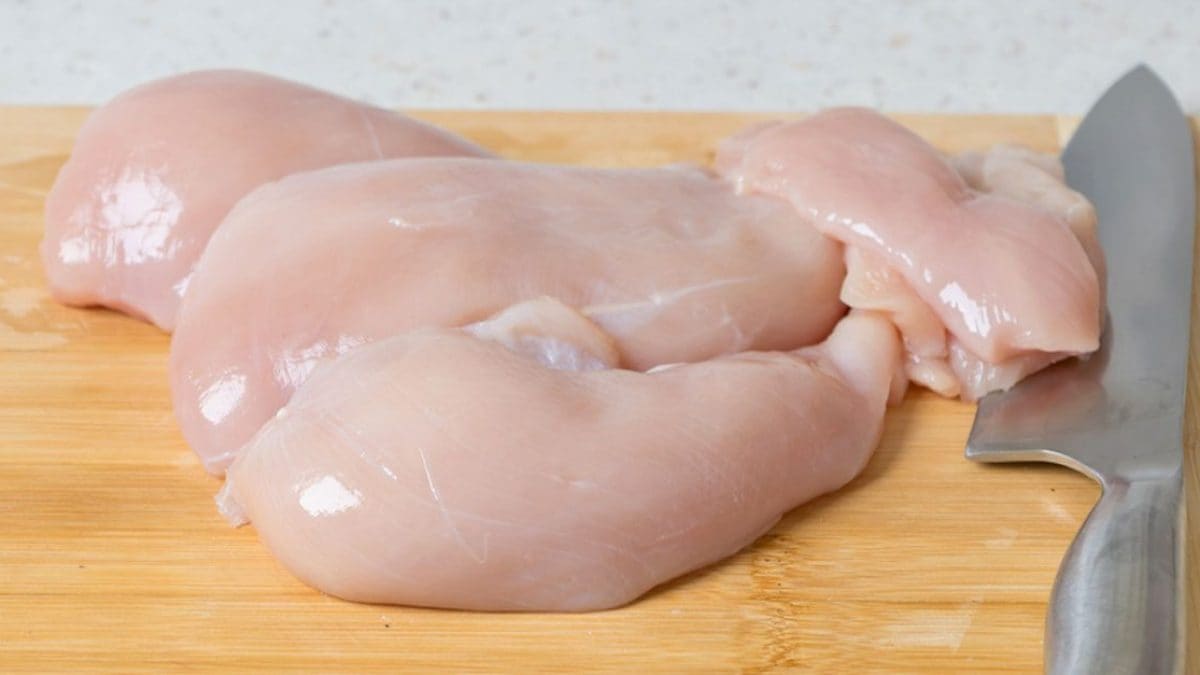
Let’s look at a typical kitchen mistake. You slice raw chicken on a cutting board, then immediately chop lettuce for a salad on the same surface. If you do not wash the board with soap and hot water in between, the lettuce can pick up dangerous bacteria from the chicken.
Since the lettuce is not cooked, the germs go straight to your plate and into your body.
Important fact: Most food poisoning cases from home kitchens are not because of “bad meat” but because of how food is handled and prepared.
How Germs Move: The Science Behind Cross-contamination
Bacteria on raw meat are often invisible and do not smell. They can live on plastic, wood, or bamboo cutting boards for hours. Even after a quick rinse, small pieces of meat juice can stay trapped in knife marks or cracks.
These germs easily transfer to vegetables, bread, or even fruit.
Here’s a simple comparison of how long common bacteria can survive on different board materials:
| Cutting Board Material | Bacteria Survival Time |
|---|---|
| Plastic | Several hours (up to 24) |
| Wood | Several hours (bacteria may sink into grooves) |
| Bamboo | Few hours (less porous, but not immune) |
| Glass | Shorter time (easier to clean, but can dull knives) |
Safe Cutting Board Practices: What You Should Do
To avoid cross-contamination, here’s what food safety experts and experienced cooks suggest:
- Use separate boards: Keep one board for raw meats (red for meat, blue for fish) and another for vegetables or bread (green or white). If you only have one board, clean it very well before switching between foods.
- Wash with hot, soapy water: After cutting raw meat, scrub the board with soap and hot water. Do not just rinse. Some people use a diluted bleach solution (1 tablespoon bleach to 1 gallon of water) for extra safety.
- Air dry: Let your board dry completely before using it again. Bacteria multiply faster on damp surfaces.
- Replace worn boards: If your board has deep grooves or cracks, bacteria can hide there. Replace it if it looks damaged.
Example Safe Kitchen Routine
- Cut and prepare all vegetables first.
- Set them aside in a clean bowl.
- Use a different board (or wash the board) before handling raw meat.
- Wash hands with soap between tasks.
Cutting Board Materials: Which Is Safest?
Not all cutting boards are the same. Some are easier to clean, while others are more gentle on your knives. Here is a quick comparison to help you choose:
| Material | Pros | Cons |
|---|---|---|
| Plastic | Dishwasher safe, cheap, color-coded options | Can get deep cuts, trap bacteria |
| Wood | Gentle on knives, looks nice | Harder to sanitize, not dishwasher safe |
| Bamboo | Eco-friendly, less porous than wood | Can warp, not as durable |
| Glass | Easy to clean, non-porous | Can damage knives, slippery |
Plastic boards are popular for raw meat because they can go in the dishwasher. Wooden boards are better for bread or vegetables because they are less likely to damage your knife and look better in the kitchen. Glass boards are easy to sanitize but are tough on knives.
Color-coding: Simple System For Safety
Many kitchens use color-coded cutting boards to avoid confusion. Here’s a common system:
| Color | Use |
|---|---|
| Red | Raw meat |
| Blue | Raw fish/seafood |
| Green | Vegetables and fruit |
| White | Dairy, bakery, or general use |
| Yellow | Poultry |
Using color-coded boards is a simple way to train everyone in your house to avoid mistakes, even if they are new to cooking.
Cleaning Cutting Boards: Step-by-step
To truly remove bacteria, cleaning must go beyond a quick rinse. Here’s how to do it right:
- Scrape off food: Use a spatula or brush to remove any scraps.
- Wash with soap and hot water: Scrub all sides, not just the top.
- Rinse well: Make sure no soap is left.
- Sanitize: For plastic boards, use a diluted bleach solution (1 tablespoon bleach to 1 gallon water). For wood, use white vinegar or hydrogen peroxide.
- Dry upright: Let air flow around the board so it dries quickly.
Tip: Never put wooden boards in the dishwasher—they can crack or warp.
Credit: www.cookist.com
Can You Ever Safely Use The Same Board?
Some people use the same board for everything but clean it carefully in between. Is this safe? It depends on your cleaning habits. If you follow all the steps above, you reduce the risk. But if you are in a hurry, forget to scrub, or miss a spot, bacteria can remain.
The safest method is always to use two boards. If you only have one, always cut vegetables first, then meat, and wash thoroughly between uses. Never cut ready-to-eat foods after raw meat without a complete cleaning.
You might find this helpful: Best Cutting Boards for Raw Meat
Common Mistakes To Avoid
Many beginners make these errors without realizing the risk:
- Quick rinse only: Water alone will not remove bacteria. Soap is essential.
- Wiping with a towel: This can spread germs, not remove them.
- Cutting cooked and raw foods on the same board: Even if the food is going to be cooked, keep boards separate to be safe.
- Not washing knives and hands: Germs on your hands or knife can also transfer between foods.

Credit: www.houndsy.com
Real-life Cases: Why It Matters
In 2018, a CDC report linked a salmonella outbreak to home kitchens where raw chicken and vegetables were prepared together. Many people thought washing the board with cold water was enough, but it was not. The outbreak led to hospital visits for several families.
These cases show that simple habits can have big health impacts.
Non-obvious Insights For Home Cooks
- Bacteria can survive on boards for longer than you think—sometimes up to a day, especially in small cracks or deep grooves. Even if a board looks clean, it may not be.
- Kitchen towels and sponges can also carry germs if you wipe a dirty board and then use the towel elsewhere. Always use fresh towels and wash them often.
Is It Ever Okay In Certain Situations?
If you plan to cook both meat and vegetables thoroughly (such as in a stew), the risk is lower. Cooking at high temperatures kills most bacteria. However, if any part of the meal (like salad or toppings) is not cooked, you must keep cutting boards separate.
Pro tip: For picnics or camping, bring two lightweight boards or use disposable ones to avoid the risk.
Teaching Kids And Other Family Members
If you cook with children or guests, teach them these habits. Use the color-coded system or label boards clearly. Make it a family rule to always wash hands and boards after handling raw meat. This builds good habits for life.
What To Do If You Only Have One Board
Not everyone has space or money for multiple boards. If you have only one, follow these steps:
- Always cut vegetables or bread first.
- Wash the board and knife with soap and hot water.
- Rinse and dry completely.
- Only then prepare raw meat.
- If you need to cut more vegetables after meat, re-clean the board or use a clean plate.
This method is not as safe as using separate boards but is better than nothing.
When Should You Replace Your Cutting Board?
Cutting boards do not last forever. Replace your board if you see:
- Deep grooves that are hard to clean
- Warping or splitting
- Stains or smells that will not go away after washing
A new board is cheaper than a hospital visit for food poisoning.
Final Thoughts: Choose Safety Over Convenience
Cutting raw meat and vegetables on the same board is not recommended. While it may seem easy and save time, the risk of cross-contamination is real. Use separate boards, clean them well, and teach everyone in your kitchen these habits. Simple changes can protect your health and make your cooking more professional.
For more on food safety, you can check the CDC’s food safety guidelines.
Frequently Asked Questions
Is It Ever Safe To Use The Same Cutting Board For Raw Meat And Vegetables?
Only if you wash the board with hot, soapy water and sanitize it between uses. However, using separate boards is much safer.
What Is The Best Material For A Cutting Board To Prevent Bacteria?
Plastic and glass boards are easiest to sanitize. Plastic can go in the dishwasher, while glass is non-porous. Wooden boards are fine if cleaned well but can trap germs in deep cuts.
How Often Should I Replace My Cutting Board?
When you see deep grooves, cracks, or stains that do not wash away, it is time for a new board. This could be every few years, depending on use.
Can I Just Rinse My Board With Water Between Foods?
No. Rinsing with water is not enough. Always use soap and hot water, and sanitize if possible, especially after raw meat.
Do Color-coded Cutting Boards Really Reduce Risk?
Yes. Color-coding is a simple way to remind cooks which board is for what food, reducing mistakes and cross-contamination. Many commercial kitchens use this system.